
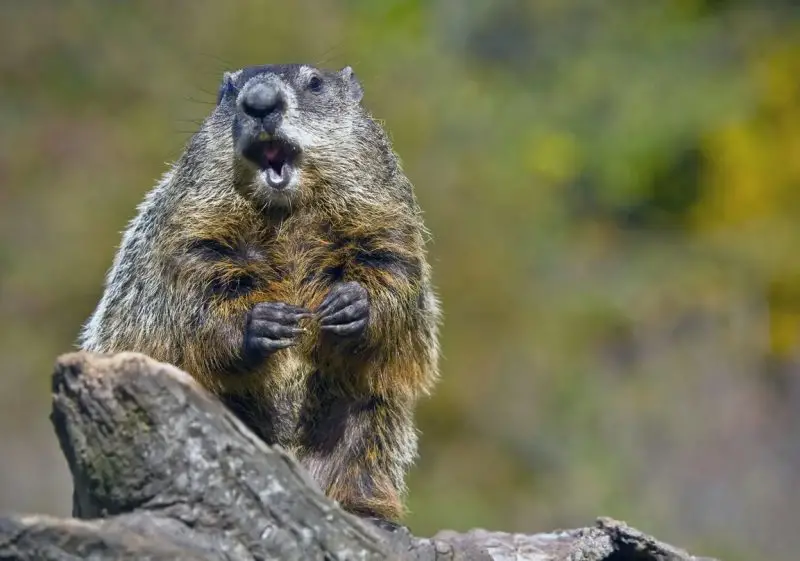
Florida homeowners are often surprised to learn that groundhogs, also known as woodchucks, can appear in certain parts of the state despite being more commonly associated with northern regions. While they are far less widespread in Florida than in states like Pennsylvania or Ohio, small, localized populations have been documented, particularly in the northern parts of the state. These sightings can feel unusual, even out of place, especially in landscapes more often associated with reptiles, wading birds, and subtropical wildlife. Yet when conditions are right, groundhogs can quietly establish themselves and adapt to Florida’s unique environment.
For residents who encounter them, the experience can be confusing. A burrow in the yard, a sudden glimpse of a stocky brown animal, or unexplained damage to plants may not immediately point to a groundhog. Many assume raccoons, armadillos, or even gopher tortoises are responsible. But groundhogs leave their own distinct patterns, and once you recognize them, their presence becomes much clearer. What most Florida residents do not realize is that these animals are highly adaptable and capable of adjusting their behavior to suit climates very different from their traditional range.
Understanding groundhogs in Florida requires looking beyond assumptions and focusing on how wildlife responds to changing habitats. As landscapes shift and human development expands, animals often move into new territories or exploit niches that were previously unavailable. Groundhogs are no exception. Their presence in Florida may be limited, but when they do appear, they bring with them a fascinating set of behaviors that can reshape how homeowners see their own backyards.
Groundhogs Are Rare in Florida but Not Impossible

Groundhogs are not native to most of Florida, which is why their appearance can feel so unexpected. Their typical range includes much of the eastern and central United States, favoring regions with cooler climates and distinct seasonal changes. However, northern Florida provides pockets of suitable habitat, including open fields, forest edges, and lightly developed suburban areas. In these environments, groundhogs can find the resources they need to survive.
Their rarity in the state often leads to misidentification. Residents may confuse them with other burrowing animals, especially since Florida is home to species like armadillos and gopher tortoises that also create visible ground disturbances. Groundhogs, however, tend to build more complex burrow systems with multiple entrances and noticeable mounds of displaced soil. These subtle differences can help distinguish them from other species.
Because they are not widespread, groundhog populations in Florida tend to remain isolated. This limits their visibility and reduces the likelihood of frequent encounters. Yet when they do establish themselves in a suitable area, they can persist for years. Their ability to remain undetected for long periods contributes to the perception that they are absent, even when they are quietly present.
Their Burrows Can Reshape Your Yard
One of the most noticeable signs of groundhog activity is their burrow system. These underground networks are more than simple holes in the ground. They include multiple chambers used for nesting, sleeping, and raising young. In Florida soils, which can vary from sandy to clay-based, groundhogs adjust their digging behavior to maintain stable and secure tunnels.
A typical burrow may have several entrances, often hidden near vegetation or along fence lines. The displaced soil forms small mounds that can appear suddenly and grow over time. These structures are not random but carefully designed to provide ventilation, escape routes, and protection from predators. In a backyard setting, this can lead to uneven ground and potential damage to landscaping.
What many residents do not realize is that these burrows can extend farther than expected. Tunnels may reach beneath sheds, patios, or even parts of a home’s foundation. While groundhogs are not intentionally destructive, their digging can create structural concerns if left unchecked. Understanding the extent of their burrow systems is key to managing their presence effectively.
They Are Mostly Herbivores but Not Picky
Groundhogs are primarily herbivorous, feeding on a wide variety of plants. In Florida backyards, this can include grasses, garden vegetables, ornamental plants, and even low-hanging fruits. Their diet is flexible, allowing them to take advantage of whatever food sources are available. This adaptability is one reason they can survive outside their typical range.
During the growing season, groundhogs may feed extensively to build up energy reserves. In northern regions, this supports hibernation, but in Florida’s milder climate, their behavior may shift. Instead of deep hibernation, they may remain active for longer periods, adjusting their feeding patterns accordingly. This can lead to more consistent activity throughout the year.
Their feeding habits can sometimes bring them into conflict with homeowners. A well-maintained garden can quickly become a reliable food source. However, their impact is usually localized rather than widespread. Recognizing what attracts them can help reduce repeated visits and limit potential damage.
Why You Rarely See Them Even When They Are There
Groundhogs are cautious animals that rely on awareness and quick retreat to avoid danger. Even in areas where they are present, they are often seen only briefly, if at all. Most of their activity occurs during early morning or late afternoon, when human activity is lower. This timing helps them forage while minimizing risk.
Their coloration also provides natural camouflage. Blending into soil, grass, and low vegetation, they can remain unnoticed even in relatively open spaces. When startled, they retreat quickly to their burrows, often disappearing before they are fully identified. This behavior contributes to the sense that they are rare or absent.
In Florida, where many residents are not expecting to see groundhogs, these brief encounters can be easily overlooked or misinterpreted. A quick movement in the yard may be dismissed as another animal. Over time, this leads to underreporting and a general lack of awareness about their presence.
Seasonal Behavior Is Different in Florida
One of the most interesting aspects of groundhogs in Florida is how their seasonal behavior differs from northern populations. In colder climates, groundhogs are known for hibernation, entering a deep state of inactivity during winter. Florida’s warmer temperatures reduce the need for this behavior, leading to more flexible activity patterns.
Instead of disappearing for months, groundhogs in Florida may remain active year-round or enter only short periods of reduced activity. This means they continue feeding and maintaining their burrows even during winter months. For homeowners, this can result in ongoing interactions rather than seasonal ones.
Breeding cycles may also shift slightly in response to climate. While still influenced by natural rhythms, the absence of harsh winters can affect timing and behavior. These adaptations highlight how wildlife adjusts to new environments, often in subtle but significant ways.
They Are Not as Solitary as You Might Think
Groundhogs are often described as solitary animals, but their social structure is more nuanced. While adults typically maintain their own burrows, they may tolerate nearby individuals, especially in areas with abundant resources. In Florida’s limited habitats, this can lead to closer proximity between individuals than might be expected.
Young groundhogs remain with their mother for a period after birth, learning essential survival skills. During this time, multiple individuals may be seen near the same burrow. This can give the impression of a larger population, even if it is just a family group. Over time, the young disperse to establish their own territories.
Interactions between groundhogs are usually subtle and non-confrontational. They rely more on spacing and avoidance than direct conflict. This behavior helps maintain stability within their environment and reduces unnecessary energy expenditure.
What Attracts Groundhogs to Florida Yards
Groundhogs are drawn to areas that provide a combination of food, shelter, and safety. In Florida, this often includes suburban yards with open lawns, garden beds, and nearby wooded edges. These environments mimic the transitional habitats they prefer in other parts of their range.
Structures such as sheds, decks, and fences can also create ideal conditions for burrow placement. These features offer protection from predators and human disturbance. Once a groundhog establishes a burrow in such a location, it may continue to use it for extended periods.
Consistency is a key factor in attraction. If a yard provides reliable food and minimal disturbance, groundhogs are more likely to remain. Small changes, such as reducing accessible vegetation or modifying landscaping, can influence whether they stay or move on.
Misconceptions About Damage and Risk
Groundhogs are sometimes viewed as highly destructive animals, but this perception is often exaggerated. While their burrowing can cause localized issues, they do not actively seek to damage property. Most of their behavior is focused on survival rather than disruption.
In Florida, where their presence is limited, the overall impact of groundhogs is usually minimal. Problems arise primarily when burrows are located near structures or when feeding affects gardens. Even in these cases, the damage is often manageable with appropriate measures.
It is also important to note that groundhogs are not aggressive toward humans. They prefer to avoid interaction and will retreat when approached. Understanding their behavior helps reduce unnecessary concern and allows for more balanced management strategies.
The Ecological Role They Quietly Play
Even in small numbers, groundhogs contribute to their local ecosystems. Their burrowing activity can aerate soil, improving its structure and promoting plant growth. Abandoned burrows may be used by other animals, creating additional habitat opportunities.
As herbivores, they influence vegetation patterns, which can have ripple effects throughout the ecosystem. Their presence may also attract predators, contributing to the natural balance of species interactions. These roles often go unnoticed but are important in maintaining ecological health.
In Florida, where ecosystems are already complex and dynamic, the addition of a species like the groundhog introduces new interactions. While their impact is subtle, it is part of a broader network of environmental relationships.
FAQs About Groundhogs in Florida
Are groundhogs common in Florida?
Groundhogs are not common in most of Florida, but they can be found in northern areas. Their populations are limited and often localized. This makes sightings relatively rare. However, they can persist in suitable habitats.
How can I tell if a groundhog is in my yard?
Signs include burrows with multiple entrances and mounds of soil. You may also notice plant damage or occasional sightings. Observing activity during early morning or late afternoon can help confirm their presence. Their behavior is usually consistent once established.
Do groundhogs hibernate in Florida?
Groundhogs in Florida may not hibernate in the same way as northern populations. They often remain active for much of the year. Short periods of reduced activity may occur. This difference is due to the warmer climate.
Are groundhogs dangerous?
Groundhogs are generally not dangerous to humans. They prefer to avoid contact and will retreat if approached. Most concerns relate to burrowing rather than aggression. Understanding their behavior reduces unnecessary fear.
What should I do if I find a burrow?
Assess its location and potential impact on structures. Avoid disturbing the animal directly. Professional wildlife services can provide guidance if needed. Taking a cautious approach helps prevent escalation.
Do groundhogs damage gardens?
Groundhogs may feed on garden plants and vegetation. Their impact is usually limited to accessible areas. Protective measures can reduce damage. Consistent monitoring is helpful.
Can groundhogs live under houses?
Groundhogs may dig burrows near or under structures if conditions allow. This can create structural concerns over time. Identifying and addressing these situations early is important. Professional assistance may be required.
Why are groundhogs hard to spot?
Groundhogs are cautious and rely on camouflage. They are most active during low-activity times of day. Their quick retreat to burrows makes sightings brief. This contributes to their elusive nature.
Final Thoughts
Groundhogs in Florida are a reminder that wildlife does not always follow expected boundaries. Even species typically associated with cooler climates can find ways to adapt and survive in new environments. Their presence may be limited, but it offers a glimpse into the flexibility and resilience of nature.
For homeowners, understanding groundhogs means looking beyond first impressions. What may seem unusual or even problematic often has clear explanations rooted in biology and behavior. By recognizing these patterns, it becomes easier to coexist with wildlife while protecting your property.
In the end, a groundhog in a Florida backyard is not just an oddity. It is part of a larger story about changing landscapes, shifting habitats, and the quiet ways animals adjust to the world around them. Taking the time to observe and understand that story can transform a moment of surprise into an opportunity for deeper appreciation.