
In Nebraska, open landscapes stretch for miles across rolling prairies, wheat fields, grazing pastures, and river valleys. Wind moves steadily across tall grasses in summer, and the soil warms quickly beneath long days of sunlight. These wide plains may appear quiet at first glance, but the ground beneath them is constantly alive with insects and small animals that shape the prairie ecosystem.
Among the most overlooked of these creatures are prairie beetles.
Residents walking across fields or along dirt roads may occasionally notice small dark beetles moving through the soil or crawling across dry vegetation. Many people barely give them a second glance, assuming they are just another ordinary insect living among the grasses.
Yet prairie beetles play a surprisingly important role in prairie environments.
What most Nebraska residents don’t realize about prairie beetles is that these insects help recycle organic material, regulate other insect populations, and contribute to the health of prairie soil in ways that often go unnoticed.
Their activities occur quietly beneath grasses, within soil, and around plant roots where they influence the balance of prairie ecosystems every day.
Table of Contents
- 1 The Many Beetles Living in Prairie Landscapes
- 2 Why Prairies Support So Many Beetles
- 3 The Hidden Life Beneath Prairie Soil
- 4 Prairie Beetles as Natural Recyclers
- 5 Predatory Beetles and Pest Control
- 6 Why Prairie Beetles Appear More Often in Summer
- 7 How Prairie Beetles Survive Harsh Conditions
- 8 The Role of Beetles in Prairie Food Webs
- 9 Prairie Beetles and Agriculture
- 10 Why Prairie Beetles Often Go Unnoticed
- 11 Common Misconceptions About Prairie Beetles
- 12 FAQs About Prairie Beetles in Nebraska
- 13 Final Thoughts
The Many Beetles Living in Prairie Landscapes

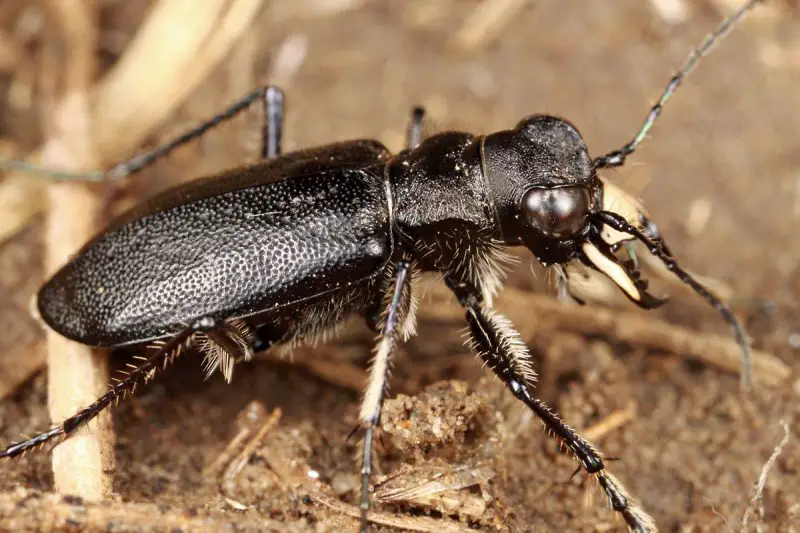
The insects often called prairie beetles are not a single species but a wide variety of beetles belonging to different families. One common group found across prairie regions belongs to the genus Eleodes, which includes several species commonly encountered across the Great Plains.
These beetles are usually dark brown or black with elongated bodies and sturdy legs built for walking across dry soil. Many species prefer open landscapes where grasses dominate and sunlight reaches the ground.
Darkling beetles are particularly well adapted to prairie climates.
Their hardened wing covers protect them from dehydration while allowing them to survive hot, dry conditions common across Nebraska’s plains. Many species remain active during warm months, especially during evenings when temperatures begin to cool.
Because of their dark color and slow movement, prairie beetles often blend into the soil and remain unnoticed unless someone looks closely at the ground.
Why Prairies Support So Many Beetles
Prairie ecosystems provide a unique combination of conditions that support diverse insect communities.
Open grasslands allow sunlight to reach the soil surface, warming the ground and encouraging plant growth. Dense root systems beneath prairie grasses create stable soil structures that support microorganisms, fungi, and insects.
These underground communities provide food sources for many beetle species.
Decaying plant material, roots, seeds, and other insects all become part of the prairie food web.
Beetles thrive in these environments because they can exploit many different food sources. Some species feed on plant matter while others prey on insects or scavenge organic debris.
The wide range of feeding strategies allows dozens of beetle species to coexist across the same prairie landscape.
In this way, prairie ecosystems become one of the richest insect habitats on the Great Plains.
The Hidden Life Beneath Prairie Soil
Many prairie beetles spend much of their lives beneath the surface of the soil.
During the day, they often remain hidden under plant litter, rocks, or within small burrows. These sheltered locations protect them from predators and extreme temperatures.
Beneath the surface, beetle larvae develop within soil where they feed on organic matter and small invertebrates.
These larvae often resemble small segmented worms and may remain underground for weeks or months depending on the species.
During this stage, they play an important role in breaking down organic material within the soil.
By feeding on decaying vegetation and other organic debris, beetle larvae help recycle nutrients back into the soil where plants can absorb them again.
This process contributes to soil fertility across prairie ecosystems.
Although the insects themselves remain hidden, their impact on soil health continues throughout the growing season.
Prairie Beetles as Natural Recyclers
One of the most important ecological roles played by prairie beetles involves decomposition.
Prairie environments produce large amounts of plant material each year. As grasses grow and eventually die back, stems and leaves accumulate on the ground.
Without decomposers, this material would build up quickly.
Beetles help break down this organic matter.
Many species feed on decaying plant material, seeds, and animal waste, gradually reducing it into smaller particles that microorganisms can process further.
This decomposition process returns nutrients such as nitrogen and carbon to the soil.
Healthy soils rely on this constant recycling of organic matter.
In prairie ecosystems where vegetation grows rapidly each year, beetles become essential partners in maintaining soil productivity.
Their activity helps ensure that nutrients remain available for new plant growth during the following seasons.
Predatory Beetles and Pest Control
Not all prairie beetles feed on plants or decaying material.
Some species act as predators that hunt other insects.
Ground beetles, for example, are active hunters that move through soil and vegetation searching for prey. These beetles consume caterpillars, larvae, and other insects that may feed on crops or grasses.
By controlling populations of other insects, predatory beetles help maintain ecological balance within prairie environments.
Farmers may rarely notice these interactions, but they occur constantly beneath vegetation.
Each predator removes small numbers of prey insects, gradually reducing the chances of large pest outbreaks.
Because of these interactions, beetles contribute to natural pest regulation across agricultural landscapes.
Why Prairie Beetles Appear More Often in Summer
Seasonal temperatures strongly influence beetle activity.
During Nebraska winters, many beetles remain dormant beneath the soil where they are protected from freezing conditions.
As spring temperatures rise, beetles begin emerging from their shelters.
Warm summer weather increases insect metabolism and encourages movement across the prairie.
During this time, beetles search for food, mates, and new shelter locations.
Evening hours often bring the most visible activity.
As temperatures cool slightly and predators become less active, beetles move across open ground in search of food.
Residents walking along dirt roads or across fields during summer evenings may occasionally see these insects crossing the ground.
Their slow movement and dark bodies often make them appear more noticeable against pale prairie soil.
How Prairie Beetles Survive Harsh Conditions
Life on the prairie can be challenging for insects.
Temperatures fluctuate widely between day and night, and rainfall may vary dramatically throughout the year.
Prairie beetles possess several adaptations that allow them to survive these conditions.
Their hardened outer shells reduce water loss and protect them from physical damage.
Many species also remain active primarily during cooler hours when evaporation rates are lower.
Some beetles dig shallow burrows that help regulate temperature and humidity.
Others hide beneath plant litter where conditions remain more stable.
These behavioral and physical adaptations allow prairie beetles to survive both intense summer heat and cold winter conditions.
The Role of Beetles in Prairie Food Webs
Prairie beetles serve as an important link in the food web connecting plants, insects, and animals.
By feeding on plants, seeds, and smaller insects, they convert plant energy into protein that becomes available to predators.
Birds, reptiles, amphibians, and small mammals often rely on beetles as a food source.
Many prairie birds forage along the ground searching for insects hidden beneath grasses or soil.
Because beetles are abundant and nutritious, they provide reliable prey for these animals.
Their presence therefore supports the broader biodiversity found across prairie landscapes.
Even though they are small and often unnoticed, prairie beetles contribute to the stability of prairie ecosystems.
Prairie Beetles and Agriculture
Prairie beetles also interact with agricultural landscapes throughout Nebraska.
Fields planted with crops such as corn, soybeans, and wheat often attract insects from surrounding grasslands.
Some beetles feed on plant material, but many act as scavengers or predators that consume other insects.
These interactions create a complex balance between crop plants, insect communities, and soil health.
Farmers may notice beetles occasionally moving across fields or gathering beneath debris after harvest.
Although these insects rarely attract attention, their activities help maintain ecological processes that support healthy soils and insect diversity across agricultural land.
Why Prairie Beetles Often Go Unnoticed
Despite their ecological importance, prairie beetles remain largely overlooked by many people.
Their small size and dark coloration help them blend into soil and vegetation.
Most species are also active at night or during cooler hours when human activity is limited.
Because they spend much of their lives beneath soil or plant litter, residents rarely encounter them directly.
Even when they do appear, their slow movements make them seem unremarkable compared with more noticeable insects such as grasshoppers or butterflies.
Yet beneath the surface, beetles perform essential tasks that help sustain prairie ecosystems year after year.
Common Misconceptions About Prairie Beetles
Several misunderstandings about beetles persist among people unfamiliar with prairie insects.
One common misconception is that all beetles damage crops.
In reality, many prairie beetles feed on other insects or decaying material rather than living plants.
Another misconception suggests that beetles appear suddenly in large numbers without explanation.
In most cases, their populations simply follow seasonal patterns linked to temperature and food availability.
Because they remain hidden for much of their lives, their appearance may seem sudden even though they have been present in the environment all along.
Understanding their ecological role reveals that these insects represent a natural part of prairie landscapes rather than unusual intruders.
FAQs About Prairie Beetles in Nebraska
What are prairie beetles?
Prairie beetles refer to various beetle species that live in grassland ecosystems across the Great Plains.
Do prairie beetles harm crops?
Some species feed on plants, but many act as predators or scavengers that help control other insects.
Why do prairie beetles appear at night?
Many species avoid daytime heat and become active during cooler evening hours.
Where do prairie beetles live?
Most live in soil, beneath plant litter, or under rocks and vegetation.
Are prairie beetles important for prairie ecosystems?
Yes. They help recycle organic matter, control insect populations, and support prairie food webs.
Final Thoughts
What most Nebraska residents don’t realize about prairie beetles is that these quiet insects play an essential role in maintaining the health and balance of prairie ecosystems.
Hidden beneath grasses and soil, they recycle nutrients, prey on other insects, and provide food for many animals living across the Great Plains.
Although they rarely attract attention, their work continues every day across Nebraska’s landscapes.
From farmland to native prairie, beetles contribute to the complex ecological processes that keep grasslands productive and resilient.
Understanding their role offers a deeper appreciation for the small but powerful creatures helping sustain one of North America’s most iconic ecosystems.