
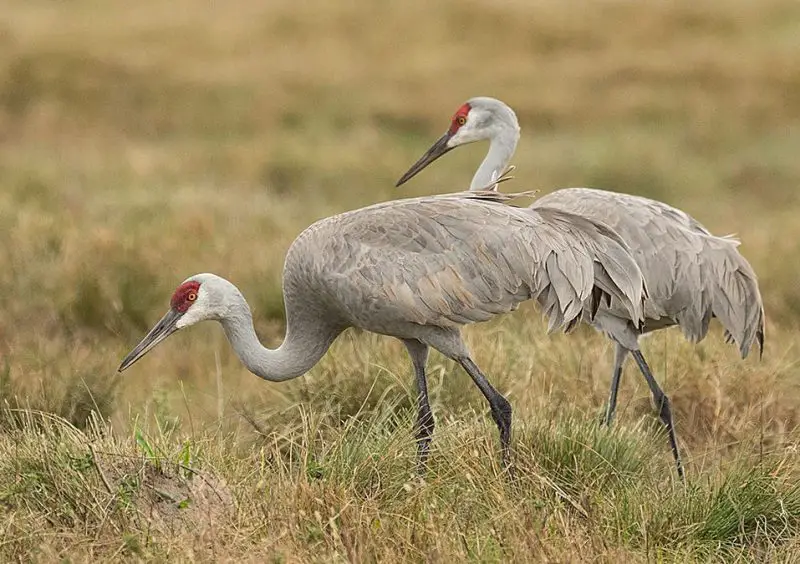
Every year, usually without much warning, large flocks of sandhill cranes begin appearing across parts of Texas. Fields that seemed quiet suddenly fill with tall gray birds calling loudly as they feed, rest, and move across open landscapes. For many residents this feels abrupt, even mysterious. One week there are none. Soon after, hundreds or sometimes thousands may gather in the same region.
This seasonal spectacle is not random. It reflects long established migration patterns shaped by climate, food availability, habitat conditions, and the cranes’ remarkable navigational instincts. Texas sits directly along major migratory corridors, making it a critical winter destination for several populations of sandhill cranes.
Understanding why these flocks appear so suddenly requires exploring migration timing, environmental cues, feeding behavior, habitat selection, and how modern landscapes influence crane movement. Once you see the bigger picture, what seems sudden becomes part of a predictable natural cycle.
Migration Patterns That Bring Cranes to Texas

Long Distance Seasonal Travelers
Sandhill cranes are among the most recognizable migratory birds in North America. Many populations spend their breeding season far to the north, including Canada, Alaska, and parts of the northern United States. These northern environments provide ideal nesting wetlands during spring and summer, but winter conditions quickly reduce food availability. As temperatures drop and snow begins covering feeding grounds, cranes instinctively begin their southward journey.
Texas offers conditions that make winter survival much easier. Compared with northern breeding areas, winters are generally milder, allowing cranes to conserve energy. Open fields remain accessible, wetlands stay unfrozen, and food sources such as leftover grain, seeds, and small aquatic organisms remain available. This combination creates a dependable seasonal refuge.
Migration timing depends heavily on environmental cues rather than fixed dates. Changes in temperature, daylight length, and food supply trigger movement. Because large numbers of birds respond to similar signals at the same time, their arrival in Texas can appear sudden even though migration has been underway for days or weeks.
Flyways That Cross Texas
Texas sits directly along major migratory corridors used by sandhill cranes. The Central Flyway is especially important, guiding birds from northern breeding areas into the southern Great Plains, coastal marshes, and agricultural regions of Texas. Geography plays a powerful role here. Wide plains, open farmland, wetlands, and coastal habitats create natural resting and wintering areas.
Birds traveling similar routes often gather in large flocks during migration. Flying together improves navigation, reduces predation risk, and increases energy efficiency through aerodynamic advantages. When multiple groups converge on the same feeding or resting habitat, flock sizes can grow quickly.
From a ground level perspective, this convergence often looks abrupt. A field that seemed empty one day may suddenly host hundreds of cranes as multiple migration groups arrive nearly simultaneously.
Weather Triggers That Influence Arrival Timing
Cold Fronts and Migration Surges
Weather conditions strongly influence crane migration timing. Sudden cold fronts in northern regions can accelerate movement southward. When temperatures drop rapidly or snowfall covers feeding areas, cranes quickly depart to find better conditions.
Because many birds respond to the same weather event, large migration waves may occur within a short timeframe. This synchronized movement creates the impression that cranes appear overnight in Texas landscapes.
In reality, the birds may have traveled hundreds of miles over several days. Weather simply determines when that journey accelerates.
Wind Patterns and Flight Efficiency
Wind direction also affects migration efficiency. Favorable tailwinds help cranes conserve energy while traveling long distances. When strong supportive winds coincide with seasonal migration cues, large groups can move south rapidly.
Conversely, headwinds or storms may temporarily delay migration. Once conditions improve, delayed birds often resume travel together, resulting in clustered arrivals.
These atmospheric factors contribute significantly to the sudden flock appearances many Texans observe each winter.
Food Availability Drives Flock Formation
Agricultural Fields as Feeding Grounds
Agriculture across Texas plays a major role in attracting sandhill cranes. Harvested grain fields, corn stubble, rice paddies, and winter wheat areas provide abundant leftover food. These food sources offer high energy nutrition that supports cranes throughout winter.
Cranes are quick learners. When one group discovers a productive feeding area, others often follow. Social communication and observation encourage flock expansion around reliable food sites.
As a result, a quiet agricultural field can transform into a major crane gathering location within days once feeding conditions become favorable.
Natural Wetlands and Marsh Resources
Natural wetlands remain equally important. River floodplains, marshes, and coastal wetlands provide roots, tubers, aquatic vegetation, insects, and small vertebrates. These foods complement agricultural resources and help maintain balanced nutrition.
Water access also offers safety. Cranes often roost overnight in shallow water where predators are easier to detect. Many flocks feed in fields during the day and move to wetlands at dusk.
This daily movement keeps large numbers of birds concentrated in specific regions, reinforcing the impression of sudden mass arrival.
Safety in Numbers: Why Cranes Form Large Flocks
Predator Awareness
Large flocks improve collective vigilance. With many birds scanning the environment, predators such as coyotes or large birds of prey are detected quickly. Early warning allows flocks to respond collectively, increasing survival chances.
Open winter landscapes provide limited cover, so group awareness becomes especially valuable. This safety advantage naturally encourages cranes to gather in large numbers.
The bigger the flock, the lower the individual risk.
Social Communication
Sandhill cranes are highly social birds with complex vocal communication. Their loud trumpeting calls help maintain group cohesion during both flight and feeding. Vocalizations also signal danger, coordinate movement, and reinforce social bonds.
Young cranes learn migration routes, feeding strategies, and survival behaviors from experienced adults. Flock structure supports intergenerational knowledge transfer.
This social learning helps maintain consistent winter gathering patterns in Texas year after year.
Habitat Changes That Influence Crane Presence
Agricultural Expansion
Modern agriculture has unintentionally created new feeding opportunities for migrating cranes. Crop residue, grain spillage, and irrigated fields provide reliable winter food sources that may not have existed historically.
These changes can increase crane numbers in certain regions compared with past decades. As agricultural practices shift, so do crane distribution patterns.
Some areas see larger flocks simply because food availability has improved.
Wetland Conservation Efforts
Wetland conservation programs also influence crane presence. Restored marshes, protected wildlife refuges, and improved water management provide safe roosting habitat.
These conservation successes sometimes attract cranes back to regions where they were once less common. Habitat protection plays a direct role in shaping migration destinations.
Effective management benefits both wildlife and local ecosystems.
Why Flocks Sometimes Seem Larger Than Before
Population Recovery Trends
Sandhill crane populations have increased in many areas due to conservation efforts, regulated hunting, and habitat preservation. Larger overall populations naturally produce more visible winter gatherings.
This recovery contributes to increased sightings across Texas. What appears sudden may reflect long term population growth.
Healthy populations often produce more noticeable migration events.
Improved Observation and Reporting
Modern technology has amplified wildlife awareness. Social media, birding apps, trail cameras, and digital photography allow people to share sightings instantly.
Events that once went unnoticed now receive widespread attention. This increased visibility can create the impression of growing crane numbers even when populations remain stable.
The birds may not be new. Awareness simply is.
Daily Movement Patterns Within Texas
Feeding and Roosting Cycles
Cranes typically feed during daylight hours in open agricultural fields or grasslands. As evening approaches, they move toward shallow wetlands or marshes for overnight roosting.
These daily movements can make flocks seem to appear suddenly in certain locations. Morning departures and evening arrivals are particularly noticeable.
Understanding these patterns helps explain fluctuating local sightings.
Local Migration Within the State
Not all crane movement involves long distance travel. Birds sometimes shift locations within Texas depending on weather, food availability, or disturbance.
A region may host few cranes one week and many the next as flocks relocate. This flexibility helps cranes respond to changing environmental conditions.
Local movement contributes to the perception of sudden flock appearance.
Human Interaction and Public Interest
Birdwatching Opportunities
Large sandhill crane gatherings attract birdwatchers from across the country. Their size, vocalizations, and social behavior make them fascinating to observe.
Wildlife tourism centered on crane viewing can support local economies through lodging, guiding services, and conservation education.
Responsible observation ensures minimal disturbance to birds.
Agricultural Considerations
Farmers sometimes notice cranes feeding in harvested fields. While impact varies, many landowners appreciate the ecological presence and tourism potential cranes bring.
Balancing agricultural productivity with wildlife conservation remains an ongoing conversation in many Texas communities.
Coexistence strategies continue to evolve.
Ecological Importance of Sandhill Cranes
Role in Ecosystem Health
Sandhill cranes help control insect populations, disperse seeds, and influence vegetation patterns in wetlands. Their feeding activity contributes to ecosystem balance.
As migratory birds, they connect ecosystems across vast geographic regions. Their health reflects conditions across multiple habitats.
Stable crane populations often indicate healthy landscapes.
Cultural and Educational Value
Cranes hold symbolic and cultural importance in many communities. Their migration inspires educational programs, wildlife festivals, and conservation awareness efforts.
Observing migration helps people connect with seasonal natural cycles.
This connection supports broader environmental stewardship.
How Climate Change May Affect Future Migration
Shifting Winter Ranges
Warmer winters may gradually alter migration timing and destination. Some crane populations already winter farther north than in previous decades.
Texas will likely remain important, but distribution patterns may shift over time. Continued monitoring helps track these changes.
Understanding trends supports conservation planning.
Habitat Resilience
Wetland preservation, sustainable agriculture, and water management will strongly influence future crane presence. Resilient habitats support stable migration patterns.
Long term environmental stewardship benefits both cranes and human communities.
Balanced conservation ensures these seasonal spectacles continue.
FAQs About Sandhill Crane Flocks in Texas
Why do cranes suddenly appear in large groups
Migration timing, weather changes, and food availability often cause rapid flock formation.
Are these cranes staying permanently
Most are winter visitors that migrate north again in spring.
Do cranes harm crops
They may feed on leftover grain, but impact varies by location and season.
Is it safe to approach them
Maintaining distance is best. Disturbance can stress wildlife.
Why are they so loud
Vocal communication helps maintain flock cohesion and alert birds to danger.
Do cranes always return to the same areas
Many follow traditional migration routes, though conditions can cause variation.
Are populations increasing
Some populations have grown due to conservation success.
When do they leave Texas
Departure usually begins in late winter or early spring.
Final Thoughts
Massive sandhill crane flocks appearing in Texas are not sudden mysteries but part of a long standing natural migration cycle shaped by climate, habitat, food availability, and social behavior. Weather shifts, agricultural landscapes, and conservation efforts all contribute to when and where these birds gather.
Seeing large crane flocks can be one of the most memorable wildlife experiences in the region. Their presence reflects healthy migration systems and successful conservation work. With continued habitat protection and public awareness, Texans can expect these seasonal visitors to remain a striking part of winter landscapes for years to come.