
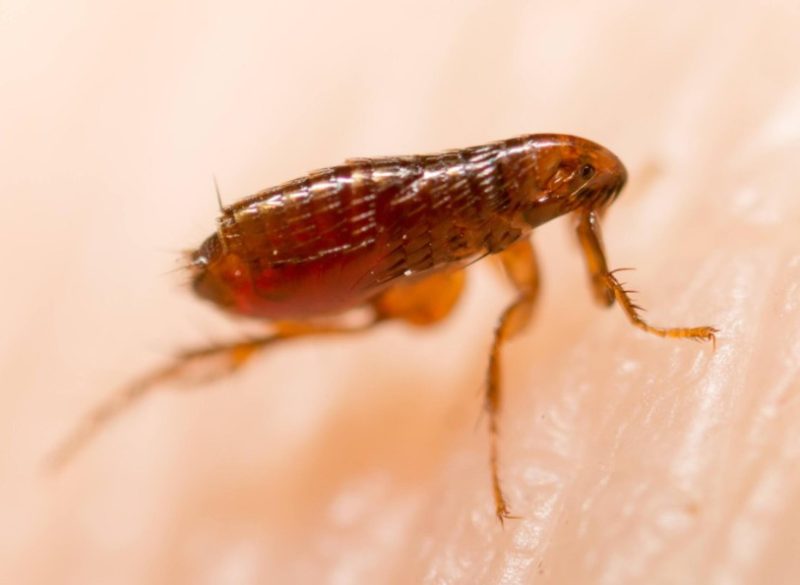
Fleas are one of those pests most pet owners expect to deal with at some point. They are small, fast, and frustrating, but usually considered more annoying than dangerous. In Michigan, however, veterinarians and wildlife experts continue to monitor fleas not just because of itching and discomfort, but because of what they can carry between wildlife, pets, and occasionally people.
Michigan’s climate, changing wildlife patterns, suburban expansion, and increased pet travel have created conditions where fleas move more easily between natural habitats and human homes. That movement raises concerns about parasites, bacteria, and diseases that may pass from wildlife to pets and, in some cases, to humans.
Understanding what fleas carry, how transmission happens, and why Michigan pet owners should stay informed helps reduce unnecessary fear while encouraging practical prevention.
Why Fleas Thrive in Michigan

Michigan’s climate might not seem ideal for fleas compared with warmer southern states, but seasonal warmth, humidity, and indoor heating create favorable conditions. Fleas are highly adaptable and can survive cold winters by living on hosts, in homes, or in sheltered wildlife habitats.
Summer and early fall bring peak outdoor flea activity. Wildlife populations become more active, pets spend more time outdoors, and flea reproduction accelerates. Once fleas enter homes, central heating allows them to persist through winter.
This seasonal cycle explains why infestations sometimes seem to appear suddenly and linger longer than expected.
How Fleas Move Between Wildlife and Pets
Fleas rarely remain restricted to one host species. Wildlife such as raccoons, opossums, squirrels, rabbits, foxes, and feral cats often carry fleas that can transfer to domestic pets. Suburban environments, where wildlife and pets share yards and green spaces, make cross-species transmission common.
Fleas do not jump from forests directly into homes. Instead, they hitch rides on animals. A raccoon passing through a yard, a stray cat resting under a deck, or a dog exploring tall grass can introduce fleas into the household environment.
Once inside, fleas reproduce quickly if conditions allow.
The Most Common Flea Species Affecting Michigan Pets
The cat flea, despite its name, affects both cats and dogs and is the most common flea species in Michigan households. It feeds readily on multiple hosts and thrives in indoor environments.
Dog fleas exist but are less common. Wildlife fleas also occasionally infest pets, especially animals with frequent outdoor exposure.
Species identification matters mainly for veterinary treatment decisions rather than everyday pet care, but understanding diversity helps explain how fleas move between ecosystems.
Flea Allergy Dermatitis in Pets
One of the most common veterinary concerns related to fleas is flea allergy dermatitis. Some pets develop strong allergic reactions to flea saliva, leading to intense itching, skin inflammation, hair loss, and secondary infections.
Even a single flea bite can trigger severe symptoms in sensitive animals. Pet owners sometimes assume they are dealing with a skin condition unrelated to fleas because they cannot easily see the insects.
Veterinarians often treat suspected allergies proactively because untreated cases can worsen quickly.
Tapeworm Transmission Through Fleas
Fleas can carry tapeworm larvae, particularly Dipylidium caninum, which infects dogs and cats when they accidentally ingest fleas during grooming. This is one of the most direct parasite transmissions associated with fleas.
Pets with tapeworms may show mild digestive symptoms or visible tapeworm segments near the tail area. While not usually dangerous, the infection requires treatment and indicates flea exposure.
Preventing fleas effectively reduces tapeworm risk.
Bartonella Bacteria and Cats
Fleas can transmit Bartonella bacteria, sometimes called cat scratch disease when transmitted to humans through scratches. Cats infected with Bartonella often show no symptoms but can pass bacteria indirectly.
This connection concerns veterinarians because indoor cats can still encounter fleas brought inside by dogs or wildlife. Preventive flea control remains the primary defense.
Human infections are uncommon but documented, particularly in households with multiple pets.
Plague Risk: Extremely Rare but Monitored
Plague, caused by Yersinia pestis bacteria, historically involved flea transmission. In Michigan, plague risk is extremely low and not considered an active public health concern. However, veterinarians and wildlife researchers remain aware of historical precedent.
Monitoring wildlife health ensures early detection of unusual patterns.
The takeaway is awareness, not alarm.
Typhus and Flea-Borne Rickettsia
Certain flea species can carry rickettsial bacteria associated with flea-borne typhus. Cases in Michigan are rare, but the disease is part of ongoing surveillance programs because of wildlife reservoirs.
Symptoms in humans can resemble flu-like illnesses with fever and rash. Veterinary professionals emphasize prevention rather than treatment because transmission is uncommon but possible.
Routine flea control effectively minimizes risk.
Why Wildlife Expansion Increases Flea Concerns
Urban sprawl and suburban landscaping create transitional zones where wildlife and pets overlap. Raccoons nesting near homes, deer moving through neighborhoods, and feral cats occupying shared spaces all contribute to flea exchange.
Climate shifts may also influence wildlife movement patterns, indirectly affecting flea populations.
Veterinarians increasingly consider environmental context when advising pet owners.
Indoor Flea Infestations Explained
Once fleas enter a home, they reproduce in carpets, bedding, furniture, and floor cracks. Eggs fall off pets and develop into larvae in protected areas. Adults emerge when vibrations or warmth signal a host nearby.
This life cycle explains why infestations sometimes seem persistent even after initial treatment.
Effective control targets pets, environments, and wildlife exposure simultaneously.
Pets Most at Risk
Dogs with outdoor access, cats that roam outside, hunting breeds, farm animals, and pets living near wooded areas face higher exposure risk. Indoor-only pets are not immune because fleas can hitchhike indoors on clothing or other animals.
Young animals, elderly pets, and those with compromised immune systems may experience stronger reactions.
Veterinarians often recommend year-round prevention regardless of lifestyle.
Signs Pet Owners Should Watch For
Common signs of flea activity include scratching, biting at fur, hair thinning, skin redness, restlessness, and flea dirt, which appears as small black specks in fur. Pets may also show behavioral changes due to discomfort.
Early detection prevents severe infestations.
Regular grooming helps spot problems quickly.
Veterinary Treatments and Preventive Options
Modern flea control includes oral medications, topical treatments, flea collars, environmental sprays, and integrated pest management approaches. Veterinarians tailor recommendations based on pet health, lifestyle, and regional conditions.
Preventive medications remain the most reliable strategy.
Consistency matters more than occasional treatment.
Why Over-the-Counter Products Sometimes Fail
Not all flea products work equally well. Improper application, missed doses, environmental reinfestation, or resistance issues can reduce effectiveness.
Veterinary guidance ensures appropriate product selection.
Professional advice often saves time and frustration.
Environmental Control Around Homes
Yard maintenance plays an important role. Keeping grass trimmed, reducing wildlife attractants, cleaning outdoor pet areas, and minimizing shaded moist environments reduce flea habitat.
Indoor cleaning routines, including vacuuming and washing bedding, complement treatment.
Integrated control prevents recurring problems.
Human Health Considerations
While fleas primarily affect animals, humans can experience bites, allergic reactions, or rare infections. Children, elderly individuals, and immunocompromised people warrant extra caution.
Most human flea bites are minor but uncomfortable.
Prompt treatment prevents complications.
Seasonal Awareness in Michigan
Late spring through early fall brings peak flea activity. However, indoor heating allows winter survival, meaning prevention should not stop when temperatures drop.
Veterinarians increasingly advocate year-round flea protection.
Seasonal awareness improves outcomes.
The Role of Veterinary Public Health Monitoring
Veterinary clinics contribute to broader public health surveillance by reporting unusual parasite patterns. This collaboration helps identify emerging issues early.
Flea monitoring benefits both pets and communities.
Scientific tracking continues to evolve.
Wildlife Rehabilitation Centers and Flea Research
Michigan wildlife rehabilitation centers often study flea populations on rescued animals. These observations provide valuable insight into parasite movement between ecosystems.
Research informs veterinary recommendations.
Ongoing studies improve prevention strategies.
Climate Change and Future Flea Trends
Warmer average temperatures, altered precipitation patterns, and extended growing seasons may influence flea populations in the future. While predictions vary, veterinarians remain attentive to changing patterns.
Adaptive prevention strategies may become increasingly important.
Long-term monitoring continues.
Misconceptions About Fleas
Many people believe fleas only affect dirty homes or neglected pets. In reality, fleas target hosts, not cleanliness levels. Even well-cared-for pets can encounter fleas through normal outdoor exposure.
Removing stigma encourages proactive care.
Education replaces assumptions.
Emotional Impact on Pet Owners
Flea infestations cause stress, guilt, and frustration for many owners. Persistent itching, repeated treatments, and concern about disease transmission can feel overwhelming.
Veterinary reassurance helps normalize the experience.
Supportive guidance improves compliance.
When Professional Pest Control Helps
Severe infestations sometimes require professional pest control alongside veterinary treatment. Integrated approaches address both animal and environmental factors.
Collaboration between veterinarians and pest specialists can be effective.
Early intervention reduces complexity.
Preventive Habits That Make a Difference
Routine flea prevention, regular grooming, yard maintenance, wildlife awareness, and veterinary checkups collectively reduce risk. No single measure eliminates fleas entirely, but combined strategies work well.
Consistency remains key.
Awareness empowers pet owners.
FAQs About Fleas in Michigan and Pet Health
What diseases can fleas in Michigan carry
Fleas can transmit tapeworms, Bartonella bacteria, and occasionally flea-borne illnesses that veterinarians monitor, though serious infections are uncommon.
Can fleas move between wildlife and pets easily
Yes. Wildlife like raccoons, squirrels, feral cats, and opossums often carry fleas that can transfer to pets exploring yards or outdoor areas.
Are flea bites dangerous to pets
Most cause itching and irritation, but some pets develop allergic reactions or secondary skin infections if bites are not treated promptly.
Can humans get sick from pet fleas
Human illness is rare, but flea bites can cause itching, allergic reactions, or occasionally bacterial transmission in certain conditions.
Do indoor pets in Michigan still need flea prevention
Yes. Fleas can enter homes through other pets, wildlife, or clothing, so indoor animals are not completely protected.
When are fleas most active in Michigan
Activity peaks in warmer months, especially late spring through early fall, but indoor heating allows fleas to survive year-round.
How can pet owners reduce flea problems at home
Consistent veterinary flea prevention, grooming pets, vacuuming regularly, washing bedding, and limiting wildlife access help reduce infestations.
Why do veterinarians recommend year-round flea control
Because fleas can survive indoors during winter and infestations often begin before owners notice visible symptoms.
What signs suggest a flea infestation
Frequent scratching, hair loss, skin redness, restlessness, or small black flea dirt particles in fur often indicate flea presence.
Should wildlife around homes concern pet owners
Not necessarily, but minimizing contact and maintaining yards can reduce flea transfer between wildlife and pets.
Final Thoughts
Fleas in Michigan carry more than irritation. They can transmit parasites, bacteria, and occasionally diseases that concern veterinarians and pet owners alike. Most risks remain manageable with awareness, preventive care, and prompt treatment when needed.
Wildlife interaction, climate factors, and suburban expansion mean fleas will continue moving between natural habitats and domestic spaces. Understanding that reality helps pet owners stay prepared without unnecessary worry.
With informed prevention, veterinary guidance, and attention to environmental factors, flea-related health concerns can remain controlled, allowing pets and owners to enjoy Michigan’s outdoor life safely.