
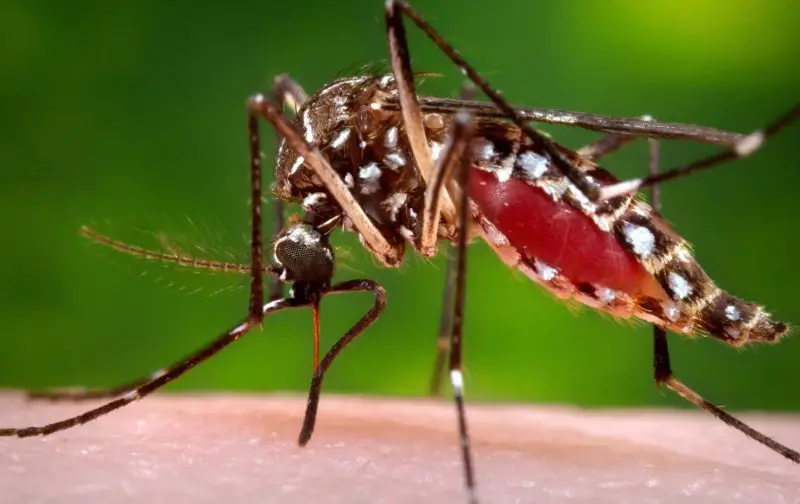
Mosquitoes are part of everyday life in Florida. Warm temperatures, humidity, wetlands, and long summers create nearly perfect breeding conditions. Residents expect the buzzing at dusk, the bites after rain, and the constant need for repellent. What many people don’t think about as often is what these insects may be carrying.
Doctors in Florida continue to pay close attention to mosquito-borne illnesses. Not because outbreaks happen constantly, but because the environment supports diseases that can reappear when conditions line up. Travel, climate shifts, and expanding mosquito ranges all keep the issue relevant.
Understanding what Florida mosquitoes can carry helps explain why health professionals remain watchful, even when things seem quiet.
Why Florida Has So Many Mosquitoes

Florida’s geography makes it one of the most mosquito-friendly places in the United States. The state combines subtropical climate, coastal marshes, freshwater wetlands, urban irrigation, and seasonal storms. Standing water accumulates easily, creating thousands of breeding sites.
Unlike colder states, Florida rarely experiences prolonged freezes that reduce mosquito populations. Some species remain active year-round, especially in southern regions. Rainy seasons amplify the problem by multiplying breeding habitats almost overnight.
This environmental stability means diseases transmitted by mosquitoes never fully disappear. They fluctuate, but the risk always exists.
How Mosquitoes Transmit Disease
Mosquitoes do not naturally “produce” diseases. They become carriers when they feed on infected animals or humans. Once infected, some species can transmit viruses or parasites during later bites.
Female mosquitoes are responsible for transmission because they require blood meals to develop eggs. Their saliva contains compounds that help them feed efficiently, and it is through that saliva that pathogens pass into the bloodstream.
This process explains why even a small number of infected mosquitoes can sustain disease transmission in favorable conditions.
Dengue Fever: A Persistent Concern
Dengue fever remains one of the diseases Florida doctors monitor closely. It is caused by a virus transmitted primarily by the Aedes aegypti mosquito, a species well adapted to urban environments.
Florida occasionally reports locally transmitted dengue cases, usually linked to travel-related introductions. When infected travelers return to Florida and are bitten by local mosquitoes, small clusters can develop.
Symptoms often include fever, severe headaches, joint pain, nausea, and rash. While many cases resolve without complications, severe dengue can become life-threatening.
Doctors worry because dengue has proven capable of reappearing unexpectedly, especially in densely populated coastal communities.
Zika Virus: Lingering Vigilance
Zika virus gained global attention several years ago, particularly due to its connection with birth defects when contracted during pregnancy. Florida experienced localized transmission in the past, prompting aggressive mosquito control and public health campaigns.
Today, cases are rare, but doctors remain vigilant. Zika can spread silently because many infected individuals show mild or no symptoms. That makes early detection challenging.
Monitoring continues because Florida’s climate still supports the mosquitoes capable of carrying the virus. Prevention, rather than reaction, remains the focus.
West Nile Virus: The Most Common Threat
West Nile virus is currently the most frequently reported mosquito-borne illness in many parts of the United States, including Florida. It circulates primarily between mosquitoes and birds, but humans can become incidental hosts.
Most infected people experience mild flu-like symptoms or none at all. However, severe cases can involve neurological complications such as meningitis or encephalitis.
Doctors remain concerned because severe cases, though uncommon, can have lasting effects, especially in older adults or individuals with compromised immune systems.
Regular mosquito surveillance programs exist largely because of West Nile monitoring.
Eastern Equine Encephalitis: Rare but Serious
Eastern Equine Encephalitis, often abbreviated EEE, is rare but carries significant concern due to its severity. It circulates mainly among birds and mosquitoes but occasionally infects humans and horses.
Human cases are uncommon, yet when they occur, symptoms can be severe, including inflammation of the brain. Public health authorities watch for environmental conditions that increase risk, such as heavy rainfall or bird population changes.
Because of its seriousness, even a small number of cases attracts strong medical attention.
Malaria: A Watchful Eye on Imported Cases
Malaria is not endemic in Florida, but occasional locally acquired cases have occurred when infected travelers introduced the parasite into areas with competent mosquito species.
Doctors monitor malaria closely because it can be serious if untreated. Symptoms include fever, chills, fatigue, and headache, often appearing days or weeks after exposure.
Public health systems emphasize rapid detection to prevent localized transmission.
Yellow Fever: Mostly Travel-Related Risk
Yellow fever historically affected parts of the United States, including Florida, but modern vaccination and mosquito control have dramatically reduced risk.
Today, most concern involves travelers returning from regions where yellow fever is active. Doctors stay alert because Florida’s mosquito species could theoretically transmit the virus if introduced.
Preparedness rather than active outbreaks drives medical concern here.
Why Doctors Still Worry Despite Few Outbreaks
Mosquito-borne illnesses often fluctuate unpredictably. A quiet year can be followed by sudden increases if weather patterns, travel, or mosquito populations shift.
Doctors understand that prevention works best before problems escalate. Surveillance, public education, and early diagnosis reduce severe outcomes.
The concern is less about constant danger and more about readiness.
Climate Trends and Expanding Mosquito Ranges
Climate patterns influence mosquito populations significantly. Warmer temperatures extend breeding seasons, while increased rainfall creates new habitats.
Some mosquito species are expanding into areas previously less hospitable. This shift raises questions about future disease patterns.
Florida already supports diverse mosquito species, making it an important region for monitoring changes.
Urban Development and Mosquito Habitats
Urban growth unintentionally creates mosquito breeding sites. Construction zones, irrigation systems, stormwater retention ponds, and residential landscaping all provide standing water.
Even small containers like flower pots, buckets, or clogged gutters can support mosquito larvae.
Doctors and public health officials emphasize community participation because individual property management plays a major role in prevention.
Travel and Global Connectivity
Florida’s tourism industry connects the state to the world. Travelers returning from regions with active mosquito-borne diseases can introduce pathogens into local mosquito populations.
This global connectivity keeps doctors attentive, even when local transmission is low.
Travel medicine consultations increasingly include mosquito prevention advice for this reason.
Symptoms Doctors Encourage People to Recognize
Early recognition improves outcomes. Doctors often advise residents to seek evaluation if fever, rash, severe headaches, joint pain, or unexplained fatigue occur after mosquito exposure.
Many mosquito-borne diseases resemble common viral illnesses initially, making awareness important.
Prompt diagnosis allows supportive care and helps public health authorities monitor trends.
Why Mosquito Control Programs Matter
Florida invests heavily in mosquito control districts. These programs monitor mosquito populations, conduct targeted spraying, eliminate breeding habitats, and educate the public.
Modern mosquito control focuses on precision rather than blanket spraying, aiming to balance environmental considerations with public health.
Doctors rely on these programs to reduce disease risk.
Personal Prevention Still Plays a Big Role
Even with large-scale mosquito control, personal prevention remains essential. Protective clothing, window screens, repellents, and eliminating standing water around homes significantly reduce exposure.
Doctors consistently emphasize prevention because mosquito bites are easier to prevent than diseases are to treat.
Simple habits make measurable differences.
Why Children and Older Adults Get Extra Attention
Children, older adults, pregnant individuals, and people with weakened immune systems may experience more severe outcomes from mosquito-borne illnesses.
Doctors often tailor advice specifically for these groups, encouraging extra caution during peak mosquito seasons.
Community awareness helps protect vulnerable populations.
Pets and Mosquito-Related Health Issues
Mosquitoes also affect pets, especially dogs susceptible to heartworm disease. Veterinarians coordinate with physicians on public health messaging because mosquito control benefits both human and animal health.
This broader perspective reinforces why mosquito monitoring remains important.
The Role of Public Health Education
Education campaigns aim to reduce fear while encouraging practical prevention. Clear communication helps residents understand actual risks without unnecessary alarm.
Doctors often collaborate with public health officials to deliver consistent messaging.
Knowledge supports calm, informed decisions.
Seasonal Patterns Doctors Watch Closely
Mosquito populations typically peak during warmer months and after heavy rains. Doctors anticipate increased patient concerns during these periods.
Surveillance data helps guide prevention messaging and medical readiness.
Seasonal awareness reduces surprise.
Technology and Mosquito Surveillance
Modern surveillance includes trapping, genetic testing, satellite mapping, and predictive modeling. These tools help identify emerging risks earlier than in the past.
Doctors benefit from this information when evaluating patient symptoms.
Science increasingly supports proactive healthcare responses.
Balancing Concern With Perspective
While mosquito-borne illnesses exist, most mosquito bites do not lead to disease. Doctors emphasize balanced awareness rather than fear.
Precautions reduce risk substantially, and early treatment improves outcomes when infections occur.
Perspective helps communities stay informed without panic.
The Future of Mosquito-Borne Disease Monitoring
Research continues into vaccines, mosquito biology, genetic control methods, and improved diagnostics. These efforts aim to reduce disease transmission long term.
Florida remains a key location for research because of its climate and mosquito diversity.
Ongoing study reflects continuing medical interest.
FAQs About Mosquitoes in Florida and Health Risks
What diseases do mosquitoes in Florida commonly carry
Mosquitoes in Florida can carry West Nile virus, dengue, Zika, and occasionally Eastern Equine Encephalitis, though outbreaks are usually limited.
Is West Nile virus still the most common mosquito illness in Florida
Yes, West Nile virus remains the most frequently reported mosquito-borne disease in Florida, though most cases are mild.
Can dengue fever spread locally in Florida
Yes, small localized dengue outbreaks sometimes occur, usually linked to infected travelers introducing the virus.
Should pregnant women worry about Zika in Florida
Zika risk is currently low, but doctors still recommend precautions because of its link to pregnancy complications.
Are mosquito-borne illnesses common for residents
Most mosquito bites do not cause disease, but doctors monitor trends because conditions in Florida support transmission.
When are mosquitoes most dangerous in Florida
Risk tends to increase during warm, rainy months when mosquito populations grow rapidly.
How can residents reduce mosquito bite risk
Using repellent, wearing protective clothing, maintaining screens, and removing standing water help reduce exposure.
Do mosquito control programs really work
Yes, Florida’s mosquito control districts significantly reduce populations and disease risk through monitoring and targeted control.
Can mosquitoes spread malaria in Florida
Malaria is not endemic, but rare locally acquired cases have occurred, usually linked to travel-related introductions.
When should someone see a doctor after mosquito bites
Seek medical advice if fever, rash, severe headache, or unusual fatigue develops after mosquito exposure.
Final Thoughts
Mosquitoes in Florida carry diseases that doctors still monitor carefully, not because outbreaks are constant, but because the environment makes future transmission possible. Dengue, West Nile virus, Zika, and other mosquito-borne illnesses appear intermittently, shaped by climate, travel, and mosquito populations.
Most residents live their lives without serious illness, yet awareness remains important. Preventive habits, mosquito control programs, and early medical evaluation all contribute to keeping risks low.
Understanding what mosquitoes carry replaces vague worry with practical knowledge. And in Florida, where mosquitoes are part of everyday life, that understanding makes a meaningful difference.