
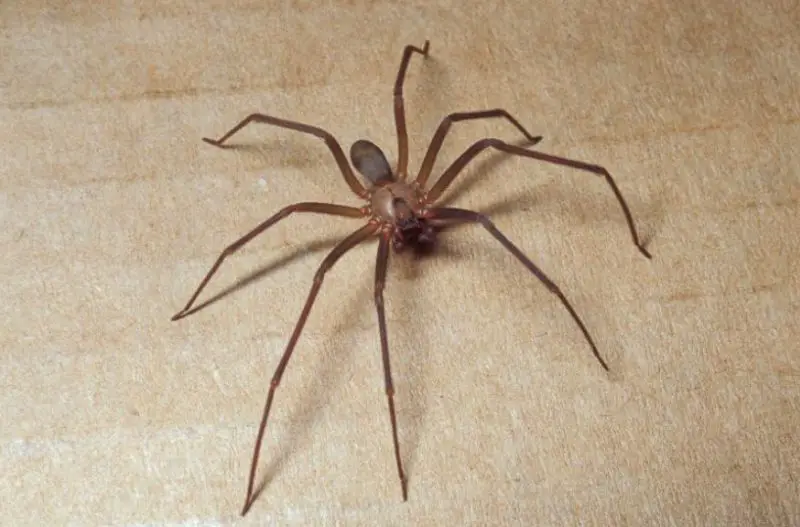
Brown recluse spiders are one of the most talked about household spiders in Missouri. Many people have heard alarming stories about painful bites, skin damage, and hidden infestations. At the same time, a lot of fear comes from misunderstanding rather than actual risk. Missouri sits in the core range of this species, which means encounters are more likely here than in many other states. Still, most homes coexist with these spiders without serious incidents.
Understanding how dangerous brown recluse spiders really are requires a balanced view. They can bite, and in rare cases bites cause medical complications. Yet they are not aggressive hunters of humans. They avoid contact whenever possible and usually bite only when trapped or threatened. Learning how they behave, where they hide, and how to reduce risk helps homeowners stay calm and prepared.
This article explores how dangerous brown recluse spiders actually are in Missouri homes. It covers identification, behavior, bite risk, medical concerns, prevention strategies, and common myths. With accurate information, fear becomes easier to manage and homes become safer.
Understanding the Brown Recluse Spider

What Makes This Spider Unique
The brown recluse spider belongs to the genus Loxosceles. It is best known for its violin shaped marking on the cephalothorax, which leads to the nickname violin spider. Body color ranges from light tan to dark brown. Adults are usually about the size of a quarter including legs.
Unlike many spiders, brown recluses have six eyes arranged in three pairs. Most spiders have eight eyes. This feature helps with scientific identification, although it is difficult to see without magnification.
They also have very fine body hairs and a plain abdomen without bright patterns. These subtle characteristics often lead to misidentification since many harmless spiders resemble them at a glance.
Why Missouri Has So Many
Missouri lies within the natural geographic range of brown recluse spiders. The climate provides warm summers, mild winters compared with northern states, and plenty of sheltered environments. Older homes, wood piles, barns, and cluttered storage areas create ideal hiding spots.
Because they are native rather than invasive in this region, populations remain stable. Homes built decades ago often already contain small populations that residents never notice.
Where Brown Recluse Spiders Hide in Homes
Indoor Hiding Places
Brown recluse spiders prefer dark, undisturbed spaces. Common indoor locations include closets, basements, attics, cardboard boxes, storage bins, and behind furniture. Shoes, folded clothing, and rarely used bedding sometimes provide temporary shelter.
They are not web builders in the traditional sense. Instead they spin irregular silk retreats where they rest during the day. Nighttime activity usually involves wandering in search of insects.
Clutter greatly increases hiding opportunities. Homes with extensive storage areas or infrequent cleaning tend to have more sightings.
Outdoor Habitats That Lead Indoors
Outside the home, these spiders live under logs, rocks, wood piles, and loose bark. Garages and sheds often act as transition zones between outdoor and indoor populations.
Seasonal temperature changes sometimes encourage movement indoors. During colder months spiders seek warmer shelter. During hot dry periods they may search for moisture indoors.
Keeping exterior areas clean reduces the chance of migration inside.
Are Brown Recluse Spiders Aggressive
Typical Behavior Around Humans
Brown recluse spiders are shy by nature. The word recluse accurately reflects their preference for solitude. They do not actively hunt humans or approach people intentionally.
Most bites occur when a spider becomes trapped against skin. This often happens when someone puts on clothing or shoes where a spider is hiding, rolls over in bed, or handles stored items without noticing the spider.
When given an escape route, they almost always retreat rather than bite.
Activity Patterns
These spiders are primarily nocturnal. They hunt insects at night and remain hidden during the day. Because of this schedule, direct encounters are less frequent than many people expect.
Their slow movement and preference for dark spaces reduce visibility. Many homeowners live with them for years without ever seeing one.
How Dangerous Is a Brown Recluse Bite
What Happens During a Bite
Brown recluse venom contains enzymes that can break down tissue. This property causes concern because some bites lead to skin lesions. However, not all bites result in serious reactions.
Many bites cause only mild redness, itching, or temporary discomfort. Some people never realize they were bitten.
Severe reactions occur in a small percentage of cases. Individual immune response plays a major role in outcome.
Typical Symptoms
Early symptoms may include mild stinging followed by redness and swelling. Within several hours a blister may form. Some bites develop into ulcerated lesions over several days.
Systemic symptoms are rare but possible. Fever, fatigue, nausea, and body aches occasionally occur, especially in children or individuals with compromised immune systems.
Most bites heal without long term complications when properly treated.
Why Severe Cases Are Rare
Despite their reputation, medically significant bites are uncommon. Several factors explain this. The spider rarely bites unless pressed. Venom quantity varies. Human immune response differs widely.
In many suspected cases the cause is misdiagnosed skin infection rather than a spider bite. This contributes to exaggerated public fear.
Brown Recluse Spider Risk in Missouri Homes
Realistic Risk Assessment
Missouri residents have a higher chance of encountering brown recluse spiders than people in many other states. However, the probability of serious harm remains low.
Millions of homes in the state contain these spiders with few reported medical emergencies. Awareness and simple precautions greatly reduce risk.
Most bites happen accidentally rather than from infestation severity.
Factors That Increase Risk
Cluttered storage areas increase hiding spots. Poor pest control increases insect prey, which attracts spiders. Infrequent cleaning allows populations to remain unnoticed.
Homes with many cardboard boxes or wood materials also provide ideal shelter. Seasonal temperature shifts can increase indoor movement.
Understanding these factors helps homeowners reduce exposure.
Preventing Brown Recluse Encounters
Household Cleaning Practices
Regular cleaning removes insects and reduces hiding spaces. Vacuuming baseboards, closets, and storage areas helps significantly.
Decluttering is one of the most effective prevention strategies. Organized storage reduces shelter opportunities.
Sealing cracks and gaps around doors, windows, and foundations limits entry points.
Outdoor Maintenance
Keeping firewood away from the house reduces spider migration. Clearing debris, trimming vegetation near walls, and maintaining dry conditions around foundations help.
Proper lighting outdoors can reduce insect attraction, which indirectly reduces spider presence.
These steps lower risk without requiring chemical treatments in most cases.
What To Do If You See One
Safe Removal Methods
If you find a brown recluse spider, avoid direct contact. Use a container to trap it or gently vacuum it. Sticky traps placed along baseboards can help monitor populations.
Professional pest control may be appropriate if sightings increase significantly.
Handling spiders calmly prevents bites.
When Professional Help Is Needed
Large numbers of sightings, repeated bites, or severe anxiety about spiders may justify professional inspection.
Experts can identify species accurately and recommend targeted control measures.
Routine treatment is not always necessary but can provide peace of mind.
Medical Response to a Suspected Bite
Immediate First Aid
Clean the bite area with soap and water. Apply a cool compress to reduce swelling. Elevate the affected limb if possible.
Avoid squeezing the bite. Monitor symptoms over time.
Seeking medical advice is recommended if symptoms worsen.
When to See a Doctor
Increasing pain, spreading redness, fever, or ulcer formation should prompt medical evaluation.
Doctors may prescribe wound care, antibiotics for secondary infection, or other supportive treatment.
Early care improves outcomes.
Common Myths About Brown Recluse Spiders
Myth One They Aggressively Attack People
This is incorrect. They prefer avoidance and bite defensively.
Myth Two Every Bite Causes Severe Necrosis
Most bites remain mild. Severe reactions are relatively rare.
Myth Three They Only Live in Dirty Homes
Even clean homes can host them because they seek shelter rather than filth.
Myth Four You Can Always Identify Them Easily
Many harmless spiders resemble them. Proper identification often requires expertise.
Understanding myths helps reduce unnecessary fear.
Ecological Role of Brown Recluse Spiders
Natural Pest Control
Brown recluse spiders feed on insects such as cockroaches, crickets, beetles, and other household pests. Their presence can actually reduce other insect populations.
Spiders play important roles in ecosystem balance even inside human structures.
Coexistence With Humans
Complete eradication is rarely realistic. Controlled coexistence with preventive measures is often the best approach.
Understanding their ecological role promotes balanced perspective.
Psychological Impact of Spider Fear
Why Fear Persists
Media stories, internet images, and anecdotal reports amplify fear. Lack of accurate information also contributes.
Humans naturally react strongly to venomous animals, even when risk is low.
Education reduces anxiety.
Managing Spider Anxiety
Learning identification skills, improving home maintenance, and understanding real risk helps many people feel safer.
Professional advice can help those with severe arachnophobia.
FAQs About Brown Recluse Spiders in Missouri
Are brown recluse spiders common in Missouri homes
Yes. Missouri lies within their natural range, so sightings are relatively common compared with many other states.
How often do they bite humans
Bites are uncommon and usually accidental. Most spiders avoid human contact.
Can a bite be fatal
Fatalities are extremely rare. Most bites heal with minimal complications.
How can I tell if I was bitten
Definitive diagnosis requires seeing the spider. Many skin conditions mimic bites.
Should I kill every spider I see
Not necessarily. Proper identification is important because many spiders are harmless.
Do pest control treatments work
Yes when targeted properly. Prevention and sanitation often reduce need for chemicals.
Are children at greater risk
Children may experience stronger reactions but severe outcomes remain uncommon.
Can they infest new homes
Yes. Even new construction can provide shelter if conditions are suitable.
Final Thoughts
Brown recluse spiders are a real part of life in Missouri, but their danger is often overstated. They are shy, rarely aggressive, and usually bite only when accidentally disturbed. Most bites result in mild symptoms and heal without major complications.
Awareness, basic home maintenance, and calm response strategies greatly reduce risk. Understanding their behavior replaces fear with practical knowledge. With balanced information, Missouri homeowners can live safely while appreciating the ecological role these misunderstood spiders play.