
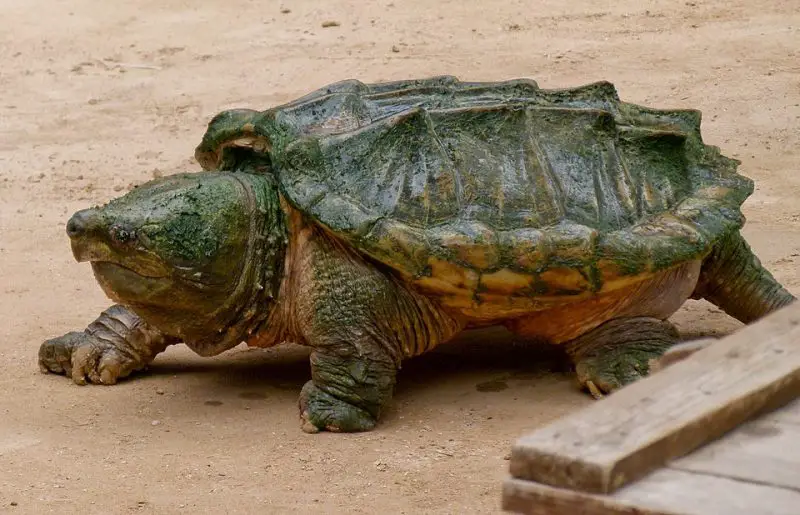
Stories about enormous turtles lurking beneath southern river surfaces have circulated for generations. Anglers talk about something prehistoric brushing against fishing lines. Kayakers describe dark shapes resting along muddy banks. And occasionally, photos appear online showing massive turtles with rugged shells and powerful jaws. Naturally, people begin asking whether these animals are actually alligator snapping turtles and whether they truly live in Texas rivers.
In Texas, where waterways stretch across forests, wetlands, reservoirs, and slow-moving rivers, the question is not just curiosity. It intersects with conservation biology, wildlife safety, ecological balance, and regional identity. Alligator snapping turtles are among North America’s most fascinating freshwater reptiles, but myths often exaggerate their numbers, behavior, and distribution.
Understanding whether they really inhabit Texas rivers requires examining habitat range, historical records, ecological conditions, conservation data, and the biology of these remarkable reptiles.
Understanding the Alligator Snapping Turtle

The alligator snapping turtle (Macrochelys temminckii) is one of the largest freshwater turtles in the world. Adults can weigh well over 150 pounds, with exceptional individuals exceeding 200 pounds. Their distinctive appearance includes a heavily ridged shell, a large triangular head, strong hooked jaws, and a worm-like appendage on the tongue used as a lure to attract prey.
This species evolved as an ambush predator. Rather than actively chasing prey, it remains motionless on river bottoms, opening its mouth and wiggling the lure until fish approach. When prey comes close enough, the turtle snaps shut with remarkable speed and force.
Because of this specialized hunting method, their habitat requirements are very specific.
Natural Range Includes Parts of Texas
Yes, alligator snapping turtles are genuinely found in Texas, but their distribution is not uniform across the state. They occur primarily in eastern Texas, particularly in river systems connected to the Mississippi River basin and Gulf Coastal watersheds.
Major river systems where they may be found include:
-
Sabine River
-
Neches River
-
Trinity River
-
Sulphur River
-
Red River (eastern portions)
Western and arid regions of Texas generally lack suitable habitat for this species.
Why Eastern Texas Provides Ideal Habitat
Eastern Texas has abundant slow-moving rivers, oxbow lakes, swampy wetlands, and forested riparian corridors. These environments provide:
-
Deep water refuges
-
Muddy bottoms for camouflage
-
Stable prey populations
-
Fallen logs and submerged structures
-
Consistent humidity and temperature
Alligator snapping turtles prefer these conditions because they support their ambush feeding strategy and long-term survival.
Why They Are Rarely Seen
Even where present, sightings are uncommon. These turtles spend much of their time submerged and inactive. Their camouflage is excellent, blending with riverbeds and submerged wood.
They also avoid unnecessary surface exposure. Unlike basking turtles, alligator snapping turtles rarely climb onto logs for extended sun exposure.
As a result, many people living near rivers never encounter one directly.
Historical Decline Across the South
Historically, alligator snapping turtles were more widespread. Overharvesting for meat, habitat destruction, water pollution, and incidental capture in fishing gear reduced populations significantly during the twentieth century.
Texas populations experienced similar pressures. Conservation measures now aim to stabilize remaining populations.
Understanding historical decline helps explain why sightings feel rare today.
Conservation Status in Texas
Texas considers the alligator snapping turtle a species of conservation concern. Regulations restrict collection and trade, and wildlife agencies monitor populations carefully.
Research continues to assess population health, reproductive success, and habitat quality.
Conservation programs emphasize habitat protection over captive breeding.
How Habitat Loss Affects Distribution
Urban expansion, agricultural runoff, river modification, and dam construction alter freshwater ecosystems. These changes can:
-
Reduce nesting areas
-
Fragment populations
-
Alter prey availability
-
Increase pollution exposure
Alligator snapping turtles require stable, relatively undisturbed river systems to thrive.
Habitat quality directly influences their presence.
Climate Factors Supporting Texas Populations
Texas climate varies widely, but eastern regions offer warm temperatures conducive to turtle metabolism, growth, and reproduction.
Extended warm seasons allow longer feeding periods and higher reproductive success compared with cooler northern habitats.
Climate suitability alone does not guarantee abundance, but it supports persistence.
Distinguishing Alligator Snapping Turtles From Common Snappers
Many Texans mistake common snapping turtles (Chelydra serpentina) for alligator snapping turtles. While related, they differ significantly.
Alligator snapping turtles have:
-
Three pronounced shell ridges
-
Larger, blockier heads
-
Distinctive tongue lure
-
Generally larger adult size
Common snapping turtles are more widespread and frequently seen.
Misidentification fuels exaggerated reports.
Behavior Around Humans
Despite intimidating appearance, alligator snapping turtles are not aggressive toward humans. In water, they typically avoid confrontation. On land, especially during nesting season, they may defend themselves if threatened.
Most injuries occur when people attempt to handle or provoke turtles.
Respectful distance prevents nearly all incidents.
Feeding Ecology in Texas Rivers
Their diet includes:
-
Fish
-
Crustaceans
-
Amphibians
-
Small reptiles
-
Carrion
-
Occasionally aquatic birds
They contribute to ecosystem health by controlling prey populations and recycling organic matter.
Their role resembles other apex freshwater predators.
Reproductive Biology
Females lay eggs on sandy or soft riverbanks, usually in late spring or early summer. Hatchlings face high mortality due to predators, flooding, and habitat disturbance.
Long lifespans help offset low juvenile survival.
Protecting nesting habitat is crucial for population stability.
Lifespan and Growth Patterns
Alligator snapping turtles grow slowly but live long lives, sometimes exceeding 70 years. Slow maturation makes populations vulnerable to overharvesting.
Adults represent decades of ecological investment.
Conservation prioritizes protecting mature individuals.
Cultural Importance in Texas
These turtles hold cultural significance in southern folklore, fishing communities, and wildlife storytelling traditions.
They symbolize wilderness resilience and ecological heritage.
Public fascination helps drive conservation awareness.
Research and Tracking Efforts
Biologists use radio telemetry, genetic sampling, and habitat surveys to monitor populations. These studies help determine movement patterns, habitat preferences, and threats.
Scientific monitoring informs management decisions.
Data-driven conservation improves outcomes.
Interaction With Fisheries
Accidental capture in fishing gear poses risk. Education programs encourage safe release practices.
Coexistence with fisheries remains a conservation focus.
Responsible angling helps protect turtles.
Pollution Threats
Water pollution affects turtle health through toxin accumulation, habitat degradation, and prey loss.
Industrial runoff, agricultural chemicals, and plastic pollution all pose challenges.
Cleaner waterways support healthier populations.
Road Mortality Concerns
Turtles crossing roads near rivers during nesting season face vehicle collisions.
Wildlife crossings and public awareness reduce mortality.
Small changes can have significant impact.
Predators and Natural Threats
Adults have few natural predators, but eggs and hatchlings face numerous threats, including raccoons, birds, fish, and other reptiles.
Balanced ecosystems support recruitment.
Predator pressure shapes survival rates.
Myths About Aggression
Legends exaggerate their bite strength and aggression. While bites can be serious if mishandled, attacks on humans are extremely rare.
Education replaces fear with respect.
Understanding behavior improves safety.
Ecological Role as Keystone Species
Their feeding habits influence fish populations, nutrient cycling, and freshwater ecosystem stability.
Removing apex freshwater predators can disrupt ecological balance.
Protecting turtles supports broader biodiversity.
Legal Protections and Regulations
Texas wildlife regulations restrict harvesting and trade. Permits are required for research, relocation, or captivity.
Legal frameworks help prevent exploitation.
Compliance supports conservation.
Public Education Campaigns
Wildlife agencies promote awareness through outreach programs, signage near waterways, and community engagement.
Education reduces accidental harm.
Informed communities protect wildlife better.
Future Outlook for Texas Populations
Continued habitat protection, pollution reduction, and public cooperation will determine long-term stability.
Climate change, land use patterns, and water management policies will influence future distribution.
Conservation success requires sustained effort.
FAQs About Alligator Snapping Turtles in Texas Rivers
Are alligator snapping turtles really found in Texas
Yes. They live mainly in eastern Texas rivers and wetlands where slow water, deep channels, and forested habitats exist.
Which Texas rivers have alligator snapping turtles
They are most often associated with eastern river systems such as the Trinity, Neches, Sabine, and parts of the Red River basin.
Are they common across all Texas rivers
No. They are localized to suitable habitats and are rarely seen even where populations exist.
Are alligator snapping turtles dangerous to people
They are not aggressive in water but can defend themselves strongly if handled on land, so distance is safest.
How can you tell them from common snapping turtles
Alligator snappers have ridged shells, larger heads, and a worm-like tongue lure, while common snappers have smoother shells.
Why are sightings so rare
They spend most of their time underwater, are well camouflaged, and avoid unnecessary surface activity.
Are they protected in Texas
Yes. They are considered a species of conservation concern, and harvesting or trade is regulated.
What do they eat in Texas rivers
Their diet includes fish, amphibians, crustaceans, carrion, and occasionally small aquatic animals.
What threats do they face today
Habitat loss, pollution, road mortality during nesting season, and historical overharvesting remain key challenges.
What should someone do if they see one
Observe from a safe distance, avoid handling it, and report unusual sightings to wildlife authorities if needed.
Final Thoughts
Yes, alligator snapping turtles are genuinely found in certain Texas rivers, particularly in the eastern portion of the state where slow-moving waterways, wetlands, and suitable ecological conditions persist. However, they are not widespread across all Texas rivers, and sightings remain relatively uncommon due to their elusive behavior and historical population decline.
These remarkable turtles represent an important part of Texas freshwater ecosystems. Protecting their habitats, understanding their biology, and replacing myth with scientific knowledge helps ensure they remain part of the state’s natural heritage for generations to come.