
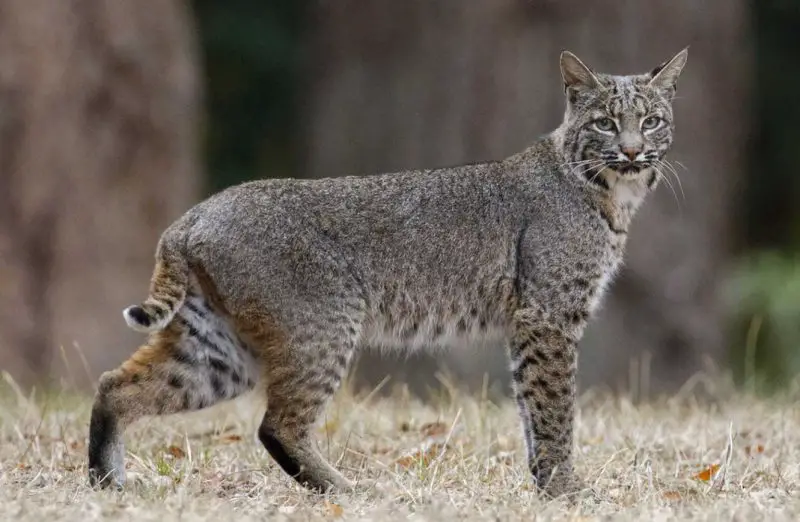
The question surfaces often wherever wildlife and suburban life overlap. A bobcat sighting near a neighborhood. A missing outdoor cat. A blurry trail camera photo. Soon the speculation starts. Could bobcats be breeding with feral cats? Could hybrids be roaming quietly through Louisiana’s wetlands, forests, and backyards?
In Louisiana, where bobcats remain widespread and feral cat populations are common, curiosity about possible interbreeding makes sense. The idea feels plausible at first glance. Both are cats. Both hunt similar prey. Both occasionally share overlapping habitats. But when biology, genetics, behavior, and ecological context are examined closely, the answer becomes far more nuanced than rumor suggests.
Understanding whether bobcats can breed with feral cats requires looking beyond appearances to evolutionary relationships, reproductive compatibility, wildlife behavior, and the realities of predator–prey interactions in Louisiana.
Understanding the Bobcat in Louisiana

Bobcats are native to Louisiana and thrive across a wide range of habitats. They inhabit forests, marshes, swamps, agricultural edges, and even suburban green corridors. Unlike larger predators that require vast wilderness, bobcats adapt well to fragmented landscapes.
They are solitary animals, primarily nocturnal, and extremely elusive. Most people never see one directly, even if bobcats live nearby. Trail cameras often reveal their presence long before residents notice.
Dietarily, bobcats hunt rabbits, rodents, birds, reptiles, and occasionally larger prey. Their adaptability has helped them remain stable across much of North America while other predators declined.
Feral Cats in Louisiana’s Ecosystem
Feral cats exist in large numbers throughout Louisiana. Warm temperatures, abundant food sources, and urban–wildland edges support thriving populations. Some feral cats descend from abandoned pets, while others have lived independently for generations.
These cats form loose colonies near food sources such as dumpsters, farms, docks, and residential areas. Their presence influences local wildlife populations, particularly birds and small mammals.
Because they occupy similar ecological niches as small predators, encounters with bobcats occasionally occur.
Evolutionary Distance Between Bobcats and Domestic Cats
Bobcats belong to the species Lynx rufus, while domestic cats belong to Felis catus. Although both are felines, they diverged evolutionarily millions of years ago.
That evolutionary separation matters. Closely related species sometimes hybridize, but more distant relatives typically cannot produce viable offspring. Genetic compatibility decreases with evolutionary distance.
This is one of the strongest biological reasons hybridization between bobcats and feral cats is considered extremely unlikely.
Scientific Evidence on Hybridization
Despite frequent rumors, there is no verified scientific evidence of successful bobcat–domestic cat hybrids in the wild. Wildlife biologists, genetic researchers, and veterinarians have investigated claims over the years, often prompted by unusual-looking cats.
DNA testing consistently shows either pure domestic cats or pure bobcats, not hybrids.
The absence of confirmed hybrids, despite extensive monitoring, suggests biological barriers are significant.
Physical Size Differences Create Barriers
Bobcats typically weigh between 15 and 35 pounds, though larger individuals occur. Domestic cats usually weigh between 8 and 12 pounds. This size difference affects courtship behavior, mating mechanics, and dominance interactions.
Physical compatibility alone makes successful breeding improbable.
In wildlife encounters, size differences more often signal predation risk rather than mating opportunity.
Behavioral Differences Reduce Interaction
Behavioral ecology plays a major role. Bobcats are territorial and solitary, while feral cats often live in loose social groups. Bobcats maintain defined territories and avoid unnecessary interaction with other predators.
Courtship behaviors differ as well. Vocalizations, scent marking, seasonal cycles, and social cues vary significantly between species.
These behavioral mismatches reduce the likelihood of mating attempts.
Predator–Prey Dynamics Matter
A crucial factor often overlooked is predatory instinct. Bobcats hunt animals similar in size to domestic cats. While predation on feral cats is not routine, it does occur in some regions.
This dynamic further reduces the chance of reproductive interaction. Predators rarely view potential prey as mates.
Understanding ecological roles clarifies why hybridization rumors persist but lack evidence.
Habitat Overlap in Louisiana
Louisiana’s wetlands, forests, and suburban edges create shared landscapes for wildlife and feral cats. Drainage canals, agricultural margins, wooded subdivisions, and coastal marshes all provide habitat connectivity.
This overlap explains occasional sightings of bobcats near residential areas. However, proximity does not equal reproductive interaction.
Most encounters involve avoidance, not engagement.
Why Rumors Continue to Circulate
Wildlife myths often persist because they combine mystery with limited visibility. Bobcats are elusive. Feral cats are common. Unusual-looking cats attract attention.
Without genetic testing, visual identification alone cannot confirm hybrid status.
Stories spread faster than scientific verification.
Media Influence and Social Sharing
Photos of large or oddly colored cats circulate widely online. Headlines suggesting hybrid animals attract clicks and curiosity. Over time, speculation solidifies into perceived fact.
Wildlife professionals frequently spend time correcting misidentified sightings.
Public education remains ongoing.
Genetic Testing in Wildlife Research
Modern wildlife genetics uses advanced DNA analysis to identify species accurately. Hair samples, scat, tissue, and saliva can all provide genetic information.
These tools make hybrid detection reliable.
So far, they have not confirmed bobcat–domestic cat hybrids in Louisiana or elsewhere.
Health Concerns Beyond Hybridization
While breeding is unlikely, disease transmission between feral cats and wildlife is possible. Parasites, viruses, and bacteria can move indirectly between species through shared environments.
Veterinarians often emphasize vaccination and responsible pet management to reduce these risks.
Disease ecology sometimes matters more than hybridization.
Conservation Implications
Bobcats are not endangered in Louisiana, but responsible wildlife management still matters. Maintaining balanced ecosystems supports biodiversity.
Feral cat populations, when unmanaged, can affect native wildlife significantly. This ecological impact receives more scientific attention than hybridization concerns.
Management strategies vary by region.
Ethical Considerations Around Feral Cats
Feral cat management involves ethical debates. Trap–neuter–return programs, adoption initiatives, and wildlife protection policies intersect.
Balancing animal welfare with ecosystem health requires careful policy decisions.
Public participation shapes outcomes.
Climate Factors in Louisiana
Louisiana’s warm, humid climate supports year-round wildlife activity. This increases encounter potential but does not change genetic compatibility between species.
Climate influences ecology, not reproductive biology.
Understanding that distinction prevents misconceptions.
Human Development and Wildlife Encounters
Urban expansion into wetlands and forests increases wildlife visibility. People notice bobcats more frequently when development encroaches on habitat.
These encounters often trigger questions about hybridization.
Habitat planning can reduce conflict.
Identifying Bobcats Versus Large Feral Cats
Bobcats have short “bobbed” tails, ear tufts, spotted coats, and longer legs relative to body size. Feral cats vary widely in appearance but generally lack these consistent traits.
Occasionally, large feral cats resemble small bobcats superficially.
Visual similarity alone does not indicate hybridization.
What Wildlife Experts Consistently Say
Biologists generally agree on several points. Bobcats and domestic cats are genetically distant. Successful hybridization is extremely unlikely. Most reported hybrids are misidentified animals.
Scientific consensus remains strong.
Education helps bridge perception gaps.
Safety Considerations for Pet Owners
Outdoor cats face risks from vehicles, disease, other animals, and environmental hazards. Bobcats represent one potential risk among many.
Keeping cats indoors or supervised reduces exposure significantly.
Veterinarians commonly recommend indoor lifestyles.
Ecological Role of Bobcats
Bobcats help regulate rodent populations and maintain ecosystem balance. Their presence often indicates healthy habitats.
Protecting native predators supports biodiversity.
Misunderstanding them can lead to unnecessary fear.
Responsible Wildlife Coexistence
Simple measures improve coexistence. Secure garbage, supervise pets outdoors, maintain natural buffers, and respect wildlife space.
Community awareness reduces conflict.
Coexistence benefits both humans and animals.
The Future of Research on Hybridization
Genetic technology continues advancing. If hybridization were occurring, researchers would likely detect it through ongoing monitoring.
So far, evidence remains absent.
Science evolves with data.
FAQs About Bobcats and Feral Cats in Louisiana
Can bobcats really breed with feral cats
No verified scientific evidence shows bobcats breeding successfully with feral cats. Genetic differences make hybridization extremely unlikely.
Are bobcats dangerous to domestic or feral cats
Bobcats may occasionally prey on small animals, including cats, but encounters are uncommon and usually happen in rural or edge habitats.
Where are bobcats most common in Louisiana
They live across forests, wetlands, farmland edges, and sometimes suburban green spaces, though they usually avoid direct human contact.
Why do people think bobcat hybrids exist
Large feral cats, unusual coat patterns, or brief sightings often lead to misidentification and speculation about hybrids.
Could DNA testing detect a bobcat–cat hybrid
Yes. Modern wildlife genetics would identify hybrid ancestry quickly, and no confirmed cases have been documented.
Do feral cats affect wildlife in Louisiana
Yes. Feral cats can impact bird and small mammal populations and sometimes transmit parasites or diseases to wildlife.
Should pet owners worry about bobcats
Risk is generally low, but keeping cats indoors or supervised outdoors reduces exposure to wildlife hazards.
What attracts bobcats near neighborhoods
Rodents, unsecured trash, pet food left outside, and habitat encroachment can draw wildlife closer to residential areas.
Are bobcats protected in Louisiana
Regulations vary, but wildlife agencies manage populations carefully to maintain ecological balance.
What helps reduce wildlife–pet conflict
Secure food sources, supervise pets, maintain yards, and respect natural habitat boundaries to minimize encounters.
Final Thoughts
The idea that bobcats in Louisiana breed with feral cats captures imagination, but current scientific evidence does not support it. Evolutionary distance, physical differences, behavioral patterns, and ecological roles all make successful hybridization extremely unlikely.
Encounters between bobcats and feral cats are more likely to involve avoidance or predation rather than reproduction. Responsible pet ownership, habitat awareness, and continued scientific monitoring help maintain healthy ecosystems while minimizing unnecessary concern.
Understanding wildlife biology replaces speculation with clarity. And in Louisiana’s diverse landscapes, that clarity helps both wildlife and communities coexist more effectively.