What Velvet Ants Actually Are

Not Ants but Solitary Wasps
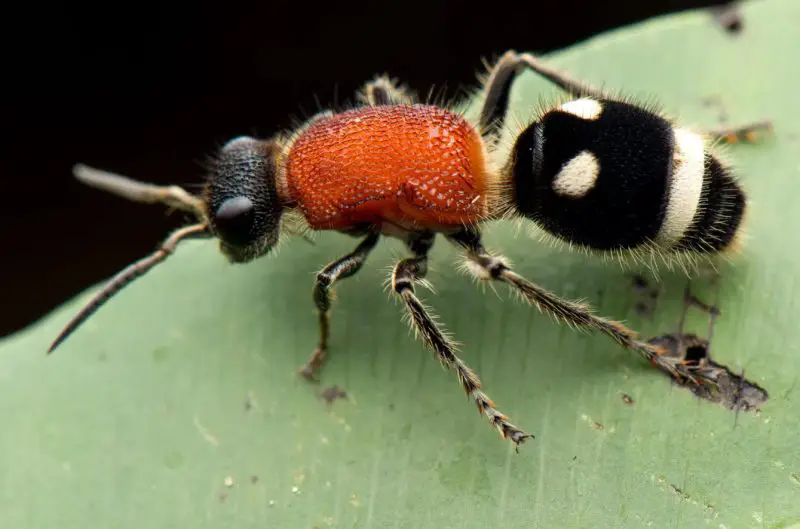
Velvet ants belong to the wasp family Mutillidae, a diverse group of solitary wasps known for their striking appearance and powerful defensive adaptations. Despite their common name, they are not ants at all. The name comes from their dense covering of fine hairs that create a soft, velvety look. Female velvet ants lack wings and resemble large ants moving quickly across the ground, while males usually have wings and appear more like traditional wasps.
This unusual appearance often leads to confusion. Many people assume they are aggressive ants, invasive pests, or highly dangerous insects. In reality, they are native species that play specific ecological roles in natural environments. They are not social insects, do not form large colonies, and rarely interact with humans unless accidentally disturbed.
Their fuzzy body covering serves several functions. It provides insulation against heat, enhances warning coloration that signals danger to predators, and offers some physical protection. This combination of traits makes them well adapted to outdoor habitats in North Carolina.
The “Cow Killer” Nickname
One velvet ant species commonly seen in North Carolina is often nicknamed the “cow killer.” The name sounds dramatic, but it is exaggerated folklore rather than scientific fact. Velvet ants do not kill livestock. The nickname reflects the intense pain people sometimes experience when stung.
Scientific studies confirm the sting is very painful but rarely medically serious. Pain perception varies widely among individuals, which explains why stories range from mild discomfort to extremely memorable experiences. The sting is defensive rather than aggressive, usually occurring only when the insect is handled or accidentally pressed.
Even though the nickname overstates the danger, it does highlight an important point. These insects should be respected and left undisturbed.
Where Velvet Ants Live in North Carolina
Preferred Habitats
Velvet ants typically prefer dry, sandy, or lightly vegetated environments. Open woodlands, grassy meadows, coastal dunes, gardens, park trails, and sunny field edges all provide suitable habitat. These areas offer the soil conditions necessary for the insects whose nests velvet ants parasitize.
See also 6 Types of Squirrels in Missouri (With Pictures and Identification)
North Carolina’s varied geography supports multiple velvet ant species. Coastal regions with sandy soils, the Piedmont’s open woodland landscapes, and certain foothill areas all provide appropriate conditions. Even suburban yards with sandy patches or sparse vegetation may occasionally host them.
Because velvet ants do not build their own nests but instead lay eggs in other insects’ nests, soil type strongly influences their distribution. Areas supporting ground nesting bees and wasps often attract velvet ants.
Seasonal Activity
Velvet ants are most visible during warmer months. Late spring through early fall typically marks peak activity. During this time, females actively search the ground for host nests in which to lay eggs.
Their rapid ground movement increases the chance of human encounters, especially during outdoor activities such as gardening, hiking, or lawn maintenance. Many sightings occur when people notice a brightly colored insect moving quickly across open soil.
Peak activity often overlaps with outdoor recreation seasons in North Carolina. This seasonal overlap contributes to heightened awareness and occasional concern.
Why Their Sting Is So Painful
Venom Composition
Velvet ant venom contains defensive compounds that stimulate pain receptors intensely. These chemicals evolved primarily to deter predators rather than capture prey. The immediate sharp pain helps ensure that predators quickly learn to avoid them in the future.
Although the sting feels severe, it typically remains localized. Most healthy individuals experience pain, redness, and mild swelling without serious complications. Systemic reactions are uncommon unless a person has a specific allergy.
Scientists view this venom potency as an evolutionary adaptation rather than a sign of unusual danger.
Evolutionary Defense Strategy
Unlike social wasps, velvet ants live solitary lives. They lack the protection of a colony or worker defenders. As a result, strong individual defenses are essential for survival.
Bright warning colors serve as visual signals to predators. Birds, reptiles, and small mammals often learn quickly that brightly colored velvet ants deliver unpleasant stings.
The painful sting reinforces this warning signal effectively. Predators that encounter one velvet ant usually avoid similar insects afterward.
How Velvet Ants Use Their Sting
Defensive Rather Than Aggressive
Velvet ants do not actively pursue humans or animals to sting them. Most stings occur when someone accidentally steps on them, handles them, or traps them against skin or clothing.
Their typical response to disturbance is escape. They move quickly across the ground to avoid threats. However, if escape is impossible, they use their sting defensively.
Understanding this defensive behavior explains why most encounters are accidental rather than aggressive.
Female Only Stings
Only female velvet ants can sting because the stinger is actually a modified egg laying organ. Males lack this structure and cannot sting, though they may appear more wasp like due to their wings.
Females are wingless and spend most of their time walking on the ground. This increases the likelihood of accidental human contact compared with flying insects.
Knowing that only females sting helps clarify risk and reduces unnecessary fear when observing winged males.
See also The Strange Shifts of Beetle Populations in Montana Pine Forests
Typical Sting Symptoms
Immediate Effects
A velvet ant sting typically produces immediate sharp pain, often described as burning or piercing. Redness and swelling usually follow within minutes. The intensity varies widely depending on individual sensitivity.
Pain may last from several minutes to a few hours. In some cases mild tenderness persists longer, but serious complications remain rare.
Most reactions stay localized to the sting site.
Possible Secondary Symptoms
Mild itching, swelling, or temporary skin sensitivity may continue for a day or two. These symptoms usually resolve without medical treatment.
Allergic reactions are uncommon but possible with any wasp sting. Symptoms such as difficulty breathing, widespread swelling, or dizziness require medical attention.
For most people, basic first aid and observation are sufficient.
Why Fear Is So Common in North Carolina
Visual Appearance
Velvet ants look very different from familiar household insects. Bright red, orange, or black coloration naturally signals danger to humans, even without prior knowledge. Their fuzzy texture and quick movements make them especially noticeable.
Unexpected encounters increase perceived threat. Many people first notice velvet ants while gardening or walking barefoot outdoors, which heightens concern.
Visual distinctiveness plays a major role in their reputation.
Cultural Stories and Local Warnings
Stories about velvet ant stings circulate widely in many communities. These accounts often emphasize the intensity of pain, sometimes exaggerating risk. Such stories can persist across generations.
While these warnings encourage caution, they sometimes create unnecessary fear. Balanced education helps people understand both the risks and the ecological value of these insects.
Replacing myths with accurate information promotes coexistence.
Ecological Role of Velvet Ants
Parasitic Lifecycle
Velvet ants are parasitoids. Females locate nests of ground nesting bees or wasps and lay eggs inside. Their larvae develop by consuming the host larva or stored food within the nest.
This behavior may sound harsh, but it is a normal ecological process. It helps regulate populations of certain insects and contributes to ecological balance.
Parasitoid relationships are common in many insect groups.
Importance in Ecosystems
Velvet ants contribute indirectly to ecosystem stability by influencing insect population dynamics. Their presence often indicates diverse insect communities and healthy soil conditions.
Despite their sting, they serve beneficial ecological roles. Most interactions with humans remain accidental and avoidable.
Recognizing their ecological importance encourages more balanced perspectives.
Preventing Velvet Ant Stings
Awareness Outdoors
Simple awareness prevents most stings. Watching where you step in sandy or grassy areas reduces accidental contact. Wearing shoes outdoors offers excellent protection.
Avoid handling unfamiliar insects. Even brightly colored insects that appear harmless may have defensive stings.
Education and observation provide effective prevention.
Yard Maintenance
Maintaining lawns, reducing debris, and managing sandy open areas may limit habitat suitability. However, complete elimination is rarely necessary.
Velvet ants usually remain outdoors and do not infest homes. Balanced maintenance protects safety while respecting ecological roles.
Moderation works better than aggressive extermination.
What To Do If Stung
Immediate First Aid
Clean the sting site gently with soap and water. Applying a cold compress helps reduce swelling and discomfort. Over the counter pain relief may ease symptoms if needed.
See also 5 Squirrels in Tennessee (With Pictures and Identification)
Avoid scratching to prevent infection. Most symptoms resolve naturally within a short time.
Monitoring the area ensures proper healing.
When Medical Care Is Needed
Seek medical attention if symptoms of allergic reaction appear. Difficulty breathing, severe swelling, or dizziness require prompt evaluation.
Although rare, such reactions can occur with any stinging insect.
Preparedness and awareness ensure safe outcomes.
Myths About Velvet Ants
Myth: They Are Extremely Aggressive
Velvet ants are defensive insects that prefer avoidance. Most stings occur only when they are disturbed accidentally.
Myth: The Sting Is Deadly
The sting is painful but rarely dangerous. Serious complications are uncommon.
Myth: They Invade Homes Frequently
Velvet ants typically remain outdoors. Indoor sightings are unusual.
Accurate knowledge reduces unnecessary fear.
Comparing Velvet Ants With Other Stinging Insects
Versus Fire Ants
Fire ants live in colonies and may sting repeatedly when nests are disturbed. Velvet ants are solitary and usually sting only once defensively.
Fire ants tend to cause more frequent human encounters in populated areas.
Understanding these differences helps contextualize risk.
Versus Paper Wasps
Paper wasps defend nests aggressively and may sting when people approach. Velvet ants lack large nests and do not defend territories in the same way.
Their defensive patterns differ significantly.
This comparison helps clarify why velvet ant encounters are typically accidental.
Why Education Matters
Reducing Panic
Accurate information reduces fear and prevents overreaction. Understanding behavior helps people respond calmly rather than aggressively.
Education also reduces unnecessary pesticide use.
Balanced awareness promotes coexistence.
Supporting Conservation
Even stinging insects contribute to ecological balance. Respectful coexistence benefits biodiversity and ecosystem health.
Education bridges fear and understanding, allowing people to appreciate wildlife while maintaining safety.