
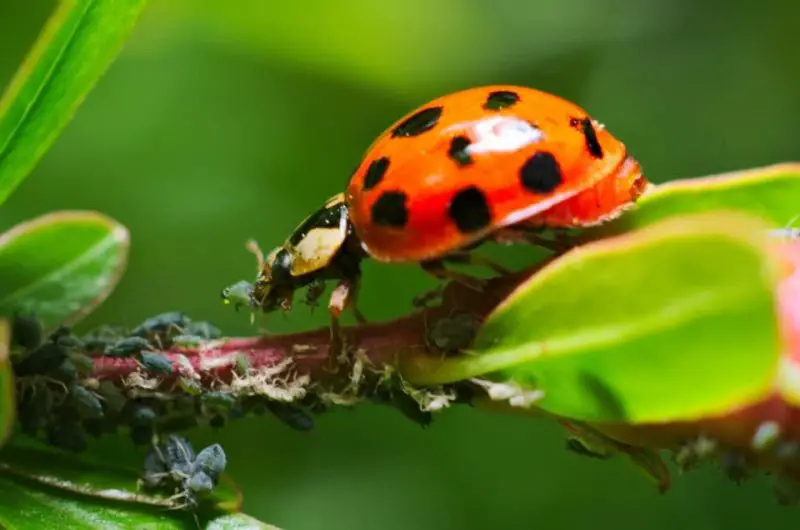
Ladybugs are among the most familiar and welcome insects in Iowa gardens, fields, orchards, and even backyards. Their bright red, orange, or yellow shells spotted with black dots make them instantly recognizable. But behind their familiar look is an incredibly important ecological role. Ladybugs are powerful natural pest controllers, and what they eat explains exactly why Iowa gardeners consider them some of the most valuable insects in the state.
Ladybugs are not passive, decorative insects. They are hunters. Their diet shapes plant health, reduces pest populations, and helps maintain ecological balance without chemicals. Whether they are living in farm fields, backyard vegetable gardens, prairie edges, or urban landscaping, ladybugs spend most of their lives eating — and what they choose to eat directly determines how healthy Iowa plants remain.
This article explains what ladybugs eat in Iowa, how their diet changes across life stages and seasons, how they help gardeners and farmers, which species are most common, and why encouraging ladybugs is one of the smartest things any Iowa gardener can do.
Ladybugs Are Carnivorous Pest Hunters

Many people are surprised to learn that ladybugs are primarily carnivores. Unlike butterflies and bees that feed on nectar, most ladybugs are predators whose main purpose in nature is pest control.
Their favorite food is soft-bodied insects that damage plants, especially sap-sucking pests. By eliminating these pests, ladybugs protect crops, flowers, grasses, shrubs, and trees across Iowa’s agricultural and natural landscapes.
Their prey choice explains why gardeners love them.
The Number One Food Ladybugs Eat in Iowa: Aphids
If ladybugs had a favorite meal, it would unquestionably be aphids. Iowa has dozens of aphid species, and nearly all of them damage plants. Aphids suck sap from stems, leaves, and buds, weakening plants and spreading disease.
Ladybugs see aphids as food, not a problem.
Ladybugs Eat Massive Numbers of Aphids
One adult ladybug can eat 50 to 60 aphids per day under ideal conditions. Over a lifetime, a single ladybug may consume thousands.
Ladybug larvae — which look nothing like adult ladybugs — eat even more aggressively. Because they are in rapid growth stages, their hunger level is extreme. A single larva can devour hundreds of aphids before it even becomes an adult.
Where Ladybugs Find Aphids in Iowa
Ladybugs hunt aphids on:
-
vegetable plants
-
soybean and corn fields
-
rose bushes
-
fruit trees
-
maple, oak, elm, and other shade trees
-
prairie plants
-
landscaping shrubs
If a plant has aphids, ladybugs will eventually find it.
This natural predator relationship is one of the strongest reasons Iowa gardeners and farmers value ladybugs so highly.
Ladybugs Also Eat Other Garden Pests
While aphids are their favorite food, Iowa ladybugs do not survive on aphids alone. When aphids are scarce, they adapt and hunt other destructive insects.
Common Pests Ladybugs Eat in Iowa
Ladybugs also feed on:
-
mites
-
scale insects
-
mealybugs
-
thrips
-
whiteflies
-
small insect eggs
-
tiny caterpillars
-
leafhopper nymphs
These pests cause significant damage to Iowa gardens and crops, especially during warm seasons. Ladybugs reduce their populations naturally.
Why This Matters in Iowa Agriculture
Iowa agriculture is deeply important to the state’s ecosystem and economy. Farmers rely on natural pest management to reduce pesticide use. Ladybugs help:
-
protect soybean plants from aphid outbreaks
-
support corn pest control ecosystems
-
protect orchards and berry fields
-
support prairie restorations
Ladybugs reduce the need for harsh chemicals while sustaining crop strength. Their diet directly benefits Iowa’s agricultural success.
Ladybug Larvae Eat Even More Than Adults
To truly understand their impact, it’s important to consider ladybug larvae. Many people mistake ladybug larvae for pests and kill them — a major mistake.
What Ladybug Larvae Look Like
Ladybug larvae are:
-
black or dark gray
-
often with orange or yellow spots
-
long-bodied and alligator-shaped
They do not look anything like adult ladybugs, which leads to confusion.
Ladybug Larvae Are Relentless Hunters
Larvae are extremely hungry because they grow rapidly. They eat:
-
aphids
-
mites
-
soft-bodied insects
-
small caterpillars
A single larva can consume 400 or more prey insects before pupating. During peak summer aphid outbreaks in Iowa, larvae are one of nature’s most powerful pest control forces.
For gardeners, recognizing and protecting larvae is critical.
What Do Ladybugs Eat When Pests Are Scarce?
Ladybugs are flexible eaters. Iowa weather changes dramatically across seasons. Summer may produce huge pest populations, while cooler or drier periods may reduce them. Ladybugs need alternative food sources to survive those shifts.
Ladybugs Eat Pollen When Necessary
If insects become scarce, ladybugs can survive on pollen. Flowers provide backup nutrition that keeps ladybugs alive until insects return.
In Iowa, ladybugs may feed on pollen from:
-
daisies
-
goldenrod
-
milkweed
-
zinnias
-
clover
-
prairie flowers
This ability keeps populations stable even during low prey cycles.
Ladybugs Sometimes Eat Nectar
Nectar gives energy when hunting food sources drop. It also keeps ladybugs hydrated during dry Iowa summers.
Some Ladybugs Eat Fungi or Plant Material
A few species supplement their diet with:
-
fungal spores
-
mildew
-
decaying plant matter
These aren’t their primary foods, but they help during shortages.
Ladybugs Can Even Eat Other Insects
In survival situations, ladybugs may turn cannibalistic. They may eat:
-
insect eggs
-
weak larvae
-
smaller insects
This is rare but part of survival adaptation.
Different Ladybug Species Eat Different Things
Iowa has both native and introduced ladybug species. Each species has slightly different dietary strengths.
Native Iowa Ladybugs
Native species include:
-
Nine-spotted Ladybug
-
Two-spotted Ladybug
-
Convergent Ladybug
These have been in Iowa ecosystems long before human development. They prefer aphids and plant pests.
Asian Lady Beetles (Harmonia axyridis)
Asian lady beetles were introduced to help control crop pests. They are extremely effective hunters but are also the species most likely to enter homes in fall.
They eat:
-
aphids
-
scale insects
-
agricultural pests
While sometimes annoying indoors, they are still beneficial outdoors.
Seasonal Changes Affect What Ladybugs Eat in Iowa
Iowa experiences dramatic seasonal changes. Each season shifts ladybug diet behavior.
Spring: Ladybugs Wake Up Hungry
As temperatures warm, overwintering ladybugs emerge searching for food. Spring brings early:
-
aphids
-
mites
-
soft-bodied insects
Spring feeding strengthens their bodies and prepares females for egg-laying.
Ladybugs lay eggs near heavy aphid populations, ensuring their larvae will have plenty to eat.
Summer: Peak Feeding and Pest Control
Summer is when ladybugs do the most pest control in Iowa. Plant growth is at its peak, and pest insects multiply rapidly.
Ladybugs eat:
-
massive aphid populations
-
mites during drought conditions
-
thrips and whiteflies
-
insect eggs
Summer is also when ladybugs reproduce most actively. Both adults and larvae feed continuously.
Fall: Transition and Reduced Food Availability
As temperatures drop and plants fade, insects become less abundant.
Ladybugs:
-
shift toward pollen or nectar
-
reduce activity
-
begin preparing for overwintering
This period marks the decline of active hunting but does not eliminate feeding completely.
Winter: Food Stops, Survival Begins
Most Iowa ladybugs overwinter outdoors, not indoors. They hide:
-
under bark
-
in wood piles
-
inside tree cavities
-
between rocks
-
in sheltered forest edges
During winter, they do not eat. They enter a semi-dormant state powered by stored fat reserves.
This cycle resumes again in spring.
Why Iowa Gardeners Love Ladybugs
Ladybugs aren’t just “cute insects.” They are powerful allies.
Ladybugs Provide Natural Pest Control
They reduce:
-
aphid outbreaks
-
plant deformity
-
stunted growth
-
disease spread caused by sap-sucking insects
By simply existing in a garden, they replace chemical solutions.
Ladybugs Help Reduce Chemical Pesticide Use
Chemical pesticides:
-
damage beneficial insects
-
risk pollinator safety
-
harm soil biology
-
contaminate ecosystems
Ladybugs allow gardeners to avoid or reduce pesticide use. That means healthier gardens and safer environments.
Ladybugs Protect Fruits, Vegetables, and Flowers
In Iowa gardens, ladybugs help protect:
-
tomatoes
-
peppers
-
roses
-
beans
-
strawberries
-
cucumbers
-
orchard trees
-
native prairie plants
They defend both food-producing plants and decorative ones.
Ladybugs Help Iowa Farmers
In large-scale agriculture, especially soybean and corn fields, ladybugs help manage pest explosions naturally. Fewer pests mean healthier yields and more sustainable farming.
Ladybugs Support Ecological Balance
They are part of a balanced ecosystem. When ladybugs thrive, supporting insects and plants thrive too.
How to Attract Ladybugs to Iowa Gardens
If you want ladybugs, you must create conditions they appreciate.
Plant Food Sources They Love
Ladybugs are attracted to:
-
dill
-
fennel
-
yarrow
-
cosmos
-
daisies
-
goldenrod
-
marigolds
-
buckwheat
These plants provide shelter and nectar when prey is absent.
Avoid Heavy Pesticide Use
Pesticides kill ladybugs directly or wipe out their food supply. Sustainable gardening practices help maintain beneficial insect populations.
Provide Habitat and Water
Ladybugs need:
-
shady resting areas
-
shallow water sources
-
nearby pollen-producing flowers
-
dense foliage zones
Small water dishes with pebbles help ladybugs drink safely.
Do Not Kill Ladybug Larvae
Many gardeners mistakenly kill larvae thinking they are harmful. Learning to recognize ladybug larvae protects future adult populations.
Why Some Ladybugs Enter Iowa Homes
Asian lady beetles often enter homes in late fall. They are seeking warm overwinter shelter. Indoors, they do not eat household food or damage structures. They simply wait out winter.
They are nuisance insects at most — but outdoors they are powerful pest controllers.
FAQs About What Ladybugs Eat in Iowa
What do ladybugs eat most in Iowa?
Mostly aphids. They are the primary prey for both larvae and adults.
Do ladybugs eat plants?
No. Ladybugs do not eat plant leaves. If anything, they protect plants by reducing pests.
Do ladybugs bite?
Rarely, and usually only if handled roughly. They are not dangerous.
Do ladybugs eat garden pests other than aphids?
Yes. They also eat mites, whiteflies, scale insects, thrips, insect eggs, and small caterpillars.
Do ladybug larvae eat pests too?
Yes. Ladybug larvae are some of the most aggressive pest eaters in nature.
Do ladybugs need flowers?
They need flowers primarily when prey is scarce because pollen and nectar help sustain them.
Do ladybugs help farmers in Iowa?
Absolutely. They help control pests in crop fields and orchards, reducing pesticide reliance.
Are Asian lady beetles bad?
Outdoors, they are beneficial. Indoors, they are only a minor nuisance during overwintering.
Conclusion
Ladybugs in Iowa are not just colorful insects — they are powerful biological allies. Their diet revolves around garden and agricultural pests such as aphids, mites, scale insects, thrips, and soft-bodied insects that damage plants. Their appetite protects crops, backyard gardens, flowers, native prairie plants, and orchard trees.
Ladybug larvae multiply that impact by consuming even more pests during development. When food becomes scarce, ladybugs adapt by turning to pollen and nectar, allowing populations to remain stable until insects return. Across Iowa’s changing seasons, their diet shifts just enough to ensure survival and continued ecological benefit.
Gardeners love ladybugs because they reduce pesticide needs, boost plant health, support ecological balance, and serve as living examples of how powerful natural pest control can be. Each ladybug represents a healthier garden, stronger crops, and a more sustainable Iowa environment.
When you see a ladybug in Iowa, you are not just seeing a bright little beetle. You are seeing one of nature’s most effective, hardworking defenders quietly protecting the plants around you — one meal at a time.