
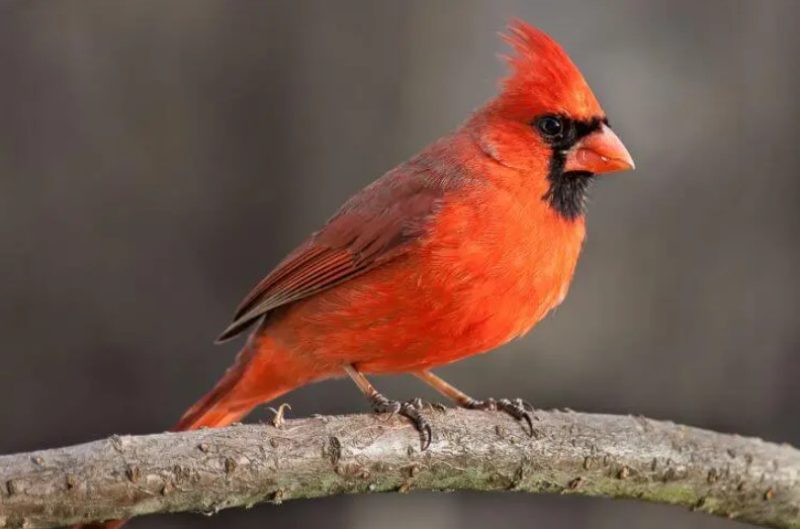
Northern cardinals stand out instantly in Michigan landscapes, especially against winter snow. Their red plumage, upright crests, and sharp whistles make them easy to notice in backyards, parks, and hedgerows year-round.
Despite that visibility, much of a cardinal’s daily life remains hidden. Many of their most important behaviors happen quietly and without movement, shaped by Michigan’s changing seasons, weather extremes, and human-altered spaces.
From winter survival routines to subtle communication and nesting habits hidden in plain sight, cardinals lead far more complex lives than most residents realize. Their most interesting behaviors often unfold just beyond casual notice, even a few feet from the window.
Cardinals in Michigan: More Than a Backyard Bird

Year-Round Residents, Not Seasonal Visitors
Unlike many songbirds in Michigan, cardinals do not migrate. They remain in the state throughout the year, including during harsh winters. This residency shapes many of their hidden behaviors, from food caching patterns to changes in social structure during cold months.
Their ability to survive winter gives the impression of simplicity. In reality, year-round living demands constant behavioral adjustment, especially in regions where snow cover can last for months.
Subtle Adaptation to Human Landscapes
Cardinals thrive in areas shaped by people. Suburban yards, park edges, hedgerows, and overgrown lots often provide better habitat than deep forests. Dense shrubs, ornamental bushes, and backyard feeders create ideal conditions.
This close association with humans allows cardinals to blend into daily life, making many of their behaviors easy to overlook.
Hidden Communication Signals Cardinals Use Daily
Body Language Over Song
Most people associate cardinals with song, but much of their communication relies on body posture. Crest position is one of the most overlooked signals. A raised crest often indicates alertness or agitation, while a flattened crest signals calm or submission.
These movements happen silently and quickly. Unless someone watches closely, they go unnoticed.
Quiet Contact Calls
Outside of breeding season, cardinals rely on soft chips and clicks rather than full songs. These short calls help pairs stay connected while foraging and alert others to nearby disturbances.
In winter flocks, these calls become essential. Cardinals often feed in loose groups, and quiet communication reduces the risk of attracting predators.
Visual Signals Between Mates
Mated pairs exchange visual cues during feeding and nesting. Head tilts, wing flicks, and short hops convey intent without sound. These interactions are especially common near feeders, yet most observers assume the birds are simply moving randomly.
Winter Survival Behaviors Most People Miss
Feeding Hierarchies at Feeders
At backyard feeders, cardinals follow unspoken rules. Dominant males often feed first, while females and younger birds wait nearby. This hierarchy shifts depending on food availability and temperature.
On extremely cold days, tolerance increases. Birds feed closer together, reducing energy spent on aggression.
Using Snow as a Resource
Cardinals frequently consume snow to meet hydration needs when liquid water is unavailable. This behavior reduces the need to leave sheltered areas in winter.
They often choose fresh, undisturbed snow rather than compacted surfaces, minimizing exposure to ground predators.
Strategic Shelter Use
Cardinals select roosting sites carefully in winter. Dense evergreen shrubs, cedar trees, and thick vine tangles provide wind protection and thermal benefits.
They often return to the same roosting spots night after night, forming invisible routines within familiar landscapes.
Foraging Habits Beyond Bird Feeders
Ground Feeding Patterns
Although commonly seen at feeders, cardinals spend much of their time feeding on the ground. They search leaf litter for seeds, insects, and fallen fruit.
Their hopping movement helps them scan efficiently while staying ready to flee. This ground-based feeding often happens under shrubs, making it easy to miss.
Seasonal Diet Shifts
In spring and summer, cardinals increase insect consumption. Caterpillars, beetles, grasshoppers, and spiders become vital protein sources, especially during chick rearing.
In fall, they shift back toward seeds and berries. Native plants such as dogwood, sumac, and wild grape quietly support cardinal populations across Michigan.
Food Caching Behavior
While not true hoarders, cardinals sometimes stash seeds in hidden spots during times of abundance. These small caches help bridge short periods of food scarcity.
This behavior is subtle and easily overlooked, as seeds are often hidden in leaf litter or shallow soil.
Nesting Habits Hidden in Plain Sight
Nest Placement Close to Humans
Cardinals often nest surprisingly close to human activity. Shrubs near homes, garden hedges, and low ornamental trees are common sites.
Nests are usually built between three and ten feet off the ground. Their placement relies more on cover density than height.
Female-Led Nest Construction
Female cardinals build the nest almost entirely on their own. Males may escort or guard but rarely assist directly.
Nest construction happens quietly over several days, using twigs, bark strips, grasses, and leaves. Because materials are gathered in small amounts, the process often escapes notice.
Multiple Broods Per Season
In Michigan, cardinals can raise two or even three broods in a single breeding season. After the first brood fledges, the female often begins a new nest while the male continues feeding the earlier chicks.
This overlapping care strategy allows cardinals to maximize reproductive success during short northern summers.
Parenting Behaviors Rarely Observed
Male Feeding of Females
One of the most overlooked cardinal behaviors is mate feeding. Males regularly feed females during courtship and incubation.
This behavior strengthens pair bonds and allows females to conserve energy while nesting. It often happens briefly and quietly, making it easy to miss.
Gradual Chick Independence
After fledging, young cardinals remain dependent on adults longer than many songbirds. Parents continue feeding them for weeks while teaching foraging skills.
During this period, young birds often appear awkward and vocal. Many people mistake them for injured birds when they are simply learning.
Teaching Through Example
Adult cardinals demonstrate food handling techniques rather than forcing independence abruptly. This gradual learning process improves survival in complex environments.
Territorial Behavior Without Constant Conflict
Seasonal Territory Size Changes
Cardinal territories expand and contract throughout the year. During breeding season, territories are tightly defended through song and posture.
In winter, boundaries soften. Birds tolerate closer neighbors, especially around reliable food sources.
Mirror Aggression Explained
Many Michigan residents notice cardinals attacking windows or mirrors. This behavior stems from territorial instincts triggered by reflections.
The bird perceives its reflection as a rival, leading to repeated confrontations. This behavior often peaks in spring when hormones rise.
Nonviolent Conflict Resolution
Most territorial disputes do not involve physical fights. Song duels, posture displays, and chase flights resolve conflicts quickly.
This minimizes injury risk and conserves energy, especially important in colder climates.
How Cardinals Respond to Predators
Early Warning Systems
Cardinals act as early warning birds. Their alarm calls alert other species to danger, creating a shared safety network.
These calls vary depending on threat type, though differences are subtle and often unnoticed by humans.
Freezing Instead of Fleeing
When threatened, cardinals often freeze rather than flee immediately. Their coloration blends well with winter branches and fall foliage.
This strategy reduces detection, especially by aerial predators.
Nest Defense Without Direct Attack
Cardinals rarely attack predators directly. Instead, they use distraction displays and alarm calls to draw attention away from nests.
This indirect defense lowers risk while still protecting offspring.
Seasonal Changes Michigan Residents Rarely Connect
Fall Molting Patterns
Cardinals molt gradually, replacing feathers over several weeks. During this time, they may appear less vibrant and more secretive.
Reduced activity during molt conserves energy and maintains flight ability.
Winter Song Use
Unlike many birds, cardinals sing throughout winter. These songs help maintain pair bonds and claim winter feeding territories.
Winter songs are often softer and shorter, blending into background noise.
Spring Hormonal Shifts
As daylight increases, hormonal changes trigger increased singing, aggression, and nesting behavior. These shifts happen weeks before obvious signs of spring appear.
Cardinals and Michigan Weather Extremes
Heat Management in Summer
During heat waves, cardinals reduce activity during midday. They seek shade, pant lightly, and spread wings to release heat.
Birdbaths and shaded vegetation become critical during these periods.
Storm Survival Strategies
Before major storms, cardinals often feed heavily and retreat early to shelter. Dense shrubs and evergreen trees provide protection from wind and rain.
After storms, they resume activity cautiously, assessing surroundings before returning to normal routines.
Why These Hidden Habits Matter
Indicators of Environmental Health
Because cardinals remain in Michigan year-round, changes in their behavior can reflect broader environmental shifts.
Reduced winter survival, altered nesting timing, or changes in song frequency may signal habitat or climate changes.
Coexistence With Humans
Understanding cardinal habits helps residents coexist more effectively. Simple actions like planting native shrubs or reducing window reflections can make a significant difference.
FAQs About Hidden Cardinal Behaviors in Michigan
Do cardinals really stay in Michigan all winter?
Yes. Cardinals are non-migratory and remain in Michigan year-round, adapting behavior and diet to survive winter conditions.
Why do cardinals sing in winter?
Winter singing helps maintain pair bonds and defend reliable food territories during scarce months.
Are cardinals aggressive birds?
They can appear aggressive during breeding season, but most conflicts are resolved through displays rather than physical fights.
Why does a cardinal keep attacking my window?
The bird is reacting to its reflection, mistaking it for a territorial rival, especially in spring.
How long do young cardinals stay with their parents?
Fledglings may depend on parents for several weeks after leaving the nest while learning to forage.
Do cardinals use the same nest every year?
No. Cardinals build new nests for each brood, often in different locations within their territory.
What plants help cardinals most in Michigan?
Native shrubs like dogwood, serviceberry, sumac, and viburnum provide food and shelter year-round.
Are cardinals affected by harsh winters?
Yes, but their adaptability and access to shelter and food allow many to survive even severe Michigan winters.
Conclusion
Cardinals may be one of Michigan’s most familiar birds, but their lives are filled with subtle behaviors that often go unnoticed. From quiet winter communication and strategic nesting choices to complex parenting and seasonal adjustments, these birds constantly adapt to their environment in ways that reward careful observation.
By paying closer attention to how cardinals move, feed, and interact, Michigan residents gain insight into a resilient species that thrives alongside human communities. What seems ordinary at first glance reveals a deeper story of survival, cooperation, and quiet intelligence unfolding every day across the state.