
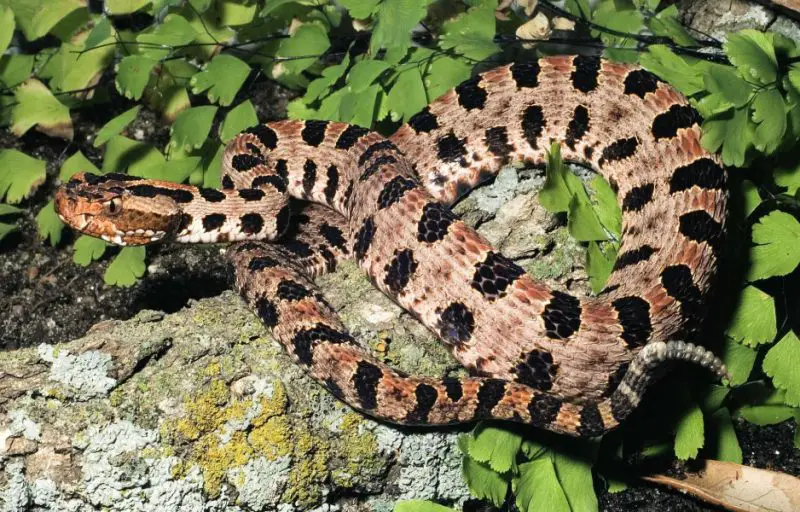
Texas is home to more snake species than any other U.S. state, yet some of its most fascinating residents remain largely misunderstood. Among them is the pygmy rattlesnake, a small, secretive rattlesnake that quietly occupies parts of East and Southeast Texas. Sightings are uncommon, encounters are brief, and misinformation is widespread.
Despite its modest size, the pygmy rattlesnake plays an important ecological role and has developed unique behaviors that allow it to survive in densely vegetated, human-altered landscapes. Many Texans live near this species without realizing it, while others misidentify it as a harmless snake or assume it poses no risk due to its size.
This article explores little-known facts about pygmy rattlesnake sightings in Texas, focusing on where and why they appear, how their behavior differs from larger rattlesnakes, and what people often misunderstand about them.
Pygmy Rattlesnakes in Texas: Species Overview

What Is a Pygmy Rattlesnake?
The pygmy rattlesnake, commonly referred to as the dusky pygmy rattlesnake, is one of the smallest venomous snakes found in the United States. It belongs to the pit viper family, which includes larger and more familiar species like diamondback rattlesnakes and copperheads. In Texas, this snake marks the westernmost edge of its natural range, making it far less known than other rattlesnakes in the state.
Adult pygmy rattlesnakes usually measure between 14 and 24 inches long, with compact, muscular bodies and relatively short tails. Their coloration is designed for concealment rather than display. Most individuals show a gray, brown, or muted tan base color, overlaid with dark blotches and a thin reddish or rust-colored stripe running down the center of the back. This pattern blends almost perfectly with leaf litter, pine needles, and damp forest soil.
Unlike large rattlesnakes that rely on visible warning displays, pygmy rattlesnakes survive through subtlety. They remain motionless for long periods, allowing prey to pass within striking distance. Their hunting strategy is based on short, precise ambush strikes rather than pursuit. This behavior explains why many encounters happen at close range and why people often do not realize a snake is present until it moves.
Where Pygmy Rattlesnakes Occur in Texas
Pygmy rattlesnakes in Texas are restricted almost entirely to the eastern part of the state. They favor environments with consistent ground cover, moisture, and stable temperatures. Their presence is closely tied to specific habitat types rather than broad geographic regions.
In East Texas, they are most often associated with the Piney Woods, where dense pine forests provide deep leaf litter and shaded conditions. They also inhabit parts of the Coastal Plain, especially areas with sandy soils and nearby wetlands. Moist lowland forests, floodplain edges, and woodland margins near creeks or marshes offer ideal shelter and prey availability.
These snakes are rarely found in open grasslands, dry brush country, or arid environments. As a result, they are absent from most of Central, West, and South Texas. This limited range explains why many Texans have never encountered or even heard of pygmy rattlesnakes. Even within suitable regions, sightings tend to occur in small, isolated pockets where habitat conditions align closely with the species’ needs, rather than being evenly distributed across counties.
Why Pygmy Rattlesnake Sightings Are So Rare
Naturally Secretive Behavior
Pygmy rattlesnakes survive by avoiding attention rather than confronting threats. Unlike larger rattlesnakes that may bask openly or move across exposed ground, this species spends most of its life concealed. It relies heavily on stillness and camouflage, remaining hidden for long periods in places most people rarely notice.
Common hiding locations include deep leaf litter, dense ground grasses, fallen pine needles, shallow animal burrows, and decaying logs. Their coloration closely matches these surroundings, allowing them to disappear visually even when only a few feet away. In suitable habitats, a pygmy rattlesnake may live within close proximity to human activity without ever being detected.
Because they do not actively patrol territory or seek open sunlight, sightings tend to be accidental rather than intentional. Even in areas where they are locally common, most residents remain unaware of their presence.
Small Size, Small Rattle
The pygmy rattlesnake’s rattle is one of the least effective warning devices among rattlesnakes. It is extremely small and produces a soft, insect-like buzzing sound instead of a sharp, unmistakable rattle. Many people mistake this sound for cicadas, grasshoppers, or other insects common in East Texas.
In addition, pygmy rattlesnakes do not always rattle when threatened. If startled suddenly or stepped near, they may rely on freezing in place rather than advertising their presence. This quiet behavior increases the chance of close encounters, especially on trails or in leaf-covered yards.
Limited Movement Range
Pygmy rattlesnakes have relatively small home ranges compared to larger snake species. Individuals often spend weeks or even months within the same limited patch of habitat, moving only short distances to hunt or seek shelter.
This restricted movement means sightings tend to occur repeatedly in very specific locations, such as along a single trail segment, near a particular wetland edge, or within one wooded neighborhood. Outside these pockets, the species may appear completely absent, creating the impression that sightings are random when they are actually highly localized.
Seasonal Patterns of Sightings in Texas
Spring Activity Peaks
Spring marks the most noticeable increase in pygmy rattlesnake sightings across East Texas. Rising temperatures trigger increased movement as snakes emerge to forage and search for mates. During this period, they are more likely to appear along trail edges, woodland clearings, and the borders between forests and residential yards.
Seasonal rains also play an important role. Amphibians and small reptiles become more active after rainfall, drawing pygmy rattlesnakes out of deep cover and closer to the surface. These conditions briefly increase visibility, though encounters are still usually short-lived.
Summer: Hidden but Present
Texas summers push pygmy rattlesnakes back into concealment. During periods of intense heat, they limit daytime activity and seek cooler, shaded microhabitats with higher moisture levels. Movement often shifts to early morning, evening, or nighttime hours.
Most summer sightings happen by chance rather than observation. People may nearly step on a resting snake or notice one only after it moves a short distance to escape the heat. Despite reduced visibility, the snakes remain active throughout the season.
Fall Movement and Juveniles
Fall brings a secondary, smaller rise in sightings. Juvenile pygmy rattlesnakes born earlier in the year begin dispersing slightly from birth areas. Their small size and subdued patterns often lead to misidentification as harmless snakes.
Adult movement may also increase briefly as temperatures moderate. These sightings are usually brief and localized, disappearing again as cooler weather approaches.
Winter Brumation
Pygmy rattlesnakes do not enter true hibernation. In East Texas, they undergo brumation during colder periods, sheltering underground, beneath logs, or under dense debris. Activity slows significantly but does not stop completely.
On warmer winter days, brief surface movement is possible, especially in sunny or sheltered locations. Sightings during winter are uncommon but not impossible.
Common Misidentifications in Texas
Mistaken for Harmless Snakes
Because of their size and coloration, pygmy rattlesnakes are frequently mistaken for non-venomous species. Brown snakes, garter snakes, and juvenile rat snakes are among the most common lookalikes.
Their muted tones and broken patterns allow them to blend seamlessly into forest floors. Without noticing the subtle rattle or head shape, many people assume they are encountering a harmless species.
Confusion With Copperheads
In regions where pygmy rattlesnakes overlap with copperheads, confusion is common. Both belong to the pit viper family, but their markings differ significantly. Pygmy rattlesnakes lack the bold hourglass bands typical of copperheads and instead display a more granular, mottled pattern.
Misidentification can lead to underestimating risk or, in some cases, unnecessary fear and overreaction.
Venom and Bite Risk: What Most People Get Wrong
Small Snake, Potent Venom
Size often leads to false assumptions about danger. While pygmy rattlesnakes deliver smaller venom quantities than larger rattlesnakes, their venom is still medically significant. It contains hemotoxic elements, tissue-damaging enzymes, and compounds that cause intense pain and inflammation.
Bites are rarely fatal, especially with prompt medical care, but untreated bites can result in serious complications, including swelling, tissue damage, and prolonged recovery.
Bite Behavior Is Defensive, Not Aggressive
Pygmy rattlesnakes do not pursue people. Bites almost always occur as a defensive response when the snake feels trapped or physically threatened. Common situations include stepping on or near the snake, attempting to move or kill it, or placing hands into leaf litter, woodpiles, or hollow logs.
Because these snakes rely on camouflage, they often remain still rather than fleeing. This increases the likelihood of accidental contact but does not reflect aggressive behavior.
Why Sightings Are Increasing in Some Texas Areas
Habitat Fragmentation
Development continues to divide forests into smaller patches, forcing pygmy rattlesnakes into compressed habitats. As natural corridors disappear, snakes are more likely to encounter people along edges between developed and undeveloped land.
Suburban Expansion Near Woodlands
Housing developments near East Texas forests often replicate ideal pygmy rattlesnake shelter. Mulch beds, woodpiles, native shrubs, and unmanaged ground cover provide hiding places similar to natural environments.
This overlap increases the likelihood of sightings without indicating population growth.
Climate Factors
Milder winters and extended warm seasons may slightly lengthen active periods. This creates more opportunities for encounters but does not necessarily mean more snakes are present.
How Pygmy Rattlesnakes Benefit Texas Ecosystems
Natural Pest Control
Pygmy rattlesnakes feed on small rodents, lizards, frogs, and large insects. By limiting rodent populations, they indirectly help reduce crop damage and the spread of rodent-borne diseases.
Part of a Balanced Food Web
They also serve as prey for hawks, owls, larger snakes, and mammalian predators. Removing them disrupts local food chains and can cause imbalances that affect other species.
What to Do If You See a Pygmy Rattlesnake
Stay Calm and Keep Distance
If you encounter a pygmy rattlesnake, stop and slowly back away. Giving the snake space reduces stress and allows it to remain still or retreat naturally.
Do Not Attempt to Handle or Kill It
Most snakebites occur during attempts to kill or move snakes. In Texas, harming native wildlife is discouraged due to ecological value and safety concerns.
Modify Yard Habitats if Needed
Reducing dense ground cover near homes, keeping woodpiles elevated, and maintaining clear walking paths can lower encounter risk without harming the species.
Myths and Misconceptions About Texas Pygmy Rattlesnakes
“They Always Rattle Before Biting”
False. Their rattle is subtle, and they may not rattle at all if startled suddenly.
“They Are Too Small to Be Dangerous”
False. Their venom can cause serious medical issues and should always be treated seriously.
“They Only Live Deep in Forests”
False. Pygmy rattlesnakes often occupy forest edges, wetlands near development, and transitional habitats where human activity is present.
FAQs About Pygmy Rattlesnake Sightings in Texas
Are pygmy rattlesnakes native to Texas?
Yes. Pygmy rattlesnakes are native to eastern Texas and represent the western edge of their natural range in the United States.
How common are pygmy rattlesnake sightings in Texas?
Sightings are relatively rare and highly localized. Many people live near them without ever seeing one due to their secretive behavior.
Are pygmy rattlesnake bites deadly?
Fatalities are extremely rare. However, bites require immediate medical attention due to pain, swelling, and potential tissue damage.
What time of day are sightings most likely?
Sightings occur most often in spring during daytime warmth and in summer during early morning or evening hours.
Can pygmy rattlesnakes climb?
They are primarily ground-dwelling but can climb low vegetation or logs when hunting or escaping threats.
Are they protected in Texas?
While not fully protected statewide, native wildlife conservation guidelines strongly discourage killing non-threatening snakes.
How can I reduce the chance of encounters?
Keeping yards clear of debris, avoiding tall unmanaged ground cover, and wearing boots in wooded areas can reduce encounter risk.
Do pygmy rattlesnakes live in urban areas?
They do not thrive in dense urban centers but may persist in suburban areas near natural habitat.
Conclusion
Pygmy rattlesnake sightings in Texas remain rare not because the species is disappearing, but because it has perfected the art of staying hidden. Small, quiet, and deeply camouflaged, this rattlesnake survives by avoiding attention rather than demanding it.
Understanding where and why these snakes appear helps reduce fear and unnecessary harm. They are not aggressive invaders, nor are they harmless curiosities. They are native predators fulfilling an essential ecological role in East Texas ecosystems.
As development continues to reshape natural landscapes, respectful coexistence becomes increasingly important. Recognizing the pygmy rattlesnake for what it is, a secretive but vital part of Texas wildlife, is the first step toward safer encounters for both people and snakes.