
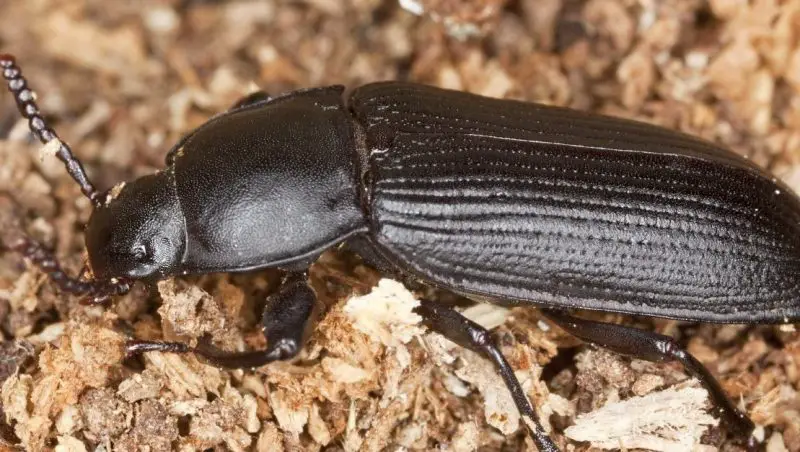
Darkling beetles are not the insects most Ohio homeowners expect to find indoors. They do not bite, sting, or infest homes in the traditional sense, yet their sudden appearance in basements often causes concern. These beetles seem to come out of nowhere, wandering across concrete floors, hiding near walls, or clustering in dark corners.
In Ohio, darkling beetles are usually accidental invaders rather than true indoor pests. Their presence is closely tied to outdoor conditions, seasonal changes, moisture patterns, and how basements interact with surrounding soil. Understanding why they appear requires looking beyond the basement itself and examining what is happening underground, outdoors, and within the structure of the home.
This article explores the hidden reasons darkling beetles show up in Ohio basements, the conditions that attract them, and what their presence really means for homeowners.
Table of Contents
- 1 Darkling Beetles in Ohio Homes
- 2 Why Darkling Beetles Enter Ohio Basements
- 3 How Darkling Beetles Get Inside Ohio Basements
- 4 Why Darkling Beetles Do Not Infest Basements
- 5 Outdoor Conditions That Increase Basement Sightings
- 6 Basement Conditions That Encourage Beetle Presence
- 7 Misidentification and Confusion With Other Insects
- 8 Health and Safety Concerns
- 9 Why Darkling Beetles Suddenly Appear in Large Numbers
- 10 Preventing Darkling Beetles in Ohio Basements
- 11 When Professional Help Is Needed
- 12 FAQs About Darkling Beetles in Ohio Basements
- 12.1 Why do darkling beetles appear suddenly in my basement?
- 12.2 Do darkling beetles reproduce in basements?
- 12.3 Are darkling beetles a sign of mold or rot?
- 12.4 Will insecticides solve the problem?
- 12.5 Are darkling beetles common in Ohio?
- 12.6 Do darkling beetles damage homes?
- 12.7 Can darkling beetles survive winter indoors?
- 13 Conclusion
Darkling Beetles in Ohio Homes

What Are Darkling Beetles?
Darkling beetles belong to the family Tenebrionidae, a large group with thousands of species worldwide. In Ohio, several species are common, including mealworm beetles, ground-dwelling darkling beetles, and species associated with decaying organic matter.
Most darkling beetles have elongated or oval bodies, dark brown to black coloration, and slow, deliberate movement. They are often mistaken for ground beetles or small roaches, especially when found indoors.
Darkling beetles are primarily outdoor insects. They live in soil, leaf litter, rotting wood, grain debris, and under rocks. Basements are not their natural habitat, but certain conditions make them accessible or attractive.
Why Basements Are the Most Common Indoor Location
When darkling beetles enter Ohio homes, basements are the most frequent location. This happens because basements closely resemble the beetles’ preferred outdoor environments.
Basements are typically cool, dark, quiet, and connected to the surrounding soil. Cracks, gaps, and utility openings create easy entry points. Once inside, beetles often wander rather than establish colonies.
Why Darkling Beetles Enter Ohio Basements
Moisture and Humidity Levels
Moisture is one of the strongest factors drawing darkling beetles indoors. Ohio’s climate includes frequent rainfall, humid summers, and fluctuating groundwater levels. When soil becomes saturated, beetles move upward and outward to avoid drowning.
Basements with elevated humidity provide a familiar environment. Condensation on walls, damp concrete, and minor water seepage create conditions that mimic moist soil layers.
Beetles are not attracted to standing water, but they tolerate damp environments better than many insects. This allows them to survive longer indoors once they enter.
Soil Disturbance Around Foundations
Darkling beetles often live in the top layers of soil around homes. Activities such as landscaping, digging, foundation repairs, or heavy rain can disrupt their habitat.
When soil is disturbed, beetles move laterally in search of shelter. Basement walls and foundation gaps become the nearest stable refuge. This is especially common after:
-
Heavy storms
-
Spring thaw cycles
-
New mulch or soil installation
-
Yard grading projects
The beetles are not targeting the home. They are reacting to sudden changes in their environment.
Seasonal Migration Patterns
Darkling beetle sightings in Ohio basements often follow seasonal patterns rather than random infestations.
In spring, beetles emerge from overwintering sites as soil warms. Increased movement raises the chance of accidental indoor entry.
In summer, heat and drought drive beetles deeper into soil or toward cooler structures. Basements provide temperature stability during extreme heat.
In fall, beetles seek protected areas to overwinter. Foundations and basements offer shelter from freezing temperatures.
Winter sightings are less common but can occur if beetles entered earlier and remained hidden.
How Darkling Beetles Get Inside Ohio Basements
Foundation Cracks and Expansion Joints
Even well-maintained foundations develop small cracks over time. Concrete shrinks, expands, and settles, creating entry points invisible to homeowners.
Darkling beetles can squeeze through extremely narrow gaps. Expansion joints, hairline cracks, and mortar gaps around block foundations are common access routes.
Once inside wall voids, beetles often emerge into basements through floor edges or utility penetrations.
Gaps Around Utilities and Pipes
Openings around plumbing lines, electrical conduits, sump pump discharge pipes, and gas lines provide direct paths from soil into basements.
These areas are rarely sealed tightly, especially in older Ohio homes. Beetles follow air currents and temperature gradients through these gaps.
Basement Windows and Window Wells
Window wells are a major entry point. Leaves, mulch, and soil collect inside wells, creating ideal beetle habitat. Beetles fall in, crawl through small window gaps, or enter through damaged screens.
Basements with older or poorly sealed windows experience higher beetle activity, especially after rainstorms.
Why Darkling Beetles Do Not Infest Basements
Lack of Suitable Food Sources
Darkling beetles feed primarily on decaying organic matter, fungi, plant debris, and stored grains. Most Ohio basements lack these resources.
Finished basements, concrete floors, and minimal organic material make it difficult for beetles to reproduce indoors. As a result, sightings usually involve wandering individuals rather than established populations.
No Reproductive Cycle Indoors
For darkling beetles to infest a space, they need stable food, moisture, and breeding sites. Basements rarely meet all these requirements.
Larvae develop slowly and require specific substrates. Without access to suitable material, beetles cannot complete their life cycle indoors.
This is why removing visible beetles often resolves the issue without further spread.
Outdoor Conditions That Increase Basement Sightings
Mulch and Leaf Litter Near Foundations
Organic mulch placed directly against foundations creates ideal beetle habitat. It retains moisture, shelters insects, and allows easy access to foundation walls.
Leaf litter left undisturbed around the home has a similar effect. In Ohio’s wooded and suburban areas, this is a common contributor to basement sightings.
Firewood and Stored Materials
Firewood stacked near basement walls attracts darkling beetles. Decaying wood supports fungal growth, which beetles feed on.
Stored cardboard, lumber, or debris placed near foundations also provide shelter and moisture retention.
Agricultural and Rural Influences
Homes near farms, grain storage, or livestock areas experience higher darkling beetle activity. Some species are attracted to spilled grain, feed residue, and organic waste.
These beetles may travel significant distances when populations increase or resources shift.
Basement Conditions That Encourage Beetle Presence
High Humidity and Poor Ventilation
Basements with limited airflow retain moisture. Dehumidifiers, fans, or improved ventilation can dramatically reduce beetle survival indoors.
High humidity alone does not attract beetles, but it allows them to remain active longer once inside.
Cluttered Storage Areas
Basements filled with boxes, stored items, and unused materials create hiding spots. Beetles prefer undisturbed spaces where they can remain concealed.
Cardboard absorbs moisture and can support fungal growth, making it more attractive than plastic or metal storage.
Cracked Floor Edges and Wall Gaps
The joint where basement floors meet walls is a frequent emergence point. Small gaps allow beetles to move from wall voids into open spaces.
These areas are often overlooked during sealing and maintenance.
Misidentification and Confusion With Other Insects
Mistaken for Roaches
Darkling beetles are often mistaken for cockroaches due to their dark color and flattened bodies. However, beetles move more slowly and lack the rapid, darting behavior of roaches.
They also lack the long antennae typical of roaches.
Confusion With Ground Beetles
Ground beetles also enter basements and look similar at a glance. However, ground beetles are more agile and often emit defensive odors when disturbed.
Accurate identification helps determine whether the issue is environmental or requires pest control intervention.
Health and Safety Concerns
Are Darkling Beetles Dangerous?
Darkling beetles do not bite, sting, or transmit disease to humans. They are considered nuisance pests rather than health threats.
In rare cases, large numbers in agricultural settings can affect stored products, but this is uncommon in residential basements.
Allergies and Secondary Concerns
In sensitive individuals, beetle debris may contribute to mild allergic reactions. However, this is rare and usually associated with heavy infestations in storage facilities, not homes.
Why Darkling Beetles Suddenly Appear in Large Numbers
Weather Events Trigger Movement
Heavy rain, flooding, drought, or rapid temperature changes can displace beetle populations. Ohio’s variable weather makes these events common.
Basements act as accidental shelters during environmental stress.
Overwintering Behavior
In fall, beetles seek protected spaces to survive winter. If they enter wall voids or basements during this time, they may become visible later as temperatures fluctuate.
Population Cycles
Darkling beetle populations naturally fluctuate year to year. A strong breeding season outdoors can increase the number of individuals entering homes.
Preventing Darkling Beetles in Ohio Basements
Reduce Moisture Levels
Use dehumidifiers to keep humidity below 50 percent. Repair leaks, improve drainage, and address condensation issues.
Dry environments shorten beetle survival indoors.
Seal Entry Points
Seal foundation cracks, utility gaps, and basement window frames. Pay special attention to floor-wall joints and window wells.
Simple caulking and weatherproofing significantly reduce entry.
Modify Outdoor Habitats
Keep mulch, soil, and leaf litter away from foundations. Store firewood at least several feet from the house.
Improve grading to direct water away from the home.
Improve Basement Organization
Reduce clutter and replace cardboard storage with plastic bins. Keep storage elevated and away from walls.
Clear, dry basements are less inviting to wandering insects.
When Professional Help Is Needed
Darkling beetles rarely require extermination. However, professional inspection may be helpful if:
-
Large numbers appear repeatedly
-
Moisture problems persist
-
Identification is uncertain
Professionals focus on exclusion and moisture control rather than chemical treatments.
FAQs About Darkling Beetles in Ohio Basements
Why do darkling beetles appear suddenly in my basement?
Sudden appearances are often triggered by weather changes, soil disturbance, or seasonal movement rather than indoor infestation.
Do darkling beetles reproduce in basements?
In most homes, they do not. Basements usually lack the conditions needed for reproduction.
Are darkling beetles a sign of mold or rot?
Not necessarily. While they tolerate moisture, their presence does not automatically indicate serious mold or structural issues.
Will insecticides solve the problem?
Insecticides may kill visible beetles but do not address entry points or moisture. Prevention is more effective.
Are darkling beetles common in Ohio?
Yes. Ohio’s climate and soil conditions support several darkling beetle species.
Do darkling beetles damage homes?
No. They do not chew wood, wiring, or structural materials.
Can darkling beetles survive winter indoors?
They can survive for a time but rarely establish permanent indoor populations.
Conclusion
Darkling beetles appear in Ohio basements not because homes attract them, but because basements intersect with the natural environments these insects already occupy. Moisture, soil conditions, seasonal changes, and small structural gaps create accidental entry points rather than true infestations.
By understanding what drives their movement and how basements mimic outdoor shelter, homeowners can reduce sightings without aggressive control measures. In most cases, simple moisture management, sealing entry points, and minor outdoor adjustments are enough.
Darkling beetles are quiet indicators of environmental conditions, not signs of neglect or danger. Addressing the underlying causes restores balance and keeps basements dry, sealed, and insect-free.