
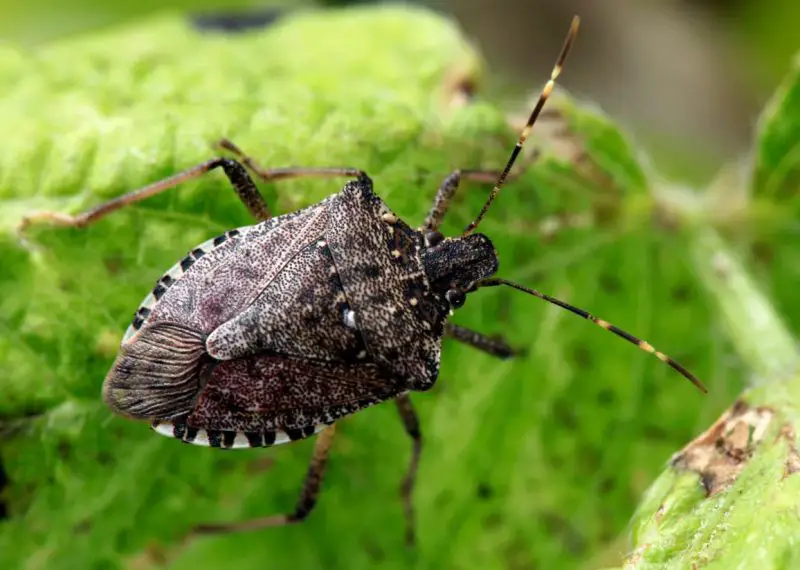
In Vermont, stink bug swarms don’t arrive with noise or warning. They appear quietly, almost subtly at first. A single insect clinging to a window screen. Another resting near a doorframe. Then, over the course of days, the numbers build. What seemed like an isolated sighting becomes a pattern. What felt like coincidence begins to feel intentional.
Most people assume these insects are simply wandering inside by accident. A few bugs slipping through cracks, drawn by light or curiosity. But that assumption misses the deeper reality. Stink bug swarms are not random. They are driven by survival, shaped by seasonal change, and guided by environmental signals that most homeowners never notice.
And in Vermont, where seasonal transitions are pronounced and winters are long, that behavior becomes even more visible.
Table of Contents
- 1 The Swarm Begins Long Before You Notice It
- 2 Why Vermont Homes Are Ideal for Overwintering
- 3 Entry Happens Slowly and Quietly
- 4 Dormancy Is Not Complete Inactivity
- 5 The Illusion of a Growing Infestation
- 6 Aggregation Behavior Drives the Swarm
- 7 The Smell Has a Purpose
- 8 Light and Heat Shape Their Movement
- 9 Exterior Conditions Influence Interior Outcomes
- 10 Structural Details Matter More Than You Think
- 11 Why Some Homes Are Hit Harder Than Others
- 12 They Are Harmless but Persistent
- 13 Natural Controls Are Still Developing
- 14 Prevention Is a Long-Term Strategy
- 15 The Experience Changes With Understanding
- 16 FAQs About Stink Bug Swarms in Vermont
- 16.1 Why do stink bugs appear inside my home in fall?
- 16.2 Do stink bugs reproduce indoors?
- 16.3 Why do they gather in large numbers?
- 16.4 Are stink bugs harmful?
- 16.5 What causes the smell?
- 16.6 Why do I see them in winter?
- 16.7 How do they get inside?
- 16.8 Do they go away on their own?
- 16.9 Are some homes more affected?
- 16.10 Can the problem be completely eliminated?
- 17 Final Thoughts
The Swarm Begins Long Before You Notice It
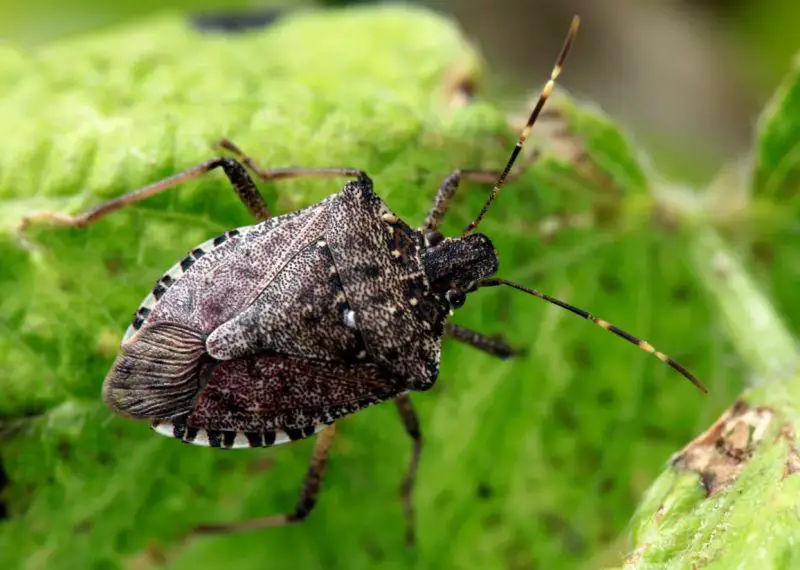
By the time stink bugs appear inside your home, the process has already been unfolding for weeks. Late summer marks the beginning of a shift. As temperatures gradually decline and daylight shortens, stink bugs begin preparing for overwintering.
This preparation is not dramatic. There is no sudden migration. Instead, it is a gradual movement toward structures that can provide shelter. Houses, barns, sheds, and garages all become part of this search.
In Vermont landscapes, where forests, fields, and residential areas often blend together, stink bugs don’t have to travel far. They move from nearby vegetation directly toward buildings. Your home is not a distant target. It is simply the closest suitable refuge.
By early fall, many stink bugs are already gathering on exterior surfaces. They may spend hours basking in sunlight, clustering along siding, window frames, and rooflines. This is not idle behavior. They are assessing the structure, searching for entry points, and responding to temperature differences that signal potential shelter.
Why Vermont Homes Are Ideal for Overwintering
Vermont’s climate plays a major role in stink bug behavior. Cold winters create a strong incentive for insects to find stable environments where they can avoid freezing temperatures.
In natural settings, stink bugs would shelter under bark, inside logs, or within rock crevices. But these environments are inconsistent. They fluctuate with weather, moisture, and exposure.
Human structures, on the other hand, offer stability.
Walls retain heat. Attics provide insulation. Small gaps create protected spaces shielded from wind and precipitation. Even minor warmth differences can make a significant impact on survival.
This is why stink bugs are drawn to homes in such large numbers. It is not preference. It is opportunity.
South-facing and west-facing walls are especially attractive because they absorb more sunlight throughout the day. These areas create microclimates that signal warmth, guiding stink bugs toward specific sections of a building.
Over time, these patterns repeat. The same sides of the same houses become consistent gathering points year after year.
Entry Happens Slowly and Quietly
One of the most frustrating aspects of stink bug swarms is how difficult it is to pinpoint when they actually enter a home.
There is no single moment of invasion. Instead, entry occurs gradually. Individual bugs find small openings and slip inside unnoticed. These openings are often so small that they escape routine inspection.
Gaps around window frames, cracks in siding, spaces near vents, and openings around utility lines all provide access. Even well-maintained homes have imperfections that stink bugs can exploit.
Once inside, they do not immediately spread into living areas. Many remain hidden within wall voids, attics, and other enclosed spaces. They settle into protected locations where they can enter a dormant state.
This hidden presence is what creates the illusion of sudden appearance later. When conditions change, they emerge all at once, even though they have been there for weeks.
Dormancy Is Not Complete Inactivity
During winter, stink bugs enter a state known as diapause. This is often described as dormancy, but it is not the same as true hibernation.
Their metabolism slows. Movement decreases. Energy use is minimized.
But they are not completely inactive.
Changes in temperature, light, or disturbance can trigger movement. Indoor heating is one of the most common triggers. As warm air circulates through walls and ceilings, it disrupts their dormant state.
When this happens, stink bugs begin to move. They are drawn toward light, which often leads them to windows, lamps, and other visible areas.
This is why sightings can occur throughout the winter, even on cold days. The insects are responding to indoor conditions rather than outdoor weather.
The Illusion of a Growing Infestation
Many Vermont residents experience a moment of confusion when stink bugs seem to appear in increasing numbers over time. It can feel as though the problem is getting worse, as if the insects are reproducing indoors.
But that is not what is happening.
Stink bugs do not breed inside homes during winter. The population you see is the same group that entered earlier in the season.
What changes is visibility.
As more individuals become active and move toward light, they become easier to notice. What was once hidden becomes obvious. This shift in perception creates the impression of growth.
Understanding this distinction is important. It changes how you interpret the situation. Instead of an ongoing infestation, you are dealing with a delayed emergence.
Aggregation Behavior Drives the Swarm
Stink bugs are not social in the way ants or bees are, but they do gather in groups. This behavior is driven by chemical signals known as aggregation pheromones.
When a stink bug finds a suitable shelter, it releases these signals. Other stink bugs detect them and move toward the same location.
This creates clustering.
In Vermont homes, this often results in large numbers of stink bugs concentrated in specific areas. One section of a wall, a particular attic space, or a single room may host the majority of the insects.
These clusters are not random. They reflect the combined influence of environmental cues and chemical communication.
Over time, the persistence of these signals can make certain locations more attractive year after year.
The Smell Has a Purpose
The odor associated with stink bugs is one of the most recognizable aspects of their presence. It is often described as sharp, earthy, or slightly chemical.
This smell is not accidental. It is a defensive response.
When threatened or crushed, stink bugs release a chemical compound designed to deter predators. In the wild, this helps them avoid being eaten.
In a home environment, it creates an unpleasant experience for residents.
The instinct to crush the insects is understandable, but it often makes the situation worse. The odor can linger, and it may even attract other stink bugs.
This is why non-contact removal methods are generally recommended.
Light and Heat Shape Their Movement
Inside a home, stink bugs respond strongly to light and heat. These two factors guide their movement once they become active.
Windows are common gathering points because they combine both elements. Sunlight creates warmth, and the brightness acts as a directional cue.
Artificial lighting can have a similar effect, especially in darker rooms.
This behavior can make it seem as though stink bugs are drawn to specific areas of the home. In reality, they are following environmental gradients that signal potential exit routes or favorable conditions.
Understanding this can help explain why sightings are often concentrated in particular rooms or at certain times of day.
Exterior Conditions Influence Interior Outcomes
What happens inside your home is closely linked to what happens outside.
Landscaping plays a significant role in stink bug activity. Gardens, fruit trees, and ornamental plants provide food sources during the growing season. As fall approaches, these same areas become staging grounds for movement toward buildings.
Homes surrounded by dense vegetation tend to experience higher levels of activity. Plants close to walls create shaded, protected zones where stink bugs can gather before entering.
Even small details matter. Mulch, leaf litter, and woodpiles can provide temporary shelter, increasing the likelihood of nearby presence.
These exterior conditions set the stage for what happens later inside.
Structural Details Matter More Than You Think
The design and condition of a home have a direct impact on stink bug entry.
Older homes, with natural settling and wear, often have more potential entry points. But even newer constructions are not immune. Tiny gaps and imperfections are enough for stink bugs to exploit.
Sealing these openings is one of the most effective ways to reduce entry, but it requires careful attention. It is not just about obvious cracks. It is about subtle vulnerabilities that are easy to overlook.
Vents, soffits, window seals, and siding joints all deserve attention.
This process is not a one-time fix. Seasonal changes can create new gaps, making ongoing maintenance important.
Why Some Homes Are Hit Harder Than Others
Not all homes in Vermont experience stink bug swarms to the same degree. This variation often leads to confusion.
The difference comes down to a combination of factors.
Location is key. Homes near forests, fields, or agricultural areas are more likely to encounter higher populations. These environments support stink bug feeding and reproduction.
Sun exposure influences attraction. Homes with large sunlit surfaces provide stronger thermal signals.
Structural features determine accessibility. The more entry points available, the easier it is for stink bugs to get inside.
These factors interact in complex ways, creating hotspots where swarms become more intense.
They Are Harmless but Persistent
Stink bugs do not bite or sting. They do not damage structures or transmit diseases. In that sense, they are relatively benign.
But their persistence makes them difficult to ignore.
Repeated sightings, especially in large numbers, can create a sense of discomfort. The unpredictability of their appearance adds to this effect.
For many residents, the issue is not physical harm but disruption. The feeling that the indoor environment is being shared in an unwanted way.
This psychological impact is an important part of the overall experience.
Natural Controls Are Still Developing
In their native range, stink bugs are part of a balanced ecosystem. Predators and parasites help regulate their populations.
In Vermont, these controls are still evolving.
Some native species have begun to adapt, but the process is gradual. Until these relationships become more established, stink bugs remain more noticeable.
This is one of the reasons why swarms continue to be a recurring issue.
Prevention Is a Long-Term Strategy
Once stink bugs are inside, options are limited. Removal becomes a matter of managing presence rather than eliminating the source.
Prevention focuses on reducing entry.
Sealing gaps, adjusting exterior lighting, and managing landscaping can all contribute to lower numbers. These actions do not eliminate stink bugs, but they change how your home interacts with them.
Consistency is key. Small improvements, maintained over time, can lead to meaningful reductions.
The Experience Changes With Understanding
At first, stink bug swarms feel chaotic. Sudden. Unpredictable.
But as you begin to understand the patterns, that perception shifts.
You start to notice timing. Seasonal cues. Environmental triggers. The randomness fades, replaced by a clearer sense of cause and effect.
This does not remove the inconvenience, but it changes how you respond to it.
Knowledge creates distance. It turns confusion into awareness.
FAQs About Stink Bug Swarms in Vermont
Why do stink bugs appear inside my home in fall?
They are seeking shelter for the winter and are drawn to warm, protected structures.
Do stink bugs reproduce indoors?
No, they do not reproduce inside homes during winter.
Why do they gather in large numbers?
Aggregation pheromones attract multiple individuals to the same location.
Are stink bugs harmful?
They are not harmful to humans but can be a nuisance.
What causes the smell?
A defensive chemical released when they feel threatened or are crushed.
Why do I see them in winter?
Indoor warmth can trigger movement from dormancy.
How do they get inside?
Through small gaps and cracks in the structure of the home.
Do they go away on their own?
Many eventually die indoors, but sightings can continue throughout winter.
Are some homes more affected?
Yes, location, sun exposure, and structural features all play a role.
Can the problem be completely eliminated?
No, but it can be significantly reduced through prevention.
Final Thoughts
Stink bug swarms in Vermont are not random invasions. They are the result of predictable behaviors shaped by climate, environment, and human structures. What feels sudden is actually the visible stage of a process that begins weeks earlier.
Once you recognize that process, the experience changes.
The bugs are not targeting your home. They are responding to conditions that make it a suitable shelter. And those conditions can be understood, adjusted, and managed.
You may still see them.
But you will see them differently.