
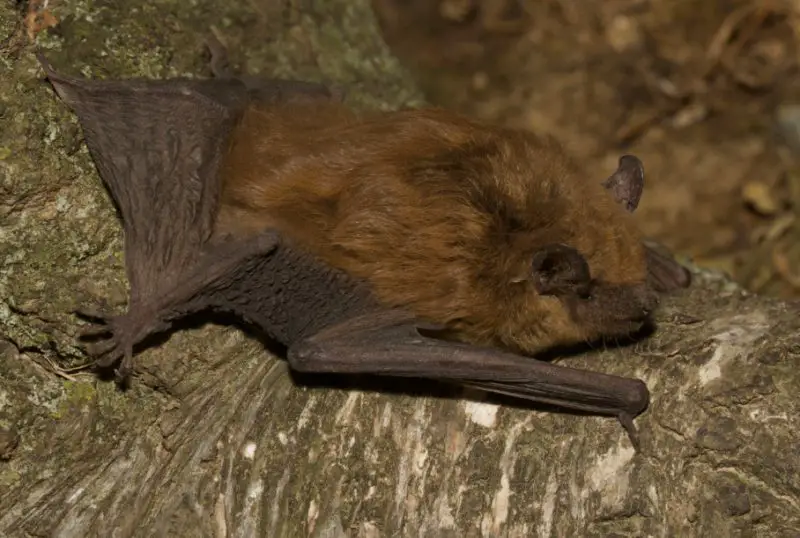
In Pennsylvania, winter is supposed to be the quiet season for bats. Cold temperatures, frozen insects, and long nights usually push them out of sight. Yet every winter, homeowners across the state report the same unsettling experience. A bat appears inside the house. Sometimes it crawls along a wall. Sometimes it flutters through a hallway in the middle of the night. Sometimes it is found clinging to curtains or tucked behind furniture.
These encounters raise immediate questions. Why now. Why indoors. Why in winter, when bats are supposed to be hibernating.
The answer is not a single cause. It is a combination of bat biology, Pennsylvania’s climate, building design, and human behavior. Understanding why bats enter homes during winter requires looking closely at how bats survive cold seasons and how modern houses unintentionally interfere with that process.
Table of Contents
- 1 Pennsylvania Is Prime Bat Habitat
- 2 Winter Forces Bats Into Survival Mode
- 3 Natural Hibernation Sites Are Becoming Scarce
- 4 Houses Mimic Ideal Winter Roosts
- 5 Big Brown Bats Are the Most Common Winter Visitors
- 6 Temperature Fluctuations Trigger Bat Movement
- 7 Homes Create False Signals of Spring
- 8 Small Openings Are All Bats Need
- 9 Winter Storms Force Emergency Shelter
- 10 White-Nose Syndrome Changed Bat Behavior
- 11 Disturbed Bats End Up Indoors
- 12 Why Bats Appear Alive Instead of Lethargic
- 13 Indoor Bats Are Not Looking for Food
- 14 Why Pennsylvania Homes Are Especially Vulnerable
- 15 Attics Are the Most Common Entry Zones
- 16 Why Bats End Up in Living Rooms and Bedrooms
- 17 Health Risks Are Often Overestimated
- 18 Why Exclusion Is Difficult in Winter
- 19 What To Do If You Find a Bat Indoors
- 20 Why Killing Bats Creates More Problems
- 21 Long-Term Prevention Strategies
- 22 Why Winter Sightings Feel More Alarming
- 23 Pennsylvania’s Bats Are Under Pressure
- 24 Why This Matters Beyond One House
- 25 Final Thoughts
Pennsylvania Is Prime Bat Habitat
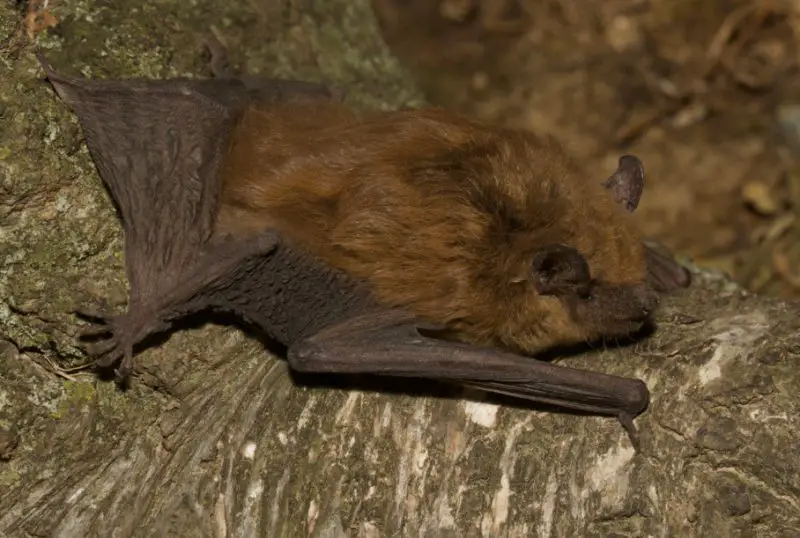
Pennsylvania supports one of the richest bat communities in the northeastern United States. Forests, rivers, wetlands, farmland, and abundant insect populations create ideal summer habitat. Caves, abandoned mines, rock crevices, and hollow trees provide traditional winter roosting sites.
Common species include little brown bats, big brown bats, tri-colored bats, and several species of myotis. Each has slightly different habits, but all rely on secure, stable shelters to survive winter.
When natural conditions fail to provide those shelters, bats look elsewhere.
Winter Forces Bats Into Survival Mode
Bats do not migrate out of Pennsylvania in large numbers. Instead, most species survive winter through hibernation.
During hibernation, a bat’s heart rate drops dramatically. Body temperature falls close to the surrounding environment. Metabolism slows to a fraction of its summer rate. This state allows bats to survive months without feeding, relying entirely on stored fat.
Hibernation is not continuous sleep. Bats periodically wake up. These arousals are dangerous because they burn large amounts of energy. Too many awakenings can mean starvation before spring.
Winter survival depends on staying undisturbed in a stable environment.
Natural Hibernation Sites Are Becoming Scarce
Historically, bats relied on caves, mines, and rock formations for winter shelter. In Pennsylvania, many of these sites have been altered or closed.
Caves may be gated to protect endangered species. Old mines collapse or are sealed. Forest management reduces the number of large hollow trees. Urban expansion fragments habitat.
As natural roosts disappear, bats search for substitutes that mimic the conditions they need.
Homes often provide those conditions unintentionally.
Houses Mimic Ideal Winter Roosts
Modern homes create environments that resemble bat hibernacula.
Attics, wall voids, chimneys, and crawl spaces offer darkness, protection from predators, and relatively stable temperatures. Brick and stone retain heat. Insulation slows temperature changes. Rooflines provide shelter from wind and snow.
From a bat’s perspective, a house can look like a warm cliff face or hollow tree.
Once a bat enters, it may settle in for the winter.
Big Brown Bats Are the Most Common Winter Visitors
In Pennsylvania, most winter indoor bat encounters involve big brown bats.
Unlike smaller species, big brown bats tolerate colder temperatures and often choose buildings as winter roosts. They are more resistant to dehydration and can survive in less humid environments.
Big brown bats frequently hibernate in walls and attics rather than caves. This makes them far more likely to appear inside homes during winter.
Other species usually remain hidden, even if they are present in the structure.
Temperature Fluctuations Trigger Bat Movement
Pennsylvania winters are increasingly unpredictable.
Warm spells followed by sudden cold snaps are common. These rapid temperature changes disrupt bat hibernation cycles.
When temperatures rise, bats may partially wake. If conditions inside walls or attics become too warm, too dry, or too unstable, bats move to find better shelter.
This movement sometimes leads them into living spaces.
A bat entering a bedroom in January is often reacting to temperature change, not searching for food.
Homes Create False Signals of Spring
Indoor heating creates artificial warmth.
Heat escaping into walls and attics can trick bats into thinking conditions outside have changed. They may wake prematurely, burn energy, and begin moving.
Once awake, a bat may follow airflow or light toward interior rooms. Open stairwells, light fixtures, and gaps around vents provide access points.
The bat is not trying to invade. It is responding to confusing environmental cues.
Small Openings Are All Bats Need
Bats can enter through extremely small openings.
Gaps as narrow as half an inch are sufficient. Common entry points include roofline gaps, loose siding, soffit cracks, chimney flashing, attic vents, and poorly sealed utility penetrations.
Once inside the structure, bats can travel through wall cavities and insulation with ease.
A bat found indoors may have entered weeks or even months earlier.
Winter Storms Force Emergency Shelter
Severe winter storms also play a role.
Freezing rain, heavy snow, and strong winds can destroy or block outdoor roosts. Tree cavities flood. Rock crevices ice over. Exposed roosts become deadly.
During these events, bats seek immediate shelter. Houses are often the closest option.
Emergency entry during storms explains sudden winter appearances after severe weather.
White-Nose Syndrome Changed Bat Behavior
White-nose syndrome has devastated bat populations in Pennsylvania.
This fungal disease disrupts hibernation, causing bats to wake repeatedly and burn fat reserves. Infected bats are more likely to leave hibernation sites during winter in a desperate search for food or alternative shelter.
Although populations have begun to stabilize in some areas, the disease altered bat behavior permanently.
Increased winter movement leads to increased human encounters.
Disturbed Bats End Up Indoors
Noise, vibrations, and renovations can disturb hibernating bats.
Construction, roof repairs, attic work, or even heavy foot traffic can wake bats inside walls. Once disturbed, bats may flee into interior spaces.
Winter disturbances are particularly dangerous because bats cannot simply relocate outdoors.
What looks like a sudden appearance is often the result of internal displacement.
Why Bats Appear Alive Instead of Lethargic
People expect winter bats to be weak or immobile.
In reality, a bat that has just awakened may be alert and capable of flight, even in winter. This surprises homeowners and increases fear.
The bat’s activity does not indicate health or aggression. It reflects a temporary metabolic state triggered by environmental change.
Indoor Bats Are Not Looking for Food
A common misconception is that bats enter homes to hunt insects.
In winter, insects are scarce or absent. Bats entering homes are not feeding. They are seeking stable shelter or attempting to return to hibernation.
This distinction matters because it changes how the situation should be handled.
Why Pennsylvania Homes Are Especially Vulnerable
Pennsylvania has many older homes.
Older construction often includes chimneys, stone foundations, wooden siding, and complex rooflines. These features create more entry points than modern sealed construction.
At the same time, older homes retain heat unevenly, increasing temperature gradients that attract bats.
The combination makes Pennsylvania houses particularly attractive winter roosts.
Attics Are the Most Common Entry Zones
Most winter bat encounters originate from attics.
Warm air rises, carrying heat into attic spaces. This creates a thermal gradient bats can sense from outside.
Once inside the attic, bats may settle behind insulation or follow gaps downward into walls.
Sealing attics is one of the most effective prevention strategies.
Why Bats End Up in Living Rooms and Bedrooms
Interior appearances usually occur when bats are disoriented.
Light sources, airflow, and temperature differences guide movement. A bat following warmer air may exit a wall cavity into a living space.
Bedrooms are common because they are quiet, dark, and warm at night.
The bat is not targeting people. It is navigating by instinct.
Health Risks Are Often Overestimated
Most bats do not carry rabies.
While bats can transmit rabies, the percentage is very low. However, because bites can go unnoticed, caution is necessary.
Any direct contact should be avoided. A bat found in a room with a sleeping person should be evaluated by health professionals.
Understanding risk accurately prevents panic and unnecessary harm.
Why Exclusion Is Difficult in Winter
Bat exclusion cannot be performed safely during winter.
Blocking entry points while bats are hibernating inside can trap them, leading to death and odor issues. Ethical and legal guidelines discourage winter exclusion.
Most wildlife professionals recommend waiting until spring or late summer to perform exclusion properly.
Temporary containment is the winter solution.
What To Do If You Find a Bat Indoors
Remain calm.
Close interior doors to confine the bat. Turn off lights. Open a window if temperatures allow. In many cases, the bat will leave on its own.
If the bat does not leave, contact a wildlife professional. Do not attempt to handle it bare-handed.
Avoid using chemicals or traps.
Why Killing Bats Creates More Problems
Bats are protected wildlife in Pennsylvania.
Killing bats is illegal and ecologically harmful. It also fails to address the underlying issue.
Removing one bat does not prevent future entries if access points remain open.
Prevention requires understanding, not force.
Long-Term Prevention Strategies
Prevention focuses on sealing entry points after bats leave for the season.
Late summer and early fall are ideal times. Professional inspections identify gaps, vents, and roofline issues.
Sealing homes protects both bats and people.
Bat houses can also provide alternative roosts, encouraging bats to remain outdoors.
Why Winter Sightings Feel More Alarming
Seeing a bat in winter feels wrong.
It contradicts expectations. It feels unnatural. That emotional response amplifies fear.
Understanding the biological reasons behind winter appearances helps reduce anxiety and promote safe responses.
Pennsylvania’s Bats Are Under Pressure
Bats face habitat loss, disease, and climate instability.
Homes have become part of their survival landscape. Human response determines whether this overlap becomes conflict or coexistence.
Educated responses protect declining bat populations.
Why This Matters Beyond One House
Every winter bat encounter tells a larger story.
It reflects changing ecosystems, altered landscapes, and the unintended consequences of human development.
Responding thoughtfully helps maintain balance.
Final Thoughts
Bats appearing inside Pennsylvania homes during winter are not invaders or pests. They are animals navigating a changing environment using the only tools available to them.
Houses offer warmth, shelter, and stability when natural options fail. Temperature swings, storms, disease, and habitat loss all push bats closer to people.
Understanding these factors turns fear into knowledge and reaction into prevention.
In Pennsylvania winters, bats are not breaking rules of nature. They are surviving.