
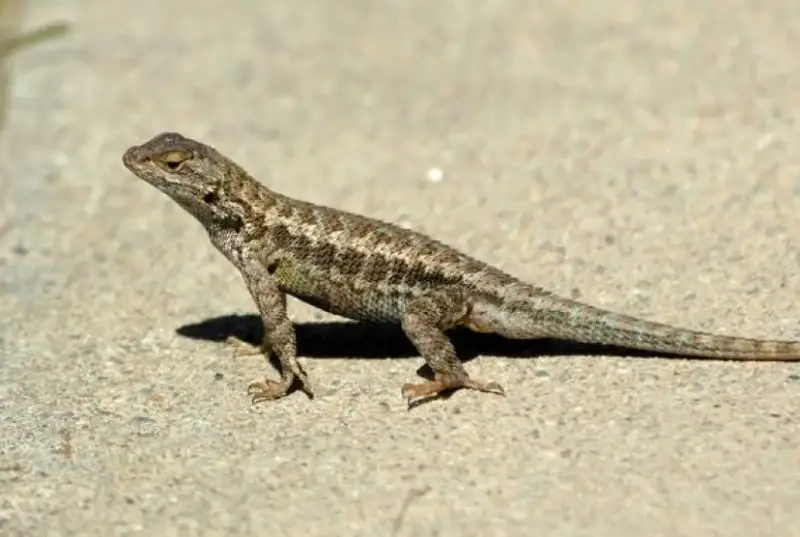
When winter settles across Nevada, the landscape changes dramatically. Deserts that once baked under relentless summer heat become unexpectedly cold places. Night temperatures drop sharply, frost coats the ground, and the air feels still and quiet. It is during this season that many people wonder: what happens to Nevada’s lizards, and what do they eat when everything seems lifeless and frozen?
Lizards are remarkable survivors. They belong to a world where heat dictates movement, metabolism, and survival. But Nevada’s cold season challenges them in ways that are completely different from the blazing months. Food becomes scarce. Insects disappear. Movement becomes risky. Energy must be saved, not spent. Yet somehow, these reptiles endure.
This is where the story becomes fascinating. To survive Nevada’s winter, lizards do not simply “tough it out.” They rely on ancient instincts, biological adaptations, and extremely strategic feeding behavior.
Let’s explore how they do it.
Table of Contents
- 1 Nevada’s Cold Season and What It Means for Lizards
- 2 Lizards Don’t Truly “Eat Normally” in Nevada Winter
- 3 Brumation: The Winter Survival Strategy
- 4 How Lizards Prepare for Nevada’s Winter Food Shortage
- 5 Where Nevada Lizards Spend Winter While Not Eating
- 6 Do Nevada Lizards Ever Eat During Winter?
- 7 What Types of Food Are Even Available During Nevada Winter?
- 8 Species Spotlight: Nevada Lizards and Their Winter Feeding Behavior
- 9 Hydration Matters Just as Much as Food
- 10 The Energy Balance Strategy
- 11 How Climate Change May Affect Winter Feeding
- 12 Why Understanding Winter Feeding Helps Wildlife Enthusiasts
- 13 Winter Survival Is a Test — and Nevada Lizards Pass It Every Year
- 14 FAQs About Lizards and Winter Feeding in Nevada
- 15 Final Thoughts
Nevada’s Cold Season and What It Means for Lizards
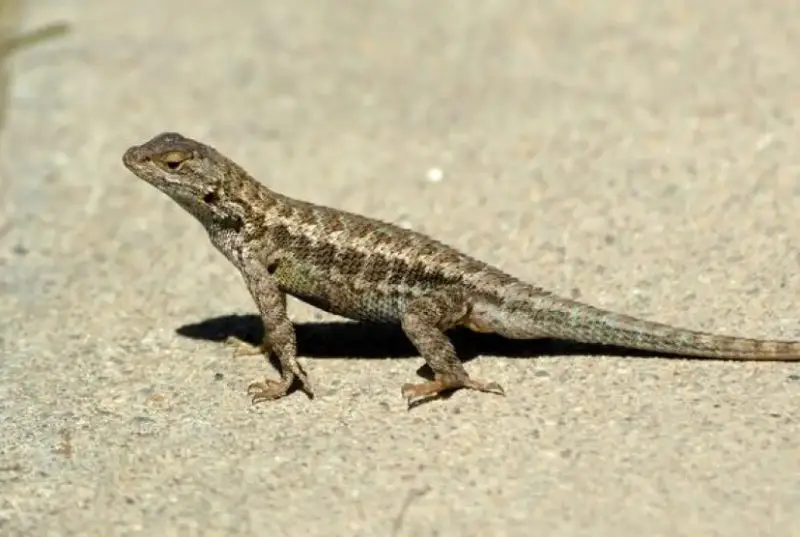
Nevada isn’t cold everywhere, all winter, all the time. But large portions of the state experience significant winter temperature drops, especially at higher elevations and desert valleys after sunset.
Temperature Dictates Everything
Lizards are ectothermic, meaning they rely on external heat to warm their bodies. When temperatures fall, their bodies cannot generate enough internal heat to stay active. Movements slow. Reactions weaken. Hunting becomes nearly impossible.
Cold weather doesn’t just make life uncomfortable.
It shuts lizards down.
This environmental reality changes everything about their diet and feeding habits. Unlike birds or mammals that must keep eating to fuel their warm bodies, lizards have another strategy.
They simply stop.
Lizards Don’t Truly “Eat Normally” in Nevada Winter
A crucial point needs to be clear:
Most Nevada lizards do not actively feed during the coldest part of winter.
Instead, they enter a state known as brumation.
Brumation: The Winter Survival Strategy
Brumation is often compared to hibernation, but it is slightly different. Mammals hibernate with internal metabolic changes that allow them to sleep deeply for long periods. Lizards in brumation remain semi-alert. They slow down. They conserve energy. But they do not completely “shut off.”
What Happens During Brumation?
• Their metabolism slows dramatically
• Heart rate drops
• Digestion nearly stops
• Appetite disappears
• Movement is minimal
• Body temperature matches the environment
Because their metabolism is slow, they simply don’t need much food.
Instead of eating frequently, Nevada lizards survive winter by depending on:
• Fat reserves stored during warmer months
• Occasional very small feeding opportunities
• Moisture intake when available
This is why what they eat before winter is just as important as what they might eat during it.
How Lizards Prepare for Nevada’s Winter Food Shortage
Long before temperatures drop, Nevada lizards begin preparing. Late summer and fall become crucial survival windows. During this time, feeding becomes more focused and strategic.
Building Fat Reserves
During late summer through early autumn:
• Lizards hunt more actively
• They consume higher volumes of insects
• They take advantage of seasonal abundance
Common prey includes:
• crickets
• beetles
• grasshoppers
• moth larvae
• spiders
• small invertebrates
All of this helps build fat stores, usually around organs and in the tail depending on the species. These reserves later provide slow, steady energy through the winter months when feeding opportunities disappear.
Where Nevada Lizards Spend Winter While Not Eating
Feeding behavior in winter is tied directly to shelter. To survive, lizards must choose winter hiding places that protect them from freezing temperatures and harsh winds.
Typical Winter Shelters Include:
• crevices in rocky slopes
• burrows underground
• cracks in desert cliffs
• abandoned small mammal burrows
• beneath thick vegetation and shrubs
• inside fallen logs or rock piles
Underground burrows are particularly important because temperatures below the surface remain more stable. This reduces energy loss and prevents freezing.
Inside these hidden winter shelters, feeding almost stops completely. But that doesn’t mean lizards never eat at all during cold months.
Do Nevada Lizards Ever Eat During Winter?
Surprisingly, yes—sometimes.
While deep brumation means long periods without feeding, Nevada winters are not uniformly freezing every day. The desert is unpredictable. Warm spells occasionally occur. Temperatures rise. Sun returns. And when they do, something amazing happens.
Short Winter Warm-Ups Mean Feeding Opportunities
If temperatures increase enough:
• Lizards may briefly wake
• They emerge from hiding
• They bask to warm their bodies
• And sometimes, they hunt
However, these feeding windows are short and rare. Food availability is also extremely limited. But during these short bursts, they will consume whatever small insects or arthropods they can find.
This behavior ensures:
• Slight energy boost
• Hydration through prey moisture
• Support for weakened body condition
Still, most of a Nevada lizard’s winter survival depends on energy conservation, not eating.
What Types of Food Are Even Available During Nevada Winter?
Winter wipes out most obvious insect life. But not everything disappears.
Possible Winter Food Sources Include:
• overwintering insects hiding under bark
• small beetles still active in sheltered environments
• spiders hiding in sheltered cracks
• larval insects that didn’t fully develop before winter
• ants moving below the surface during warmer bursts
Nevada’s desert ecosystem continues to function even during cold months. Where there is life, there is potential prey. Lizards simply rely on instinct to find it.
Species Spotlight: Nevada Lizards and Their Winter Feeding Behavior
Different species respond to Nevada’s winter conditions in slightly different ways. While the basic strategy remains the same (brumation + energy storage), behaviors can vary.
Desert Horned Lizard
Known insect hunters during warm months, they:
• rely heavily on fat storage
• use burrows to avoid freezing
• rarely feed in winter
Western Fence Lizard
Common in many Nevada regions:
• often take advantage of occasional warm spells
• may briefly emerge to bask
• feeding is extremely limited but possible in short bursts
Side-Blotched Lizard
Small but adaptable:
• excellent at using rocky crevices
• conserve energy efficiently
• feeding almost completely stops
Collared Lizards
Powerful predators in warmer months:
• slow metabolism dramatically
• depend heavily on fat reserves
• rarely risk winter movement
Chuckwallas (where present)
These herbivorous or partially herbivorous lizards:
• depend on stored fat
• may nibble rare winter vegetation if conditions allow
• spend most winter weeks sheltered
Each species has learned one truth: winter is about survival, not eating.
Hydration Matters Just as Much as Food
Food is important, but hydration plays a massive role in winter survival.
Winter air in Nevada is surprisingly dry. Lizards cannot afford dehydration. That is why they often rely on:
• moisture stored within fat and body tissues
• condensation in sheltered burrows
• occasional water droplets during brief thaws
Unlike summer, they are not actively drinking from open water sources. But every bit of moisture counts.
The Energy Balance Strategy
Nevada lizards survive winter by winning a delicate energy battle. The key formula is simple but life-defining:
Energy stored > Energy used
They succeed through:
• long periods of inactivity
• minimal movement
• extremely slow metabolism
• strategic feeding only when safe
If they moved more, they would starve.
If they stayed exposed, they would freeze.
Winter demands discipline. Lizards evolved to meet it.
How Climate Change May Affect Winter Feeding
Nevada’s winters are changing. In some years temperatures fluctuate wildly. Sudden warm periods followed by rapid freezes can confuse natural rhythms. Lizards may emerge too early. Their metabolism may speed up before food is available.
If winters continue shifting unpredictably, future feeding strategies may be tested in ways nature never planned.
Why Understanding Winter Feeding Helps Wildlife Enthusiasts
People who enjoy Nevada’s wildlife benefit from knowing what lizards face in winter.
• You understand why you rarely see them in cold months
• You appreciate their survival intelligence
• You recognize their fragile seasonal balance
• You avoid disturbing winter shelters
Respecting brumation is essential. Disturbing lizards during winter can cost them precious energy they cannot replace.
Winter Survival Is a Test — and Nevada Lizards Pass It Every Year
Despite freezing nights, vanishing insects, and unforgiving terrain, Nevada’s lizards endure season after season. They do so not by force, but by patience. They do so not by constant feeding, but by strategic stillness.
And when spring returns?
Their world explodes with life again.
Metabolism rises.
Energy returns.
Feeding resumes.
And Nevada’s deserts fill with movement once more.
FAQs About Lizards and Winter Feeding in Nevada
Do Nevada lizards hibernate?
They enter brumation, a reptile-specific winter dormancy similar to hibernation but lighter.
Do they eat during winter?
Rarely. Most survive on stored body fat, with occasional feeding only during brief warm spells.
How long can they go without food?
Months. Their slowed metabolism reduces energy demand dramatically.
What happens if winter is extremely harsh?
Deep burrow shelters help protect them. Those with inadequate fat reserves may not survive.
Do baby lizards survive winter?
Only those born early enough to build reserves. Late hatchlings struggle.
Can people feed lizards in winter?
They do not need direct feeding and should not be disturbed.
Why don’t lizards migrate instead?
Their biology favors localized adaptation rather than long-distance travel like birds.
Do all Nevada lizards brumate?
Most terrestrial species do. Activity varies slightly depending on elevation and microclimate.
Final Thoughts
Nevada’s winter is not gentle. It strips the desert to its quiet bones. Food vanishes. Cold creeps into every shadow. But Nevada’s lizards are not victims of this season. They are masters of survival, carrying ancient instincts that allow them to endure without constant feeding.
They slow down. They hide.
They conserve. They wait.
And that patience is their greatest strength.