

Florida is one of the most important sea turtle habitats in the United States, not just during nesting season, but throughout the entire year. While many people picture sea turtles gliding through warm tropical waters, winter brings a different reality. Water temperatures cool, seasons shift, and marine life changes behavior. Yet Florida’s sea turtles remain — eating, migrating locally, adapting, and surviving through the colder months.
Winter does not stop sea turtles from feeding. Instead, it shapes what they eat, where they forage, and how they maintain their energy during cooler conditions. Florida’s coastal waters, seagrass beds, reefs, estuaries, and offshore environments still offer food, but winter availability can be very different from summer.
In this detailed winter-focused wildlife guide, we’ll explore exactly what sea turtles eat in Florida waters during winter, how diet varies by species, how cooler temperatures affect feeding behavior, and why their winter diet is critical not just for survival, but for Florida’s marine ecosystems as a whole.
Table of Contents
- 1 Winter Conditions Change Sea Turtle Feeding Behavior
- 2 Different Florida Sea Turtle Species, Different Winter Diets
- 3 Green Sea Turtles – Winter Herbivores of Florida Waters
- 4 Loggerhead Sea Turtles – Powerful Winter Predators
- 5 Kemp’s Ridley Sea Turtles – Opportunistic Winter Feeders
- 6 Hawksbill Sea Turtles – Winter Reef Specialists
- 7 Leatherback Sea Turtles – Winter Jellyfish Hunters
- 8 Do Sea Turtles Eat Less in Florida Winter?
- 9 Florida Winter Feeding Habitats for Sea Turtles
- 10 Human Influence on Sea Turtle Winter Diet
- 11 Why Sea Turtle Winter Diet Matters to Florida Ecosystems
- 12 FAQs About What Sea Turtles Eat in Winter in Florida
- 12.1 Do sea turtles stop eating in Florida winter?
- 12.2 Do all sea turtles eat the same foods in winter?
- 12.3 Do sea turtles stay in Florida all winter?
- 12.4 What is the most important winter food for Green Sea Turtles?
- 12.5 What do Loggerhead turtles eat most in winter?
- 12.6 Are sea turtles less active in cold weather?
- 12.7 Do Florida Keys sea turtles eat during winter?
- 12.8 Can cold weather harm sea turtles?
- 13 Final Thoughts
Winter Conditions Change Sea Turtle Feeding Behavior
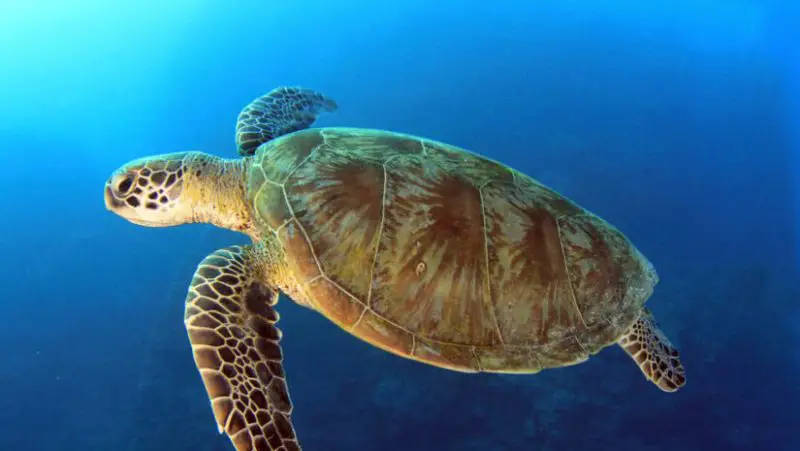
Florida is warmer than most places in the U.S., but winter still brings noticeable changes in water temperature, especially along the Atlantic Coast and Gulf of Mexico. Colder water can slow sea turtle metabolism, influence where they travel, and affect how often and how intensely they feed.
Sea turtles are ectothermic (cold-blooded). This means:
• cooler water slows their activity
• digestion becomes slower
• energy use becomes more efficient
• feeding patterns adjust to temperature
During warm seasons, sea turtles may feed more frequently to support growth and migration. In winter, they often feed less often but still rely on stable, nutritionally rich foods to maintain health.
Some turtles move toward slightly warmer areas like:
• deeper offshore waters
• warm-water currents
• Florida Keys and South Florida
• power plant outflows (unfortunately)
• natural warm-water pockets
However, unlike animals that hibernate, sea turtles do not stop eating in winter. They remain active and continue feeding — they simply become more selective, adapted, and efficient.
Different Florida Sea Turtle Species, Different Winter Diets
Florida is home to several sea turtle species, and each has a different feeding strategy. That means winter diet varies dramatically depending on the species.
The most common sea turtles feeding in Florida winter waters include:
• Green Sea Turtles
• Loggerhead Sea Turtles
• Kemp’s Ridley Sea Turtles
• Hawksbill Sea Turtles
• Leatherback Sea Turtles (less common but present)
Each species has a unique mouth structure, digestive system, and hunting style. These differences shape their winter meals.
Let’s break down what each species primarily eats during Florida’s colder months.
Green Sea Turtles – Winter Herbivores of Florida Waters
Green Sea Turtles are one of the most common sea turtles feeding in Florida winter waters. Unlike many other sea turtles, adult greens are primarily herbivores. They rely heavily on plant-based foods even in colder months.
Their main winter foods include:
• seagrass
• algae
• marine vegetation
Florida’s seagrass beds become critical winter feeding grounds. Areas such as:
• Indian River Lagoon
• Florida Keys seagrass meadows
• Gulf Coast shallow waters
• Estuary grass beds
remain active feeding zones. Even during winter, Florida’s seagrass ecosystems continue to support life, making Green Sea Turtles particularly well suited to winter survival.
Seagrass provides:
• carbohydrates for energy
• fiber for digestion
• essential nutrients
Even though winter slows seagrass growth slightly, it rarely disappears completely in Florida’s relatively mild climate. This makes Florida one of the most important winter refuges for herbivorous sea turtles in North America.
When algae remains available, it also becomes an important winter backup food source.
Green turtles feeding in winter help maintain seagrass balance, preventing overgrowth and supporting ecosystem health.
Loggerhead Sea Turtles – Powerful Winter Predators
Loggerhead Sea Turtles are one of Florida’s most iconic winter marine predators. With their incredibly strong jaws and powerful heads, they specialize in eating hard-shelled prey. Winter does not stop them — it simply changes prey availability.
During winter in Florida waters, Loggerheads mainly feed on:
• crabs
• clams
• whelks
• conchs
• mollusks
• shrimp
• sea urchins (occasionally)
Their crushing bite allows them to break tough shells easily. Many of these prey animals remain active in Florida waters year-round, meaning Loggerheads continue to find reliable winter food. Florida’s estuaries, offshore sandy bottoms, reefs, and coastal areas remain key winter hunting grounds.
They frequently forage:
• near reefs
• along sandy ocean floors
• around rocky structures
• near Gulf and Atlantic coast feeding zones
Because winter prey contains high protein and fat, Loggerheads maintain body strength even when feeding less frequently.
Their winter diet also supports Florida marine balance by keeping crab and mollusk populations naturally regulated.
Kemp’s Ridley Sea Turtles – Opportunistic Winter Feeders
Kemp’s Ridley Sea Turtles are the rarest sea turtle species in the world, but Florida plays an extremely important winter role for those that visit its waters. These turtles are primarily carnivorous and depend on coastal feeding environments rich in marine life.
In Florida winter waters, they commonly eat:
• crabs
• shrimp
• small shellfish
• marine invertebrates
They prefer shallow waters, coastal feeding zones, and estuaries. Florida’s relatively warmer winter climate compared to northern Gulf states makes it a safer overwintering region for many Kemp’s Ridleys.
Their winter diet is energy-rich, supporting active movement and survival, especially for juveniles using Florida as a seasonal refuge.
Hawksbill Sea Turtles – Winter Reef Specialists
Hawksbill Sea Turtles have one of the most specialized diets of any sea turtle species. Their narrow, hawk-like beak allows them to reach into coral crevices and reef structures to extract prey.
Even in Florida winter waters, Hawksbills primarily eat:
• sea sponges (their main food source)
• soft corals
• sea anemones
• small invertebrates within reef habitats
Florida Keys reefs are especially important winter feeding areas for Hawksbills. Even during colder months, sponges remain available, providing a consistent winter diet.
This highly specialized winter feeding helps shape reef ecosystems by controlling sponge overgrowth, allowing coral habitats to thrive. Without Hawksbills, reef balance would shift dramatically.
Leatherback Sea Turtles – Winter Jellyfish Hunters
Leatherback Sea Turtles are unique. Instead of hard shells, they have leathery, flexible bodies built for deep diving. They also have an incredibly specialized winter diet: jellyfish.
In Florida’s waters, especially offshore areas, Leatherbacks continue to feed on:
• jellyfish
• gelatinous marine animals
• comb jellies
Leatherbacks remain active in winter because jellyfish do not disappear completely from Florida waters. These turtles can withstand cooler water than many other species, making Florida an important winter hunting area when conditions allow.
Their winter diet also benefits Florida’s marine ecosystem by reducing jellyfish blooms.
Do Sea Turtles Eat Less in Florida Winter?
Yes — generally, they do.
Colder conditions mean:
• slower digestion
• reduced energy needs
• slower movement
• fewer feeding trips
However, they still eat regularly enough to maintain health. Young turtles, juveniles, and weaker individuals may struggle more in winter if food becomes scarce or waters get too cold too quickly.
In unusually cold winters, “cold-stunning” events sometimes occur, especially along northern Florida coasts. When turtles are stunned by cold, they become weak and feeding slows dramatically until rescued or warmed naturally.
In South Florida, winter feeding remains stronger due to warmer water stability.
Florida Winter Feeding Habitats for Sea Turtles
Where sea turtles feed in winter depends on species, age, and water temperature. Some of the most important Florida winter feeding areas include:
Seagrass Beds
Critical for Green Sea Turtles and some juvenile turtles.
Coral Reefs and Hardbottom Areas
Essential for Hawksbills and many Loggerheads.
Sandy and Muddy Ocean Floors
Important for Loggerheads and Kemp’s Ridleys looking for crabs, clams, and shellfish.
Estuaries and Bays
Provide warmer, nutrient-rich feeding zones.
Offshore Waters
Support Leatherbacks hunting jellyfish.
Florida’s diverse marine environments allow multiple species to thrive simultaneously during winter.
Human Influence on Sea Turtle Winter Diet
Human activity affects what sea turtles eat in winter — sometimes positively, often negatively.
They may accidentally ingest:
• plastic bags (mistaken for jellyfish)
• fishing line
• debris
• trash drifting in water
These can block digestion and become deadly.
Nutrient runoff affecting seagrass health, coral damage, boat strikes, pollution, fishing gear, and habitat disturbance can reduce natural winter food availability.
On the positive side, conservation:
• protects seagrass beds
• reduces pollution
• supports coral restoration
• monitors winter populations
• rescues cold-stunned turtles
helps ensure sea turtles continue finding winter food safely.
Why Sea Turtle Winter Diet Matters to Florida Ecosystems
Sea turtles’ winter feeding isn’t just survival — it shapes Florida’s marine environment in powerful ways.
They help:
• maintain healthy seagrass beds
• control jellyfish populations
• balance reef sponge growth
• regulate crustacean numbers
• support marine biodiversity
Without winter feeding, entire marine systems would shift.
Sea turtles are not just winter survivors. They are winter stabilizers.
FAQs About What Sea Turtles Eat in Winter in Florida
Do sea turtles stop eating in Florida winter?
No. They may slow down feeding slightly, but they continue eating throughout winter.
Do all sea turtles eat the same foods in winter?
No. Green turtles eat plants, Loggerheads eat hard-shelled prey, Hawksbills eat sponges, Leatherbacks eat jellyfish, and Kemp’s Ridleys eat crustaceans.
Do sea turtles stay in Florida all winter?
Many do, especially in warmer southern waters. Others may shift slightly offshore or to warmer regions but remain active.
What is the most important winter food for Green Sea Turtles?
Seagrass and algae remain their primary winter food source.
What do Loggerhead turtles eat most in winter?
Crabs, clams, mollusks, and hard-shelled prey.
Are sea turtles less active in cold weather?
Yes, cooler water slows movement and metabolism, but they remain capable of feeding and swimming.
Do Florida Keys sea turtles eat during winter?
Yes. The Florida Keys provide extremely important winter feeding habitats.
Can cold weather harm sea turtles?
Yes. Sudden cold can cause cold-stunning events, affecting their ability to swim and feed.
Final Thoughts
Winter changes Florida’s waters, but it does not silence them. Beneath cooler waves, sea turtles continue to move, forage, and feed — adapting as they always have. From Green Sea Turtles calmly grazing seagrass beds to Loggerheads crushing crabs on sandy bottoms, from Hawksbills working coral reefs to Leatherbacks drifting offshore in search of jellyfish, every species finds its place and its winter meal.
Their winter diet tells a story of survival, adaptation, and deep connection with Florida’s marine ecosystems. Protecting their winter food sources means protecting Florida’s ocean health itself.
So if you ever wonder what sea turtles eat when Florida’s waters cool, the answer is powerful and simple: they eat what keeps the ocean alive — and in doing so, they help keep it thriving.