
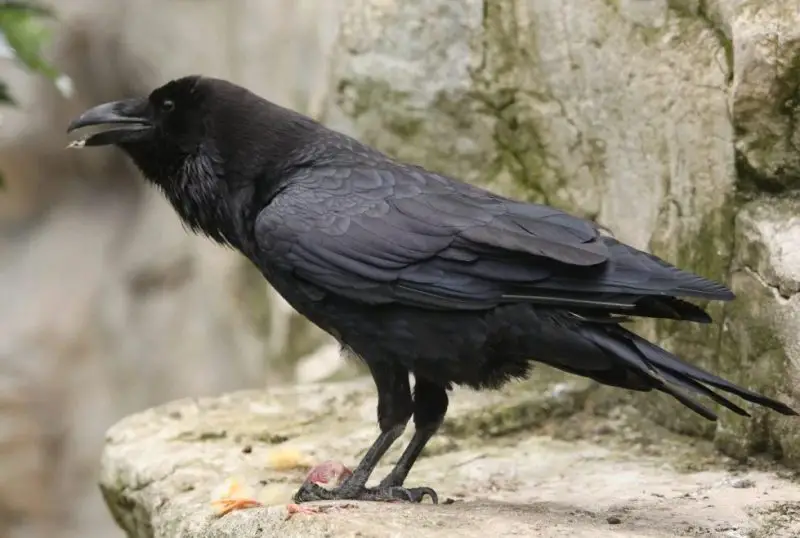
Crows are not just background noise in Connecticut neighborhoods. They are not random birds drifting through without purpose or pattern. They are structured, observant, and deeply connected to the spaces they occupy. What looks like a single crow perched on a fence or calling from a tree is often part of a much larger system of awareness and behavior unfolding quietly across your yard.
Most residents see crows as common. Familiar. Easy to ignore. But that familiarity hides something more complex. These birds are among the most intelligent animals in North America, capable of recognizing faces, remembering locations, and making decisions based on past experiences. In many Connecticut neighborhoods, crows are not visitors. They are long-term occupants that have learned how to navigate human environments with remarkable precision.
Once you begin to notice their patterns, the ordinary backyard starts to reveal a different kind of activity. One that is deliberate, consistent, and far more organized than it appears.
Table of Contents
- 1 Crows Establish Territory and Stay There
- 2 Their Movements Follow Predictable Routes
- 3 Crows Are Constantly Observing You
- 4 Your Yard Is a Resource Zone
- 5 Their Intelligence Shapes Their Behavior
- 6 Social Structure Is More Complex Than It Looks
- 7 They Remember Food Locations
- 8 Seasonal Changes Influence Their Activity
- 9 Noise Has Meaning
- 10 They Influence Other Wildlife
- 11 Why They Keep Coming Back
- 12 Managing Their Presence Requires Understanding
- 13 FAQs About Crows in Connecticut Yards
- 13.1 Are crows dangerous to humans?
- 13.2 Why do crows gather in large groups?
- 13.3 Do crows remember people?
- 13.4 What attracts crows to my yard?
- 13.5 Are crows beneficial?
- 13.6 Why are crows so noisy?
- 13.7 Can crows damage property?
- 13.8 Do crows stay in the same area year-round?
- 13.9 How can I reduce crow activity?
- 13.10 Are crows protected?
- 14 Final Thoughts
Crows Establish Territory and Stay There
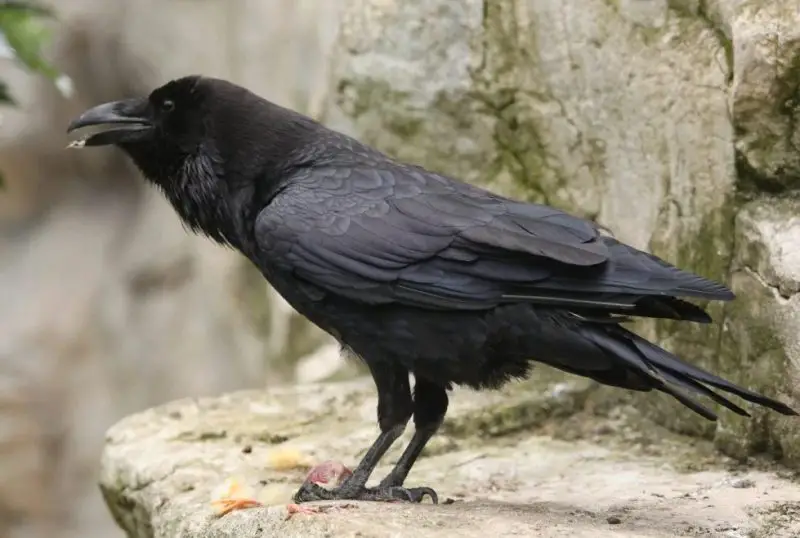
One of the most overlooked facts about crows is that they are highly territorial. They do not wander aimlessly from place to place. Instead, they establish defined areas where they live, feed, and interact.
In Connecticut, a crow family may occupy the same territory for years. This territory often includes a mix of trees, open ground, rooftops, and human structures. If your yard falls within that range, it becomes part of their daily routine.
What surprises many homeowners is how stable these territories are. The same crows you see today are likely the same individuals you saw weeks or even months ago. They remember the layout of the area, the availability of food, and the level of safety.
This means their presence is not random. It is intentional and repeated.
Their Movements Follow Predictable Routes
Crows may appear unpredictable when they fly, but their movement is often structured around familiar paths. They use trees, rooftops, fences, and utility lines as part of a network that allows them to travel efficiently.
In a Connecticut yard, this can look like repeated patterns. A crow landing on the same branch each morning. Flying across the same section of sky at the same time each day. Gathering in specific spots before moving on.
These are not coincidences. They are part of a learned system that helps crows conserve energy and reduce risk.
Over time, these routes become embedded in their behavior. Even small changes in the environment can influence how they adjust these paths, but the underlying structure remains.
Crows Are Constantly Observing You
One of the most underestimated aspects of crow behavior is their ability to observe and remember human activity.
Crows can recognize individual faces. They can distinguish between people who pose a threat and those who do not. And they can remember these distinctions over long periods.
In Connecticut neighborhoods, this means crows are often watching more than people realize. They observe routines. They learn patterns. They adjust their behavior accordingly.
If a homeowner regularly feeds birds, crows may take notice. If someone frequently disturbs them, they may respond with caution or avoidance.
This level of awareness creates a subtle interaction between humans and crows that most people never fully recognize.
Your Yard Is a Resource Zone
To a crow, your yard is not just open space. It is a resource zone filled with opportunities.
Food sources are a major factor. Insects in the soil, fallen fruit, seeds from feeders, and even scraps from trash can all attract crows. They are highly adaptable and will take advantage of whatever is available.
Water is another important element. Birdbaths, puddles, and even pet water bowls can serve as drinking sources.
Shelter and vantage points also matter. Trees provide nesting sites and lookout positions. Fences and rooftops offer elevated views.
When a yard offers multiple resources, it becomes more than just a passing stop. It becomes part of a crow’s core territory.
Their Intelligence Shapes Their Behavior
Crows are not reacting blindly to their environment. Their behavior is shaped by problem-solving and memory.
They can use tools, solve complex tasks, and adapt quickly to new situations. In a residential setting, this intelligence becomes highly visible.
They may learn how to access food from difficult locations. They may figure out how to avoid deterrents. They may even adjust their timing to avoid human activity.
This adaptability is one of the reasons crows thrive in Connecticut’s mix of urban and suburban environments.
It also means that simple solutions to discourage them are often temporary. Crows learn. And they adjust.
Social Structure Is More Complex Than It Looks
Crows are not solitary birds. They live in family groups and maintain complex social relationships.
In Connecticut, a typical group may include a breeding pair and several offspring from previous years. These younger birds often help raise new chicks, creating a cooperative system.
This structure influences how crows behave in your yard. When you see multiple crows together, they are often part of the same family unit.
They communicate constantly, using a variety of calls to signal danger, share information, and coordinate movement.
This communication can make their presence feel more intense, especially when multiple birds respond to a perceived threat.
They Remember Food Locations
Crows have excellent spatial memory. They remember where food is located and return to those spots repeatedly.
If your yard provides a consistent food source, crows will incorporate it into their routine. They may visit at the same time each day, checking for new opportunities.
This behavior can create the impression that they are “targeting” a specific property. In reality, they are following a learned pattern based on past success.
Even small changes, such as removing a food source, can alter their behavior over time. But the memory of that location may persist.
Seasonal Changes Influence Their Activity
Crow behavior in Connecticut shifts with the seasons, but these changes are often subtle.
In spring, breeding season brings increased activity. Crows become more territorial and more vocal. They may be more protective of nesting areas.
Summer is focused on feeding and raising young. Activity levels remain high, but patterns become more stable.
In fall, crows may begin to gather in larger groups. These gatherings can appear sudden and dramatic, especially as birds move toward communal roosting sites.
Winter brings a different dynamic. Crows often form larger flocks, sharing information about food sources and shelter.
These seasonal shifts create variations in how crows use your yard, even though their overall presence remains consistent.
Noise Has Meaning
Crow calls are not random noise. They carry information.
Different sounds can signal danger, attract attention, or coordinate movement. While it may sound like simple cawing, there is structure behind it.
In a Connecticut yard, increased vocal activity often indicates a response to something specific. A predator, a disturbance, or even human presence can trigger calls.
Understanding this can change how you interpret their behavior. Noise becomes communication rather than disruption.
They Influence Other Wildlife
Crows are not isolated from the rest of the ecosystem. Their presence affects other animals in your yard.
They may compete with smaller birds for food. They may deter certain predators through their vigilance. They may even scavenge remains that would otherwise attract other species.
In this way, crows play a role in shaping the broader environment.
Their impact is not always obvious, but it is consistent.
Why They Keep Coming Back
One of the most common questions homeowners have is why crows return again and again.
The answer lies in consistency.
If a yard provides food, safety, and reliable structure, it becomes part of a crow’s established territory. As long as those conditions remain, the birds have little reason to leave.
Their memory reinforces this behavior. Successful experiences are repeated. Familiar locations are revisited.
This persistence can make it feel like crows are impossible to deter. In reality, their behavior is logical and predictable.
Managing Their Presence Requires Understanding
Trying to remove crows entirely from a Connecticut yard is not realistic. They are part of the environment.
But their presence can be influenced.
Reducing food availability, altering access points, and changing certain environmental features can shift how they use a space.
The key is consistency. Short-term changes often lead to short-term results. Long-term adjustments create lasting impact.
Understanding their behavior is the first step. Once you see the patterns, you can begin to influence them.
FAQs About Crows in Connecticut Yards
Are crows dangerous to humans?
Crows are generally not dangerous, but they can become defensive during nesting season if they feel threatened.
Why do crows gather in large groups?
They gather for social reasons, information sharing, and safety, especially during colder months.
Do crows remember people?
Yes, they can recognize and remember human faces over long periods.
What attracts crows to my yard?
Food sources, water, and safe perching or nesting areas are the main factors.
Are crows beneficial?
Yes, they help control insect populations and clean up organic waste.
Why are crows so noisy?
Their calls are a form of communication, often signaling danger or coordinating with other birds.
Can crows damage property?
They typically do not cause structural damage, but they may disturb gardens or trash.
Do crows stay in the same area year-round?
Many do, especially if the environment provides consistent resources.
How can I reduce crow activity?
Limiting food sources and altering habitat features can reduce their presence.
Are crows protected?
Yes, they are protected under wildlife laws and should not be harmed.
Final Thoughts
Crows in Connecticut are not random, unpredictable birds passing through your yard. They are intelligent, observant, and deeply connected to the spaces they occupy. Their behavior is structured. Their presence is intentional. Their impact is subtle but constant.
Once you begin to recognize their patterns, everything changes.
What once felt like background activity becomes visible as a system. Movements make sense. Sounds carry meaning. Presence becomes predictable.
And with that understanding comes a different kind of control.
Not control over the birds themselves, but over how you interact with them. How you shape your environment. How you respond to what is already there.
Your yard does not belong to you alone.
And the crows know it.