
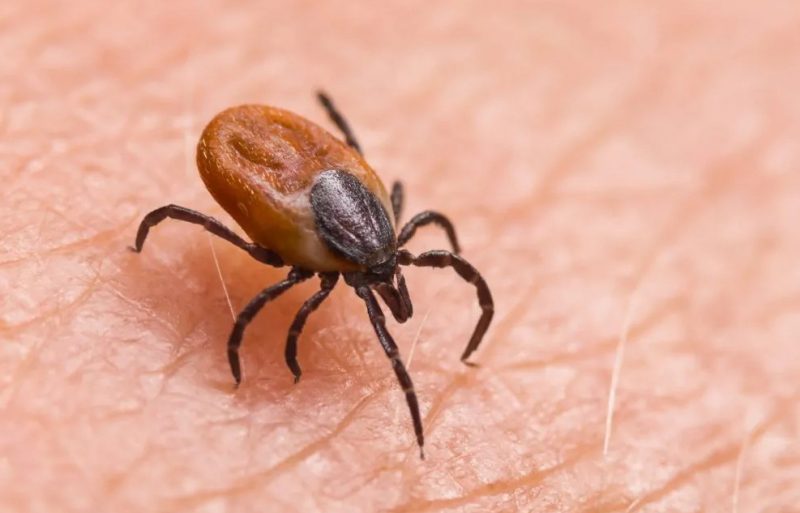
People tend to worry most about mosquitoes in summer or wasps during backyard gatherings in Pennsylvania. Yet the most consequential threat often goes unnoticed. It does not buzz, sting, or announce itself. It waits quietly in leaf litter, tall grass, and shaded woodland edges. By the time most people realize it was there, it is already gone.
The deer tick has reshaped public health in Pennsylvania more than any other insect. Small, patient, and remarkably efficient, it spreads a growing list of diseases while remaining almost invisible to its host. The bite is usually painless. The consequences can linger for months, years, or even a lifetime.
Understanding how deer ticks live, where they thrive, and how disease transmission actually happens is no longer optional in Pennsylvania. It is part of everyday outdoor awareness.
Table of Contents
- 1 Why Deer Ticks Matter More in Pennsylvania Than Almost Anywhere Else
- 2 What Exactly Is a Deer Tick
- 3 The Deer Tick Life Cycle and Why It Increases Risk
- 4 Where Deer Ticks Are Found Across Pennsylvania
- 5 How the Bite Goes Unnoticed
- 6 Lyme Disease and Pennsylvania
- 7 Anaplasmosis and Ehrlichiosis
- 8 Babesiosis and the Hidden Blood Infection
- 9 Powassan Virus and Rare but Severe Risk
- 10 Why Disease Spread Is Increasing
- 11 Pets as Sentinels and Risk Factors
- 12 Recognizing Early Warning Signs
- 13 Tick Checks and Why They Matter
- 14 Safe Tick Removal
- 15 Testing, Diagnosis, and Treatment
- 16 Why Some Cases Go Unrecognized
- 17 Reducing Risk Around the Home
- 18 Outdoor Awareness Without Fear
- 19 Public Health and the Road Ahead
- 20 The Quiet Nature of the Threat
- 21 FAQs About Deer Ticks and Tick-Borne Diseases in Pennsylvania
- 21.1 Are deer ticks common throughout Pennsylvania
- 21.2 Why is Pennsylvania so heavily affected by tick-borne diseases
- 21.3 What diseases do deer ticks spread in Pennsylvania
- 21.4 Do deer tick bites hurt when they happen
- 21.5 How long does a tick need to be attached to spread disease
- 21.6 Are nymph ticks more dangerous than adult ticks
- 21.7 Can you get sick without seeing a tick or rash
- 21.8 What should I do if I find a tick attached to my skin
- 21.9 Can pets bring deer ticks into the home
- 21.10 When is deer tick season in Pennsylvania
- 22 Final Thoughts
Why Deer Ticks Matter More in Pennsylvania Than Almost Anywhere Else
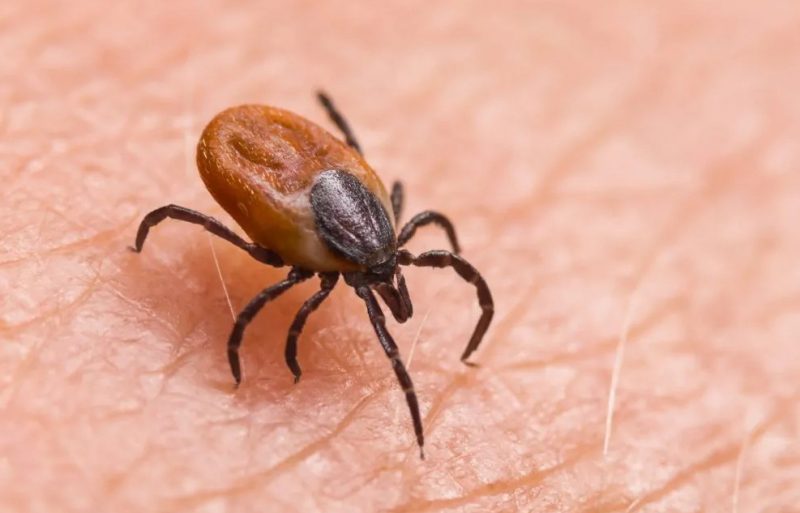
Pennsylvania consistently reports some of the highest numbers of tick-borne illnesses in the United States. This is not accidental. The state’s geography, wildlife populations, climate trends, and land use patterns have combined to create near-perfect conditions for deer ticks to thrive.
Mixed hardwood forests dominate large portions of the state. Suburbs often border wooded land rather than replacing it. White-tailed deer populations remain high. Small mammals such as mice, chipmunks, and shrews are abundant. Together, they form a continuous ecological loop that sustains tick populations year after year.
Unlike insects that surge and fade, deer ticks persist. Their presence is stable, expanding, and increasingly woven into daily life.
What Exactly Is a Deer Tick
The deer tick, also known as the blacklegged tick, is scientifically distinct from larger, more familiar ticks. Adults are roughly the size of a sesame seed. Nymphs, which are responsible for most disease transmission, are closer to the size of a poppy seed.
Their small size is their greatest advantage. They are easy to miss on skin, clothing, and pets. Many people never notice a tick bite until symptoms appear days or weeks later.
Deer ticks do not jump or fly. They wait. This behavior, called questing, involves climbing vegetation and extending their front legs to latch onto passing hosts.
The Deer Tick Life Cycle and Why It Increases Risk
Deer ticks develop through four stages: egg, larva, nymph, and adult. This process usually spans two years.
Larvae hatch uninfected. They acquire pathogens when feeding on infected small mammals, particularly white-footed mice. Once infected, they can transmit disease during later feedings.
Nymphs emerge in late spring and early summer. This stage accounts for the majority of human infections. Nymphs are active when people are outdoors more often, and their tiny size makes detection difficult.
Adults are most active in fall and early spring. They are easier to spot but still capable of transmission.
Where Deer Ticks Are Found Across Pennsylvania
Deer ticks are present in all 67 counties of Pennsylvania. While forested regions historically saw higher concentrations, suburban and even urban areas are increasingly affected.
High-risk environments include:
-
Forest edges where lawns meet woods
-
Leaf litter and brush piles
-
Tall grass and unmanaged vegetation
-
Stone walls and log piles
-
Trails with overhanging plants
Ticks are not confined to wilderness. Backyards, school grounds, parks, and neighborhood walking paths all serve as exposure zones.
How the Bite Goes Unnoticed
A deer tick bite rarely hurts. Their saliva contains compounds that numb the skin and suppress immune response. This allows the tick to feed for extended periods without detection.
Feeding can last several days. The longer a tick remains attached, the higher the risk of disease transmission.
Because the bite itself is silent, many people never associate later symptoms with a tick encounter.
Lyme Disease and Pennsylvania
Lyme disease is the most well-known illness spread by deer ticks, and Pennsylvania reports tens of thousands of cases annually.
Early symptoms may include fatigue, fever, headache, joint pain, and swollen lymph nodes. A rash may appear, sometimes forming the classic bull’s-eye pattern, but not always.
When untreated, Lyme disease can progress to affect the joints, nervous system, and heart. Chronic symptoms may persist even after treatment in some individuals.
Anaplasmosis and Ehrlichiosis
These bacterial infections are less widely known but increasingly diagnosed in Pennsylvania.
Symptoms often resemble flu-like illness: fever, chills, muscle aches, and headaches. Because symptoms are nonspecific, diagnosis may be delayed.
Both conditions can become severe if untreated, particularly in older adults or those with compromised immune systems.
Babesiosis and the Hidden Blood Infection
Babesiosis is caused by a parasite that infects red blood cells. It is more common in the Northeast and is steadily increasing in Pennsylvania.
Many infections are mild or asymptomatic. Others cause fatigue, fever, anemia, and dark urine. In severe cases, organ failure can occur.
Because symptoms may be subtle, babesiosis is often underdiagnosed.
Powassan Virus and Rare but Severe Risk
Powassan virus is rare but serious. It can cause inflammation of the brain and spinal cord.
Unlike bacterial infections, Powassan virus may be transmitted quickly after tick attachment. Symptoms include fever, confusion, seizures, and neurological deficits.
While cases remain uncommon, awareness is growing due to the severity of outcomes.
Why Disease Spread Is Increasing
Several factors contribute to rising tick-borne illness in Pennsylvania.
Warmer winters allow more ticks to survive year-round. Suburban expansion increases human contact with tick habitat. Deer populations sustain adult ticks, while mice and small mammals amplify infection cycles.
At the same time, people spend more time outdoors for recreation, gardening, and exercise.
Pets as Sentinels and Risk Factors
Dogs and cats are frequently exposed to deer ticks. Pets can carry ticks into homes without showing immediate symptoms.
Veterinarians in Pennsylvania regularly diagnose tick-borne illness in dogs, sometimes before human cases spike in the same area.
Preventive treatments for pets reduce both animal illness and household exposure.
Recognizing Early Warning Signs
Early recognition improves outcomes dramatically.
After potential exposure, watch for fever, fatigue, muscle aches, headaches, joint pain, or rash. Symptoms may appear days to weeks after a bite.
Any unexplained illness during tick season warrants medical attention, especially if outdoor exposure occurred.
Tick Checks and Why They Matter
Routine tick checks remain one of the most effective prevention strategies.
Inspect the scalp, behind ears, under arms, behind knees, waistlines, and groin. Showering soon after outdoor activity may help remove unattached ticks.
Removing a tick promptly reduces the likelihood of disease transmission.
Safe Tick Removal
Use fine-tipped tweezers. Grasp the tick close to the skin and pull upward with steady pressure. Do not twist or crush the tick.
Clean the area afterward. Save the tick if identification may be needed.
Folk remedies such as heat or chemicals increase risk and should be avoided.
Testing, Diagnosis, and Treatment
Doctors rely on symptoms, exposure history, and laboratory tests to diagnose tick-borne diseases.
Early antibiotic treatment is highly effective for bacterial infections. Delayed diagnosis increases the risk of complications.
Viral infections require supportive care and monitoring.
Why Some Cases Go Unrecognized
Because symptoms mimic common illnesses, tick-borne disease is often misdiagnosed or overlooked.
Not all patients recall a bite. Not all rashes are obvious. Blood tests may be negative early in infection.
Persistence and awareness are essential.
Reducing Risk Around the Home
Landscape management plays a major role in prevention.
Keep grass trimmed. Remove leaf litter. Create barriers between lawns and wooded areas. Stack firewood away from the house.
These measures reduce tick habitat without harming ecosystems.
Outdoor Awareness Without Fear
Deer ticks are now part of Pennsylvania’s landscape. Avoiding panic while staying informed is the goal.
Simple habits, consistent awareness, and early action protect health without sacrificing outdoor life.
Public Health and the Road Ahead
As tick populations expand, surveillance and education remain critical. Pennsylvania continues to invest in monitoring programs, physician training, and public awareness.
Individual actions still matter most.
The Quiet Nature of the Threat
What makes deer ticks dangerous is not aggression or venom. It is subtlety.
They operate silently, efficiently, and persistently. Their impact unfolds slowly, often disconnected from the moment of exposure.
This quiet nature is why vigilance matters.
FAQs About Deer Ticks and Tick-Borne Diseases in Pennsylvania
Are deer ticks common throughout Pennsylvania
Yes. Deer ticks are established in all counties of Pennsylvania and are especially common in wooded areas, suburban neighborhoods near forests, parks, and backyard edges.
Why is Pennsylvania so heavily affected by tick-borne diseases
Pennsylvania has ideal conditions for deer ticks, including dense forests, abundant white-tailed deer, large mouse populations, and expanding suburban development that increases human exposure.
What diseases do deer ticks spread in Pennsylvania
Deer ticks can transmit Lyme disease, anaplasmosis, babesiosis, ehrlichiosis, and in rare cases, Powassan virus.
Do deer tick bites hurt when they happen
Usually no. Deer tick bites are often painless because the tick’s saliva numbs the skin, which is why many people do not realize they were bitten.
How long does a tick need to be attached to spread disease
For most bacterial diseases like Lyme, the risk increases after 24–36 hours of attachment. However, some pathogens may transmit more quickly.
Are nymph ticks more dangerous than adult ticks
Yes. Nymphs cause most human infections because they are very small, hard to detect, and active during peak outdoor seasons.
Can you get sick without seeing a tick or rash
Yes. Many people never notice a tick bite, and not everyone develops a bull’s-eye rash. Flu-like symptoms alone can signal infection.
What should I do if I find a tick attached to my skin
Remove it promptly with fine-tipped tweezers, clean the area with soap and water, and monitor for symptoms over the next several weeks.
Can pets bring deer ticks into the home
Yes. Dogs and cats frequently carry ticks indoors. Regular tick prevention for pets reduces risk for both animals and people.
When is deer tick season in Pennsylvania
Ticks can be active year-round during mild weather, but the highest risk periods are late spring through summer and again in the fall.
Final Thoughts
Pennsylvania’s deer ticks are small, but their influence is vast. They have altered how people think about outdoor safety, public health, and disease prevention.
The diseases they spread do not arrive with warning. They do not announce themselves with pain or noise. They arrive quietly, and they linger.
Awareness is the strongest defense. Knowledge replaces fear with control. And in a state where forests, fields, and backyards intertwine, understanding deer ticks is no longer optional. It is essential.