
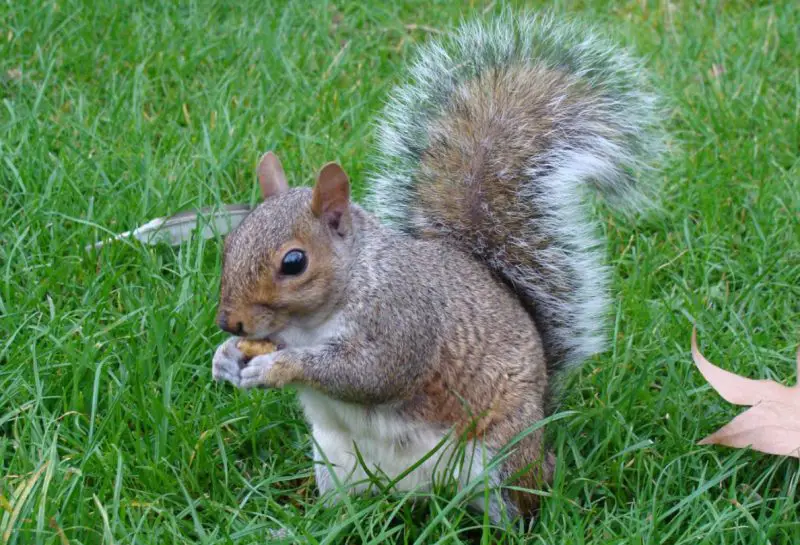
Across North Carolina, squirrels are so familiar that most people stop noticing them. They dart across fences, dig in flower beds, leap between trees, and disappear into attics or dense branches without much thought. They feel harmless. Predictable. Almost decorative in the rhythm of suburban life.
But that assumption hides something more complex.
Squirrels are not just casual visitors passing through your yard. They are highly adapted, territorial, and intelligent animals that actively shape the environment around them. Their behavior follows patterns, their movements are strategic, and their presence is often more permanent than people expect. In many neighborhoods across North Carolina, squirrels are not guests. They are long-term residents operating within a system that overlaps directly with human space.
Once you begin to look more closely, the ordinary backyard starts to reveal something else entirely. A network of routes. Feeding zones. Hidden shelters. Subtle competition. Quiet persistence. The same squirrel you see today is likely the same one that has been navigating your yard for months.
Table of Contents
- 1 Squirrels in North Carolina Are Not Just Passing Through
- 2 Their Movements Are Not Random
- 3 Your Yard Is a Food Source, Whether You Realize It or Not
- 4 Digging Is Not Random Damage
- 5 Trees Are Not Just Decoration
- 6 Rooflines and Attics Are Extensions of Their Habitat
- 7 Squirrels Are More Intelligent Than Most People Assume
- 8 They Are Constantly Watching Their Surroundings
- 9 Seasonal Behavior Changes More Than You Think
- 10 They Influence Other Wildlife in Your Yard
- 11 The Noise Factor Is Often Misunderstood
- 12 Why They Keep Coming Back
- 13 Prevention Is About Changing the Environment
- 14 FAQs About Squirrels in North Carolina Yards
- 14.1 Are squirrels dangerous to humans?
- 14.2 Why do squirrels dig in my yard?
- 14.3 Can squirrels damage my home?
- 14.4 Do squirrels remember where they bury food?
- 14.5 Are squirrels active year-round in North Carolina?
- 14.6 How can I keep squirrels off my roof?
- 14.7 Do squirrels carry diseases?
- 14.8 Why do squirrels chase each other?
- 14.9 Will removing one squirrel solve the problem?
- 14.10 Are squirrels beneficial to the environment?
- 15 Final Thoughts
Squirrels in North Carolina Are Not Just Passing Through
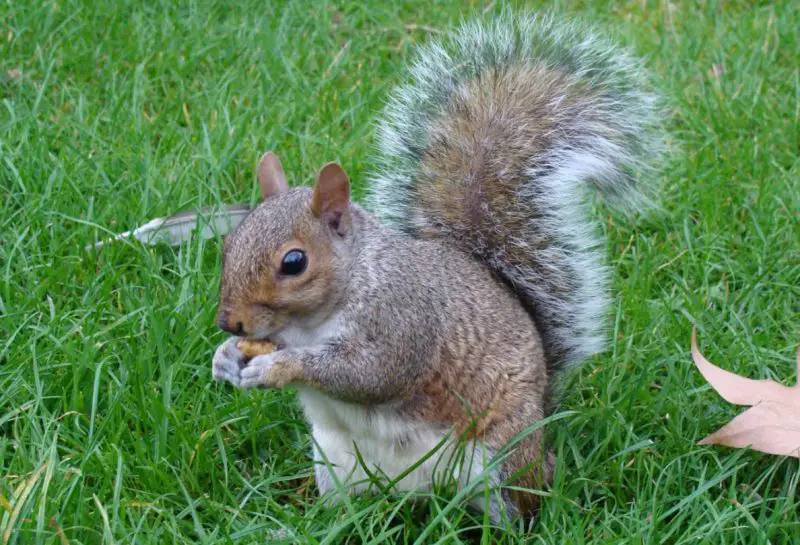
North Carolina is home to several squirrel species, but the most common in residential areas are the Eastern gray squirrel and the fox squirrel. Among them, the Eastern gray squirrel is by far the most dominant in suburban and urban environments.
These squirrels are not migratory. They establish territories and remain within relatively stable ranges, often centered around reliable food sources and nesting sites. Your yard, if it provides either, becomes part of that range.
What surprises many homeowners is how small and consistent these territories can be. A squirrel may spend most of its life within a few acres, returning to the same trees, the same routes, and the same feeding spots day after day. If your yard meets its needs, it becomes a permanent part of its routine.
This means that repeated sightings are not random. They are patterns. The squirrel you notice near your fence in the morning, the one digging near your garden in the afternoon, and the one running along your roofline at dusk may all be the same individual.
Their Movements Are Not Random
At first glance, squirrel behavior appears chaotic. Sudden bursts of movement. Quick changes in direction. Seemingly unpredictable paths. But beneath that surface is a structured system of movement shaped by memory and survival.
Squirrels develop mental maps of their environment. They remember where food is stored, which trees provide safe escape routes, and where potential threats are most likely to appear. These maps allow them to move efficiently and react quickly.
In a North Carolina backyard, this often translates into consistent travel corridors. Fence lines, tree branches, rooftops, and even power lines become highways. Once established, these routes are used repeatedly.
You might notice a squirrel crossing the same section of your fence every morning. Or running along the same branch before jumping to a nearby tree. These are not coincidences. They are part of a learned system that minimizes risk and maximizes efficiency.
Understanding this changes how you interpret their presence. Instead of random movement, you begin to see structure. Predictability. Intent.
Your Yard Is a Food Source, Whether You Realize It or Not
Many homeowners assume that unless they are actively feeding squirrels, their yard is not attracting them. But in reality, yards provide a wide range of natural and unintended food sources.
Trees produce nuts, seeds, and buds. Gardens offer fruits and vegetables. Bird feeders spill seeds onto the ground. Even trash bins and compost piles can become feeding sites. To a squirrel, these are not occasional opportunities. They are reliable resources.
Squirrels are opportunistic feeders. They will eat a wide variety of foods, adjusting their diet based on availability. In North Carolina, this adaptability allows them to thrive across seasons.
What makes this more complex is their habit of caching food. Squirrels bury nuts and seeds in multiple locations, often across an entire yard. These caches are not always recovered. Some are forgotten, contributing to plant growth. Others are relocated or stolen by other animals.
This behavior means your yard is not just a feeding ground. It is also a storage system, constantly being used and reused in ways that are largely invisible.
Digging Is Not Random Damage
One of the most common frustrations for homeowners is finding small holes scattered across lawns and garden beds. These are often attributed to “random” squirrel activity.
But digging behavior is anything but random.
Squirrels dig for two primary reasons. To bury food and to retrieve it. Each hole represents a deliberate action tied to memory and survival. When a squirrel buries a nut, it often chooses locations that are easy to recognize later, such as near specific plants, rocks, or landscape features.
In North Carolina yards, this often leads to repeated digging in the same general areas. Flower beds, soft soil, and mulched spaces are especially attractive because they are easier to dig.
What appears as damage is actually part of a highly organized system of food management. The challenge for homeowners is that this system overlaps directly with cultivated spaces.
Trees Are Not Just Decoration
Trees are central to squirrel life. They provide food, shelter, and pathways. In North Carolina, where tree cover is abundant, squirrels rely heavily on both natural forests and residential landscaping.
A single mature tree in your yard can support multiple aspects of squirrel behavior. It can serve as a nesting site, a feeding source, and a launching point for movement across the yard.
Squirrels build nests, known as dreys, in tree branches using leaves and twigs. They may also use tree cavities for more secure shelter. These nests are often reused and maintained over time.
The presence of trees also increases connectivity. Branches that extend toward roofs or other structures create access points. A squirrel that can move from tree to roof without touching the ground has a significant advantage in avoiding predators.
This is why tree placement and maintenance have a direct impact on squirrel activity in your yard.
Rooflines and Attics Are Extensions of Their Habitat
One of the most overlooked aspects of squirrel behavior is their use of human structures. To a squirrel, a house is not fundamentally different from a tree. It is a vertical structure with potential shelter and access points.
Rooflines, gutters, and vents provide entry opportunities. Once inside, attics offer warmth, protection, and space for nesting. In North Carolina, where seasonal changes include both heat and cold, these sheltered environments are especially attractive.
Squirrels are capable of gnawing through wood, plastic, and even some types of metal to create or expand entry points. This behavior is not aggressive. It is practical. Their teeth grow continuously, and gnawing is necessary to maintain them.
What makes this challenging is that these entry points are often small and difficult to detect until damage has already occurred.
Squirrels Are More Intelligent Than Most People Assume
Squirrels are often underestimated. Their small size and common presence make them easy to dismiss as simple animals. But research and observation consistently show that they possess advanced cognitive abilities.
They can solve problems, remember locations, and adapt quickly to changes in their environment. They learn from experience, adjusting their behavior based on what works and what doesn’t.
In a North Carolina backyard, this intelligence is visible in subtle ways. Squirrels learn which areas are safe and which are not. They recognize human routines. They may even alter their activity patterns based on when people are present.
This adaptability is one of the reasons they are so successful in human-dominated environments.
They Are Constantly Watching Their Surroundings
Squirrels spend a significant portion of their time observing. Their upright posture, frequent pauses, and quick head movements are all part of a continuous process of scanning for threats.
This vigilance is not random. It is a survival strategy shaped by the presence of predators such as hawks, snakes, and domestic pets.
In residential areas, humans become part of this equation. Squirrels learn to assess human behavior, distinguishing between routine activity and potential danger.
This is why they may appear bold in some situations and cautious in others. Their behavior reflects ongoing evaluation rather than fixed patterns.
Seasonal Behavior Changes More Than You Think
Squirrel activity in North Carolina shifts throughout the year, but these changes are often subtle and easy to miss.
In fall, squirrels become more active as they gather and store food. This is when digging behavior increases, and caches are established across the yard.
In winter, activity may appear to decrease, but squirrels do not hibernate. They remain active, relying on stored food and sheltered nests.
Spring brings increased movement as breeding season begins. Squirrels may become more visible and more vocal during this time.
Summer often sees a balance of feeding, nesting, and caring for young. Each season introduces different patterns, but the underlying presence remains constant.
They Influence Other Wildlife in Your Yard
Squirrels are not isolated actors. Their presence affects other species in subtle but meaningful ways.
Their caching behavior contributes to plant growth, influencing the distribution of trees and shrubs. Their nests provide shelter for other animals once abandoned. Their activity can also attract predators, shaping the broader ecosystem.
In North Carolina yards, this interconnectedness means that squirrels are part of a larger web of interactions. Removing or altering one element can have ripple effects.
Understanding this helps explain why completely eliminating squirrels is both difficult and ecologically disruptive.
The Noise Factor Is Often Misunderstood
Many homeowners notice scratching, scurrying, or thumping sounds, especially in attics or along rooflines. These noises are often attributed to general “animal activity,” but squirrels are a common source.
Their movements are quick but not silent. Running across a roof or inside an attic can produce distinct sounds, especially during early morning and late afternoon when they are most active.
These noises are not random disturbances. They are tied to daily routines. Movement between feeding sites, nests, and storage areas follows predictable timing.
Recognizing these patterns can help identify whether squirrels are using your home as part of their habitat.
Why They Keep Coming Back
One of the most frustrating aspects of dealing with squirrels is their persistence. Even after attempts to deter them, they often return.
This is not stubbornness. It is the result of strong site fidelity. Once a squirrel identifies a location as safe and resource-rich, it will continue to use it as long as those conditions remain.
In North Carolina, where climate and vegetation provide consistent resources, this persistence is especially pronounced.
Removing attractants, blocking access points, and altering landscaping can reduce activity, but these changes need to be consistent. Temporary measures often lead to temporary results.
Prevention Is About Changing the Environment
Managing squirrel activity is not about eliminating squirrels. It is about changing the conditions that attract them.
Reducing food availability, securing trash, managing bird feeders, and trimming tree branches away from structures can all make a difference.
Sealing entry points and reinforcing vulnerable areas of the home can prevent access to attics and interior spaces.
These actions do not remove squirrels from the broader environment, but they shift their behavior away from your immediate space.
FAQs About Squirrels in North Carolina Yards
Are squirrels dangerous to humans?
Squirrels are generally not dangerous, but they can bite or scratch if threatened. Direct contact should be avoided.
Why do squirrels dig in my yard?
They are usually burying or retrieving food. This behavior is part of their natural caching system.
Can squirrels damage my home?
Yes, they can chew through materials and enter attics, causing structural and insulation damage.
Do squirrels remember where they bury food?
Yes, they use memory and environmental cues to locate caches, although not all are recovered.
Are squirrels active year-round in North Carolina?
Yes, they do not hibernate and remain active throughout the year.
How can I keep squirrels off my roof?
Trimming tree branches and blocking access points are effective strategies.
Do squirrels carry diseases?
They can carry diseases, but transmission to humans is relatively rare with normal precautions.
Why do squirrels chase each other?
This is often related to territorial disputes or mating behavior.
Will removing one squirrel solve the problem?
Not necessarily. Other squirrels may move into the same area if conditions remain favorable.
Are squirrels beneficial to the environment?
Yes, they play a role in seed dispersal and ecosystem balance.
Final Thoughts
Squirrels in North Carolina are not random visitors passing through your yard. They are consistent, adaptive, and deeply integrated into the environment around your home. Their behavior is structured, their presence is persistent, and their impact is more significant than it first appears.
Once you begin to recognize the patterns, the randomness disappears. Movement becomes predictable. Damage becomes understandable. Presence becomes expected.
And that shift in perspective matters.
Because when you understand how squirrels use your yard, you gain the ability to influence that interaction. Not by force, but by awareness. Not by elimination, but by adjustment.
Your yard is not just yours. It is shared space. And squirrels know exactly how to use it.