
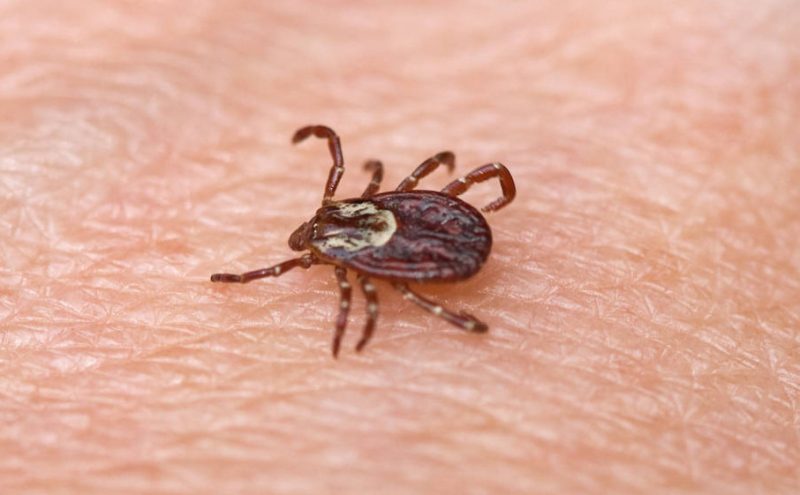
Tick bites don’t announce themselves. They don’t buzz like mosquitoes or leave an immediate sting like bees. In Oregon, they often go unnoticed until hours or even days later. That silence is exactly what makes them dangerous. Across suburban lawns, wooded edges, and even neatly maintained gardens, ticks are quietly embedded in the everyday landscape.
What many Oregon residents don’t realize is how common tick encounters have become. You don’t need to hike deep into forests or camp in remote areas to be exposed. Ticks are increasingly found in backyards, especially where natural vegetation meets human development. The line between wild habitat and residential space is thinner than it appears.
And once you begin to understand how ticks behave, where they hide, and how they interact with both people and pets, the backyard starts to look very different. What seemed like a safe, controlled environment reveals itself as part of a larger ecological system where ticks thrive.
Table of Contents
- 1 Ticks in Oregon Are More Common Than You Think
- 2 How Ticks Actually Find You
- 3 Why Tick Bites Often Go Undetected
- 4 The Real Risk Isn’t the Bite Itself
- 5 Your Backyard Is Part of a Larger Ecosystem
- 6 Seasonal Patterns Most People Miss
- 7 Pets Change the Risk Completely
- 8 Landscaping Choices That Increase Tick Presence
- 9 What Happens After a Tick Bite
- 10 The Psychological Factor Most People Ignore
- 11 Prevention Is About Awareness, Not Elimination
- 12 FAQs About Tick Bites in Oregon
- 12.1 Are tick bites common in Oregon backyards?
- 12.2 Can you get Lyme disease from a tick in Oregon?
- 12.3 How long does a tick need to be attached to transmit disease?
- 12.4 Do ticks fall from trees?
- 12.5 What should I do if I find a tick on my body?
- 12.6 Are pets at higher risk for ticks?
- 12.7 When are ticks most active in Oregon?
- 12.8 Can ticks survive in short grass?
- 12.9 Do all tick bites cause symptoms?
- 12.10 Is it possible to completely eliminate ticks from a yard?
- 13 Final Thoughts
Ticks in Oregon Are More Common Than You Think
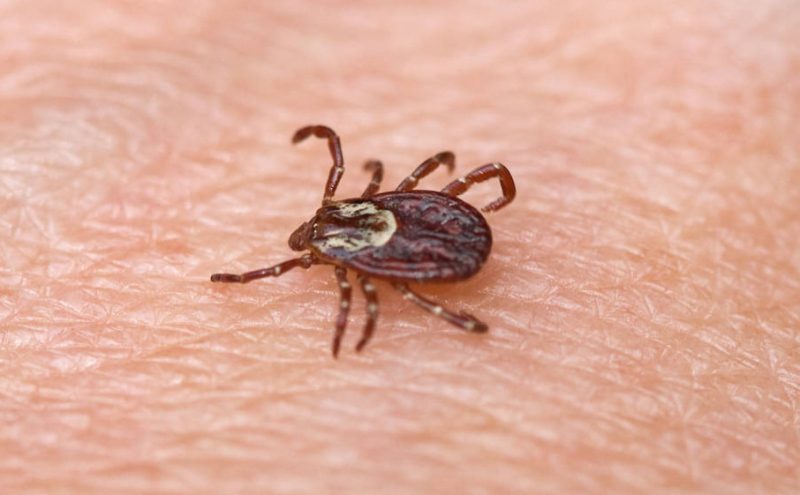
Oregon is home to several tick species, but the most commonly encountered is the Western black-legged tick, known scientifically as Ixodes pacificus. This species is particularly important because it is capable of transmitting Lyme disease, one of the most widely discussed tick-borne illnesses in North America.
Unlike the dense tick populations found in parts of the Northeast, Oregon’s tick presence can feel inconsistent. Some neighborhoods may rarely encounter them, while others experience frequent exposure. This uneven distribution often leads to a false sense of security. Just because you haven’t seen ticks recently doesn’t mean they aren’t present.
Ticks prefer environments that offer both moisture and shade. Leaf litter, tall grass, shrubs, and woodpiles provide ideal conditions. Even a well-maintained yard can harbor ticks if it borders natural areas or includes shaded landscaping. The Pacific Northwest climate, with its mild temperatures and seasonal moisture, supports tick survival longer than many people expect.
Ticks are also highly adaptable. As urban development expands into natural habitats, ticks and their hosts move along with it. This brings them closer to homes, increasing the likelihood of backyard encounters.
How Ticks Actually Find You
Ticks don’t jump or fly. Instead, they rely on a behavior known as questing. They climb to the tips of grass blades or low vegetation and extend their front legs, waiting for a host to brush past.
This method is surprisingly effective. As you walk through your yard, especially along edges where grass meets shrubs, you may unknowingly pick up ticks. They latch onto clothing, then crawl upward in search of a suitable place to feed.
Ticks are drawn to carbon dioxide, body heat, and movement. This means humans, dogs, cats, and even wildlife all serve as potential hosts. Pets are especially important in this cycle. A dog running through the yard can collect ticks and bring them indoors, where they may transfer to humans.
Once attached, ticks can feed for several hours to several days. During this time, they slowly embed their mouthparts into the skin, often without causing immediate pain. This delayed awareness is one of the key reasons tick bites go unnoticed.
Why Tick Bites Often Go Undetected
Tick bites are uniquely subtle. Unlike many insect bites, they don’t usually cause an immediate reaction. There is no sharp sting, no instant itching. In many cases, people only discover a tick after it has already attached and begun feeding.
Ticks secrete compounds that help them stay undetected. These include substances that reduce pain and suppress the body’s immune response. This allows them to feed quietly for extended periods.
Their preferred attachment sites are also easy to overlook. Ticks often choose warm, hidden areas such as behind the knees, under the arms, along the hairline, and around the waistband. On pets, they may attach around the ears, neck, or between toes.
Because of this, many people in Oregon underestimate how often tick bites occur. It’s entirely possible to be bitten without ever realizing it, especially if the tick detaches before being noticed.
The Real Risk Isn’t the Bite Itself
The physical bite of a tick is usually minor. The real concern lies in what the tick may transmit during feeding. In Oregon, ticks are known carriers of several pathogens, including those that cause Lyme disease and other infections.
Lyme disease is the most well-known, but it is not the only risk. Other tick-borne illnesses, while less common, are still present. The likelihood of transmission depends on several factors, including how long the tick remains attached.
In general, the longer a tick feeds, the higher the risk of disease transmission. This is why early detection and removal are so important. Removing a tick within the first 24 hours significantly reduces the chance of infection.
It’s also important to understand that not every tick carries disease. However, because it’s impossible to determine this by appearance alone, every tick bite should be treated with caution.
Your Backyard Is Part of a Larger Ecosystem
One of the biggest misconceptions about ticks is that they belong only to wild spaces. In reality, your yard is part of a connected ecosystem that includes wildlife, vegetation, and microclimates that support tick populations.
Ticks rely on host animals to survive and reproduce. In Oregon, common hosts include deer, rodents, birds, and even reptiles. These animals move freely between forests, parks, and residential areas, carrying ticks with them.
A single deer passing through your yard can introduce dozens of ticks. Small mammals like mice and squirrels are also key hosts, particularly for juvenile ticks. Birds can transport ticks over long distances, spreading them into new areas.
This constant movement means that even if you take steps to reduce ticks in your yard, new ones can be introduced at any time. Managing tick exposure is not about eliminating them entirely, but about reducing the conditions that allow them to thrive.
Seasonal Patterns Most People Miss
Ticks in Oregon are not equally active year-round. Their activity follows seasonal patterns that many residents are unaware of.
Spring and early summer are peak times for nymph activity. Nymphs are particularly concerning because they are very small, often no larger than a poppy seed, making them difficult to detect. Despite their size, they are capable of transmitting disease.
Adult ticks are more active in cooler months, including fall and even winter during mild periods. This means that tick exposure is not limited to warm summer days.
Understanding these seasonal shifts helps explain why some people experience tick bites at unexpected times of the year. It also highlights the importance of maintaining awareness beyond the typical “bug season.”
Pets Change the Risk Completely
If you have pets, especially dogs, your exposure risk increases significantly. Pets act as mobile carriers, moving through tick habitats and bringing ticks into close contact with humans.
Dogs are particularly vulnerable because they spend more time in grass and underbrush. A single walk or backyard play session can result in multiple ticks attaching to their fur.
Once inside, ticks may transfer from pets to humans or remain in the home environment. This creates a secondary exposure risk that many people overlook.
Regularly checking pets for ticks and using veterinarian-recommended prevention treatments are critical steps. Without these measures, pets can become a constant source of tick exposure.
Landscaping Choices That Increase Tick Presence
Many common landscaping features unintentionally create ideal habitats for ticks. Shade, moisture, and dense vegetation are key factors.
Tall grass, thick shrubs, and accumulated leaf litter provide shelter and humidity that ticks need to survive. Woodpiles and stone walls can attract rodents, which in turn support tick populations.
Even decorative features like ground cover plants can create microenvironments where ticks thrive. The more complex and shaded the landscape, the more opportunities ticks have to persist.
Simple changes can make a significant difference. Keeping grass short, removing leaf litter, and creating dry barriers between wooded areas and lawns can reduce tick presence. These adjustments don’t eliminate ticks, but they lower the likelihood of encounters.
What Happens After a Tick Bite
Finding a tick attached to your skin can be unsettling, but what you do next matters more than the bite itself.
Proper removal is essential. Using fine-tipped tweezers, grasp the tick as close to the skin as possible and pull upward with steady pressure. Avoid twisting or crushing the tick, as this can increase the risk of pathogen transmission.
After removal, clean the area with antiseptic and wash your hands. Monitor the bite site over the following days and weeks. Watch for signs such as redness, rash, fever, fatigue, or joint pain.
Not every tick bite leads to illness, but awareness is key. If symptoms develop, seeking medical advice early can make a significant difference in treatment outcomes.
The Psychological Factor Most People Ignore
There is also a psychological dimension to tick exposure that often goes unrecognized. Once people become aware of ticks in their environment, it can change how they perceive their own yard.
The sense of safety associated with home spaces can be disrupted. Activities that once felt routine, like gardening or letting children play in the grass, may start to feel uncertain.
However, understanding ticks also brings control. Knowledge reduces fear. When you know where ticks are likely to be, how they behave, and how to protect yourself, the risk becomes manageable rather than overwhelming.
Prevention Is About Awareness, Not Elimination
Completely eliminating ticks from your yard is unrealistic. They are part of the natural ecosystem. But reducing your exposure is entirely possible.
Awareness is the most powerful tool. Knowing when ticks are active, where they hide, and how they attach allows you to take simple, effective precautions.
Wearing long sleeves and pants when working in dense vegetation, using repellents, performing regular tick checks, and maintaining your yard all contribute to lowering risk.
It’s not about avoiding your yard. It’s about interacting with it in a more informed way.
FAQs About Tick Bites in Oregon
Are tick bites common in Oregon backyards?
Yes, tick bites are more common than many people realize. Even well-maintained yards can harbor ticks, especially if they are near natural areas or have shaded vegetation.
Can you get Lyme disease from a tick in Oregon?
Yes, the Western black-legged tick can transmit Lyme disease. However, not all ticks carry the bacteria, and the risk depends on how long the tick remains attached.
How long does a tick need to be attached to transmit disease?
In many cases, transmission requires several hours of attachment. Removing a tick within 24 hours significantly reduces the risk.
Do ticks fall from trees?
No, ticks do not fall from trees. They typically wait on low vegetation and attach when a host brushes past.
What should I do if I find a tick on my body?
Remove it promptly with fine-tipped tweezers, clean the area, and monitor for symptoms. Early removal is the most important step.
Are pets at higher risk for ticks?
Yes, pets are more likely to encounter ticks and can bring them into the home. Regular checks and preventive treatments are essential.
When are ticks most active in Oregon?
Ticks are active year-round but peak during spring and early summer. Nymphs, which are harder to detect, are especially active during this time.
Can ticks survive in short grass?
Ticks prefer tall grass and shaded areas, but they can still be present in short grass, especially if nearby conditions support them.
Do all tick bites cause symptoms?
No, many tick bites cause no immediate symptoms. This is why regular checks are important after spending time outdoors.
Is it possible to completely eliminate ticks from a yard?
No, complete elimination is unlikely. However, landscaping and preventive measures can significantly reduce their presence.
Final Thoughts
Tick bites in Oregon are not rare, and they are not limited to wilderness areas. They are part of the everyday environment, quietly present in places that feel familiar and safe. The real issue is not their presence, but how little most people understand about them.
Once you begin to see your yard as part of a larger ecosystem, the picture becomes clearer. Ticks are not invaders. They are participants in a system that includes wildlife, vegetation, and seasonal change. That perspective doesn’t increase fear. It sharpens awareness.
And awareness changes behavior.
Simple actions, consistent habits, and a deeper understanding of how ticks operate can dramatically reduce your risk. You don’t need to avoid your yard. You just need to see it differently.