
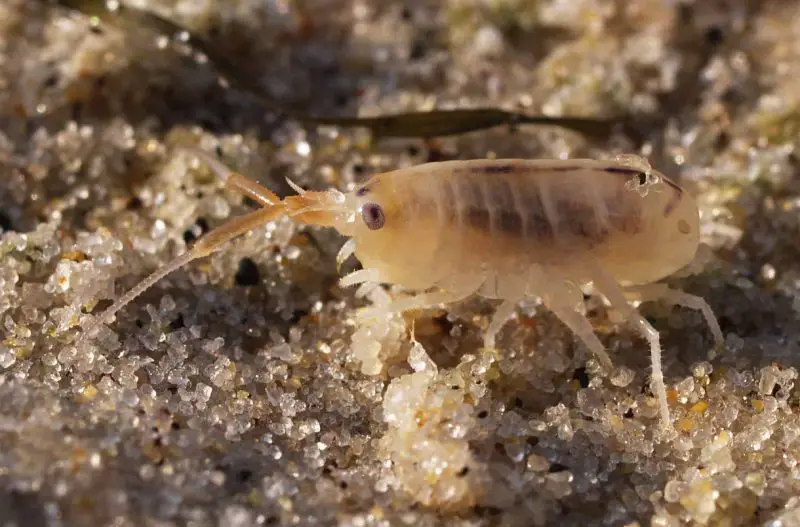
Florida beaches attract millions of people every year. Soft sand, warm sunshine, and beautiful ocean water create the perfect setting for relaxation, family trips, and unforgettable vacations. But hidden in that same inviting sand lives one of the most frustrating beach pests many visitors learn about only after they start itching — sand fleas.
These tiny creatures are almost invisible until they start biting. Their bites itch, swell, burn, and sometimes linger far longer than people expect. Many Floridians and tourists think mosquitoes are the worst biting insects in the state — until they experience sand flea bites for the first time.
Sand fleas can quickly turn a peaceful beach day into a painful, itchy memory. They do not buzz. They do not warn you. They simply bite, often when people are sitting, lying in the sand, or walking barefoot near the shoreline. Once they bite, you feel it — sometimes immediately and sometimes a few hours later when intense itching suddenly begins.
This long, detailed guide explains everything Florida residents and tourists should know about sand fleas. What they are. Where they live. Why they bite. How dangerous they really are. What sand flea bites look like. How to treat them. How to avoid them. And how to still enjoy Florida’s beautiful beaches without constant itching, swelling, and frustration.
Table of Contents
- 1 What Exactly Are Sand Fleas?
- 2 What Do Sand Fleas Look Like?
- 3 Where Do Sand Fleas Live in Florida?
- 4 Why Do Sand Fleas Bite?
- 5 Why Are Sand Flea Bites So Itchy and Irritating?
- 6 What Do Sand Flea Bites Look Like?
- 7 Are Sand Flea Bites Dangerous?
- 8 Do Sand Fleas Spread Disease in Florida?
- 9 When Are Sand Fleas Most Active in Florida?
- 10 Where Florida Residents and Tourists Most Often Encounter Them
- 11 Do Sand Fleas Go Indoors?
- 12 Are Pets at Risk?
- 13 Why People Rarely Notice Sand Fleas Until Too Late
- 14 Why Fear and Frustration Make Situations Worse
- 15 What To Do If Bitten by Sand Fleas
- 16 How to Reduce Sand Flea Problems on Florida Beaches
- 17 Do Repellents Work?
- 18 Are Sand Fleas Beneficial in Nature?
- 19 Common Myths About Sand Fleas in Florida
- 20 Why People Rarely Expect Them Until It Is Too Late
- 21 The Reality Florida Residents and Visitors Should Accept
- 22 FAQs About Sand Fleas in Florida
- 23 Final Thoughts
What Exactly Are Sand Fleas?

“Sand flea” is a name people use for small biting creatures found in sandy coastal environments. In Florida, the insects most people call sand fleas are actually biting midges, tiny blood-feeding insects related to no-see-ums.
They are extremely small — often just a few millimeters long. That tiny size makes them hard to see, especially against pale or golden beach sand. They move quietly. They bite quickly. And they rely on Florida’s warm, humid coastal conditions to survive.
These insects thrive in beach environments. They live in damp sand near the tide line, around decaying seaweed, and in moist coastal zones. Unlike large insects like mosquitoes, sand fleas do not depend on standing water. They rely instead on damp sand and organic material found near Florida’s beaches.
Their goal is not to attack humans specifically. They simply need blood to reproduce. Unfortunately, people relaxing on Florida beaches make easy targets.
What Do Sand Fleas Look Like?
Because sand fleas are small, most people only see them as tiny dots or specks moving near their skin. If looked at closely, a typical Florida sand flea appears as:
• a tiny dark or gray insect
• very small winged body (for midges)
• fast-moving speck near beach sand
• slightly larger than a grain of sand, but sometimes barely noticeable
Their small size is exactly why so many people never see them. Instead, they feel sudden pain or itching, then realize something bit them. Later, red bumps or welts appear, revealing that sand fleas were there all along.
Where Do Sand Fleas Live in Florida?
Florida provides perfect living conditions for sand fleas thanks to its climate and geography. These insects thrive in:
• coastal beaches
• damp sandy shorelines
• tidal flats
• areas with seaweed buildup
• marshy edges
• beach dunes
• coastal vegetation zones
People most commonly encounter them:
• while sitting on sand
• while lying on towels
• near the waterline
• during sunrise and sunset beach visits
• during calm, humid weather
They love moisture. Fresh seaweed deposits and damp sand offer both shelter and breeding environments. That is why certain stretches of beach seem far worse than others.
Why Do Sand Fleas Bite?
Female sand fleas bite to feed on blood. They need blood to successfully produce and develop eggs. Humans simply become easy feeding targets when relaxing in their habitat.
Their mouthparts cut into skin, allowing them to feed. Unlike mosquitoes, which pierce skin, sand fleas slice slightly and trigger an immune reaction. That reaction is what makes bites:
• itchy
• red
• swollen
• sometimes very painful
People lying in sand provide perfect access. Ankles, legs, and exposed skin become immediate targets.
Why Are Sand Flea Bites So Itchy and Irritating?
The irritation comes from the body’s response to their saliva. When sand fleas bite, they inject compounds that prevent blood clotting. The immune system reacts strongly to these compounds.
Common reactions include:
• redness
• swelling
• burning
• severe itching
• welts or bumps
• clustered bite marks
For some people, bites swell dramatically. For others, they barely irritate. Children, elderly individuals, and people with sensitive skin often suffer worse reactions. Tourists visiting Florida for the first time sometimes experience stronger responses because their bodies are not used to these insects.
Florida humidity also encourages itching and irritation to linger. Sweating, saltwater, and constant friction make itching even worse.
What Do Sand Flea Bites Look Like?
Sand flea bites typically appear as:
• small red dots
• raised itchy bumps
• clusters of bites grouped closely together
• welts forming over time
• sometimes blister-like spots in sensitive individuals
They commonly appear on:
• ankles
• lower legs
• feet
• thighs
• arms
• areas that touched sand directly
Bites often do not appear immediately. Many people leave the beach feeling fine, only to suddenly notice severe itching and swelling later that evening or the following day.
Are Sand Flea Bites Dangerous?
For most healthy adults, sand flea bites are irritating but not life-threatening. However, that does not mean they are harmless. They can cause:
• strong itching
• painful swelling
• allergic responses
• sleep disruption
• risk of infection from scratching
In rare cases, individuals may experience more severe allergic reactions. Large hives, extensive swelling, or breathing difficulty require immediate medical attention.
One of the biggest risks comes from scratching. Florida heat and humidity cause people to sweat, making it harder for bites to dry and heal. Scratching breaks skin, creating open wounds that may become infected. That is why proper care is important.
Do Sand Fleas Spread Disease in Florida?
Human disease transmission from these insects in Florida is rare. That said, bites can still become serious when untreated or when strong allergic reactions develop. Even without disease risk, discomfort alone makes them one of the most frustrating beach pests Florida residents deal with regularly.
When Are Sand Fleas Most Active in Florida?
They prefer cooler, humid parts of the day. Activity increases dramatically during:
• sunrise
• sunset
• cloudy humid days
• evenings near the shoreline
They do not like strong midday heat. They also do not do well in strong winds. That is why still, humid evenings on the beach often result in sudden biting attacks. People enjoying sunset beach walks frequently learn about sand fleas the hard way.
Where Florida Residents and Tourists Most Often Encounter Them
People usually encounter sand fleas in everyday beach situations, such as:
• early morning beach walks
• sunset relaxation
• lying on beach towels
• sitting directly in sand
• camping on beaches
• spending long time near tide lines
They are especially common in areas where seaweed collects. If a beach smells strongly of decaying plant matter, sand flea activity is usually higher.
Do Sand Fleas Go Indoors?
These insects are generally outdoor pests. However, they may linger briefly in beach houses, porches, or clothing if accidentally carried inside. Usually, they do not stay indoors long-term. Their environment requires humidity and sand to survive.
Are Pets at Risk?
Yes, especially dogs walking or lying on beach sand. Bites can appear on:
• paws
• legs
• belly
• ears
Dogs may scratch, lick excessively, and develop irritated hot spots. If swelling worsens or infection develops, veterinary advice is necessary. Keeping dogs from lying directly in sand during high-activity times helps.
Why People Rarely Notice Sand Fleas Until Too Late
Their size is their greatest weapon. People sit comfortably at the beach, enjoying sunshine and ocean air. There is no buzzing. No visible swarm. No warning. Then hours later itching begins, swelling follows, and frustration builds.
Many tourists blame:
• mosquitoes
• allergic reactions
• sunscreen
• mystery rashes
until they learn about Florida’s sand fleas. Once someone experiences them, they never forget.
Why Fear and Frustration Make Situations Worse
Panic leads to scratching. Scratching leads to broken skin. Broken skin leads to infection. Fear also makes people avoid beaches entirely, turning vacations and relaxation into stress.
Knowledge and preparation change everything. Once you understand when they bite, where they thrive, and how to protect yourself, Florida beaches become enjoyable again.
What To Do If Bitten by Sand Fleas
Proper care makes a huge difference. If bitten:
Wash the bite area gently with soap and fresh water.
Apply a cold compress to reduce swelling and relieve itching.
Use anti-itch creams or antihistamines if necessary.
Avoid scratching no matter how tempting it feels.
Seek medical attention if:
• swelling continues to increase
• bites blister severely
• fever develops
• signs of infection appear
• breathing difficulty occurs
Children should always be monitored closely. Elderly individuals and those with chronic skin conditions also deserve careful attention.
How to Reduce Sand Flea Problems on Florida Beaches
You cannot remove sand fleas from Florida beaches entirely. But you can dramatically reduce your chances of being bitten with smart habits. These numbered tips help more than people realize:
-
Avoid sitting or lying directly on sand, especially near damp areas.
-
Choose beach time during midday when they are less active if possible.
-
Avoid sunset and sunrise beach lounging during peak seasons.
-
Keep towels on chairs rather than sand whenever you can.
-
Rinse off regularly with fresh water to remove potential insects.
These simple steps make beach trips far more comfortable.
Do Repellents Work?
Some repellents help, but effectiveness varies based on product type, humidity, sweating, and individual body chemistry. Many people find partial relief but not complete protection. Wind, movement, clothing, and timing still matter greatly.
Repellent alone is not a solution. Awareness remains the most powerful tool.
Are Sand Fleas Beneficial in Nature?
Surprisingly, yes. They play a role in coastal ecosystems. They help break down organic matter, recycle nutrients, and serve as food for birds, fish, and other coastal animals. Florida beaches are living environments, not just vacation destinations. Every small creature plays a role.
That does not make their bites more pleasant, but it explains why nature produces so many of them.
Common Myths About Sand Fleas in Florida
Myth: They only bite at night
Truth: They bite during many humid periods, especially dawn and dusk
Myth: They only live at certain beaches
Truth: They thrive anywhere conditions are right
Myth: They are harmless because they are tiny
Truth: Bites can cause major irritation and infection risk
Myth: They cannot bite through clothing
Truth: Loose fabric still allows biting sometimes
Myth: Only tourists get bitten
Truth: Locals deal with them too, even if they are more used to them
Understanding truth instead of myth helps everyone handle them better.
Why People Rarely Expect Them Until It Is Too Late
Florida beach culture focuses on beauty, fun, and ocean excitement. Most visitors worry more about sunburn, jellyfish, or sharks than tiny biting insects. Then suddenly, their skin erupts in itching. Relaxation becomes discomfort.
After that first painful experience, most people respect Florida sand fleas forever.
The Reality Florida Residents and Visitors Should Accept
Sand fleas in Florida are:
tiny but powerful biting insects
common near moist sandy beach zones
especially active at dawn, dusk, and calm humid times
capable of causing painful, swollen, itchy bites
annoying but manageable with preparation
Florida beaches remain beautiful, enjoyable, and worth visiting. You simply need awareness. Preparing for sand fleas means protecting yourself and your family, understanding risk times, and responding quickly to bites when they happen.
Knowledge creates comfort. Preparation restores control. Respect for nature allows everyone to enjoy Florida’s coast with confidence instead of constant irritation.
FAQs About Sand Fleas in Florida
Are sand fleas dangerous?
They cause painful itching, swelling, and allergic reactions but are rarely life-threatening to healthy adults.
Where are sand fleas most common?
Along Florida beaches, especially in damp sand near the tide line or around seaweed buildup.
When are they most active?
Sunrise, sunset, humid evenings, and cloudy calm days.
What do bites look like?
Red bumps, welts, clusters of small itchy marks, sometimes blistering in sensitive people.
Do they spread disease in Florida?
Widespread human disease risk is considered low, but bites can still cause medical problems through infection or severe allergic response.
Can they bite indoors?
They rarely live indoors, but accidental indoor bites can happen briefly if they are carried inside.
How do I treat bites?
Wash skin, apply cold compress, use anti-itch medication, and avoid scratching. Seek care if symptoms worsen.
Final Thoughts
Sand fleas in Florida beaches prove that sometimes the smallest creatures cause the biggest frustration. They strike silently. They itch fiercely. They spoil beach days if people are unprepared. But they do not have to control your experience. With awareness, timing, and smart habits, you can reduce bites dramatically and keep enjoying Florida’s incredible coastline.
Florida residents and tourists do not need fear to manage sand fleas. They need preparation. Avoid peak activity times. Keep distance from damp sand. Use proper care when bitten. Teach children and visitors what to expect. Respect that Florida’s beaches are living environments, not perfectly controlled playgrounds.
When handled wisely, sand fleas become what they truly are — irritating, painful, but manageable parts of Florida coastal life, reminding everyone that nature always comes with surprises, even in paradise.