
Bathrooms are supposed to feel clean, calm, and comfortable. Yet many Wisconsin homeowners occasionally notice tiny silvery insects darting across tiles or disappearing into drains, cabinets, or baseboards. These unexpected visitors are silverfish, primitive insects that thrive quietly indoors until conditions suddenly favor rapid activity.
Their appearance can feel alarming, especially when they seem to show up overnight. But this sudden surge rarely means a new infestation started that day. More often, environmental changes, seasonal moisture shifts, or indoor humidity patterns trigger them to leave hiding places.
Understanding why silverfish appear so suddenly in Wisconsin bathrooms helps remove the mystery and the panic. It also makes prevention easier because these insects follow very predictable environmental rules once you know what attracts them.
What Silverfish Actually Are

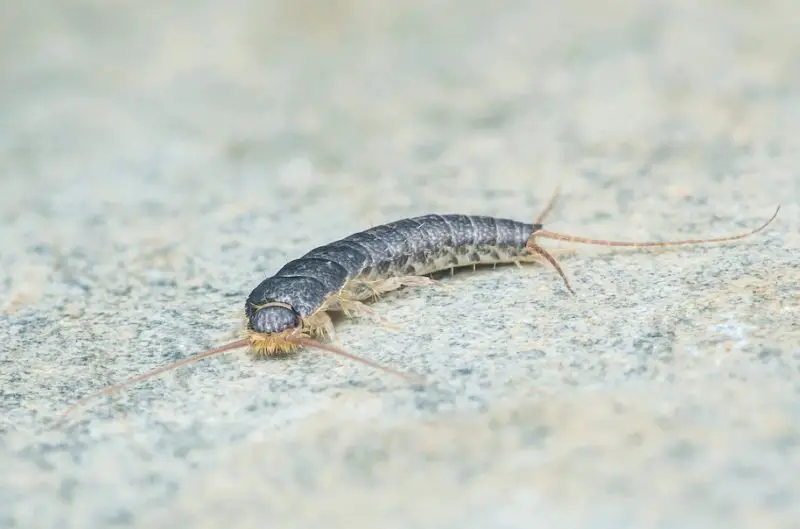
Silverfish belong to an ancient insect group that has existed for hundreds of millions of years. They have flat, teardrop-shaped bodies covered in silvery scales that reflect light, giving them a metallic appearance. Their wriggling movement resembles fish swimming, which explains their name.
Unlike many pests, silverfish do not undergo full metamorphosis. They hatch looking like miniature adults and simply grow larger with each molt. This means they stay hidden in the same environments for long periods rather than moving around dramatically during life stages.
Their bodies are designed for survival in narrow cracks, humid corners, and protected indoor microhabitats. Bathrooms naturally provide many of these conditions, especially in climates like Wisconsin where indoor humidity fluctuates seasonally.
Harmless but persistent
Silverfish rarely bite humans and are not known for spreading disease. Their presence is mostly a nuisance rather than a health threat. However, they can damage paper, wallpaper glue, fabrics, and stored items if populations grow large.
Their diet includes starches, sugars, mold, skin flakes, and cellulose. Bathrooms contain several of these food sources even when they look spotless. Damp paper products, residue around sinks, and microscopic organic debris all support their survival.
Because they avoid light and move quickly, people usually notice them only after populations have quietly increased.
Why Wisconsin Bathrooms Attract Silverfish
Climate plays a major role
Wisconsin’s seasonal climate is a major factor. Cold winters force many insects indoors, while humid summers create ideal breeding conditions inside bathrooms. The constant indoor climate stability compared with outdoor extremes makes homes attractive refuges.
When temperatures drop sharply, silverfish retreat deeper indoors. Bathrooms stay warmer than basements or garages due to plumbing heat, steam from showers, and enclosed insulation. This combination draws them toward bathrooms even if they started elsewhere in the house.
During summer humidity spikes, bathrooms often remain the most moisture-rich areas indoors, which further concentrates activity there.
Moisture is the primary trigger
Silverfish require moisture to survive. They lose water easily through their bodies, so they seek environments with consistent humidity. Bathrooms provide:
-
Shower steam
-
Sink condensation
-
Damp towels
-
Leaky pipes
-
Poor ventilation
Even slight increases in humidity can push hidden populations into visible activity. That is why homeowners suddenly see several at once rather than gradually noticing them.
Limited air circulation helps them hide
Wisconsin homes often prioritize insulation against cold winters. While energy efficient, this can reduce airflow in certain rooms. Bathrooms without adequate exhaust fans or ventilation trap humidity longer.
Reduced airflow also means fewer disturbances for silverfish. They prefer calm environments with stable humidity and minimal light.
Over time, these conditions allow populations to build quietly.
Seasonal Patterns Behind Sudden Sightings
Winter indoor migration
Cold winters in Wisconsin drive insects indoors seeking warmth. Silverfish that normally stay in wall voids, basements, or crawl spaces may move toward bathrooms where plumbing creates mild heat pockets.
Winter also means windows stay closed, increasing indoor humidity accumulation. This combination often explains sudden midwinter sightings.
Many homeowners assume a new infestation started when actually silverfish simply shifted locations inside the home.
Spring humidity fluctuations
Spring thaw brings melting snow, increased groundwater moisture, and fluctuating indoor humidity levels. Bathrooms can become temporarily humid even without heavy shower use.
These environmental changes stimulate silverfish activity and breeding cycles. Young silverfish begin moving around more, making them more visible.
Spring is often when people notice the first signs after winter indoor migration.
Summer breeding peaks
Summer humidity accelerates reproduction. Silverfish eggs develop faster in warm, moist environments. Populations can increase significantly during this period.
Bathrooms used frequently for showers become particularly attractive. Condensation accumulates daily, creating near-ideal microhabitats.
This seasonal boost often explains sudden spikes in sightings during mid to late summer.
Autumn preparation behavior
As temperatures begin dropping again, silverfish may redistribute indoors seeking stable winter refuges. Bathrooms frequently become those refuges.
Autumn sightings often signal preparation for overwintering indoors rather than a brand-new infestation.
Common Bathroom Conditions That Trigger Activity
Hidden plumbing leaks
Small leaks under sinks, behind toilets, or inside walls provide constant moisture. These leaks may not be visible immediately but create perfect habitats for silverfish.
Even slow drips maintain humidity levels high enough for sustained populations.
Fixing leaks often reduces silverfish activity quickly.
Damp stored items
Bathroom cabinets sometimes hold paper products, extra towels, cosmetics packaging, or cardboard boxes. These materials absorb moisture and provide food sources.
Silverfish are especially drawn to:
-
Toilet paper storage
-
Paper tissue boxes
-
Cardboard packaging
-
Old magazines or manuals
Keeping storage dry significantly reduces attraction.
Poor ventilation systems
Bathrooms without functioning exhaust fans trap steam after showers. Moisture lingers on walls, ceilings, and floors for hours.
Silverfish thrive in exactly these conditions. Improving ventilation often produces noticeable population declines.
Ventilation also prevents mold, which silverfish sometimes feed on.
How Silverfish Enter Wisconsin Homes
Structural gaps and entry points
Silverfish slip through extremely small openings. Common entry points include:
-
Foundation cracks
-
Window gaps
-
Door thresholds
-
Plumbing penetrations
Wisconsin’s freeze thaw cycles can widen small cracks in structures, making entry easier over time.
Sealing these gaps helps reduce indoor insect migration.
Items brought indoors
Sometimes silverfish arrive accidentally through:
-
Cardboard boxes
-
Stored books
-
Furniture
-
Laundry baskets
They hide easily in folded materials or packaging.
Once inside, bathrooms often become their preferred habitat.
Basement to bathroom movement
Basements commonly host silverfish due to humidity. From there, they travel upward following plumbing lines toward bathrooms.
This internal migration explains why second-floor bathrooms sometimes experience activity even when the entry point was elsewhere.
Why Sightings Often Feel Sudden
Mostly nocturnal behavior
Silverfish avoid light and typically emerge at night. People rarely see them during the day unless populations grow large.
Turning on a bathroom light late at night often reveals them darting for cover.
This nocturnal pattern contributes to the impression they appeared overnight.
Slow but steady reproduction
Silverfish reproduce gradually but continuously. Eggs hatch over extended periods rather than all at once.
Eventually the population reaches a visible threshold, making sightings seem sudden.
In reality, activity has likely been ongoing quietly for months.
Environmental tipping points
Sometimes a single environmental change triggers visible movement:
-
A humidity spike
-
A plumbing repair disturbance
-
Seasonal heating changes
-
Rearranged storage
These events disrupt hiding places or alter moisture levels, pushing insects into open spaces.
Are Silverfish Dangerous?
Minimal health risks
Silverfish are not known to spread disease to humans. They rarely bite and generally avoid contact.
Their main impact involves property damage rather than health concerns.
Still, persistent infestations can cause stress or discomfort for homeowners.
Potential property damage
Silverfish feed on:
-
Books and documents
-
Wallpaper paste
-
Clothing fibers
-
Stored pantry items
-
Paper packaging
Damage usually occurs slowly but can accumulate over time.
Bathrooms storing paper goods or textiles are especially vulnerable.
Prevention Strategies That Work in Wisconsin
Moisture control is essential
Reducing humidity is the single most effective prevention step. Consider:
-
Using bathroom exhaust fans regularly
-
Installing dehumidifiers if needed
-
Fixing leaks promptly
-
Allowing airflow after showers
Dry environments discourage silverfish survival.
Improve storage habits
Store paper goods in sealed containers rather than open shelving. Avoid cardboard boxes in humid areas.
Plastic bins protect items while reducing insect hiding places.
Regular cleaning removes food sources.
Seal structural entry points
Inspect baseboards, plumbing penetrations, and window edges. Use appropriate sealants to close gaps.
Wisconsin’s seasonal temperature shifts make periodic inspections worthwhile.
Small repairs often prevent larger infestations.
Natural Control Approaches
Cleaning routines that help
Frequent bathroom cleaning removes organic debris and potential food sources.
Focus on:
-
Baseboards
-
Cabinet interiors
-
Behind toilets
-
Under sinks
Dry cleaning methods reduce moisture buildup.
Temperature and humidity management
Silverfish prefer moderate warmth and humidity. Lowering humidity and maintaining stable temperatures discourage breeding.
Dehumidifiers can be particularly helpful in Wisconsin summers.
Consistent environmental control reduces recurrence.
When Professional Help Makes Sense
Persistent infestations
If sightings continue despite humidity control and cleaning, professional pest assessment may help.
Hidden wall void infestations sometimes require targeted treatment.
Professionals can also identify structural moisture issues.
Large populations
Seeing multiple silverfish daily suggests a larger hidden population.
Early intervention prevents long-term property damage.
Professional solutions usually focus on moisture correction combined with safe treatments.
Long-Term Outlook for Wisconsin Homes
Silverfish are adaptable survivors
Because they have existed for millions of years, silverfish adapt well to indoor environments. Complete elimination is difficult but control is achievable.
Moisture management remains the key factor.
Understanding their behavior reduces frustration.
Prevention is easier than elimination
Consistent humidity control, storage practices, and structural maintenance greatly reduce future issues.
Small routine efforts often prevent major infestations.
Bathrooms, as humidity centers, deserve particular attention.
FAQs About Silverfish in Wisconsin Bathrooms
Why do silverfish suddenly appear even in clean bathrooms?
Cleanliness alone does not deter silverfish. Moisture, humidity, and hidden food sources matter more than visible cleanliness. Even spotless bathrooms can attract them if humidity remains high.
Are silverfish more common in Wisconsin than other states?
They occur widely across North America, but Wisconsin’s seasonal humidity swings and indoor heating patterns can make bathroom sightings more noticeable.
Do silverfish live in drains?
They do not live directly in water but often hide near drains where humidity stays high. Cracks around plumbing provide ideal shelter.
Will winter cold eliminate indoor silverfish?
Indoor heating protects them from cold temperatures. Winter often increases indoor sightings rather than reducing them.
Can silverfish damage bathroom fixtures?
They rarely harm fixtures but may damage paper products, fabrics, and stored items kept in bathrooms.
Is seeing one silverfish a sign of infestation?
Not necessarily. Occasional sightings happen. Frequent sightings usually indicate a larger hidden population.
Do essential oils repel silverfish?
Some scents may deter them temporarily, but moisture control and sealing entry points are more reliable long-term solutions.
Should I worry about health risks?
Silverfish are generally harmless to humans. Their impact is mostly cosmetic or property-related rather than medical.
How fast do silverfish reproduce?
They reproduce slowly compared with many insects, but long lifespans allow populations to grow steadily if conditions remain favorable.
Can renovations cause sudden appearances?
Yes. Construction disturbances, plumbing repairs, or changing ventilation can disrupt hiding places and trigger increased visibility.
Conclusion
Silverfish appearing suddenly in Wisconsin bathrooms rarely signal a mysterious invasion. More often, environmental conditions quietly shifted in their favor. Humidity, seasonal temperature changes, plumbing moisture, and indoor airflow patterns all play major roles.
These insects are ancient survivors adapted to stable, humid indoor environments. Bathrooms naturally provide those conditions, especially in regions with cold winters and humid summers. That combination makes Wisconsin homes particularly susceptible to periodic sightings.
The reassuring part is that silverfish are mostly harmless. Their presence can be unsettling, but they rarely pose health risks. With proper moisture control, improved ventilation, thoughtful storage, and routine maintenance, most households can significantly reduce activity.
Understanding why they appear transforms frustration into practical prevention. And once the environment becomes less inviting, silverfish usually retreat quietly back into the hidden corners where they prefer to stay.