
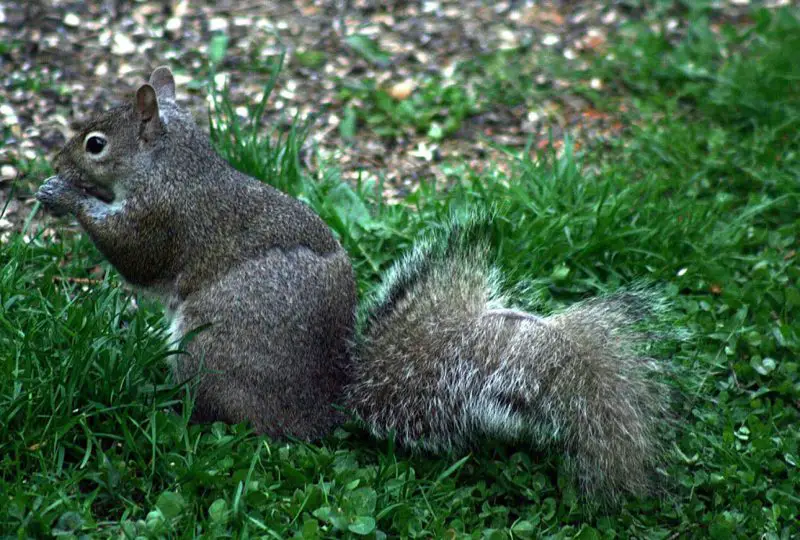
Walk through a New York park lately and you might notice something unusual. Some squirrels look perfectly healthy except for one striking detail — their tails appear thin, scruffy, or partially bald. For many residents, this sparks concern immediately. Is it disease? Pollution? Something spreading through urban wildlife?
The reality is rarely dramatic. Tail fur loss in squirrels has multiple causes, most of them natural or temporary. What makes it seem sudden is often increased awareness rather than a new biological crisis.
Understanding why this happens helps reduce unnecessary worry and gives a clearer picture of how urban wildlife adapts to changing environments.
Squirrels in New York: Who You’re Actually Seeing

Most squirrels seen across New York State belong to the eastern gray squirrel species. These animals thrive in city parks, suburban neighborhoods, wooded campuses, and forest edges. Their adaptability makes them one of the most successful urban mammals in North America.
In certain parts of western New York, fox squirrels also appear, while red squirrels are more common in northern forests and less urbanized areas. Regardless of species, all squirrels depend heavily on their tails for survival. The tail helps with balance, temperature regulation, signaling to other squirrels, and even predator distraction.
Because the tail serves so many functions, any fur loss becomes highly noticeable, even if the squirrel itself remains otherwise healthy.
Why It Feels Like a Sudden Trend
Tail fur loss is not new. What has changed is how often people notice and share it. Social media, local wildlife groups, and neighborhood apps have made everyday animal observations far more visible than they were a decade ago.
When one person posts a photo of a patchy-tailed squirrel, others start paying attention. Soon multiple sightings create the impression of a new phenomenon, even if the biological causes have existed for generations.
This heightened awareness plays a significant role in why people feel squirrels are suddenly losing tail fur across New York.
Seasonal Molting: The Most Common Explanation
Natural Fur Replacement Cycles
Squirrels naturally shed and regrow fur twice each year. This seasonal molting helps them adapt to temperature changes between summer and winter. During these periods, fur replacement rarely occurs evenly.
Body fur often transitions first, while tail fur may lag behind. This timing difference can make the tail look patchy or unusually thin for several weeks.
Why the Tail Looks Worse Than the Body
Tail fur is longer and denser than the rest of the squirrel’s coat. When molting occurs, the uneven shedding becomes more obvious. A squirrel mid-molt may appear unhealthy even though it is simply undergoing a normal seasonal transition.
In most cases, the fur gradually regrows, restoring the tail’s full, bushy appearance within a short time.
Mange and Parasite Issues
What Mange Actually Is
Mange is caused by microscopic mites that burrow into the skin. This condition can produce itching, inflammation, and noticeable hair loss. In squirrels, the tail often shows symptoms first because it is more exposed.
Affected animals may scratch frequently, and their fur can appear thin or uneven. Mild cases are surprisingly common in urban wildlife populations.
How Common It Is in New York
Dense squirrel populations in city parks and suburbs create ideal conditions for parasite transmission. Close contact between animals increases the chance of mites spreading from one individual to another.
Fortunately, many squirrels recover naturally if their immune systems remain strong. Severe cases can occur, but widespread fatal outbreaks are not typical.
Fungal Skin Conditions
Some tail fur loss results from fungal infections similar to ringworm. These infections cause localized bald spots, mild skin flaking, and sometimes brittle fur shafts.
Humid summer weather can encourage fungal growth, especially in densely vegetated urban parks. Healthy squirrels often recover without intervention, though the regrowth process may take several weeks.
This type of fur loss usually appears localized rather than affecting the entire tail.
Stress and Nutrition Factors
Urban life is not always easy for wildlife. Construction noise, fluctuating food availability, human disturbance, and competition for territory all affect squirrel health.
Stress weakens immune function, making animals more susceptible to parasites, infections, and delayed fur regrowth. Years with poor acorn or nut production can also impact coat quality because nutrition plays a key role in fur health.
These environmental pressures often explain why certain years seem worse than others.
Tail Injuries Are Extremely Common
Sometimes the explanation is straightforward. Squirrels live risky lives. They leap between branches, dodge predators, and compete aggressively with one another.
Tail fur can be pulled out during predator escapes, territorial fights, or accidental falls. Hawks, cats, and other predators sometimes grab tails, leaving squirrels with partial fur loss but otherwise intact bodies.
Scar tissue and regrowing fur can create uneven tail appearance for months after the original injury.
Winter Damage and Frostbite
New York winters occasionally bring severe cold spells. When temperatures drop dramatically, extremities like tails become vulnerable to frostbite.
Cold-related damage may cause permanent or temporary fur loss. Upstate regions with harsher winters tend to see this more frequently, although urban heat islands can reduce risk in major cities.
Frostbite-related fur loss usually affects specific tail sections rather than the entire tail.
Pollution Concerns: Reality vs Perception
Urban pollution often comes up when people see wildlife health changes. While pollution can influence ecosystems broadly, there is little evidence linking it directly to widespread squirrel tail fur loss in New York.
More commonly, molting cycles, parasites, injuries, and environmental stress explain what people observe. Pollution may play an indirect role by affecting overall ecosystem health, but it is rarely the primary cause.
This distinction helps prevent unnecessary alarm.
Do Squirrels Usually Recover?
Most squirrels with tail fur loss recover completely. If molting is responsible, regrowth happens naturally. Mild parasite infections often resolve as immune systems rebound. Minor injuries may leave small permanent scars, but fur frequently returns.
Behavior provides the best health indicator. A squirrel that eats, climbs, and interacts normally is usually not in serious trouble, even if its tail looks imperfect.
Wild animals rarely look pristine year-round.
Why This Year Might Seem Worse
Several subtle factors can combine to create the impression of increased tail fur loss. Warmer winters allow parasites to survive longer. Urban squirrel populations remain dense in many New York areas. Public wildlife awareness has also grown dramatically in recent years.
These combined influences can make a routine biological process feel like a sudden trend.
But current observations do not suggest a statewide wildlife crisis.
When Concern Might Be Justified
Occasional patchy tails are normal. However, widespread severe symptoms in one location could signal a localized outbreak.
Signs worth monitoring include lethargy, severe skin crusting, open wounds, or multiple squirrels appearing visibly ill. Such situations are rare but may warrant professional wildlife observation.
Most cases seen in everyday neighborhoods remain mild and temporary.
Should People Intervene?
Intervention usually does more harm than good. Attempting to capture or treat wild squirrels causes stress and potential injury. Feeding excessively can disrupt natural behaviors and population balance.
If concerns arise, contacting local wildlife authorities is more effective than direct involvement. Professionals can assess situations safely without disturbing ecosystems.
Respectful observation remains the best approach.
How Tail Fur Loss Affects Survival
A squirrel’s tail contributes to balance, communication, and temperature control. Moderate fur thinning rarely compromises these functions significantly.
Severe damage can reduce insulation during cold weather and slightly affect agility. However, squirrels are remarkably adaptable animals. Many thrive despite partial tail loss.
Nature favors resilience.
The Bigger Ecological Picture
Squirrel populations across New York remain stable. There is no credible evidence linking current tail fur loss observations to major population declines.
Wildlife health fluctuates seasonally. Parasites, environmental stressors, and injuries are part of natural population dynamics.
What looks alarming at the individual level often fits within normal ecological patterns.
Social Media Amplifies Wildlife Concerns
Modern communication spreads wildlife photos quickly. A single unusual squirrel can appear on hundreds of feeds within hours.
Without context, these images can spark anxiety. Yet wildlife professionals typically view such cases as routine seasonal or environmental occurrences.
Better understanding reduces unnecessary fear while encouraging responsible observation.
FAQs About Squirrels Losing Tail Fur in New York
Why do squirrels lose tail fur more in summer?
Seasonal molting usually peaks in warmer months. The fur transition can look uneven before regrowth completes.
Can humans catch diseases from these squirrels?
Transmission risk is extremely low. Avoid direct contact and basic hygiene is sufficient protection.
Does tail fur loss mean a squirrel is sick?
Not necessarily. Molting, minor injuries, and temporary stress frequently cause fur thinning without serious illness.
Will the tail fur grow back fully?
In most cases it does. Permanent loss typically follows severe injury or frostbite.
Is feeding squirrels helpful during recovery?
Extra feeding can disrupt natural behavior and is generally discouraged.
Could climate change be affecting this?
Warmer winters may influence parasite survival, but multiple factors contribute.
Should sightings be reported?
Reporting is only necessary if many squirrels show severe illness symptoms.
Are city squirrels less healthy than rural ones?
Urban squirrels face different stressors, but they remain highly adaptable and generally stable.
Conclusion
Seeing a squirrel with a patchy or thinning tail can feel unsettling, especially when it seems widespread. Yet most cases across New York reflect normal wildlife cycles rather than emerging crises.
Seasonal molting, mild parasites, occasional injuries, and environmental stress explain the majority of observations. These animals are resilient, adaptable, and remarkably capable of recovery.
Urban wildlife rarely looks perfect. That imperfection is part of survival.
Understanding that reality turns concern into informed appreciation — and reminds us that even in one of the world’s busiest regions, nature continues quietly adapting all around us.