
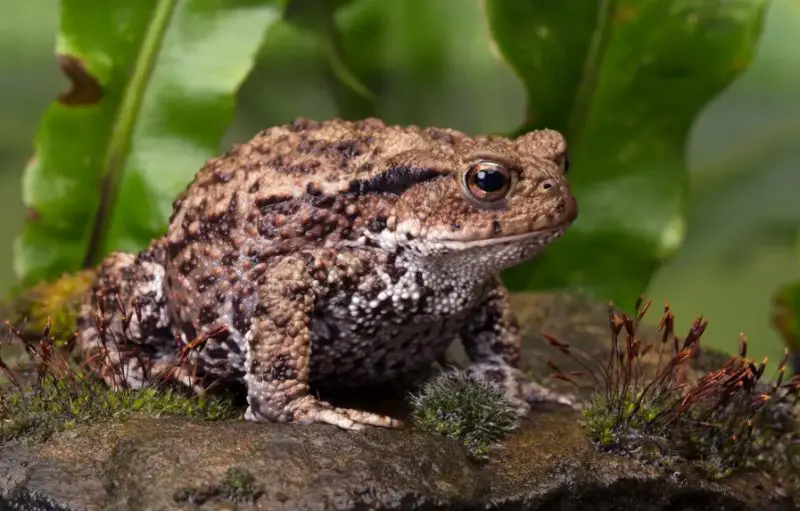
Across North Carolina, many homeowners notice the same pattern repeating itself, often without warning. One evening the yard seems quiet. The next night, large toads appear near porches, driveways, garden beds, garages, or exterior walls. They sit motionless under lights, hop across walkways, or emerge from landscaping where none were seen before.
To most people, these sightings feel sudden and unexplained.
In reality, toads do not appear randomly. Sudden toad sightings around North Carolina homes are triggered by environmental shifts, insect movement, moisture patterns, temperature changes, and the way human homes reshape nighttime ecosystems.
Once these triggers are understood, the behavior becomes predictable rather than mysterious.
North Carolina Is Naturally Suited for Toad Activity

North Carolina sits in a climatic sweet spot for large toad species. American toads, Fowler’s toads, and Southern toads all find the state’s conditions unusually supportive compared to much of the country.
Warm summers provide extended feeding seasons. Frequent rainfall prevents long periods of dehydration. Humid nights protect sensitive skin. And the state’s mix of forests, wetlands, suburban yards, and agricultural land creates continuous habitat rather than isolated pockets.
Unlike northern states where toads retreat underground for long winter dormancy, North Carolina toads remain intermittently active across much of the year. Even when they are not visible, they are rarely far away.
Homes do not “attract” toads out of nowhere. They are built directly into landscapes that already support healthy toad populations. Visibility changes, not presence.
Toads Are Primarily Nocturnal
Toads are designed for nighttime life.
During the day, direct sunlight dries their skin and increases exposure to predators such as birds and snakes. As a result, toads spend daylight hours hidden beneath soil, under mulch, inside cracks, beneath rocks, or pressed against shaded foundations where moisture remains stable.
Nightfall changes everything.
Temperatures drop to safer levels. Humidity rises. Insects become active. These environmental shifts trigger toads to emerge from hiding and begin feeding.
When homeowners notice toads “suddenly” appearing, it is usually the first moment conditions allow them to be seen, not the moment they arrived.
Nighttime Insects Are the Primary Trigger
Insects drive nearly all toad movement.
Porch lights, landscape lighting, garage lights, and illuminated windows attract flying insects in large numbers. Moths, beetles, ants, crickets, roaches, and gnats concentrate around these light sources instead of dispersing naturally.
Toads are not pursuit hunters. They rely on ambush feeding. Rather than chasing insects across lawns, they position themselves where prey density is highest and wait.
Homes unintentionally create these feeding zones every night, especially during warm and humid seasons.
Outdoor Lighting Reshapes the Food Chain
Artificial lighting fundamentally changes insect behavior.
Instead of spreading evenly across the landscape, insects funnel toward light. Many collide with walls or windows, fall to the ground, or crawl along foundations after exhausting themselves.
Toads quickly learn these patterns.
A consistently lit porch becomes a predictable food source. Once a toad discovers such a location, it returns repeatedly, sometimes for weeks or months.
To homeowners, the toad’s appearance feels abrupt. In reality, the toad has often been nearby long before it was noticed.
Moisture Accumulates Around Homes at Night
Toads rely on moisture to survive.
Their skin absorbs water directly from the environment. Dry conditions force them back into hiding. Moist conditions allow extended activity.
At night, moisture naturally accumulates around structures. Dew forms. Condensation builds along foundations. Irrigation runoff lingers in shaded areas. Soil near homes retains water longer than exposed ground.
North Carolina’s humidity amplifies these effects, creating ideal microclimates around walls and walkways where toads can remain active without risking dehydration.
Rain Events Trigger Mass Movement
Heavy rain is one of the strongest triggers for sudden toad sightings.
Rain softens soil, making movement easier. It activates insect populations. It reduces dehydration risk. And it signals breeding opportunities for amphibians.
After storms, toads may emerge in unusually large numbers and travel farther than usual. This synchronized movement can make it appear as though toads have invaded overnight.
In reality, they are responding collectively to environmental cues that briefly favor visibility and mobility.
Landscaping Creates Daytime Shelter
Many North Carolina yards unknowingly provide perfect daytime refuge for toads.
Mulch beds hold moisture and temperature. Dense shrubs block sunlight. Rock borders trap heat. Garden edges remain undisturbed for long periods.
Toads hide just inches from homes without being noticed.
When night falls, they emerge directly into visible areas such as walkways, patios, and driveways. The close proximity makes their appearance feel sudden, even though they never traveled far.
Irrigation Schedules Increase Night Activity
Sprinkler systems strongly influence toad behavior.
Evening or nighttime watering raises humidity, softens soil, and triggers insect movement. These conditions align perfectly with toad activity cycles.
Homes with consistent irrigation schedules often experience repeated sightings because toads learn which yards reliably provide moisture.
This is learned behavior, not coincidence.
Heat Retention Around Structures Attracts Toads
Concrete, brick, and stone absorb heat during the day and release it slowly after sunset.
Driveways, patios, walkways, and foundations remain warmer than surrounding soil well into the night. These stable thermal zones help toads regulate body temperature during cooler evenings.
Natural ground cools rapidly. Homes do not.
Toads follow warmth just as reliably as they follow insects.
Toads Are Highly Site-Faithful
Toads have strong spatial memory.
When a location provides food, moisture, warmth, and shelter, a toad will return to it repeatedly rather than wandering randomly. Many homeowners assume they are seeing different toads each night.
In reality, it is often the same individual revisiting a proven feeding site.
This repetition creates the illusion of increased numbers.
Why Toads Sit Still for Long Periods
Toads conserve energy aggressively.
They use ambush feeding strategies, remaining motionless until prey moves within reach. Movement costs energy and increases exposure to predators.
Extended stillness often makes people uneasy, but it is normal hunting behavior.
A motionless toad is not lost, injured, or sick.
It is waiting.
Why Toads Appear Near Garages
Garages combine several attractants in one place.
Light leaks draw insects. Door gaps trap moisture. Vehicles transport insects from other locations. Concrete retains heat.
Toads station themselves near these insect funnels because prey availability is high and conditions remain stable.
Garages are among the most common toad sighting locations for this reason.
Why Driveways and Walkways Are Common Sites
Hard surfaces create sharp environmental transitions.
Insects crawl along edges where concrete meets soil or grass. Toads position themselves at these boundaries because prey movement is concentrated there.
This placement looks deliberate because it is.
The toad is choosing the most efficient hunting position available.
Wildlife Activity Increases After Dark
North Carolina supports abundant nighttime wildlife.
Rodents, insects, frogs, and small reptiles become active after sunset. Toads respond to this increase in prey availability.
Homes near woods, wetlands, drainage areas, or green spaces experience the highest activity because they sit directly along wildlife movement corridors.
The toads were already part of the ecosystem.
Seasonal Patterns Affect Visibility
Toad sightings peak during warm months, especially late spring through early fall.
Breeding cycles increase movement. Insects reach peak abundance. Rainfall is frequent. Visibility increases.
However, North Carolina’s mild winters allow occasional activity even in cooler months, especially after warm or wet nights.
Seasonal clustering explains why sightings appear sudden rather than constant.
Why Toads Avoid Entering Homes
Despite their proximity, toads rarely enter houses.
Indoor environments are too dry. Light conditions are wrong. Prey is limited. Temperature gradients are absent.
If a toad enters a garage or home, it is usually accidental and short-lived.
Their goal is always the outdoor environment.
Are These Toads Dangerous?
Most North Carolina toads are harmless to humans.
They do not bite. They do not chase. They rely on avoidance.
Some species secrete mild skin toxins as a defense mechanism. This can irritate pets if mouthed, but it is not aggressive behavior.
For people, risk is minimal.
Why Pets Notice Toads First
Dogs and cats detect toads quickly.
Pets sense movement, smell, and vibration long before humans do. They may bark, stare, or paw at toads, drawing attention to their presence.
Pet reactions often make sightings feel more dramatic than they actually are.
Killing Toads Does Not Solve the Problem
Removing individual toads does not change the conditions that attracted them.
As long as insects, moisture, and shelter remain, other toads will arrive.
Environmental modification is far more effective than removal.
Why Toad Sightings Seem Sudden but Are Not
Toads are quiet, camouflaged, and patient.
They emerge only when conditions align. They hide efficiently during the day. When the environment shifts, visibility increases rapidly.
The suddenness reflects human perception, not toad behavior.
How to Reduce Toad Sightings Naturally
The most effective approach focuses on the food chain.
Reducing unnecessary outdoor lighting, switching to warm or yellow bulbs, limiting irrigation near foundations, improving drainage, and trimming dense vegetation all reduce insect concentration.
When insects decrease, toads move elsewhere naturally.
Why Repellents Rarely Work
Chemical repellents wash away quickly in humid environments.
Toads respond to moisture, temperature, and prey availability, not scent deterrents.
Environmental changes produce lasting results.
When Toad Activity Signals a Larger Issue
Heavy toad activity may indicate high insect populations, excess moisture, poor drainage, or over-irrigation.
Addressing these improves overall yard health beyond reducing toad sightings.
Why North Carolina Sees This More Than Some States
Few states combine warm nights, high humidity, frequent rain, abundant insects, and widespread suburban irrigation.
North Carolina sits at the center of this overlap.
What feels unusual elsewhere is routine here.
Coexisting With Toads
Toads provide real benefits.
They reduce insect populations and do not damage property. For many homeowners, coexistence proves easier and more effective than elimination.
Understanding replaces fear with clarity.
FAQs About Sudden Toad Sightings in North Carolina
Why did toads suddenly appear near my house?
Environmental conditions aligned, making them visible.
Are they attracted to my home specifically?
They are attracted to insects and moisture your home creates.
Does rain cause more sightings?
Yes, rain strongly increases activity.
Are toads dangerous to humans?
No, they are harmless.
Can they harm pets?
They may irritate pets if mouthed.
Will removing them stop others?
Not unless conditions change.
Do lights really matter?
Yes, lights drive insect concentration.
Is this seasonal?
Yes, but activity can occur year-round.
Conclusion
Sudden toad sightings around North Carolina homes are triggered by a predictable chain of events.
Nighttime insects gather near lights. Moisture collects around structures. Heat lingers in concrete and stone. Landscaping provides shelter. Rain amplifies everything.
Toads respond exactly as evolution designed them to.
They are not invading homes.
They are responding to an environment humans unknowingly created.
Change the conditions, and the sightings change with them.