
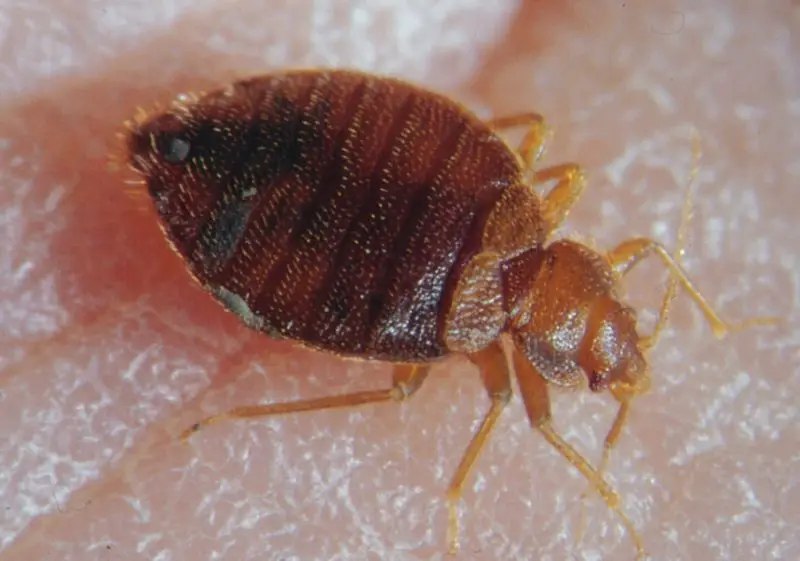
Bed bug activity in Oregon does not follow a dramatic seasonal explosion the way mosquitoes or wasps do. It moves quietly. Reports rise in apartment buildings in Portland. Short-term rentals along the coast experience clusters of complaints during peak travel months. College towns see periodic waves at the beginning and end of semesters. The insects rarely announce themselves with noise or visible nests. They operate in the margins of routine.
What Oregon homeowners don’t realize about bed bug activity is that climate is only part of the equation. Indoor heating, urban density, travel corridors, rental turnover, and human behavior shape their presence far more than outdoor weather patterns. The bed bug is not a yard pest. It is an indoor hitchhiker that thrives in stable temperatures and predictable access to human hosts.
The fear often begins with a bite.
The biology begins long before that.
Understanding the pattern behind the activity changes how you approach prevention and response.
The Species Behind the Problem

The insect at the center of most residential infestations is the Common Bed Bug. This species is well adapted to temperate climates and has followed human settlement patterns for centuries. Unlike many insects that depend heavily on outdoor conditions, bed bugs thrive in indoor environments where temperature remains stable year-round.
Oregon’s cooler winters do not eliminate bed bugs because modern homes provide continuous heating. Apartments, townhouses, and single-family homes all maintain temperatures ideal for development and reproduction. The insects feed exclusively on blood, typically at night, and retreat to crevices during the day.
They do not live in mattresses in the way many assume.
They live near hosts.
Mattresses are simply convenient.
Why Oregon’s Urban Centers See Higher Activity
Portland and surrounding metropolitan areas report higher bed bug activity compared to rural regions. Density matters. Multi-unit housing creates shared walls, shared hallways, and shared plumbing penetrations. These structural connections allow bed bugs to move between units without being seen.
In single-family homes, introduction usually occurs through travel, used furniture, or visiting guests. In apartment buildings, introduction in one unit can spread gradually to neighboring units if not addressed early.
Oregon’s strong rental market and frequent tenant turnover amplify this effect. Each move-in or move-out event creates an opportunity for transport.
Bed bugs do not travel long distances on their own.
They travel with people.
Urban density accelerates transfer.
Travel Corridors and Seasonal Patterns
Oregon receives significant tourism, particularly during summer months and along the coast. Hotels, vacation rentals, and short-term housing see increased occupancy during peak travel season. Bed bugs spread most efficiently when people move frequently between sleeping environments.
Summer travel does not cause bed bugs, but it increases introduction opportunities. College towns such as Eugene and Corvallis often see fluctuations tied to academic calendars. Students moving belongings between dorms and off-campus housing may unknowingly transport insects.
Unlike mosquitoes, bed bug activity does not depend on outdoor breeding cycles. Instead, human mobility shapes seasonal peaks.
Travel increases risk.
Turnover increases opportunity.
Indoor climate sustains survival.
Why Bed Bugs Persist in Cooler Climates
Many homeowners assume colder states experience lower bed bug pressure. In reality, bed bugs are largely insulated from outdoor weather. Heated interiors in Oregon provide ideal temperatures for development year-round.
The Common Bed Bug develops more quickly in warmer environments but remains active even at moderate indoor temperatures. Oregon homes rarely drop to levels that would kill infestations unless extreme heat or cold treatments are applied intentionally.
Because Oregon’s climate includes damp winters, homes often remain sealed and insulated tightly, reducing airflow. This stability further supports indoor pest persistence.
Weather outside matters less than climate control inside.
Bed bugs follow temperature consistency.
Oregon homes provide it.
How Infestations Begin
Infestations usually begin with a small number of individuals transported on luggage, clothing, used furniture, or bedding. Bed bugs hide in seams, screw holes, and fabric folds. After introduction, they seek harborages within several feet of sleeping areas.
Initial populations may consist of only one fertilized female. Because females can lay multiple eggs daily and continue reproducing after a single mating, early detection is critical.
The insects feed at night and retreat during daylight hours. They prefer tight crevices such as mattress seams, bed frames, baseboards, and upholstered furniture joints.
Homeowners often do not notice activity until bites appear.
By that time, multiple generations may already be present.
The Bite Reaction and Misinterpretation
Bed bug bites vary significantly between individuals. Some people show no visible reaction. Others develop itchy red welts arranged in clusters or lines.
Because reactions differ, families may not immediately connect symptoms to bed bugs. Bites are often mistaken for mosquito activity or allergic reactions. In Oregon’s summer months, overlapping outdoor insect exposure complicates diagnosis.
The absence of bite reaction does not mean absence of infestation. In multi-person households, one family member may react strongly while another shows no visible signs.
Bed bugs feed discreetly.
The evidence appears later.
Diagnosis depends on pattern recognition rather than immediate sensation.
Why Infestations Go Undetected for Weeks
Bed bugs are nocturnal and avoid light. They emerge in darkness, feed for several minutes, and retreat quickly. Their flattened bodies allow them to hide in spaces as thin as a credit card edge.
Early infestations produce subtle signs: small dark fecal spots near mattress seams, faint shed skins, or tiny blood smears on sheets. These signs are often overlooked during routine cleaning.
Oregon homeowners who vacuum regularly may reduce visible evidence without eliminating the insects. Vacuuming removes some individuals but does not reach deep harborages.
The infestation builds quietly.
Detection lags behind growth.
By the time live insects are seen in daylight, population density may be substantial.
Multi-Unit Housing and Spread
In condominiums and apartment buildings, bed bugs may move through wall voids, electrical conduits, or shared plumbing. Treating one unit without addressing adjacent units may lead to recurring infestations.
Oregon’s housing density in urban centers increases the need for coordinated response. Landlords, property managers, and tenants must communicate clearly to prevent cross-unit spread.
Bed bugs do not migrate long distances outdoors. Structural connectivity inside buildings drives spread.
Containment requires collective action.
Isolated treatment invites reinfestation.
Used Furniture and Online Marketplaces
Secondhand furniture purchases are a significant introduction pathway. Oregon’s culture of resale, thrift shopping, and online marketplaces increases exposure risk if inspection is not thorough.
Bed bugs hide inside upholstered seams, wooden joints, and beneath dust covers. Bringing infested furniture into a home can introduce established colonies.
Heat treatment or professional inspection before bringing used items indoors reduces risk.
The appeal of savings can outweigh caution.
But prevention costs less than eradication.
Treatment Realities in Oregon Homes
Effective bed bug elimination requires comprehensive strategy. Over-the-counter sprays often fail because bed bugs hide beyond surface reach. Incomplete treatment allows survivors to repopulate.
Professional heat treatment raises interior temperatures to lethal levels across all harborages. Chemical treatments require multiple visits to address newly hatched nymphs. Oregon homeowners must prepare spaces thoroughly before treatment, reducing clutter and allowing access to baseboards and furniture seams.
There is no quick fix.
Success depends on persistence and thoroughness.
Partial measures prolong infestation.
Psychological Impact on Families
Bed bugs generate intense anxiety disproportionate to their medical impact. They do not transmit disease in typical residential contexts, yet the idea of nocturnal feeding disturbs sleep and comfort.
Families often experience stress, embarrassment, and fear of social stigma. In reality, infestation is not linked to cleanliness or socioeconomic status. It is linked to mobility and structural opportunity.
Understanding that bed bugs are hitchhikers reduces misplaced shame.
The problem is logistical.
Not moral.
Awareness fosters rational response rather than panic.
Why DIY Methods Often Fail
Common home remedies such as essential oils, ultrasonic devices, or foggers rarely eliminate infestations. Foggers may even drive insects deeper into wall voids.
Effective control targets eggs, nymphs, and adults across multiple life stages. Because eggs hatch after initial treatment, follow-up intervention is critical.
In Oregon’s tightly insulated homes, incomplete sealing may trap insects indoors rather than eliminate them.
Treatment must be systematic.
Shortcuts prolong the problem.
Climate Change and Future Trends
Warming average temperatures across parts of the Pacific Northwest may modestly increase bed bug development speed indoors, though indoor climate control remains the dominant factor.
Urbanization and continued travel are stronger predictors of future activity levels. Oregon’s growing population and tourism industry create ongoing introduction pathways.
Bed bug activity is unlikely to disappear.
It may shift in density by neighborhood and housing type.
Awareness and rapid response remain the most effective tools.
Prevention Strategies for Homeowners
Regular inspection of mattress seams, headboards, and baseboards allows early detection. Protective encasements on mattresses reduce harborages. Inspecting luggage after travel and washing clothing in hot water decreases introduction risk.
Avoiding curbside furniture and thoroughly examining secondhand purchases reduces exposure.
Prompt response to suspected signs prevents exponential growth.
Small problems are manageable.
Delayed action increases cost.
FAQs About Bed Bug Activity in Oregon
Are bed bugs common in Oregon?
Yes, particularly in urban centers and multi-unit housing.
Do cold winters eliminate them?
No. Indoor heating protects them from outdoor temperature extremes.
Are they caused by poor hygiene?
No. They spread primarily through travel and shared housing.
Can you see them easily?
Early infestations are difficult to detect without careful inspection.
Is professional treatment necessary?
In most established infestations, professional intervention significantly improves success rates.
Final Thoughts
What Oregon homeowners don’t realize about bed bug activity is that it reflects movement patterns, housing density, and indoor climate stability more than outdoor weather.
Travel introduces them.
Urban density spreads them.
Heated interiors sustain them.
Delayed detection amplifies them.
The insects operate quietly, feeding at night and hiding during the day. Their presence feels personal because it occurs in the most private space of a home. Yet their biology is straightforward and predictable.
Understanding that predictability reduces fear.
Rapid, informed action reduces impact.
And awareness remains the strongest defense against quiet indoor spread.