
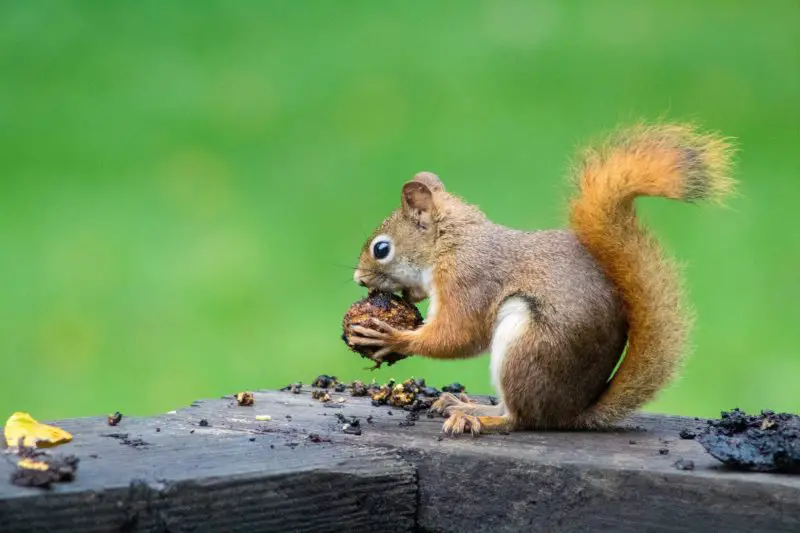
When winter settles over Michigan, backyards transform. Snow covers the ground, winds turn sharp, and food sources vanish beneath layers of ice and frozen soil. Yet squirrels remain everywhere — running across fences, tunneling under snow, climbing trees, raiding feeders, and energetically searching for food like nothing has changed. Many people wonder how they possibly survive when winter seems to remove nearly everything they normally eat.
Squirrels don’t survive winter by luck. They survive because their diet shifts, their behaviors adapt, and their entire winter survival strategy revolves around finding, storing, and using food wisely. Michigan squirrels are remarkably intelligent, resourceful, and well-prepared for winter living. What they eat in your backyard explains exactly how they get through the coldest months of the year.
This detailed guide explores what squirrels eat in Michigan backyards during winter, how their diet changes from warmer seasons, how caching behavior helps, why bird feeders become a major winter food source, and how human environments play a surprisingly big role in keeping squirrels alive through the hardest months of the year.
Table of Contents
- 1 Michigan Squirrels Face Real Food Challenges in Winter
- 2 Squirrels Survive Winter by Relying on Stored Food
- 3 Nuts Are the Most Important Winter Food
- 4 Seeds and Grains Become Valuable Winter Fuel
- 5 Bird Feeders Become Major Winter Feeding Stations
- 6 Squirrels Eat Leftover Fruits They Stored Earlier
- 7 Squirrels Also Eat Bark and Tree Material in Winter
- 8 Squirrels Eat Tree Buds and Twigs
- 9 Mushrooms and Fungi — Stored and Frozen
- 10 Squirrels Eat Insects When Possible
- 11 Squirrels Will Eat Human Food If Accessible
- 12 Not All Squirrels in Michigan Eat the Same Winter Diet
- 13 Weather Conditions Change What They Eat
- 14 Squirrels Eat More During Winter Because They Burn More Energy
- 15 Do Squirrels Hibernate in Michigan?
- 16 Winter Sheltering and Its Connection to Food
- 17 Why Squirrels Raid Backyards More Often in Winter
- 18 Winter Diet Reflects Intelligence and Adaptation
- 19 FAQs About What Squirrels Eat in Michigan Winter Backyards
- 19.1 What do squirrels eat most in winter?
- 19.2 Do squirrels rely on bird feeders?
- 19.3 Do squirrels eat fruit in winter?
- 19.4 Do squirrels eat meat or insects?
- 19.5 Do squirrels starve in winter?
- 19.6 Do squirrels hibernate in Michigan?
- 19.7 Why do squirrels dig holes in snow?
- 19.8 Do humans help squirrels survive winter?
- 20 Conclusion
Michigan Squirrels Face Real Food Challenges in Winter

Michigan winter isn’t mild. It brings:
-
snow that covers natural food
-
frozen soil that locks away buried resources
-
shorter feeding days
-
harsher cold that increases calorie demand
Despite this, squirrels stay active. Unlike some animals, they don’t hibernate fully. Instead, they slow activity on the worst days and rely heavily on food access and stored reserves.
Their survival depends on what they can find — and what they prepared earlier in the year.
Squirrels Survive Winter by Relying on Stored Food
Before winter even arrives, Michigan squirrels prepare. During late summer and fall, they gather enormous amounts of food and store it in multiple locations — a behavior called caching.
Squirrels Bury Food Everywhere
Squirrels hide food in:
-
lawns
-
gardens
-
flowerbeds
-
tree roots
-
beneath shrubs
-
in shallow soil patches
They don’t store everything in one place. Instead, they scatter thousands of tiny food stashes so losing one doesn’t ruin everything.
They Remember — More Than People Think
Many people assume squirrels randomly dig and accidentally find food. In reality:
-
squirrels use memory
-
they use scent detection
-
they use location mapping instincts
They remember approximate storage spots and use smell to pinpoint exact places — even under snow.
Stored food is one of the most important winter food sources for squirrels in Michigan backyards.
Nuts Are the Most Important Winter Food
If you imagine a squirrel with a nut in its mouth, you’re already thinking of its number one winter food source. Nuts provide energy, fat, and long-lasting nutrition.
Common Nuts Squirrels Eat in Michigan Winter
Depending on the backyard and surrounding neighborhood, squirrels may eat:
-
acorns
-
hickory nuts
-
walnuts
-
beech nuts
-
chestnuts
These nuts last months without spoiling, making them ideal winter storage food.
Hard Shells Are an Advantage
The tough outer shells:
-
keep moisture out
-
protect from insects
-
slow decay
That means squirrels can dig them up even weeks or months later and still get fresh nutrition.
Seeds and Grains Become Valuable Winter Fuel
Seeds are another essential food that remains accessible in backyards.
Natural Seed Sources
Even under winter conditions, squirrels locate:
-
leftover plant seeds
-
fallen tree seeds
-
weed seeds above snow
-
seed pods hanging in shrubs
Seeds may be small, but they pack high energy. When larger foods are scarce, squirrels rely on them heavily.
Bird Feeders Become Major Winter Feeding Stations
Ask almost any Michigan homeowner — squirrels love bird feeders in winter.
Why Squirrels Target Bird Feeders
Because bird feeders provide:
-
easy calories
-
reliable food supply
-
concentration of seeds in one place
Winter squirrels are calorie-driven. Bird feeders are one of the most consistent backyard winter resources available.
What They Eat From Bird Feeders
They especially love:
-
sunflower seeds
-
cracked corn
-
peanuts
-
suet with seeds
If a squirrel can access a feeder, it will.
Squirrels Eat Leftover Fruits They Stored Earlier
Michigan trees produce fruit in fall. Smart squirrels gather and store some of these before snow arrives.
Fruits Squirrels May Eat in Winter
They may consume:
-
crabapples
-
apples
-
berries
-
wild fruits
-
dried orchard fruit
These fruits may:
-
become buried
-
freeze
-
dry naturally
Yet they still provide sugar energy through winter.
Squirrels Also Eat Bark and Tree Material in Winter
When food becomes difficult to find, squirrels turn to something always available: trees.
Bark Becomes Emergency Survival Food
Squirrels sometimes chew:
-
outer bark
-
inner bark layers
Inner bark contains nutrients and sugars. It’s not their first choice, but it keeps them alive when snow is deep and stored food is low.
Squirrels Eat Tree Buds and Twigs
Trees prepare spring growth even in winter. Squirrels know it.
Winter Buds Provide Nutrition
They nibble on:
-
tree buds
-
young twig tips
-
early forming shoots
They especially target:
-
maple
-
elm
-
oak
-
fruit trees
Even small buds hold valuable nutrients.
Mushrooms and Fungi — Stored and Frozen
Fall squirrels often collect mushrooms and dry them naturally. Those stored fungi sometimes become winter meals.
They either:
-
pin mushrooms on tree branches
-
store them in dry bark spaces
Even dried fungi offer nutrients when nothing else is available.
Squirrels Eat Insects When Possible
Winter insects are rare, but not nonexistent. During occasional winter thaws or mild days, squirrels might eat:
-
dormant insects
-
larvae
-
grubs under shallow soil
These provide protein, though they are supplemental rather than primary food.
Squirrels Will Eat Human Food If Accessible
Human backyards unintentionally feed squirrels.
Winter squirrels eagerly consume:
-
trash scraps
-
pantry leftovers tossed outdoors
-
compost food items
-
leftover pet food
They are opportunistic. If it provides calories, they consider it food.
Not All Squirrels in Michigan Eat the Same Winter Diet
Different squirrel species live in Michigan, and their winter diets vary slightly.
Eastern Gray Squirrels
Common backyard squirrels. Winter diet includes:
-
nuts
-
seeds
-
tree buds
-
birdseed
They rely heavily on caching behavior.
Fox Squirrels
Slightly larger, commonly seen in parks and rural backyards.
They eat:
-
nuts
-
bark
-
grains
-
acorns
Fox squirrels tolerate cold well and remain active.
Red Squirrels
Smaller but extremely vocal. They are known for hoarding.
They eat:
-
pine seeds
-
cones
-
nuts
-
fungi
They store in tree caches rather than burying like gray squirrels.
Weather Conditions Change What They Eat
Winter is not constant. It includes:
-
mild spells
-
deep snowstorms
-
ice freezes
-
thaw cycles
Each affects available food differently.
During Heavy Snow
They depend mostly on:
-
buried caches
-
bird feeders
-
stored nuts
During Mild Winter Days
They search actively for:
-
seeds
-
berries left on shrubs
-
insects
During Icy Conditions
Ice can seal the ground harder than snow, making food harder to access. This is when backyard food sources and stored caches become essential.
Squirrels Eat More During Winter Because They Burn More Energy
Cold makes survival harder. Squirrels must:
-
maintain body heat
-
travel through snow
-
dig constantly
That requires calories. Winter squirrels burn more energy and therefore must eat more frequently.
Their survival depends on consistent energy intake.
Do Squirrels Hibernate in Michigan?
Many people think squirrels hibernate. Most do not.
Tree Squirrels Do NOT Truly Hibernate
Instead, they:
-
reduce activity during storms
-
sleep longer during coldest periods
-
venture out mostly on manageable days
They still need food regularly.
Ground Squirrels Are Different
Ground squirrels in parts of Michigan do hibernate, but typical backyard tree squirrels stay awake.
This is why winter food access in backyards is so important.
Winter Sheltering and Its Connection to Food
Food does not matter if squirrels freeze.
They rely on:
-
tree cavities
-
leaf nests (dreys)
-
insulated shelters
They often choose winter shelter close to reliable food — which is why they stay near neighborhoods with feeders and nut-bearing trees.
Food and shelter work together to determine survival.
Why Squirrels Raid Backyards More Often in Winter
Winter concentrates squirrels in backyard spaces because:
-
natural forest food declines
-
bird feeders are easier targets
-
humans provide stable food unintentionally
-
neighborhoods retain warmth and plant life
So winter backyard squirrel sightings increase dramatically.
Winter Diet Reflects Intelligence and Adaptation
Michigan squirrels are not random eaters. Their winter diet reflects:
-
planning
-
remembering
-
adapting
-
problem-solving
Their ability to shift diet keeps them alive.
FAQs About What Squirrels Eat in Michigan Winter Backyards
What do squirrels eat most in winter?
Mostly nuts, seeds, stored food, birdseed, bark, and tree buds.
Do squirrels rely on bird feeders?
Very often. Bird feeders become major winter food sources in Michigan backyards.
Do squirrels eat fruit in winter?
Yes, especially stored or dried fruit and crabapples.
Do squirrels eat meat or insects?
Occasionally insects or larvae, but primarily plant materials and nuts.
Do squirrels starve in winter?
They can during extreme ice conditions or poor food years, but caching greatly improves survival.
Do squirrels hibernate in Michigan?
Tree squirrels do not truly hibernate. They remain active throughout winter.
Why do squirrels dig holes in snow?
They’re searching for stored buried food.
Do humans help squirrels survive winter?
Absolutely. Bird feeders, fruit trees, landscaping, and yard habitats provide essential winter food.
Conclusion
Squirrels in Michigan backyards face one of the toughest seasonal challenges in nature. Snow buries food. Ice seals the ground. Cold steals energy. Yet squirrels continue to thrive because their winter diet is flexible, strategic, and perfectly adapted to harsh northern conditions.
They survive winter eating nuts, seeds, stored caches, bark, tree buds, birdseed, berries, fungi, and anything they can safely obtain. They remember where they hid food. They raid bird feeders not out of mischief but survival necessity. They adjust to weather changes, seek energy where they can find it, and rely on human-modified backyards as vital winter feeding grounds.
So when you see a squirrel sprinting across your snow-covered Michigan backyard, carrying a nut, raiding a feeder, or digging beneath white drifts, you are watching survival intelligence in action. Every winter meal they find is another day they successfully endure Michigan’s cold — proving that resilience, preparation, and adaptability are some of nature’s greatest strengths, tucked inside the fluffy tail of a determined squirrel.