
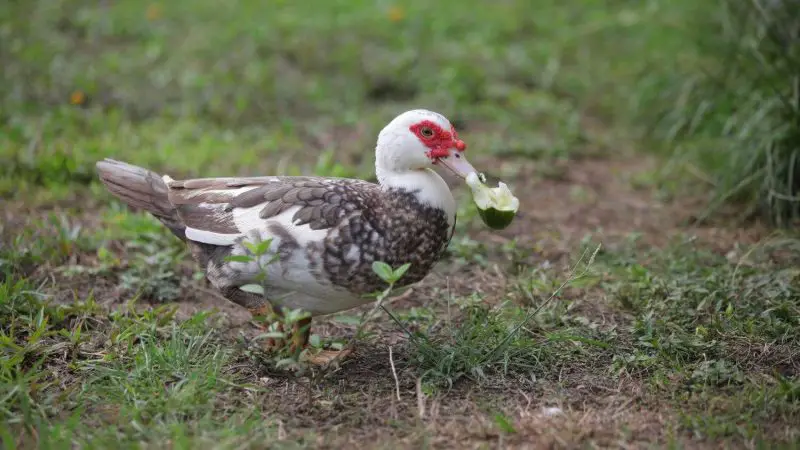
Florida’s wetlands are alive with movement, sound, and seasonal change. Marshes, swamps, mangrove forests, lakes, rivers, and coastal wetlands support an incredible number of duck species. Some live in Florida year-round. Others migrate through. All of them depend on food sources tied to water, vegetation, climate, and shifting seasons.
Florida does not experience the intense winter freezes of northern states, but that does not mean duck feeding remains the same all year. Water levels fluctuate dramatically. Wetlands flood, then dry. Hurricane seasons reshape plant life. Breeding seasons change energy needs. Migration introduces competition. Every one of these forces influences what ducks eat and how they survive.
Instead of a single, unchanging diet, ducks in Florida wetlands follow seasonal feeding patterns. Their food choices adapt based on what is available, how much energy they need, and what their habitat provides at any given time of year.
This detailed guide explores what ducks eat in Florida wetlands throughout the year, breaking down seasonal diets, species differences, natural food sources, shifting water cycles, and how human landscapes influence what ducks consume.
Table of Contents
- 1 Florida Wetlands Create Year-Round Food Availability
- 2 Ducks in Florida Have Different Diet Types
- 3 Spring: Breeding Season Requires High-Energy Food
- 4 Summer: Heat, Water Level Changes, and Abundant Food
- 5 Fall: Migration Season Creates Intense Feeding
- 6 Winter: Florida Becomes a Duck Feeding Destination
- 7 Freshwater Wetlands vs. Coastal Wetlands: Different Food Sources
- 8 Plant-Based Foods Ducks Eat Year-Round in Florida
- 9 Animal-Based Foods Ducks Eat Year-Round
- 10 Do Ducks Eat Algae?
- 11 Ducklings Eat Differently Than Adults
- 12 Hurricanes, Water Cycles, and Food Availability
- 13 Human Influence on What Ducks Eat
- 14 Seasonal Summary: What Ducks Eat Throughout the Year in Florida
- 15 FAQs About What Ducks Eat in Florida Wetlands
- 15.1 Do ducks have the same diet all year in Florida?
- 15.2 Do ducks in Florida eat fish?
- 15.3 Do ducklings eat plants right away?
- 15.4 Do Florida ducks depend on human food?
- 15.5 Do wintering ducks eat differently than resident ducks?
- 15.6 Do coastal ducks eat differently than freshwater ducks?
- 15.7 Does drought reduce duck food?
- 15.8 Are Florida wetlands important for duck survival nationwide?
- 16 Conclusion
Florida Wetlands Create Year-Round Food Availability

Unlike many states where ponds freeze or wetlands shut down seasonally, Florida’s wetlands remain active almost all year. That constant availability means ducks rarely face total food scarcity. Instead, they encounter shifting abundance.
Florida wetlands support:
-
Aquatic plants
-
Seeds and grasses
-
Invertebrates
-
Fish and amphibians
-
Algae and submerged vegetation
Because wetlands rarely go dormant entirely, ducks do not need survival starvation strategies like their northern counterparts. However, food quality and type do change, and ducks must adapt.
Ducks in Florida Have Different Diet Types
Not all ducks eat the same foods. Florida wetlands host dabbling ducks, diving ducks, and specialized feeders, each with unique feeding habits.
Dabbling Ducks
These feed near the water surface or in shallow water by tipping forward. Common dabblers in Florida include:
-
Mallards
-
Mottled Ducks
-
Black-bellied Whistling Ducks
-
Blue-winged and Green-winged Teal
-
Gadwalls
-
Northern Pintails
Dabblers primarily eat:
-
Seeds
-
Plants
-
Aquatic vegetation
-
Invertebrates
They stay mostly at or near the surface.
Diving Ducks
These ducks dive deeply to reach fish, shellfish, and submerged plants. Common Florida diving ducks include:
-
Redheads
-
Ring-necked Ducks
-
Lesser Scaup
-
Canvasbacks
-
Ruddy Ducks
They feed on:
-
Mollusks
-
Crustaceans
-
Submerged vegetation
-
Small fish
Specialized Feeders
Some ducks have highly specific food strategies:
-
Wood Ducks browse acorns, seeds, berries, and insects in forested wetlands
-
Muscovy Ducks (native and feral populations) are opportunistic omnivores
-
Sea Ducks visiting coastal wetlands feed heavily on marine invertebrates
Diet begins with biology — and Florida provides options for all feeding styles.
Spring: Breeding Season Requires High-Energy Food
Spring transforms Florida wetlands into breeding and nesting environments. Energy demand rises greatly, especially for females producing eggs.
Protein Becomes Critical
During spring, ducks shift toward:
-
Aquatic insects
-
Beetles
-
Fly larvae
-
Dragonfly nymphs
-
Small crustaceans
Protein supports egg development, feather renewal, and muscular strength. Ducklings also hatch in spring, meaning wetlands must support double demand: adult nourishment and growing young.
Ducklings Eat Differently
Young ducks consume:
-
Tiny aquatic insects
-
Zooplankton
-
Mosquito larvae
-
Small snails
These foods are:
-
Easy to capture
-
Soft to digest
-
Nutrient dense
Florida’s warm waters allow high insect productivity — a perfect survival advantage.
Summer: Heat, Water Level Changes, and Abundant Food
Summer in Florida is extreme. Temperatures rise, storms build, and water levels fluctuate. Yet food availability remains surprisingly strong.
Aquatic Vegetation Dominates Summer Diet
Warm waters drive rapid plant growth, meaning ducks feed heavily on:
-
Duckweed
-
Pondweed
-
Coontail
-
Hydrilla
-
Algae
-
Seagrass in coastal wetlands
Plant matter offers carbohydrates and steady nutrition.
More Insects, More Options
Summer wetlands explode with life, providing:
-
Mosquito larvae
-
Dragonflies
-
Water beetles
-
Freshwater shrimp
-
Crustaceans
Protein remains important, especially for growing juveniles.
Shallow Wetlands Create Feeding Hotspots
As some wetlands dry partially, fish and invertebrates concentrate in shrinking water. Ducks take advantage of trapped prey, especially dabblers working mud edges.
Summer is demanding physically because of heat — but food remains plentiful.
Fall: Migration Season Creates Intense Feeding
Fall is one of the most important feeding periods in Florida. Migrating ducks arrive, and resident ducks prepare for winter. Even though Florida winters are mild, energy reserves still matter.
Seeds Become a Major Fall Food Source
As plants dry and mature, seeds become crucial. Ducks feed on:
-
Smartweed
-
Millet
-
Wild rice
-
Various grasses
-
Marsh seedheads
Seeds provide:
-
Fat
-
Long-burning energy
-
Easy storage in wetlands
Fall is about building reserves.
Invertebrates Remain Important
Even in fall, Florida still supports rich invertebrate life. Ducks consume:
-
Snails
-
Crayfish
-
Worms
-
Aquatic insects
The combination of seeds and protein creates ideal energy balance.
Winter: Florida Becomes a Duck Feeding Destination
While northern wetlands freeze solid, Florida becomes one of the most important winter waterfowl habitats in North America. Ducks do not simply survive here — they thrive.
Migration Means Competition and Abundance
Florida wetlands fill with:
-
Teal
-
Wigeon
-
Pintails
-
Shovelers
-
Mergansers
-
Ring-necked Ducks
-
Scaup
Winter ducks depend on Florida for high-quality food to maintain strength.
Winter Diet Focuses on:
-
Aquatic vegetation
-
Seeds
-
Invertebrates still available in warm waters
-
Crustaceans in coastal wetlands
Florida’s mild winter climate keeps wetlands biologically active while northern wetlands shut down.
Ducks wintering in Florida are some of the healthiest in the continent — because they can eat well even in “cold” months.
Freshwater Wetlands vs. Coastal Wetlands: Different Food Sources
Florida’s wetlands are not all the same. Diet shifts depending on environment.
Freshwater Marshes and Swamps
Ducks here eat:
-
Pondweed
-
Seeds
-
Insects
-
Snails
-
Duckweed
-
Small fish occasionally
Freshwater environments sustain a balance of greens and protein.
Coastal and Brackish Wetlands
Along mangroves, coastal marshes, and estuaries, ducks feed on:
-
Crabs
-
Marine snails
-
Shrimp
-
Salt-tolerant vegetation
-
Small marine fish
Mergansers and diving ducks thrive especially well in these waters.
Plant-Based Foods Ducks Eat Year-Round in Florida
Plants make up a huge portion of duck diets, especially for dabblers.
Common wetland plants ducks consume:
-
Duckweed (floats on top of water)
-
Wigeon grass
-
Pondweed
-
Water lilies
-
Hydrilla (invasive, but used by ducks)
-
Smartweed
-
Wild celery
Seeds and plant material fuel much of daily energy needs.
Plant availability changes seasonally, but Florida wetlands rarely go barren.
Animal-Based Foods Ducks Eat Year-Round
Even plant-eating ducks need protein. Florida’s wetlands deliver animal-based foods regularly.
Ducks eat:
-
Snails
-
Mussels
-
Freshwater shrimp
-
Crustaceans
-
Aquatic insects
-
Tadpoles
-
Small frogs
-
Very small fish if opportunistic
Diving ducks consume more animal prey than dabblers. Species like mergansers rely heavily on fish and marine prey.
Protein supports:
-
Molting
-
Muscle health
-
Reproduction
-
Feather maintenance
Florida wetlands remain incredibly rich in animal prey — even during seasonal droughts.
Do Ducks Eat Algae?
Yes, but indirectly and selectively.
Algae contributes:
-
Nutrients
-
Food for small organisms (which ducks then eat)
-
Growth base of wetland food chains
Some ducks graze algae directly. Others eat organisms feeding on algae, gaining nutrients secondhand.
Ducklings Eat Differently Than Adults
Young ducks need rapid growth and brain development. Their diet leans heavily toward high-protein animal prey.
Ducklings eat primarily:
-
Mosquito larvae
-
Tiny aquatic insects
-
Zooplankton
-
Small crustaceans
-
Worms
As they mature, their diet gradually shifts toward more plant material.
Florida’s warm wetlands accelerate duckling survival success.
Hurricanes, Water Cycles, and Food Availability
Florida wetlands are shaped by dramatic water changes. Hurricanes flood wetlands with saltwater. Droughts dry entire marshes. Yet ecosystems recover — and ducks adapt.
After Flooding
Nutrients spread across wetlands.
Fish populations often increase.
Vegetation regrows rapidly.
During Drought
Food concentrates into shrinking pools.
Exposed mudflats reveal buried seeds.
Invertebrates gather in smaller water pockets.
Ducks do not merely endure Florida’s climate shifts — they benefit from them.
Human Influence on What Ducks Eat
Human landscapes are now part of Florida’s ecosystems. Ducks feed in:
-
Agricultural fields
-
Flooded pastures
-
Golf courses
-
City ponds
-
Stormwater retention basins
They sometimes consume:
-
Waste grain
-
Grass seeds
-
Human-provided handouts (which are NOT good)
Why Bread Is Dangerous
Bread offers:
-
Low nutrition
-
Digestive strain
-
Pollution risk
Healthy alternatives include:
-
Cracked corn
-
Frozen peas (thawed)
-
Oats
-
Duck pellets
Feeding responsibly helps ducks without harming wetlands.
Seasonal Summary: What Ducks Eat Throughout the Year in Florida
Spring
-
Insects
-
Snails
-
Fresh aquatic vegetation
-
Protein for breeding and ducklings
Summer
-
Aquatic plants
-
Algae
-
Abundant insects
-
Crustaceans
Fall
-
Seeds
-
Grasses
-
Growing vegetation
-
Protein for migration support
Winter
-
Vegetation
-
Seeds
-
Invertebrates
-
Marine prey in coastal wetlands
Florida wetlands support continuously shifting but stable food chains.
FAQs About What Ducks Eat in Florida Wetlands
Do ducks have the same diet all year in Florida?
No. Food sources and nutritional needs change with seasons, water levels, and breeding cycles.
Do ducks in Florida eat fish?
Some species do, especially diving ducks and mergansers, but not all ducks rely on fish.
Do ducklings eat plants right away?
Not primarily. They start life eating mostly insects and small aquatic animals before shifting to more plants.
Do Florida ducks depend on human food?
They should not, but urban ducks often learn to take handouts. Natural wetland food remains far healthier.
Do wintering ducks eat differently than resident ducks?
Yes. Migrating ducks often rely heavily on seeds, aquatic vegetation, and invertebrates to maintain strength.
Do coastal ducks eat differently than freshwater ducks?
Absolutely. Coastal ducks consume more marine invertebrates, fish, and salt-tolerant vegetation.
Does drought reduce duck food?
It changes it rather than eliminates it. Drought concentrates prey and shifts feeding behavior.
Are Florida wetlands important for duck survival nationwide?
Yes. Florida is one of the most important winter and migration feeding regions in North America.
Conclusion
Ducks in Florida wetlands do not depend on a single food source or one fixed diet. They live in ecosystems that change constantly — through hurricanes, seasonal flooding, drought, migration waves, breeding seasons, and climate variation. Their ability to adapt their diet is what allows them not just to survive, but to thrive.
Throughout the year, ducks in Florida eat aquatic vegetation, seeds, berries, insects, snails, crustaceans, small fish, and countless other natural food sources. They adjust based on energy needs, habitat conditions, and food availability. Florida wetlands give them this opportunity by remaining productive all year long.
Every duck feeding in Florida tells a story of adaptation, resilience, and deep connection to one of the most productive wetland systems in the world. Where water remains alive, ducks remain fed — and Florida’s wetlands remain one of the richest dining tables nature ever created.