
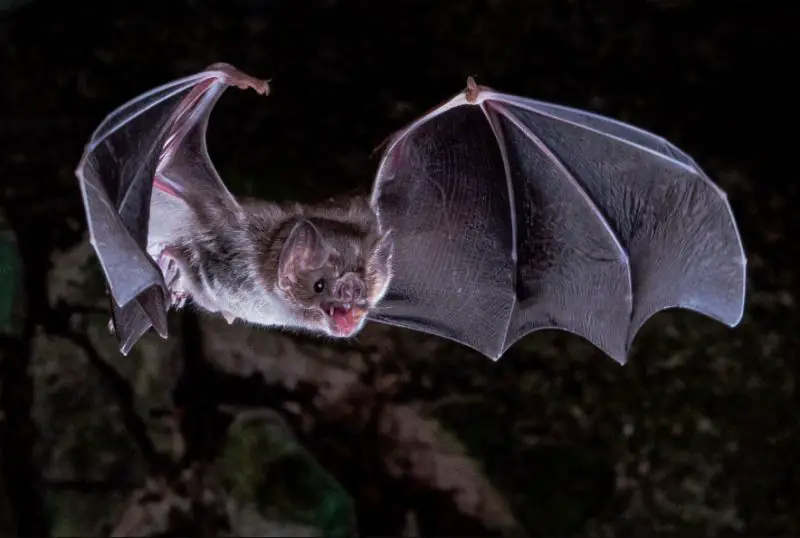
When the sun sets over Tennessee, the landscape does not go quiet. It changes hands. While songbirds settle into nighttime rest and daytime insects disappear into hiding, bats begin to rule the sky. They flicker across streetlights, circle over ponds, skim along treetops, swoop through suburban neighborhoods, and vanish against the dark horizon. Their presence is brief, fast, and mysterious. Yet everything they do in those nighttime hours is guided by one essential question: what is there to eat?
Bats are some of the most misunderstood animals in Tennessee. Many people think of myths, Halloween images, or old legends—but the real story is far more fascinating and deeply important to Tennessee’s ecosystems, agriculture, forests, and even backyards. Their diet shapes how well crops grow, how many mosquitoes survive summer, and how balanced Tennessee’s nighttime food web remains.
This detailed guide explores what bats eat in Tennessee at night throughout the year, how their diet changes with the seasons, why their feeding behavior benefits both nature and people, which species live here, and why understanding their nighttime meals helps explain why bats are far more helpful than frightening.
Bats in Tennessee Are Powerful Insect Predators

The majority of bats in Tennessee are insectivores, meaning insects make up nearly their entire diet. Unlike fruit-eating tropical bats or nectar-feeding desert bats, Tennessee’s native bats feed primarily on flying insects found in forests, fields, wetlands, farmlands, and neighborhoods.
They Eat Huge Numbers of Insects Every Night
A single bat can eat hundreds to thousands of insects in one night, depending on species and size. Multiply that by entire colonies, and Tennessee bats consume millions of insects nightly.
That makes them:
-
natural mosquito controllers
-
protectors of crops
-
vital regulators of insect populations
Their nighttime feeding helps balance ecosystems and reduces insect pressure that would otherwise explode.
What Do Tennessee Bats Eat Most Often?
Bats do not eat randomly. They follow prey abundance, seasonal availability, and energy needs. Many Tennessee insects become nighttime food targets.
Moths Are One of Their Favorite Foods
Moths are abundant in Tennessee evenings, especially in wooded areas, gardens, rural farmland, and around lights.
Bats hunt:
-
small moths
-
medium moths
-
agricultural moth pests
Moths are high in protein and available most of the warm season, making them a primary bat food.
Beetles Are a Major Part of Their Diet
Flying beetles make up another big portion of bat diets, including:
-
June beetles
-
dung beetles
-
leaf beetles
-
crop pest beetles
Some beetles are tough-shelled, but bats are well-equipped with strong jaws and teeth designed for biting through insect armor.
Mosquitoes and Flies
Yes, Tennessee bats eat mosquitoes—but not exclusively. Still, mosquitoes are part of their natural diet, along with:
-
midges
-
gnats
-
tiny flying insects
This nighttime grazing helps reduce nuisance insect populations naturally.
Nighttime Agricultural Pests
Tennessee agriculture benefits tremendously from bats. Many of the insects bats eat are pest species that damage:
-
corn
-
soybeans
-
cotton
-
vegetables
-
fruit crops
By eating adult pest insects, bats help decrease egg-laying and reduce crop loss.
This is one reason bats are considered biological pest control partners to farmers.
Tennessee Bats Hunt Using Sound, Not Sight
People often assume bats “can’t see,” but that’s not true. They do see, but they rely far more on echolocation, an advanced biological sonar system.
Echolocation Makes Night Hunting Possible
Bats emit high-frequency sound pulses. These bounce off objects and return as echoes. Their brains translate those echoes into detailed maps of:
-
insect size
-
distance
-
movement direction
-
location
-
speed
This allows bats to:
-
locate tiny insects in total darkness
-
avoid obstacles
-
chase moving prey in mid-air
Their feeding success is based on this remarkable navigation system.
Different Tennessee Bats Eat Slightly Different Prey
Tennessee hosts multiple bat species, and although most eat insects, their hunting styles and food preferences vary.
Little Brown Bat
Feeds heavily on:
-
mosquitoes
-
midges
-
aquatic insects
Often hunts over water and near wooded wetlands.
Big Brown Bat
Targets larger, harder insects like:
-
June beetles
-
beetles in agricultural areas
Often hunts around fields and suburban neighborhoods.
Eastern Red Bat
Common in forested areas and urban trees. Feeds mostly on moths and flying insects in treetops.
Hoary Bat
Large, powerful flier that hunts high above the canopy. Focuses on larger flying insects.
Tri-Colored Bat
Feeds on tiny insects near rivers, wetlands, and forest edges.
Gray Bat
A protected species in Tennessee, often hunts over rivers and lakes, feeding heavily on aquatic insects.
Different bats specialize in different hunting zones, which reduces competition and supports balance.
Seasonal Changes Affect What Bats Eat
Tennessee isn’t static. Seasons change. Weather changes. Insect populations rise and fall. Bats adapt.
Spring: Returning Activity and Fresh Food Sources
As temperatures warm, insects begin to reappear. Bats emerge from winter inactivity or return from warmer overwintering conditions.
Spring Diet Includes:
-
early mosquitoes
-
small moths
-
gnats
-
beetles
-
aquatic insects over streams and lakes
Spring prey helps replenish energy lost over winter and prepares female bats for pregnancy.
Summer: Peak Feeding Season
Summer nights in Tennessee buzz with insects. This is the peak feeding season for bats, and also the most crucial period for reproduction and growth.
Summer Diet Focuses On:
-
moths
-
beetles
-
flies
-
mosquitoes
-
agricultural pests
Summer is particularly critical for:
-
pregnant female bats
-
nursing mothers
-
growing pups
Females often consume even more food to produce milk and maintain energy.
Fall: Fat Storage and Feeding Before Winter
As nights cool, bats begin preparing for winter. They must build fat reserves because food availability will soon decline.
Fall Feeding Emphasizes:
-
high-energy insects
-
larger moths
-
beetles
Bats may increase feeding time to store fat. They respond strongly to fall insect swarms over fields, water, and forests.
Winter: Diet Stops — Survival Relies on Stored Energy
Winter is different. Tennessee winters may not be as severe as northern states, but insect numbers drop dramatically in cold periods.
Most Tennessee Bats Do Not Feed in Winter
Instead, many bats:
-
enter torpor
-
reduce metabolism
-
hibernate in caves or sheltered spaces
Some may remain semi-active in milder parts of Tennessee and feed occasionally on warm winter nights, but true feeding windows shrink dramatically.
Winter survival depends on how well they fed during warmer months.
Bats and Tennessee’s Ecosystems Are Deeply Connected
When bats eat, ecosystems benefit.
Bats Help Control Mosquito Populations
This has:
-
public health benefits
-
comfort benefits for outdoor life
They act as natural mosquito regulators, especially near wetlands and neighborhoods.
Bats Protect Tennessee Agriculture
By eating:
-
crop pests
-
moth larvae producers
-
beetle populations
They help:
-
lower pesticide use
-
reduce financial damage
-
improve plant health
Farmers benefit every single night bats feed.
Bats Help Maintain Forest Health
Many pests that damage trees are nighttime fliers. Bats reduce those populations too, helping protect:
-
hardwood forests
-
upland woodlands
-
river valley forests
Their diet supports long-term forest stability.
Do Tennessee Bats Eat Rodents, Birds, or Blood?
No — not Tennessee bats.
There are three major myths that always need clearing.
Myth 1: Bats Drink Blood
Vampire bats exist, but they live in Central and South America, not Tennessee. None of Tennessee’s bats feed on blood.
Myth 2: Bats Eat People’s Pets or Livestock
They do not. They are insect eaters.
Myth 3: Bats Hunt Birds
They don’t. Their diet is based on insects.
Their feeding is far less frightening than folklore suggests.
Where Do Tennessee Bats Find Their Food?
Their diet is deeply tied to habitat features. They go where insects live.
Forests and Wooded Areas
Provide:
-
moths
-
beetles
-
forest insects
Many bats hunt near canopy layers.
Lakes, Streams, and Wetlands
Provide:
-
aquatic insects
-
mosquito populations
Gray bats and little brown bats thrive in these environments.
Farmlands and Fields
Offer:
-
agricultural pests
-
beetles
-
seasonal insect swarms
This is one of the most important feeding areas.
Suburbs and Urban Areas
Street lights attract insects. Where insects gather, bats follow.
So bats are commonly seen:
-
above neighborhoods
-
near parks
-
around backyard lights
They adapt easily to developed landscapes.
How Bats Hunt: A Nighttime Feeding Strategy
Bat feeding behavior is fast, efficient, and energy-focused.
They:
-
leave roosts at dusk
-
feed for long intervals
-
rest between feeding bursts
-
return to roosts near dawn
Many perform aerial acrobatics to snatch insects mid-flight. Others catch prey with wing membranes and eat while flying.
Every movement conserves energy while maximizing intake.
Why Tennessee Nights Would Feel Very Different Without Bats
Without bats:
-
insect populations would explode
-
mosquito pressure would increase
-
crop pests would intensify
-
ecosystems would lose stability
Bats silently do enormous environmental labor.
They are one of Tennessee’s most valuable nighttime wildlife allies.
Human Misunderstanding Often Hurts Bat Populations
Despite their benefits, bats still face:
-
habitat loss
-
cave disturbances
-
white-nose syndrome disease
-
fear-based harm
Understanding their diet helps reshape how people see them. They are helpers, not threats.
FAQs About What Bats Eat in Tennessee Nights
What do Tennessee bats eat most?
Mostly flying insects such as moths, beetles, mosquitoes, flies, and agricultural pests.
Do bats eat mosquitoes?
Yes, though they also eat many other insects.
Do bats eat fruit in Tennessee?
No. Tennessee bats are primarily insect eaters.
Do bats eat during winter?
Most reduce feeding drastically and rely on stored fat, often entering hibernation.
Do bats help farmers?
Enormously. They reduce pest populations and pesticide need.
Do Tennessee bats drink blood?
No. Vampire bats do not live in Tennessee.
Where do bats find their food?
Forests, wetlands, fields, neighborhoods, over lakes, and around lights.
Why are bats important?
They control insects, protect crops, support ecosystems, and benefit humans more than most people realize.
Conclusion
Bats in Tennessee may only appear briefly as dark shapes flickering across the evening sky, but every nighttime flight is a story of survival, ecological balance, and silent environmental work. Their diet revolves around insects — moths, beetles, mosquitoes, flies, and countless agricultural pests. Season by season, they adjust their feeding to match insect availability, storing energy for winter, raising their young in summer, and keeping Tennessee’s night skies alive and functional.
They protect farms. They support forests. They make outdoor life more comfortable. And they remind us that some of nature’s most important work happens when most of the world is asleep.
So the next time you see bats sweeping through Tennessee’s night air, remember: they’re not creatures of fear. They’re guardians of the nighttime environment — helping every part of Tennessee, one insect at a time.