
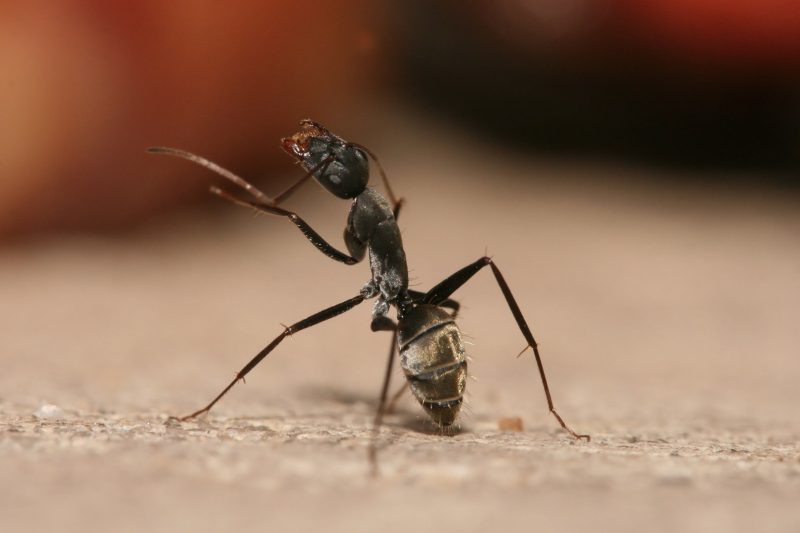
Texas is home to an incredible variety of ant species, and anyone who lives here knows they are persistent, intelligent, and always searching for food. Whether you live in a city neighborhood, rural farmland, or a suburban development, ants eventually show up. They explore kitchens, crawl across patios, move through lawns, invade trash areas, and even build massive outdoor colonies that feel impossible to control.
But ants do not invade randomly. They follow food. Understanding what ants eat in Texas homes and yards explains why they appear, why they return, and why some homes seem to attract them more than others. Food availability shapes ant trails, colony growth, nesting behavior, and seasonal movement.
This detailed guide explains what ants eat inside Texas homes, what they eat outdoors, why different species prefer different foods, how seasons change ant diets, why they suddenly swarm kitchens or yards, and how homeowners unintentionally feed them.
By understanding the food drive behind Texas ants, you understand their behavior — and you gain the first real advantage in controlling them.
Table of Contents
- 1 Ants in Texas Eat Based on Two Main Needs
- 2 What Ants Eat Inside Texas Homes
- 3 What Ants Eat in Texas Yards
- 4 Different Ants Eat Different Foods in Texas
- 5 Seasons Change What Ants Eat in Texas
- 6 Why Ants Keep Returning Once They Find Food
- 7 Why Some Texas Homes Attract Ants More Than Others
- 8 How Water Affects Ant Feeding
- 9 Ant Feeding Helps Explain Why Control Is Difficult
- 10 FAQs About What Ants Eat in Texas Homes and Yards
- 10.1 What do ants eat inside Texas homes?
- 10.2 What do ants eat in Texas yards?
- 10.3 Do Texas ants prefer sugar or protein?
- 10.4 Why do ants suddenly appear in kitchens?
- 10.5 Do ants eat pet food?
- 10.6 Do all ants eat the same thing?
- 10.7 Do ants eat wood in Texas?
- 10.8 Why do ants invade more in Texas summer?
- 11 Conclusion
Ants in Texas Eat Based on Two Main Needs

Before breaking down specific food types, it helps to understand why ants search for food in the first place. Their diet supports two primary needs:
-
Energy for worker ants
-
Protein for colony growth and larvae
Worker ants need sugars and carbohydrates for energy to keep moving, exploring, and building. The developing young inside the nest need protein to grow into adult ants.
That division explains almost every ant invasion Texans experience.
What Ants Eat Inside Texas Homes
Many ant problems begin indoors because houses offer easy, concentrated, consistent food sources. Even small crumbs can sustain an entire colony.
Ants Love Sugary Foods in Texas Homes
Sugar is the number one reason ants enter homes. They search for anything sweet because it fuels worker energy.
Common indoor sugar sources include:
-
spilled drinks
-
soda residue
-
fruit juice
-
honey
-
jam and jelly
-
pastries and cakes
-
candy and sweets
-
sugar granules in pantries
Even dried sugar on counters or sticky spots on floors become powerful attractants. Once one ant finds sugar, it leaves a pheromone trail. Soon, dozens or hundreds follow.
It is especially common during Texas heat waves when outdoor nectar dries up and ants look indoors.
Ants Also Eat Proteins and Grease Indoors
Protein becomes crucial when colonies grow or queens need nourishment. When ants need protein, their food preference shifts dramatically.
Inside Texas homes, ants commonly target:
-
meat scraps
-
pet food
-
grease splatters
-
peanut butter
-
cheese
-
leftovers left uncovered
-
oily residue on cookware
Grease ants, crazy ants, Argentine ants, and fire ants are especially drawn to fatty or protein-rich foods. If those foods are accessible, ants keep returning.
Carbohydrates and Processed Foods Are Major Ant Targets
Some Texas ants survive extremely well on carbohydrates that humans use daily.
That includes:
-
bread crumbs
-
cereal
-
crackers
-
tortillas
-
chips
-
rice
Even a single box of cereal left slightly open can become an ant buffet.
Ants Eat Pet Food—A Common but Overlooked Source
Pet owners unknowingly feed ants daily. Ants love:
-
dog food
-
cat food
-
spilled kibble
-
uneaten wet food
Pet bowls left out overnight are among the biggest attractants in Texas homes. Outdoor pet feeding increases ant presence dramatically.
Do Ants Eat Trash?
Yes, and trash is one of the most powerful ant magnets in Texas homes.
Ants eat:
-
discarded food scraps
-
sticky residues inside trash bins
-
fruit peels
-
discarded meat wrappers
Indoor trash cans without sealed lids turn kitchens into ant hotspots. Outdoor trash bins close to the house invite colonies directly toward entry points.
What Ants Eat in Texas Yards
Texas yards are some of the most active ant environments in the country. Warm temperatures, long summers, and fluctuating rain cycles create a perfect feeding ecosystem.
Ants Eat Natural Sugars in Yards
Outside, ants get much of their energy from natural sugar sources.
They feed on:
-
nectar from flowers
-
plant sap
-
sweet secretions from damaged plants
But one of the biggest outdoor food sources in Texas is honeydew produced by aphids and other plant pests.
Ants Farm Aphids for Food
Many Texans don’t realize ants raise insects like farmers. Aphids produce a sweet liquid called honeydew. Ants protect aphids, move them to safe locations, and “milk” them for honeydew.
They also farm:
-
scale insects
-
mealybugs
-
whiteflies
This creates a constant outdoor sugar supply and encourages ants to stay in yards, gardens, and shrubs.
Ants Eat Seeds and Plant Material
Several Texas ant species are seed collectors. Harvester ants, for example, collect:
-
grass seeds
-
wild plant seeds
-
seeds from landscaping plants
Seeds offer long-lasting nutrition and store well in underground chambers.
Some ants also chew plant stems and leaves, especially young tender growth.
Ants Eat Live and Dead Insects
Protein in Texas yards doesn’t only come from human foods. Many ants hunt or scavenge.
They eat:
-
dead insects
-
beetles
-
caterpillars
-
termites
-
spiders
-
grubs
-
worms
Fire ants are especially aggressive and can overwhelm larger prey, including lizards, frogs, and sometimes baby birds.
Ants play an important ecological role by cleaning decomposing insects — but in Texas yards, that also means they stay well-fed and thriving.
Ants Will Eat Small Animals if Available
Fire ants in Texas are known for:
-
attacking small reptiles
-
harming newly hatched birds
-
targeting newborn rodents
While not their main diet, these events do happen. Fire ants are powerful predators and opportunistic feeders.
Ants Eat Human Food Left Outdoors
Texas backyards often double as outdoor kitchens and social spaces. Unfortunately, that makes them food hotspots for ants.
Ants target:
-
barbecue scraps
-
picnic leftovers
-
food dropped near patio furniture
-
spilled sweet drinks
-
outdoor dining areas
Outdoor kitchens and grills are frequent trail starting points. Grease remains, crumbs, and seasoning spills become repeat attractions.
Ants Eat Rotting Organic Matter
Ants also act as decomposers. In Texas yards, they feed on:
-
decaying leaves
-
compost piles
-
organic garden waste
-
dead plant material
Compost piles especially attract ants because they combine moisture, warmth, sweetness, and organic nutrients.
Different Ants Eat Different Foods in Texas
Texas is home to many ant species, and each has slightly different diet preferences.
Fire Ants
Fire ants are highly aggressive and opportunistic.
They eat:
-
meat
-
insects
-
small animals
-
sugary substances
-
plant seeds
They thrive in yards, fields, and disturbed soil.
Carpenter Ants
Carpenter ants do not eat wood, but they carve through it to build nests. Their diet is mostly:
-
honeydew
-
plant juices
-
insects
-
sweets inside homes
They are common in wooded neighborhoods and home structures with moisture damage.
Crazy Ants and Argentine Ants
These Texas invaders consume:
-
sweets
-
proteins
-
grease
-
household foods
They form massive colonies and are very difficult to control once established.
Ghost Ants and Sugar Ants
These ants primarily target:
-
sugar
-
nectar
-
fruits
-
syrups
They are frequent kitchen invaders.
Odorous House Ants
They eat:
-
sweets
-
dead insects
-
household leftovers
Their colonies move frequently, following food availability.
Harvester Ants
These ants focus mainly on:
-
seeds
-
dry plant material
They are more yard-focused than indoor invaders.
Seasons Change What Ants Eat in Texas
Texas heat, rain cycles, and seasonal shifts affect ant diets.
Spring
Food focus:
-
nectar
-
honeydew
-
insects
-
protein for colony growth
Summer
Texas heat dries natural sugar sources, so ants move indoors.
They search for:
-
sweets
-
household food
-
pet food
-
water sources
Summer is peak indoor ant invasion season.
Fall
Ants prepare for cooler seasons.
They collect:
-
seeds
-
carbohydrates
-
protein reserves
Colonies stabilize and expand.
Winter
Texas winters are mild compared to northern states, so many ants remain active.
They focus on:
-
indoor kitchens
-
compost piles
-
pantry foods
-
trash sources
Warm homes become primary food zones.
Why Ants Keep Returning Once They Find Food
Ants don’t randomly walk in lines. Trails are created by pheromones, chemical scent trails left behind by successful ants.
Once food is found:
-
One ant discovers it
-
It returns to the colony leaving a scent trail
-
Other ants follow
-
More scent makes the trail stronger
-
A full feeding route forms
As long as food remains, ants return.
Remove food, remove the motivation — and colonies lose interest.
Why Some Texas Homes Attract Ants More Than Others
Certain conditions increase ant food access.
Homes are more likely to attract ants if they have:
-
crumbs on floors
-
sticky counters
-
uncovered food storage
-
unsealed trash
-
leaky pet food bowls
-
shaded moist yards
-
heavy landscaping plants that host aphids
Food availability equals ant activity.
How Water Affects Ant Feeding
Food alone does not explain ants — water plays a role too.
Texas ants look for:
-
condensation under sinks
-
leaky pipes
-
AC drain areas
-
sprinkler systems
-
wet soil
Moisture plus food creates ideal conditions for rapid colony growth.
Ant Feeding Helps Explain Why Control Is Difficult
Understanding diet explains why ant control often fails when done incorrectly.
If only the visible ants are removed but:
-
food remains
-
aphids remain
-
pet food remains
-
moisture remains
Ants return.
Control requires understanding what sustains them, not just spraying at trails.
FAQs About What Ants Eat in Texas Homes and Yards
What do ants eat inside Texas homes?
They eat sugar, grease, meat scraps, pet food, bread, cereal, crumbs, sticky spills, and pantry food.
What do ants eat in Texas yards?
They eat insects, honeydew, nectar, seeds, plant material, compost, and small prey.
Do Texas ants prefer sugar or protein?
Both — sugars fuel workers, protein feeds larvae. Needs change over time.
Why do ants suddenly appear in kitchens?
They discovered food and created a pheromone trail to it.
Do ants eat pet food?
Yes, pet food is one of the biggest ant attractants in Texas homes and yards.
Do all ants eat the same thing?
No. Different species prefer sugars, protein, seeds, or insects.
Do ants eat wood in Texas?
No. Carpenter ants nest in wood but eat sugars and insects, not wood itself.
Why do ants invade more in Texas summer?
Heat dries outdoor food, pushing ants indoors for moisture and sweets.
Conclusion
Ants in Texas do not invade homes and yards by accident. They follow food — wherever it exists. Inside homes, they search for sweets, grease, crumbs, pet food, pantry items, and trash. Outside, they feed on insects, honeydew, nectar, seeds, compost, plant juices, and even small animals in some cases. Different species eat different foods, and seasonal changes reshape feeding behavior.
Understanding what ants eat explains why they enter homes, why they stay in yards, and why they return repeatedly. Food is the foundation of every colony decision they make. When you understand their diet, you understand their survival strategy — and gain the knowledge needed to manage them effectively.
Texas ants are persistent, adaptive, and endlessly resourceful. Their ability to find food anywhere is impressive. But by knowing what attracts them, you gain control over when and where they appear.