
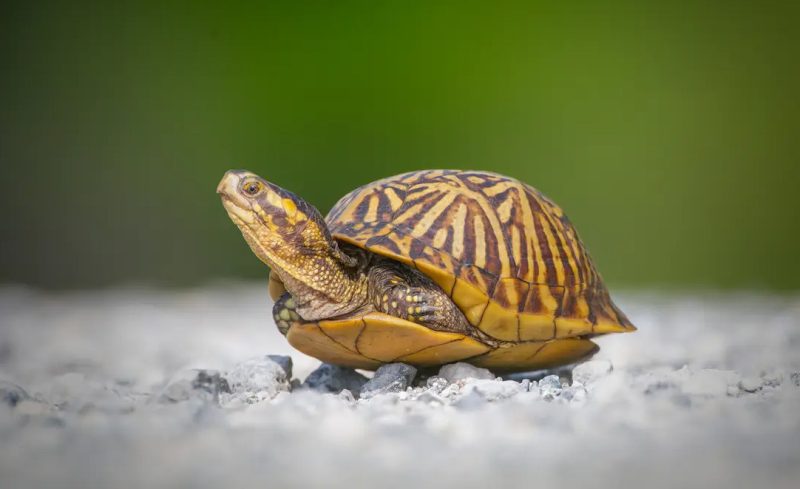
Florida is one of the most turtle-rich states in the United States. Its warm climate, extensive wetlands, slow rivers, lakes, and coastal waters support a wide variety of freshwater and marine turtle species. Because turtles are highly visible and often slow moving, many people assume that taking one from the wild and keeping it as a pet is harmless or even legal.
In reality, Florida law treats wild turtles very differently from traditional pets. Whether keeping a wild turtle is legal depends on the species, how the turtle was obtained, how many are kept, and whether state permits are required. In many situations, possessing a wild turtle is illegal, even if the animal appears common and even if it was taken with good intentions.
Understanding these rules is essential, because wildlife violations in Florida can result in fines, confiscation of animals, and in some cases criminal charges.
Why Florida Regulates Turtle Ownership

Florida’s wildlife laws are built around long-term conservation rather than convenience. Turtles are particularly vulnerable to population decline because they grow slowly, reach maturity late, and depend heavily on adult survival to maintain stable populations. Removing just a few breeding adults from the wild can affect local populations for decades.
Florida also faces unique pressures. Habitat loss, road mortality, illegal wildlife trade, and the release of captive animals back into natural ecosystems all threaten native turtle species. Because turtles live long lives and move slowly, they are especially vulnerable to these human-caused impacts.
For these reasons, the Florida Fish and Wildlife Conservation Commission regulates the capture, possession, transport, and sale of turtles far more strictly than many people expect.
Wildlife Ownership in Florida: The Core Legal Principle
A key concept in Florida wildlife law is that wild animals do not become personal property simply because someone finds them. Native turtles belong to the state, not to the individual who encounters them on a roadside, in a backyard, or near a pond.
Finding a turtle crossing the road, basking near water, or living on private property does not automatically grant the right to keep it. In most cases, removing a turtle from the wild and placing it in captivity is considered an unlawful taking unless a specific legal exception applies.
This principle applies even when the turtle appears injured, displaced, or abandoned.
Taking Turtles From the Wild
Florida law allows extremely limited collection of certain freshwater turtle species, but this is often misunderstood. Limited collection does not mean unrestricted pet ownership. Collection rules are narrow, species-specific, and subject to daily possession limits.
Even when collection is technically allowed, only small numbers may be taken, and only by non-destructive methods. Commercial use, sale, or trade requires separate licensing. Importantly, collection rules do not override possession limits, meaning a turtle legally collected one day may still be illegal to keep long-term.
Many turtle species cannot be taken from the wild under any circumstances.
Species That Are Fully Protected
Some turtles receive full legal protection in Florida. These species may not be taken, possessed, disturbed, or kept as pets without specific authorization for scientific research or wildlife rehabilitation.
Alligator snapping turtles fall into this category, as do several regionally restricted freshwater species. Marine turtles receive the highest level of protection. Sea turtles, their eggs, hatchlings, and nests are fully protected under both state and federal law. Possessing any part of a marine turtle without authorization is a serious criminal offense.
These protections apply regardless of intent. Keeping a protected turtle because it “would not survive in the wild” does not make possession legal.
Box Turtles and Common Misunderstandings
Box turtles are among the most frequently misunderstood reptiles in Florida. Because they are terrestrial and often encountered away from water, many people assume they are legal to keep as pets.
In reality, box turtles are native wildlife and are subject to possession limits. Keeping more than the legally allowed number, or collecting them without understanding the rules, can result in enforcement action. Even legal possession does not make box turtles good pets. Removing them from their home range often leads to stress, illness, and reduced survival, even if they are later released.
Captive-Bred Versus Wild-Caught Turtles
One of the most important distinctions in Florida law is whether a turtle is wild-caught or captive-bred.
Wild-caught native turtles are tightly regulated. Without documentation proving legal collection, possession is presumed unlawful. Even species that may be legal to possess in small numbers can become illegal if their origin cannot be verified.
Captive-bred turtles are treated differently. Some species may be legally owned if they were bred in captivity by licensed breeders and sold with proper documentation. However, captive breeding does not automatically make a turtle legal. Species protections and permit requirements still apply.
Purchasing a turtle from a licensed source is generally safer than attempting to keep one taken from the wild.
Permits and Personal Pet Wildlife Rules
Florida does not allow unrestricted ownership of wildlife, even for non-dangerous species. Many native reptiles fall under captive wildlife regulations and may require a personal pet permit.
These permits are issued to specific individuals and addresses and authorize possession under defined conditions. They do not allow public exhibition, sale, or breeding unless additional permits are obtained. Importantly, permits do not override species-level protections. A permit cannot legalize possession of a prohibited species.
Failing to obtain a required permit before taking possession of a turtle can result in enforcement action even if the animal is otherwise legal to keep.
Non-Native Turtles and Invasive Species Concerns
Non-native turtles are regulated differently, but they are not unregulated. Some non-native species may be legal to possess as pets, but releasing them into the wild is illegal and can carry severe penalties.
Florida has experienced significant ecological damage from released exotic reptiles. As a result, releasing an unwanted pet turtle can be more legally serious than keeping it. Owners are responsible for ensuring that non-native turtles remain contained and are not introduced into natural ecosystems.
Injured or “Rescued” Turtles
Many wildlife violations occur when people act with good intentions. Keeping an injured or displaced turtle without authorization is still illegal in most cases.
Florida law generally allows people to move turtles out of immediate danger, such as helping one cross a road in the direction it was traveling. Keeping the turtle afterward, however, usually requires authorization. Injured turtles should be reported to licensed wildlife rehabilitators rather than kept as pets.
Good intentions do not create legal exceptions.
Penalties for Illegal Possession
Violations involving turtles can result in fines, confiscation of animals, and criminal charges depending on the species and circumstances. Cases involving protected or imperiled species carry much higher penalties than those involving unprotected wildlife.
Wildlife enforcement officers regularly investigate illegal possession, online sales, and reports from the public. Enforcement is active, not theoretical.
Why Florida Takes Turtle Laws Seriously
Turtles play critical ecological roles as grazers, scavengers, and prey species. Their long lifespans and slow reproduction make them especially sensitive to human pressure.
Florida’s turtle laws are designed to protect populations before they collapse, not after. What seems like a harmless pet choice can quietly remove decades of reproductive potential from a local ecosystem.
Legal and Ethical Alternatives
People who love turtles have legal options. Captive-bred turtles from licensed breeders, volunteering with wildlife rehabilitation organizations, and observing turtles responsibly in the wild all allow engagement without harming native populations.
Appreciation does not require possession.
FAQs About Keeping Wild Turtles as Pets in Florida
Is it legal to keep a wild turtle as a pet in Florida?
In most cases, no. Native turtles are protected wildlife, and taking them from the wild is usually illegal without specific permission.
Can I keep a turtle I found crossing the road?
You may help it cross safely, but you cannot legally keep it as a pet.
Are any turtle species legal to own in Florida?
Only certain species are legal under strict limits or with permits. Many native turtles are fully protected.
Are sea turtles legal to keep as pets?
No. All sea turtles, their eggs, and shells are completely protected and illegal to possess.
Do box turtles require a permit?
Box turtles are native wildlife and subject to possession limits. Keeping more than allowed or collecting improperly is illegal.
Does captive-bred status matter?
Yes. Captive-bred turtles may be legal if the species is allowed and proper documentation is provided.
What should I do if I find an injured turtle?
Move it out of immediate danger and contact a licensed wildlife rehabilitator. Do not keep it.
Are non-native turtles legal pets?
Some are legal, but releasing them into the wild is illegal and can result in penalties.
What happens if I break turtle laws in Florida?
Penalties can include fines, confiscation, and criminal charges, depending on the species.
What is the safest legal way to own a turtle in Florida?
Buy a captive-bred turtle from a licensed seller and confirm the species is legal before purchase.
Final Thoughts
Keeping wild turtles as pets in Florida is far more restricted than most people realize. In many situations, it is illegal. In others, it is allowed only under narrow conditions and strict limits. In every case, legality depends on species, origin, and compliance with wildlife regulations.
The safest assumption is simple. If a turtle came from the wild, it likely does not belong in captivity.
Florida’s laws exist to protect animals that cannot adapt quickly to human pressure. When it comes to turtles, that protection is not optional.