
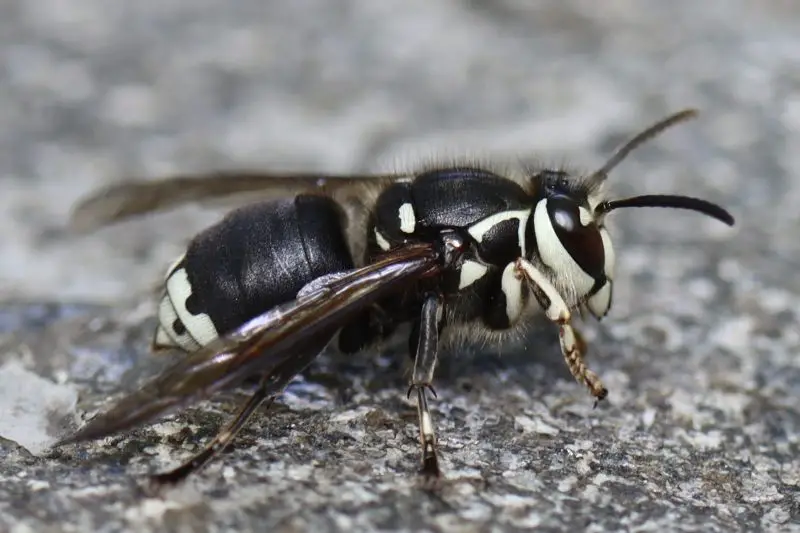
Few insects in New York trigger the same immediate fear response as the bald-faced hornet. Large, black-and-white, loud, and aggressively defensive around its nest, this insect has earned a reputation for delivering one of the most painful stings people encounter in the Northeast.
But how painful is a bald-faced hornet sting really?
Is it just shock and panic, or is the pain truly different from other wasps and bees?
This article breaks down the actual pain level, how the sting feels, why it hurts so much, what makes bald-faced hornets especially dangerous in New York, and when a sting crosses from painful into medically serious.
What a Bald-Faced Hornet Actually Is

Despite the name, the bald-faced hornet is not a true hornet. It is a type of aerial yellowjacket, scientifically known as Dolichovespula maculata. True hornets belong to the genus Vespa, while bald-faced hornets are closer relatives of yellowjackets.
In New York, bald-faced hornets are widespread and common. They are easily identified by their black bodies with stark white markings on the face, thorax, and abdomen. Adults measure about ¾ of an inch long, making them appear larger and more intimidating than many other wasps.
Their nests are large, football-shaped paper structures usually attached to trees, shrubs, utility poles, or buildings. These nests can house hundreds of workers by late summer.
Why Bald-Faced Hornets Have Such a Painful Reputation
Bald-faced hornets are not feared because they sting constantly. In fact, most people live near them for years without ever being stung. Their reputation comes from what happens in the moments when a sting does occur.
When a bald-faced hornet stings, the pain is immediate, sharp, and overwhelming. There is no gradual build-up or mild warning. The sensation hits at full intensity almost instantly, which is why people remember it so vividly.
Several biological and behavioral factors combine to create this experience. Bald-faced hornets possess a relatively large, strong stinger capable of penetrating human skin easily. Their venom is designed to deter predators quickly, not gradually. Unlike honeybees, they do not lose their stinger, allowing them to sting repeatedly in rapid succession.
Most importantly, bald-faced hornets are highly aggressive nest defenders. They are not roaming attackers, but when their nest is threatened, their response is immediate and coordinated. This defensive intensity, combined with the pain of the venom itself, cements their reputation as one of the most painful stinging insects people encounter in New York.
How Painful Is the Sting Compared to Other Insects?
Pain from insect stings varies from person to person, but entomologists often rely on standardized comparisons, such as the Schmidt Sting Pain Index, to describe relative intensity. While bald-faced hornets are not always listed as a separate category, their sting is widely regarded as more painful than that of a honeybee and comparable to or worse than most yellowjackets.
People who have experienced the sting consistently describe it as abrupt and intense rather than gradually uncomfortable. The pain does not creep in. It arrives fully formed, often causing an involuntary reaction such as shouting, dropping tools, or instinctively moving away.
What makes the pain feel worse than many other stings is how quickly it peaks. Stings that develop slowly may allow the body to adjust. Bald-faced hornet stings do not offer that luxury. The nervous system is hit hard and fast, which amplifies the perceived severity.
What the Sting Actually Feels Like
Most people describe the bald-faced hornet sting as a sequence rather than a single sensation.
The first moment is a sudden, piercing pain, often compared to being stabbed with a hot needle or touched with a live electrical wire. This pain is unmistakable and instantly commands attention.
Within seconds, the sensation shifts. The sharp pain transitions into a deep burning or throbbing feeling. The skin around the sting tightens, heats up, and begins to swell. Many people report that the pain seems to spread outward rather than remaining confined to the exact sting location.
After several minutes, the most intense pain fades, but tenderness remains. The area often feels bruised or sore for hours, sometimes even when touched lightly.
Why Bald-Faced Hornet Venom Hurts So Much
The venom of a bald-faced hornet is chemically complex and specifically evolved for defense. It contains compounds that directly stimulate pain receptors, ensuring the sting is noticed immediately. Other components trigger inflammation and increase blood vessel permeability, allowing fluid to move into surrounding tissues.
This combination causes both rapid pain and delayed swelling. Unlike stings that deliver a quick jab and then fade, bald-faced hornet venom continues to irritate tissue after the initial injection. This ongoing irritation explains why soreness and sensitivity linger long after the sharp pain subsides.
The venom also disrupts cell membranes at the sting site, which contributes to redness, warmth, and prolonged tenderness.
Swelling and Local Reactions
In New York, most bald-faced hornet stings result in strong local reactions rather than systemic illness. Swelling is common and often extends several inches beyond the sting site. The skin becomes red, warm, and tight, sometimes accompanied by itching once the sharp pain diminishes.
Swelling often increases during the first 24 hours rather than immediately resolving. This delayed swelling can be alarming, especially for people stung on the face, neck, hands, or feet, where tissue is less able to expand.
In these areas, swelling can appear dramatic even when the reaction is medically normal. Resolution may take several days, and mild itching or tenderness can persist for up to a week.
Is the Pain Worse Than a Yellowjacket Sting?
Many New Yorkers have experienced both yellowjacket and bald-faced hornet stings, and comparisons are common. While both are painful, they feel different.
Bald-faced hornet stings tend to feel sharper and more intense at the start. Yellowjacket stings often develop into a longer-lasting ache. Bald-faced hornets also tend to cause more dramatic swelling, particularly near sensitive areas.
Context plays a major role. Bald-faced hornets are more likely to sting near nests, where multiple stings can occur quickly. This clustering effect magnifies pain and fear, making the experience feel far worse than a single isolated sting.
Why Bald-Faced Hornets Sting More Than Once
A single bald-faced hornet sting is painful enough. Multiple stings escalate the experience rapidly.
When a bald-faced hornet stings, it releases alarm pheromones. These chemical signals alert nearby workers that the nest is under threat. In late summer, when New York nests are large and densely populated, this can trigger a coordinated defensive response.
This is why encounters near nests often feel overwhelming. The pain compounds quickly, and fear amplifies perception, making the experience feel chaotic and severe.
How Long Does the Pain Last?
A typical bald-faced hornet sting follows a fairly predictable pattern. Severe pain dominates the first few minutes. Burning and throbbing sensations continue for up to an hour. Soreness and swelling often last one to three days.
In some cases, itching and sensitivity linger for a week. Pain that worsens after 24 hours may indicate infection rather than venom effects and should be evaluated.
Are Bald-Faced Hornet Stings Dangerous?
For most people, bald-faced hornet stings are painful but not medically dangerous. The venom is not unusually toxic, and the body can handle a single sting without lasting harm.
Risk increases with multiple stings, stings to the face or throat, stings in children, or underlying medical conditions. Location and quantity matter far more than venom potency.
Allergic Reactions and Anaphylaxis
A small percentage of people are allergic to wasp venom. In these individuals, even one sting can trigger anaphylaxis. Symptoms may include difficulty breathing, swelling of the lips or throat, dizziness, rapid heartbeat, or widespread hives.
These reactions require immediate emergency medical care. Anyone with a known allergy should carry prescribed emergency medication.
Why Bald-Faced Hornet Stings Feel Worse in Late Summer
In New York, sting incidents peak in late summer and early fall. At this time, nests are at maximum size, food sources are scarcer, and colonies are under stress. Hornets defend their nests more aggressively, increasing the likelihood of multiple stings and higher venom exposure.
Common Sting Locations in New York
Most stings occur during everyday activities such as yard work, trimming shrubs, using ladders, walking under low branches, or children playing outdoors. Nests are often hidden, making accidental encounters common.
How Bald-Faced Hornet Stings Compare to Bee Stings
Compared to honeybee stings, bald-faced hornet stings hurt more immediately, cause more swelling, and carry a higher risk of multiple stings. Bee stings tend to produce more localized pain that fades faster once the stinger is removed.
What to Do Immediately After a Sting
Moving away from the area is critical to avoid additional stings. Washing the site, applying cold packs, and using antihistamines can reduce pain and swelling. Scratching should be avoided, as it worsens inflammation.
When Pain Signals a Medical Problem
Medical attention is necessary if swelling spreads rapidly, pain worsens after a day, signs of infection appear, or allergic symptoms develop. New York emergency rooms treat insect stings frequently during peak season.
Why Bald-Faced Hornets Are Common in New York
New York’s forests, suburbs, and abundant nesting structures provide ideal conditions. Their presence reflects ecological opportunity rather than neglect.
Preventing Painful Encounters
Inspect vegetation before trimming, watch for hornet flight patterns, keep distance from nests, and hire professionals for removal. Attempting DIY nest removal greatly increases sting risk.
Why the Pain Feels So Memorable
The pain is not just physical. Surprise, fear, and rapid escalation amplify perception. Bald-faced hornet stings are sudden, intense, and often unexpected, which is why they leave such a lasting impression.
FAQs About Bald-Faced Hornet Stings in New York
How painful is a bald-faced hornet sting compared to a bee sting?
A bald-faced hornet sting is usually more painful than a honeybee sting. The pain is sharper, more immediate, and often accompanied by stronger swelling.
Do bald-faced hornet stings hurt more than yellowjacket stings?
They often feel sharper and more intense at first. Yellowjacket stings may linger longer, but bald-faced hornets tend to cause more dramatic swelling and initial pain.
How long does the pain from a bald-faced hornet sting last?
Severe pain usually lasts several minutes. Burning and throbbing can continue for up to an hour, while soreness and swelling may last one to three days.
Why do bald-faced hornet stings hurt so much?
Their venom directly activates pain receptors and causes inflammation. The combination creates immediate pain followed by prolonged swelling and tenderness.
Can bald-faced hornets sting more than once?
Yes. Unlike bees, bald-faced hornets do not lose their stinger and can sting repeatedly, especially when defending their nest.
Are bald-faced hornet stings dangerous to most people?
For most people, the stings are painful but not dangerous. Serious risk comes from multiple stings or allergic reactions rather than venom toxicity.
What are signs of an allergic reaction to a hornet sting?
Difficulty breathing, swelling of the face or throat, dizziness, rapid heartbeat, or widespread hives require immediate emergency care.
Why do bald-faced hornet stings happen more often in late summer?
Late summer nests are larger and more aggressively defended. Food scarcity and colony stress increase the likelihood of defensive stings.
Where do bald-faced hornet stings usually occur in New York?
Most stings happen during yard work, trimming trees, using ladders, or walking near hidden nests in trees and shrubs.
What should I do immediately after being stung?
Move away from the area, wash the sting site, apply a cold pack, and use an antihistamine if swelling is significant. Seek medical care if symptoms worsen.
Final Thoughts
A bald-faced hornet sting in New York is genuinely painful. The pain is sharp, intense, and immediate, often stronger than common bee stings and comparable to the worst yellowjacket stings.
However, pain does not automatically mean danger.
For most people, the sting is a temporary injury that resolves with time and basic care. The real risk lies in allergic reactions and multiple stings near nests.
Understanding why the sting hurts so much, how long the pain lasts, and when to seek help turns fear into awareness. Bald-faced hornets are aggressive defenders, not random attackers. Respecting their space is the simplest way to avoid one of New York’s most painful insect experiences.