
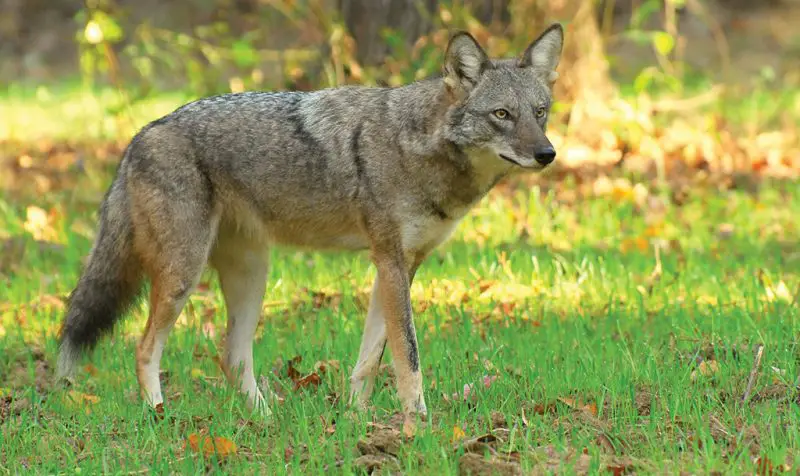
Coyotes have become a familiar part of Alabama’s wildlife landscape over the past several decades. Once uncommon in much of the Southeast, they now occupy forests, farmland, wetlands, suburban edges, and even some urban corridors. As sightings increase, residents often wonder how these adaptable predators interact with domestic animals. One persistent question stands out: can coyotes in Alabama breed with domestic dogs?
The short answer is yes, biological hybridization between coyotes and dogs is possible. However, it is far less common than many people assume. Understanding why requires looking at genetics, behavior, ecology, and how human development influences wildlife interactions. This article explores the science behind coydog hybrids, what actually happens in Alabama, and how people can safely coexist with both wild and domestic canines.
Coyotes in Alabama: A Relatively Recent Expansion

Historical Range Changes
Coyotes were once primarily associated with the open landscapes of western North America. Over the past century, however, their range steadily expanded eastward. Several factors contributed to this shift, including the historical removal of larger predators, widespread changes in land use, and the coyote’s exceptional adaptability. By the late twentieth century, coyotes had firmly established themselves across Alabama, where they are now considered a permanent component of the state’s wildlife community.
Today, coyotes occur statewide and occupy a surprising variety of environments. They thrive along forest edges, agricultural fields, wetlands, river corridors, and brushy transitional zones. Suburban greenbelts, golf courses, retention ponds, and lightly urbanized neighborhoods also provide suitable conditions. Their flexible diet, tolerance of human disturbance, and ability to move long distances allow them to succeed where many other predators decline.
As coyotes became more common in areas where people live, encounters with domestic dogs naturally increased. This growing overlap has sparked curiosity about whether the two species might breed together, especially when residents observe unusually large or oddly colored canines.
Why Coyotes Adapt So Well
Coyotes are among the most adaptable carnivores in North America. In Alabama they function as opportunistic omnivores, taking advantage of whatever food sources are seasonally available. Common foods include rodents, rabbits, birds, reptiles, insects, fruits, and carrion. They may also occasionally investigate livestock feed, unsecured trash, or outdoor pet food when natural prey is scarce.
This dietary flexibility allows coyotes to persist in landscapes undergoing rapid change. Rural farmland offers abundant rodents. Suburban edges provide fruiting plants, water sources, and shelter. Wetlands support amphibians and small mammals. Even fragmented habitats can sustain coyote populations because the animals readily adjust their movement patterns.
Their adaptability explains why coyotes continue expanding into developed areas. Rather than requiring pristine wilderness, they often thrive in mixed landscapes shaped partly by human activity.
Biological Compatibility Between Coyotes and Dogs
Coyotes (Canis latrans) and domestic dogs (Canis lupus familiaris) both belong to the genus Canis. This close evolutionary relationship means they share many genetic similarities, including compatible reproductive biology. Under certain circumstances, they can interbreed and produce hybrid offspring commonly referred to as coydogs.
This situation differs greatly from that of foxes and dogs, which belong to different genera and cannot hybridize naturally. Because coyotes and dogs are genetically closer, hybridization is biologically possible.
However, genetic compatibility alone does not determine how frequently such crosses occur. Behavioral, ecological, and social factors strongly influence whether interbreeding actually happens in the wild.
Fertility of Coydog Offspring
Coydog hybrids are typically fertile. This means they can reproduce with coyotes, domestic dogs, or other hybrids. In theory, repeated backcrossing could introduce domestic dog genes into wild coyote populations.
Despite this potential, stable hybrid populations are rarely documented in Alabama. Most coyotes studied genetically still reflect primarily wild ancestry rather than significant domestic dog influence. Occasional hybridization events may occur, but they do not appear to dominate population genetics.
Strong behavioral barriers usually prevent extensive mixing between the two groups.
Behavioral Factors That Limit Hybridization
Strong Coyote Social Structure
Coyotes typically live in structured family groups consisting of a breeding pair and their offspring. These groups establish territories that they actively defend against other coyotes and competing canines. Territorial stability helps maintain social order and breeding exclusivity.
Breeding generally occurs once per year in late winter. This seasonal reproductive cycle limits opportunities for interaction with domestic dogs, which may breed at different times depending on environment and management.
Coyotes display strong preference for mating within their own species, reinforcing genetic separation even when domestic dogs are present nearby.
Domestic Dog Behavior Differs
Domestic dogs usually live under some level of human supervision, which naturally reduces opportunities for interaction with wildlife. Even free roaming dogs often have different activity patterns and social behaviors compared with coyotes.
Unneutered dogs that roam freely in rural areas sometimes encounter coyotes. These encounters more often involve territorial avoidance or competition rather than courtship. Differences in communication signals, scent marking, and mating cues reduce the likelihood of successful breeding.
Behavioral differences therefore act as an additional barrier alongside genetic compatibility.
Conditions That Increase Hybridization Likelihood
Presence of Free Roaming Dogs
Hybridization becomes more plausible in areas where unconfined dogs roam freely without supervision. Rural farmland, remote communities, and areas with feral dog populations can create opportunities for contact.
Spaying and neutering significantly reduce the chances of hybridization. Responsible pet ownership remains one of the most effective ways to minimize interaction between domestic animals and wildlife.
Community awareness plays an important role in preventing unintended crossbreeding.
Disrupted Coyote Territories
Environmental disturbances such as habitat fragmentation, construction, or heavy human activity may temporarily disrupt established coyote territories. Lone coyotes searching for mates might encounter domestic dogs more frequently during these periods.
Such situations are relatively uncommon but illustrate how environmental pressures can influence wildlife behavior.
Even under these conditions, most coyotes still seek mates within their own species.
Seasonal Overlap
Although coyotes breed seasonally, some domestic dogs may enter reproductive cycles during similar periods. Overlapping breeding readiness increases theoretical opportunities for hybridization.
Nonetheless, strong species preference typically persists. Most coyotes continue choosing coyote partners even when dogs are present.
Natural behavioral tendencies remain the dominant influence.
What Coydogs Actually Look Like
Physical Characteristics
Coydog appearance varies widely depending on the proportion of coyote and dog genetics. Some hybrids resemble coyotes closely, while others display noticeable domestic dog traits. Potential indicators may include unusual coat colors, intermediate body proportions, altered ear shapes, distinctive tail carriage, or mixed facial features.
Because coyotes themselves show considerable variation, appearance alone rarely confirms hybrid status. Environmental factors, diet, age, and seasonal coat changes also affect physical appearance.
Definitive identification typically requires genetic analysis.
Behavioral Traits
Coydogs sometimes exhibit a blend of behavioral tendencies. Some remain cautious and wary like wild coyotes. Others display reduced fear of humans similar to domestic dogs.
Behavioral variation can complicate identification because it reflects both genetics and environmental learning. Observers should avoid drawing conclusions based solely on behavior.
Wildlife professionals rely on DNA testing when accurate classification is necessary.
Why Hybrid Sightings Are Often Misidentified
Natural Variation Among Coyotes
Coyotes naturally vary in size, coat color, and body condition. Some individuals appear darker, lighter, larger, or leaner depending on genetics, age, and food availability. These variations frequently lead observers to suspect hybrid ancestry.
In many cases, the animal is simply a normal coyote displaying natural diversity.
Misidentification remains common when sightings are brief or distant.
Feral Dogs Resembling Coyotes
Domestic dogs living without human care often develop leaner physiques, heightened alertness, and survival behaviors similar to wild canines. Over time, they may resemble coyotes in both appearance and movement.
Such feral dogs can easily be mistaken for hybrids. Visual identification alone rarely provides reliable conclusions.
Careful observation or professional evaluation may be required.
Ecological Impact of Coydogs
Similar Role to Coyotes
When hybrid coydogs occur, they generally occupy ecological niches similar to those of coyotes. They hunt small mammals, scavenge carrion, and influence prey populations in comparable ways.
Current evidence suggests hybrids do not drastically alter ecosystems compared with pure coyotes.
Their ecological function remains broadly consistent.
Genetic Considerations
Some researchers suggest occasional hybridization could increase genetic diversity, potentially enhancing resilience. Others express concern that excessive mixing might dilute certain wild behavioral traits.
In Alabama, available data suggest hybridization levels remain relatively low. Wild coyote populations continue functioning normally within their ecosystems.
Ongoing monitoring helps clarify long term trends.
Interactions Between Coyotes, Dogs, and Humans
Territorial Conflicts More Common Than Breeding
Coyotes often view domestic dogs as competitors rather than potential mates. Territorial disputes may occur, particularly during denning season when coyotes protect pups.
These encounters are usually defensive rather than reproductive. Understanding this distinction helps prevent misinterpretation of wildlife behavior.
Most coyotes avoid unnecessary confrontation.
Risks to Pets
Small dogs may occasionally be vulnerable to predation, especially if left outdoors unattended at night. Larger dogs may encounter coyotes defending territory.
Supervision, secure fencing, and responsible pet management greatly reduce risk.
Preventative measures support both pet safety and wildlife conservation.
Preventing Unwanted Hybridization
Responsible Pet Management
Spaying and neutering domestic dogs significantly reduce opportunities for hybridization. Keeping pets supervised or securely fenced limits interaction with wildlife.
These steps protect pets, wildlife, and local ecosystems.
Community participation enhances effectiveness.
Reducing Wildlife Attractants
Outdoor pet food, unsecured garbage, compost piles, and livestock feed can attract coyotes. Removing these attractants reduces encounters and discourages wildlife from approaching residential areas.
Simple environmental adjustments often have substantial impact.
Human behavior strongly influences wildlife patterns.
How Wildlife Agencies Monitor Coyotes
Population Studies
Wildlife agencies in Alabama use multiple methods to monitor coyote populations. Camera traps, field surveys, harvest data, and public reporting all contribute valuable information.
These studies help track population trends, distribution patterns, and potential hybridization occurrences.
Scientific monitoring informs management decisions.
Genetic Research
DNA sampling allows researchers to identify hybrid individuals accurately. Ongoing genetic studies continue evaluating how frequently coydog ancestry appears within wild populations.
So far, evidence suggests widespread hybridization has not occurred in Alabama.
Research remains essential for long term understanding.
Myths About Coyotes Breeding With Dogs
Myth: It Happens Frequently
Reality: Hybridization occurs occasionally but remains relatively uncommon.
Most coyotes mate with other coyotes.
Behavioral preference drives this pattern.
Myth: Hybrids Are More Dangerous
There is no strong evidence that coydogs are inherently more aggressive than coyotes.
Behavior depends on individual animals and environmental conditions.
Fear often stems from misunderstanding.
Myth: Any Large Coyote Is a Hybrid
Coyotes naturally vary in size and appearance.
Large individuals are usually normal coyotes, not hybrids.
Accurate identification requires evidence.
Ecological Importance of Coyotes in Alabama
Predator Balance
Coyotes help control rodent populations, rabbits, and other small mammals. This supports agricultural productivity and ecosystem health.
Predator presence maintains ecological balance.
Removing predators can disrupt natural systems.
Adaptability Benefits Ecosystems
Coyotes fill ecological roles once occupied by wolves and other larger predators in the Southeast.
Their presence contributes to biodiversity stability.
Understanding this role promotes conservation awareness.
Coexisting With Coyotes in Alabama Communities
Practical Safety Tips
Living in areas where coyotes are present does not usually require major lifestyle changes, but a few practical precautions can significantly reduce potential conflicts. The most effective step is supervising pets, particularly during nighttime hours when coyotes are most active. Small dogs and cats are naturally more vulnerable because they resemble typical prey animals. Bringing pets indoors at night or accompanying them outside helps prevent risky encounters.
Avoid leaving food outdoors whenever possible. Pet food, livestock feed, fallen fruit, and even accessible garbage can attract rodents and other prey species, which in turn attract coyotes. Secure trash containers with tight fitting lids and clean up food scraps promptly. Compost piles should also be managed carefully to prevent odors from drawing wildlife closer to residential areas.
Maintaining clear sightlines around yards can further discourage wildlife visits. Removing dense brush near fences, trimming overgrown vegetation, and improving outdoor lighting reduce hiding spots and increase visibility. These measures make residential spaces less attractive to cautious predators that prefer cover.
If unusual wildlife behavior occurs, such as coyotes appearing unusually bold or active during daylight hours, reporting observations to local wildlife authorities helps ensure proper monitoring. Most coyotes remain wary of humans, and early reporting supports balanced management strategies.
Simple precautions like these allow people and wildlife to share landscapes safely. With awareness and routine preventive habits, conflicts can remain rare.
Appreciating Native Wildlife
Coyotes have become an established component of Alabama’s natural ecosystems. Their presence reflects healthy food webs and functioning habitats. While encounters sometimes cause concern, learning about their behavior often replaces fear with understanding.
Observing coyotes responsibly can deepen appreciation for local wildlife. Viewing them from a distance, avoiding feeding or approaching them, and respecting their role in the ecosystem promotes safe coexistence. Education plays a major role in shifting perspectives from alarm to informed awareness.
Understanding wildlife ecology helps people interpret sightings accurately. Coyotes are not invaders but native predators adapting to changing landscapes just as humans do. When residents recognize this shared environment, coexistence becomes more manageable.
Knowledge encourages balanced perspectives. As people learn more about how coyotes live, hunt, and interact with their surroundings, fear often decreases. Respect, awareness, and responsible behavior allow communities to live alongside these adaptable animals with minimal conflict.
FAQs About Coyotes Breeding With Dogs
Are coydogs common in Alabama?
No. While biologically possible, confirmed hybrids appear relatively uncommon. Most coyotes remain genetically distinct.
Can coydogs reproduce?
Yes. Coydog offspring are generally fertile and can reproduce with coyotes or domestic dogs.
Are coydogs more aggressive than coyotes?
There is no consistent evidence suggesting increased aggression. Behavior varies by individual and environment.
How can I tell if I saw a coydog?
Appearance alone is unreliable. Genetic testing provides the only definitive identification.
Do coyotes attack dogs to breed with them?
Usually not. Encounters more often involve territorial defense or competition rather than mating.
Should I worry about coyotes near my home?
Most coyotes avoid humans. Managing attractants and supervising pets significantly reduce risk.
Are coyotes beneficial to ecosystems?
Yes. They help control rodent populations and maintain ecological balance.
What should I do if I see a coyote frequently?
Avoid feeding wildlife, secure food sources, and contact local wildlife agencies if behavior seems unusual.
Final Thoughts
Coyotes in Alabama are highly adaptable native predators that have successfully expanded across diverse landscapes. While hybridization with domestic dogs is biologically possible, it appears relatively uncommon due to strong behavioral, ecological, and social barriers.
Most animals suspected to be hybrids turn out to be normal coyotes or feral dogs. Increased sightings reflect habitat overlap, human development, and improved public awareness rather than widespread genetic mixing.
Understanding wildlife biology helps reduce unnecessary fear while encouraging responsible coexistence. With informed pet ownership, proper waste management, and respect for natural habitats, Alabama communities can safely share their environment with these intelligent and resilient wild canines.