
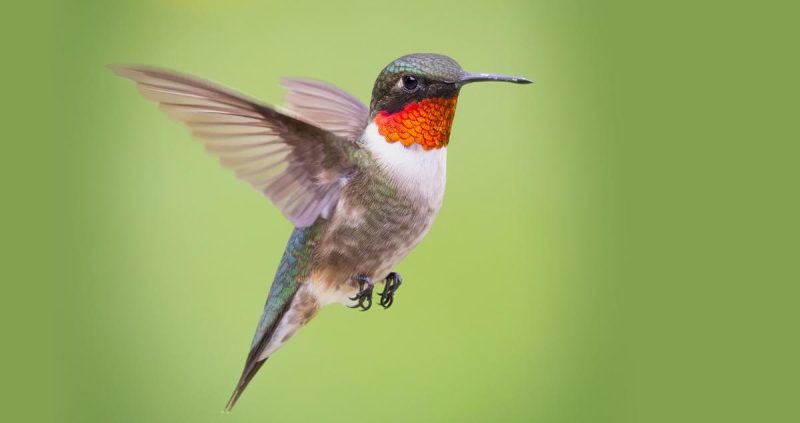
Hummingbirds may be tiny, but Oklahoma sits right in the middle of some of their most fascinating migration routes. While many people associate hummingbirds with the western deserts or eastern forests, Oklahoma’s mix of plains, woodlands, river corridors, and suburban gardens creates valuable stopover habitat for several species each year.
Some hummingbirds appear regularly during spring and summer, while others pass through briefly during migration or show up unexpectedly during fall and winter. Their speed, small size, and shifting light can make identification challenging, especially when multiple species overlap in the same season.
This guide explores 8 hummingbirds recorded in Oklahoma, with clear identification details, behavior notes, and helpful tips on when and where you are most likely to see them.
Table of Contents
- 1 Types of Hummingbirds Found in Oklahoma
- 1.1 Ruby-throated Hummingbird (Archilochus colubris)
- 1.2 Black-chinned Hummingbird (Archilochus alexandri)
- 1.3 Rufous Hummingbird (Selasphorus rufus)
- 1.4 Calliope Hummingbird (Selasphorus calliope)
- 1.5 Broad-tailed Hummingbird (Selasphorus platycercus)
- 1.6 Anna’s Hummingbird (Calypte anna)
- 1.7 Allen’s Hummingbird (Selasphorus sasin)
- 1.8 Costa’s Hummingbird (Calypte costae)
- 2 Tips for Observing Hummingbirds in Oklahoma
- 3 FAQs About Hummingbirds in Oklahoma
- 3.1 How many hummingbird species are found in Oklahoma?
- 3.2 What is the most common hummingbird in Oklahoma?
- 3.3 When should I put out hummingbird feeders in Oklahoma?
- 3.4 Are hummingbirds aggressive?
- 3.5 Can hummingbirds survive cold weather?
- 3.6 Do hummingbirds return to the same places each year?
- 3.7 What should I do if a hummingbird stops coming to my feeder?
- 4 Final Thoughts
Types of Hummingbirds Found in Oklahoma
Ruby-throated Hummingbird (Archilochus colubris)

The Ruby-throated Hummingbird is the most familiar and widespread hummingbird in Oklahoma, especially during spring and summer. Adult males are best known for their brilliant ruby-red throat, which can appear dark or black in low light and flash bright red in direct sun. Females lack the red throat and instead have a clean white throat with faint gray markings. Both sexes have metallic green backs and pale underparts.
This species is small and compact, measuring about 3 to 3.5 inches long. The wings are narrow and beat rapidly, producing the characteristic humming sound. The bill is straight and slender, well suited for feeding from tubular flowers. In flight, Ruby-throated Hummingbirds appear quick and darting, often hovering briefly before changing direction.
In Oklahoma, Ruby-throated Hummingbirds favor woodlands, forest edges, gardens, parks, and suburban neighborhoods. They are especially attracted to flowering plants such as trumpet vine, salvia, and honeysuckle, as well as backyard feeders. Males are highly territorial and will aggressively chase away other hummingbirds from feeding areas.
Their diet consists mainly of nectar, supplemented by small insects and spiders that provide essential protein. Ruby-throated Hummingbirds are long-distance migrants, traveling between Oklahoma and Central America each year. They typically arrive in the state in April and depart by early fall.
Black-chinned Hummingbird (Archilochus alexandri)

The Black-chinned Hummingbird is a less common but regular visitor to western Oklahoma, particularly during migration. Adult males have a dark, almost velvety black throat that can be difficult to see unless the light hits just right. When viewed at the correct angle, a thin band of iridescent purple or violet appears at the base of the throat. Females have a pale throat and subtle facial markings.
Slightly larger than the Ruby-throated Hummingbird, this species averages about 3.5 inches in length. It has a straight bill and a relatively plain appearance compared to more colorful hummingbirds. The back is dull green, and the underparts are grayish-white.
Black-chinned Hummingbirds prefer open woodlands, riparian corridors, desert edges, and urban areas with trees and shrubs. In Oklahoma, they are most often observed during spring and fall migration rather than the breeding season. They may visit feeders but tend to be less aggressive than Ruby-throated Hummingbirds.
Their diet includes flower nectar, tiny flying insects, and spiders. This species is known for its calm demeanor and efficient feeding behavior. Because their throat color is subtle, Black-chinned Hummingbirds are often misidentified unless carefully observed.
Rufous Hummingbird (Selasphorus rufus)

The Rufous Hummingbird is one of the most striking and bold hummingbirds to appear in Oklahoma. Adult males display vivid orange-red plumage across the throat, sides, and back, with a white chest and dark tail feathers. Females and juveniles are greener above but still show warm rufous tones along the flanks and tail.
This species is small but powerful, measuring about 3 inches long. Rufous Hummingbirds are known for their aggressive behavior and fearless nature, often chasing away much larger hummingbirds from feeders. Their rapid wingbeats and sharp turns make them easy to spot despite their size.
Rufous Hummingbirds pass through Oklahoma mainly during migration, especially in late summer and early fall. They are most often seen in gardens, parks, and backyard feeding stations. Unlike many species, they tolerate cooler temperatures and may appear later in the season.
Their diet consists of nectar and insects, and they have one of the longest migration routes of any hummingbird, traveling between Alaska and Mexico. In Oklahoma, sightings are often brief but memorable due to their intense coloration and bold behavior.
Calliope Hummingbird (Selasphorus calliope)

The Calliope Hummingbird is the smallest bird species regularly found in North America and an occasional visitor to Oklahoma. Adult males are distinguished by their unique magenta throat feathers, which form narrow, elongated streaks rather than a solid patch. Females lack these streaks and have a soft gray-white throat with subtle spotting.
This tiny hummingbird measures just 2.75 to 3 inches long and has a compact, delicate appearance. The back is green, and the sides may show faint buff or cinnamon tones. Despite its small size, the Calliope Hummingbird is capable of impressive long-distance migration.
In Oklahoma, Calliope Hummingbirds are rare and most likely encountered during migration. They favor open woodlands, mountain foothills during breeding, and shrubby areas or gardens while traveling. Because of their size and quiet behavior, they are often overlooked or mistaken for young hummingbirds of other species.
Their diet includes nectar from small flowers and tiny insects caught midair or plucked from vegetation. Calliope Hummingbirds are generally shy and less aggressive than Rufous Hummingbirds. Careful observation is usually required to identify them correctly in the field.
Broad-tailed Hummingbird (Selasphorus platycercus)

The Broad-tailed Hummingbird is a medium-sized hummingbird that appears in Oklahoma mainly during migration. Adult males are best known for their rose-red to magenta throat, which flashes brightly in sunlight. Females and juveniles lack the colorful throat and instead show a pale gray or white throat with faint spotting. Both sexes have green backs and buffy flanks.
This species measures about 3.5 to 4 inches long, making it slightly larger than many other hummingbirds. One distinctive feature of the male is the high-pitched trilling or wing whistle produced during flight, caused by air passing over the wings. This sound is often the first clue to its presence.
Broad-tailed Hummingbirds favor open woodlands, meadows, and montane habitats during the breeding season. In Oklahoma, they are most often observed stopping briefly at gardens and feeders while migrating through the state. They may visit feeders regularly but usually do not remain long.
Their diet consists mainly of flower nectar, along with small insects and spiders. Broad-tailed Hummingbirds are relatively calm compared to Rufous Hummingbirds, often feeding quietly and moving on without prolonged territorial disputes.
Anna’s Hummingbird (Calypte anna)

Anna’s Hummingbird is a striking species known for its bold colors and increasing range across the United States. Adult males have an iridescent rose-pink throat and crown, creating a helmet-like appearance when light hits the feathers. Females are more subdued, with a green back and pale throat sometimes showing faint red spotting.
This hummingbird measures about 4 inches long and appears slightly bulkier than many other species. Its bill is straight and medium-length, and its wings produce a sharp humming sound during flight. Anna’s Hummingbirds are known for their confident posture and direct flight style.
Although uncommon in Oklahoma, Anna’s Hummingbirds are occasionally reported, usually in winter or during unusual migration events. They favor urban gardens, parks, and residential areas where flowering plants and feeders provide reliable food sources.
Their diet includes nectar, insects, and spiders. Unlike many hummingbirds, Anna’s Hummingbirds can tolerate cooler temperatures and may remain in one area year-round if food is available. In Oklahoma, sightings are rare but increasing in frequency.
Allen’s Hummingbird (Selasphorus sasin)

Allen’s Hummingbird closely resembles the Rufous Hummingbird and is often difficult to identify without close observation. Adult males have rusty orange plumage on the sides, back, and tail, with a bright reddish-orange throat. Females and juveniles are greener above with rufous tones on the flanks and tail.
This species measures about 3 to 3.5 inches long and has a compact, energetic appearance. One key field mark is the narrower tail feathers compared to Rufous Hummingbirds, though this distinction is subtle and often requires expert observation.
Allen’s Hummingbirds are rare in Oklahoma and typically appear only as accidental or very infrequent migrants. When present, they may visit backyard feeders, flowering shrubs, or sheltered gardens.
Their diet consists of nectar and small insects. Allen’s Hummingbirds are territorial and assertive, though generally less aggressive than Rufous Hummingbirds. Because of their similarity, many Oklahoma sightings are conservatively reported as Rufous or Rufous/Allen’s types.
Costa’s Hummingbird (Calypte costae)

Costa’s Hummingbird is a desert-adapted species that appears only rarely in Oklahoma. Adult males are easily recognized by their brilliant violet-purple throat and elongated side flares, which extend outward when displaying. Females are more muted, with green backs and pale underparts.
This small hummingbird measures about 3 inches long and has a short, slightly curved bill. Its compact body and sharp facial features give it a distinct look compared to other hummingbirds.
Costa’s Hummingbirds typically inhabit desert scrub, arid valleys, and cactus-rich landscapes in the southwestern United States. In Oklahoma, sightings are uncommon and usually involve single individuals during migration or winter wanderings.
Their diet includes nectar from desert-adapted flowers, as well as small insects and spiders. Costa’s Hummingbirds are fast, alert, and often highly territorial at feeders, despite their small size. Any confirmed sighting in Oklahoma is considered noteworthy by birders.
Tips for Observing Hummingbirds in Oklahoma
Timing is critical when watching hummingbirds in Oklahoma. The most active period generally runs from April through September, with peak numbers during spring arrival and late-summer migration. Early morning and late afternoon are the best times to observe feeding behavior.
Location plays a major role. Gardens, parks, river corridors, woodland edges, and suburban neighborhoods with flowering plants or feeders attract the highest activity. Native plants like trumpet vine, salvia, bee balm, and cardinal flower are especially effective.
Backyard feeders can significantly increase sightings. Use a simple sugar-water mix (four parts water to one part white sugar) and clean feeders regularly to prevent mold. Avoid red dye, which is unnecessary and potentially harmful.
Patience and stillness are essential. Hummingbirds quickly detect movement and may avoid areas with frequent disturbance. Watching from a shaded, quiet spot allows natural behavior to emerge, making identification easier.
FAQs About Hummingbirds in Oklahoma
How many hummingbird species are found in Oklahoma?
Eight species have been recorded, including common residents, regular migrants, and rare visitors.
What is the most common hummingbird in Oklahoma?
The Ruby-throated Hummingbird is by far the most common and widespread species in the state.
When should I put out hummingbird feeders in Oklahoma?
Late March or early April is ideal. Leaving feeders up into October can help migrating hummingbirds.
Are hummingbirds aggressive?
Yes. Many species, especially Rufous and Ruby-throated Hummingbirds, are highly territorial around food sources.
Can hummingbirds survive cold weather?
Some species, like Anna’s Hummingbird, tolerate cooler temperatures, but most leave Oklahoma before winter.
Do hummingbirds return to the same places each year?
Yes. Many individuals show strong site fidelity and may return to the same gardens and feeders annually.
What should I do if a hummingbird stops coming to my feeder?
Check cleanliness, refill with fresh nectar, and ensure nearby flowers or perches are available.
Final Thoughts
Hummingbirds add energy, color, and movement to Oklahoma’s landscapes in ways few birds can match. From the familiar Ruby-throated Hummingbird to the rare Costa’s or Allen’s Hummingbird, each species brings a unique story shaped by migration, habitat, and seasonal timing.
Learning when to look, where to watch, and how to provide safe food sources can dramatically increase your chances of memorable encounters. With patience and attention to detail, even a quiet backyard can become a vital stop on a hummingbird’s long journey.