
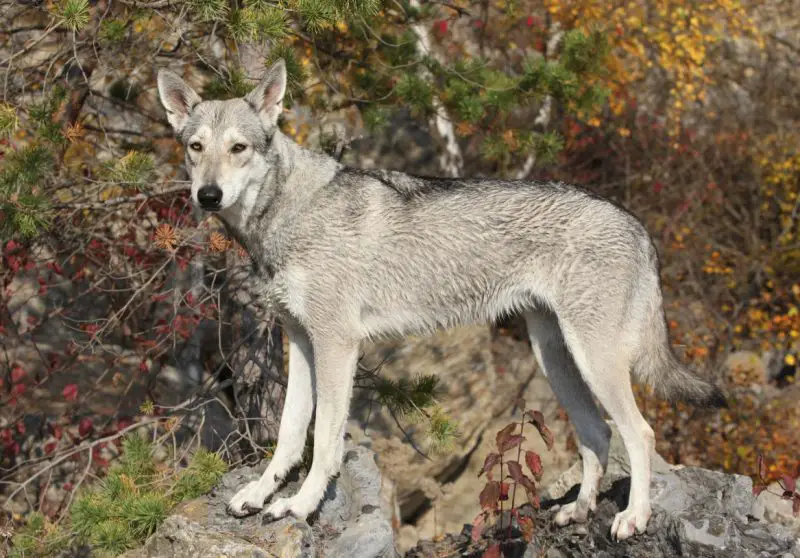
Coyotes have become one of the most adaptable predators in North America, and Louisiana is no exception. Their ability to survive in wetlands, agricultural landscapes, suburbs, and even urban edges has increased encounters with humans and domestic animals. As sightings rise, so do questions. One persistent concern involves whether coyotes ever breed with domestic dogs. The idea sparks curiosity, worry for pets, and fascination about wildlife adaptation.
The answer is more nuanced than a simple yes or no. Biological compatibility exists, but behavior, ecology, and environment strongly limit how often such hybridization occurs. Understanding the science behind these interactions helps separate myth from reality while offering a clearer picture of wildlife dynamics in Louisiana’s changing landscapes.
Coyotes in Louisiana Today

Coyotes were not always widespread across Louisiana. Historically, they occupied mainly western North America, favoring open plains and semi-arid landscapes. Over the past century, however, several environmental changes helped them expand eastward. The decline of larger predators, agricultural transformation, forest clearing, and suburban development created fragmented habitats that coyotes adapted to remarkably well. Today, they inhabit nearly every part of Louisiana, from agricultural parishes and pine forests to coastal marshlands and suburban green spaces.
Their success stems largely from behavioral flexibility. Coyotes are opportunistic omnivores capable of adjusting diet based on seasonal availability. Rodents, rabbits, insects, fruit, carrion, and occasionally human-related food sources all contribute to their survival. They tolerate heat, humidity, and even periodic flooding better than many carnivores, allowing them to thrive in Louisiana’s challenging climate. As sightings increase, questions naturally arise about how these adaptable predators interact with domestic animals, including the possibility of crossbreeding with dogs.
Biological Compatibility Between Coyotes and Dogs
Coyotes and domestic dogs belong to the genus Canis, which also includes wolves and several other closely related canids. Because of this shared ancestry, they are genetically capable of interbreeding. When such crosses occur, the offspring are sometimes referred to as “coydogs.” This biological compatibility is well established scientifically and has been documented in certain regions of North America.
However, the ability to produce offspring does not mean hybridization happens frequently. Many closely related species rarely interbreed in nature because behavioral differences, territorial instincts, reproductive timing, and ecological separation reduce opportunities. Genetics may make hybridization possible, but behavior and environment strongly influence whether it actually occurs. In simple terms, genetics permit the possibility, but behavior determines the probability.
Why Hybridization Is Considered Rare
Field research across North America consistently indicates that coyote–dog hybridization happens only occasionally under natural conditions. Several factors limit its frequency. Coyotes typically form stable breeding pairs that maintain territories and raise pups cooperatively. These social structures discourage outside breeding.
Reproductive timing also matters. Coyotes usually breed once annually in late winter, whereas domestic dogs may breed year-round depending on management. This mismatch reduces the likelihood that fertile individuals will encounter one another at the right time. Additionally, coyotes generally avoid human activity more strongly than most domestic dogs, limiting sustained interaction.
Together, these biological and behavioral barriers explain why confirmed hybrids remain relatively uncommon despite genetic compatibility.
Louisiana Landscape Influences Interactions
Louisiana’s diverse geography influences how coyotes and domestic dogs interact. Wetlands, forests, agricultural land, and suburban neighborhoods each present different levels of overlap between wildlife and pets. Rural areas with free-ranging dogs provide more opportunity for contact, especially where fencing is limited.
Coastal marsh environments often support coyotes but may have fewer roaming domestic dogs, reducing interaction potential. Suburban regions present a mixed situation. Coyotes adapt well to urban edges, yet leash laws, indoor pet habits, and fencing typically limit direct contact with domestic animals.
Ultimately, habitat overlap shapes encounter frequency more than genetics alone. Where coyotes and dogs rarely share space, hybridization remains unlikely.
Seasonal Breeding Cycles Matter
Coyotes follow a fairly strict seasonal breeding schedule, typically mating between January and March. Pups arrive in spring when food resources begin increasing. Domestic dogs, unless sterilized, can breed multiple times throughout the year, depending on individual cycles and human management.
This difference in timing significantly reduces chances for successful hybridization. Even if coyotes and dogs encounter one another, reproductive readiness must coincide for breeding to occur. Biological timing plays a critical role, and mismatched cycles often prevent hybrid offspring.
Social Structure of Coyotes
Coyotes exhibit complex social behavior. Breeding pairs frequently form long-term bonds and defend territories from intruders. Extended family members sometimes assist with raising pups, strengthening group cohesion. This structured social system discourages mating outside the established pair.
When unfamiliar animals enter a coyote territory, they may be driven away rather than accepted as potential mates. Territorial defense protects food resources, den sites, and offspring survival. These strong social bonds naturally reduce opportunities for hybridization with domestic dogs.
Behavior Differences Between Dogs and Coyotes
Domestic dogs display wide behavioral variation depending on breed, upbringing, and environment. Many rely on humans for food, shelter, and protection, reducing the need for survival-driven caution. Coyotes, by contrast, rely heavily on instinct shaped by predation risk and environmental pressures.
This behavioral mismatch limits interaction. Coyotes often avoid prolonged contact with unfamiliar animals, particularly near human settlements. Dogs may approach out of curiosity, but coyotes typically maintain distance unless defending territory or seeking food. Different evolutionary pressures create distinct social behaviors that reduce natural mating likelihood.
Documented Hybrid Cases
Despite their rarity, confirmed coyote–dog hybrids do exist in North America. Most documented cases occur under specific conditions. Free-ranging or feral dogs without human supervision increase opportunities for interaction. Sparse coyote populations sometimes seek mates outside their species. Habitat disruption or human-introduced breeding attempts can also contribute.
Hybrid offspring may show mixed traits such as intermediate body size, variable coat coloration, or blended behavioral tendencies. Documentation confirms that hybridization is biologically possible, but the relatively small number of verified cases supports the conclusion that it remains uncommon in natural settings.
How Scientists Identify Hybrids
Visual identification alone is unreliable. Coyotes naturally vary in size, coloration, and body proportions. Some domestic dogs or mixed breeds can resemble coyotes closely, leading to frequent misidentification.
Genetic testing provides the most accurate method for confirming hybrid status. Researchers analyze DNA markers to determine ancestry and genetic mixing. Advances in wildlife genetics have greatly improved the ability to distinguish hybrids from pure coyotes or domestic dogs. Scientific tools help clarify what casual observation often cannot.
Public Perception Versus Scientific Evidence
Stories about coydogs circulate widely in Louisiana communities. Unusual-looking animals often spark speculation about hybridization. Social media amplifies these stories quickly, sometimes without verification.
Misidentification plays a major role. Large coyotes, wolf-like dogs, or feral mixed breeds may appear hybrid to observers unfamiliar with wildlife variation. Scientific surveys generally find fewer hybrids than public perception suggests. Education helps align perception with evidence, reducing unnecessary concern.
Impact on Domestic Pets
Hybridization questions often stem from concerns about pet safety. While crossbreeding remains rare, interactions between coyotes and domestic animals do occur. Small dogs and outdoor cats may be viewed as prey rather than potential mates. Larger dogs sometimes encounter territorial coyotes, particularly during breeding or pup-rearing seasons.
Responsible pet management greatly reduces risk. Keeping pets indoors at night, supervising outdoor activity, securing food sources, and maintaining fencing all help prevent encounters. Prevention remains the most effective strategy.
Wildlife Management Considerations
Wildlife agencies across Louisiana monitor coyote populations through field surveys, tracking technology, and public reporting. Management approaches emphasize coexistence rather than eradication. Coyotes play ecological roles that benefit ecosystems, so balanced strategies aim to minimize conflict while preserving ecological function.
Public education often focuses on practical measures such as pet supervision, secure garbage storage, habitat awareness, and reporting unusual wildlife behavior. Knowledge supports informed decision-making and helps communities adapt to wildlife presence.
Ecological Role of Coyotes
Coyotes contribute significantly to ecosystem balance. By controlling rodent populations, they reduce agricultural damage and limit disease vectors. They also influence populations of smaller predators, creating cascading ecological effects that support biodiversity.
Removing coyotes entirely could disrupt ecosystem stability. Their presence reflects healthy predator-prey dynamics rather than ecological imbalance. Understanding their ecological role helps shift perception from fear to appreciation.
Climate and Environmental Change
Louisiana’s environmental conditions continue evolving. Coastal erosion, wetland loss, urban expansion, and agricultural changes alter wildlife habitats. Coyotes demonstrate strong adaptability to these shifts, adjusting movement patterns and diet as conditions change.
Domestic animal management practices also evolve alongside urban development. These combined factors influence future interaction patterns. While hybridization will likely remain uncommon, ongoing environmental change may affect wildlife distribution and behavior.
Ecology remains dynamic, and adaptation continues.
Cultural Interest in Hybrid Wildlife
Hybrid wildlife often captures public imagination. Stories about unusual animals generate curiosity, media attention, and sometimes concern. Cultural narratives occasionally exaggerate rarity or danger, creating myths that persist beyond scientific evidence.
Balanced information helps maintain perspective. Curiosity drives engagement, but accurate understanding grounds interpretation in science rather than speculation.
Ethical and Conservation Perspectives
Hybridization raises conservation questions in some species where genetic purity is critical. For coyotes in Louisiana, however, hybridization concerns generally remain secondary to broader ecological management issues.
Most conservation efforts focus on habitat health, responsible coexistence, and public awareness rather than preventing rare hybrid events. Ethical perspectives evolve alongside scientific understanding, emphasizing balanced approaches that consider both wildlife welfare and ecosystem stability.
Long-Term Outlook in Louisiana
Current research suggests coyote populations in Louisiana will remain stable or expand gradually. Their adaptability to diverse habitats supports long-term persistence. Hybridization with domestic dogs is expected to remain occasional rather than widespread.
Future dynamics will depend on environmental change, urban development patterns, and pet management practices. Continued monitoring provides data needed for informed wildlife policy.
Science guides adaptation, and informed communities support coexistence.
FAQs About Coyotes and Dogs in Louisiana
Can coyotes and dogs produce offspring?
Yes biologically, but it happens rarely due to behavioral and ecological barriers.
Are coydog hybrids common in Louisiana?
No. Confirmed cases exist but remain uncommon according to wildlife research.
Are coyotes dangerous to pets?
Small pets may be at risk, especially unsupervised outdoors. Larger dogs usually face lower risk.
How can hybrids be identified?
Genetic testing provides the most reliable identification method.
Do coyotes seek dogs as mates?
Typically no. Coyotes prefer their own species and maintain territorial breeding pairs.
Does urban growth increase interaction?
It can increase encounters, but responsible pet management reduces hybridization risk.
Should residents worry about coydogs?
Concern should focus more on pet safety and coexistence rather than hybridization.
Do wildlife agencies monitor this issue?
Yes. Agencies track coyote populations and educate the public about safe coexistence.
Final Thoughts
Coyotes and domestic dogs share genetic compatibility, yet natural hybridization in Louisiana remains uncommon. Behavioral differences, breeding cycles, habitat patterns, and human management practices all reduce likelihood. While the idea captures imagination, scientific evidence suggests hybridization occurs only under specific circumstances.
Understanding these dynamics helps replace speculation with informed awareness. Coyotes continue playing vital ecological roles across Louisiana landscapes. Responsible coexistence, education, and habitat understanding support balanced relationships between wildlife, pets, and people.