
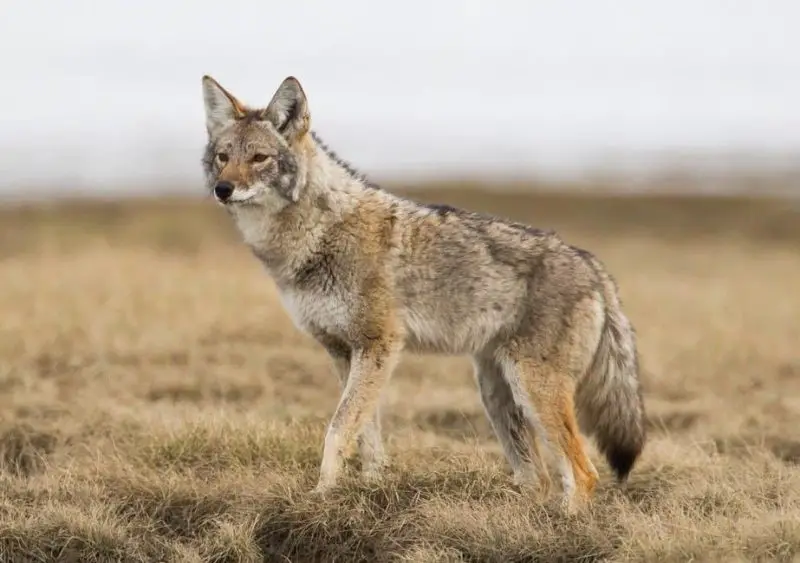
Coyotes have become a familiar part of Tennessee’s wildlife landscape. They live in rural farmland, forests, wetlands, suburban neighborhoods, and sometimes even near city edges. As their population expands and overlaps more often with human environments, questions naturally arise about their behavior, ecology, and potential interaction with domestic animals. One of the most common questions people ask is whether coyotes in Tennessee ever breed with domestic dogs.
The short answer is yes, it can happen, but it is uncommon. Hybrid offspring known as coydogs have been documented across North America, including the southeastern United States. However, such breeding events are rare compared with normal coyote reproduction. Understanding why this occurs, how often it happens, and what it means for wildlife and communities requires looking at biology, behavior, habitat, and environmental pressures.
This article explores whether coyotes in Tennessee breed with domestic dogs, how hybridization works, how to identify possible hybrids, and what it means for wildlife ecology, pets, and human safety.
Coyotes in Tennessee: A Growing Wildlife Presence

Expansion Across the State
Coyotes were not always a common sight in Tennessee. Historically, their primary range was farther west, but over the twentieth century their distribution gradually shifted eastward. Changes in land use, reduction of large predators, agricultural development, and the coyote’s exceptional adaptability all contributed to their spread. Today, coyotes are found in nearly every county across the state, from forested mountains to river valleys and suburban neighborhoods.
Their success comes largely from flexibility. Coyotes can thrive in forests where they find shelter and prey, in farmland where rodents and small mammals are abundant, and even in suburban areas where food sources such as fallen fruit, pet food, and garbage are available. This adaptability allows populations to remain stable despite hunting pressure or environmental changes.
As coyotes increasingly live near human communities, interactions with domestic dogs naturally occur more often. These encounters are usually territorial or opportunistic rather than reproductive, but the overlap does create occasional opportunities for hybridization, even though behavioral instincts still limit it significantly.
Social Structure of Coyotes
Coyotes generally live in structured family groups centered around a breeding pair and their offspring. These family units establish territories that they defend against other coyotes and competing predators. Territorial stability helps regulate population density and supports efficient use of resources.
Breeding behavior also reinforces species boundaries. Coyotes typically prefer mating with other coyotes, guided by seasonal cycles, scent cues, and established pair bonds. These natural behaviors reduce the likelihood of crossbreeding with domestic dogs.
However, unusual circumstances can disrupt these patterns. Habitat fragmentation, loss of mates, or encounters with free roaming dogs may occasionally lead to hybridization events, though these remain uncommon.
Can Coyotes and Dogs Actually Interbreed
Biological Compatibility
Coyotes and domestic dogs both belong to the genus Canis, which includes wolves, jackals, and other closely related canids. Because of this genetic closeness, interbreeding is biologically possible. Offspring from such pairings are generally fertile, meaning they can reproduce and pass on mixed traits to future generations.
This compatibility explains how hybrids can exist, but biology alone does not determine frequency. Behavioral preferences, territorial patterns, and environmental factors strongly influence whether crossbreeding occurs. Coyotes typically select mates of their own species, maintaining population integrity.
Documented hybridization has occurred in various parts of North America, including regions of the Southeast where coyotes and free roaming domestic dogs occasionally share habitat. Still, most wildlife studies suggest that these events are relatively rare.
Why Hybridization Happens Occasionally
Several specific conditions may increase the chance of interbreeding. An isolated coyote without access to a mate might encounter an unrestrained domestic dog during breeding season. Similarly, free roaming dogs that are not neutered may enter coyote territories.
Habitat fragmentation caused by urban expansion or agriculture can also increase contact. When natural landscapes break into smaller patches, wildlife and domestic animals may overlap more frequently.
Even under these circumstances, coyotes still generally prefer mating within their species. Hybridization remains the exception rather than the rule.
What Is a Coydog
Definition and Terminology
The term “coydog” refers to a hybrid offspring resulting from a mating between a coyote and a domestic dog. These animals inherit characteristics from both parents, which can produce a wide range of appearances and behaviors. Some resemble coyotes closely, while others show distinct doglike traits.
Physical traits can include variations in coat color, ear shape, tail carriage, and body proportions. Behavioral traits may also vary, though these are harder to interpret without observation over time.
Because of this variability, visual identification alone rarely provides certainty. Genetic testing remains the most reliable method for confirming hybrid status.
Historical Reports
Reports of coydogs have existed for decades. Some were intentional crosses conducted for research or curiosity, while others occurred naturally in rural environments where dogs roamed freely.
In Tennessee, confirmed cases are not widespread but remain plausible due to the extensive coyote population and occasional presence of unconfined domestic dogs. Most suspected sightings ultimately turn out to be pure coyotes with natural variation.
Behavioral Differences Between Coyotes and Dogs
Mating Behavior
Coyotes usually breed once annually, typically in late winter. Their reproductive cycle is synchronized with environmental conditions that support raising pups in spring. Domestic dogs, however, can breed more frequently and at different times of the year.
This difference in breeding timing reduces opportunities for crossbreeding. Coyotes also form strong seasonal pair bonds, which further encourages mating within their species.
Domestic dogs, particularly those that are not neutered and allowed to roam, may not show the same selectivity. Under certain circumstances this can lead to hybridization events.
Territorial Instincts
Coyotes maintain clearly defined territories and actively defend them against other canids. This territorial behavior limits contact with unfamiliar animals, including domestic dogs.
Dogs often roam without strict territorial boundaries, especially in rural settings. This behavioral difference usually keeps species separate, though environmental disruption can sometimes bring them together.
Are Coydogs Common in Tennessee
Frequency of Occurrence
Coydogs are considered uncommon in Tennessee. Wildlife biologists note that many animals initially suspected to be hybrids are actually pure coyotes showing natural diversity in size, coat color, or behavior.
Misidentification occurs frequently because coyotes vary widely depending on diet, region, and seasonal coat changes. Without genetic testing, confirming hybrid status remains difficult.
There is no evidence suggesting widespread hybrid populations in the state.
Geographic Factors
Hybridization appears more likely in rural regions where free roaming dogs are present and wildlife habitat overlaps with human activity. Agricultural areas sometimes provide such conditions.
Conversely, regions with strong wildlife habitat and limited stray dog populations show lower likelihood of hybridization. Suburban areas may create contact zones but often reduce breeding opportunities due to human disturbance and pet control practices.
How to Identify a Possible Coydog
Physical Characteristics
Potential hybrid traits may include unusual coat patterns, partially floppy ears, curled tails, or body proportions not typical of wild coyotes. However, these characteristics vary widely and are not definitive.
Coyotes themselves display natural variation, so size or color alone cannot confirm hybrid ancestry. Seasonal coat changes and regional differences add further complexity.
Facial features, gait, and overall behavior sometimes offer more reliable clues than coloration alone.
Behavioral Indicators
Coydogs may show slightly reduced fear of humans compared with wild coyotes, though this is not universal. Mixed instincts can occasionally produce unpredictable behavior.
Still, behavior alone cannot confirm hybrid status. Genetic analysis remains the only reliable method for accurate identification.
Ecological Impacts of Hybridization
Effects on Wildlife Balance
Current evidence suggests hybridization has minimal impact on overall wildlife balance in Tennessee. Coyotes remain dominant mid sized predators that help control rodent populations and remove carrion.
Hybrids typically fill similar ecological roles. They hunt small mammals, scavenge when necessary, and adapt to available food sources.
Large scale ecological disruption linked specifically to coydogs has not been documented in the region.
Genetic Diversity Considerations
Some researchers believe occasional hybridization can increase genetic diversity, potentially enhancing adaptability. Others express concern about dilution of wild behavioral traits.
At present, hybridization levels appear too low to significantly alter coyote populations in Tennessee. Continued monitoring helps clarify long term trends.
Human and Pet Safety Considerations
Interaction With Domestic Dogs
Encounters between coyotes and domestic dogs more often involve territorial disputes than breeding attempts. Small dogs may be vulnerable to predation, particularly at night or in rural areas.
Larger dogs may experience confrontations when entering coyote territory. These situations typically reflect competition rather than reproductive behavior.
Supervision, fencing, and responsible pet management significantly reduce risk.
Risks to Humans
Coydogs are not known to present greater danger to humans than coyotes. Both animals generally avoid people whenever possible.
Human behavior often influences risk more than animal genetics. Leaving food outdoors, allowing pets to roam freely, or encouraging wildlife presence increases encounter likelihood.
Proper waste management and awareness remain the most effective safety measures.
Preventing Unwanted Hybridization
Responsible Pet Ownership
Spaying and neutering domestic dogs greatly reduce the chance of interbreeding with wildlife. Keeping pets supervised or securely fenced limits encounters with coyotes.
These practices protect both pets and wildlife while supporting ecological balance.
Responsible ownership also reduces stray dog populations, which lowers hybridization opportunities.
Habitat Awareness
Understanding local wildlife patterns helps communities coexist safely. Removing attractants such as open garbage, pet food, or livestock feed discourages coyotes from approaching homes.
Community education programs often reduce conflict and improve wildlife management outcomes.
Myths About Coyotes and Dogs Breeding
Myth: It Happens Frequently
Hybridization is rare compared with normal coyote reproduction. Most animals thought to be hybrids are simply pure coyotes.
Myth: Hybrids Are More Dangerous
There is no reliable evidence that hybrid coyotes are more aggressive than pure coyotes.
Myth: Any Large Coyote Must Be a Hybrid
Coyotes naturally vary in size depending on diet, environment, and genetics. Size alone does not indicate hybrid ancestry.
Accurate information helps reduce unnecessary fear.
How Wildlife Experts Study Hybridization
Genetic Testing Methods
Researchers use DNA analysis from hair, scat, or tissue samples to identify hybrid ancestry. These tests distinguish coyotes, domestic dogs, wolves, and mixed lineage with high accuracy.
Such studies provide valuable insight into wildlife population trends and genetic diversity.
Field Observation
Biologists also study territory use, breeding behavior, and population dynamics through field observation. Long term monitoring helps determine whether hybridization rates change over time.
These data guide wildlife management decisions and conservation strategies.
Coyotes, Dogs, and the Future in Tennessee
Continued Adaptation
Coyotes will likely remain a permanent part of Tennessee ecosystems. Their adaptability to urban expansion, agriculture, and changing landscapes ensures continued presence.
Hybridization will probably remain occasional rather than widespread.
Coexistence Strategies
Education, responsible pet care, and habitat awareness help maintain balance between wildlife and human communities. Practical coexistence measures reduce conflict while supporting ecological health.
With informed understanding, Tennessee residents can continue sharing the landscape safely with coyotes and other native wildlife.
FAQs About Coyotes and Dogs Breeding in Tennessee
Do coyotes breed with dogs often in Tennessee
No. It can happen but remains uncommon compared with normal coyote reproduction.
What is a coydog exactly
It is a hybrid offspring from a coyote and a domestic dog.
Are coydogs dangerous
They are not generally considered more dangerous than coyotes.
How can you tell if a coyote is a hybrid
Physical traits may suggest it but genetic testing provides confirmation.
Do coyotes attack dogs to mate
Usually no. Most encounters involve territorial defense rather than breeding.
Can hybrids reproduce further
Yes. Coydogs are typically fertile.
Are coydogs protected wildlife
Regulations vary but they are usually treated similarly to coyotes.
Should I report a suspected hybrid
Wildlife agencies may welcome reports, especially if behavior seems unusual.
Final Thoughts
Coyotes in Tennessee can breed with domestic dogs, but such events remain rare. Biological compatibility exists, yet behavioral, territorial, and seasonal factors limit hybridization. Most coyotes continue to reproduce within their species, maintaining stable populations across the state.
Understanding this issue helps reduce unnecessary fear while encouraging responsible pet ownership and wildlife awareness. Coyotes play important ecological roles, and occasional hybridization does not appear to threaten ecological balance. With informed coexistence strategies, Tennessee residents can continue sharing the landscape safely with this adaptable native predator.