
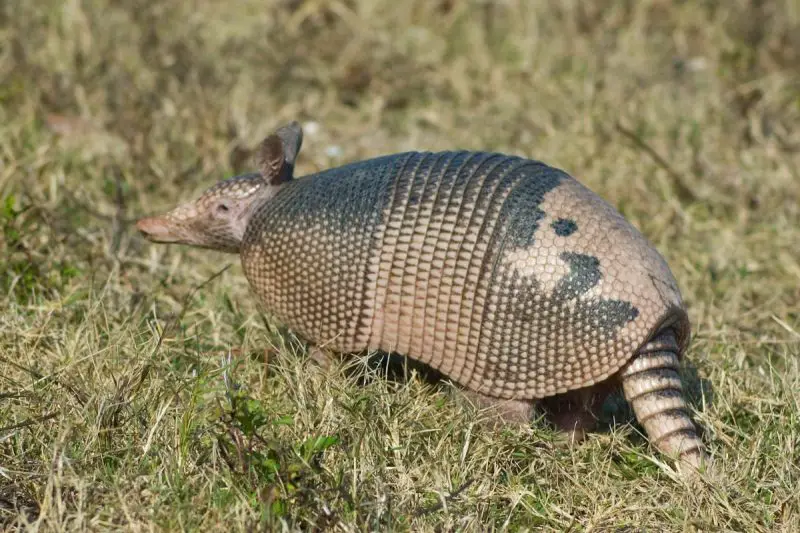
Armadillo sightings and the small holes they leave behind are becoming increasingly common in parts of North Carolina. Many homeowners wake up to find neat cone shaped pits in lawns, flower beds, or along fence lines and wonder what caused them. These holes often signal nighttime wildlife activity, most commonly from the nine banded armadillo, a species gradually expanding its range across the southeastern United States.
Understanding what these holes mean requires looking beyond simple lawn damage. Armadillos play ecological roles, respond strongly to environmental conditions, and adapt quickly to human altered landscapes. While their digging may seem sudden or mysterious, it usually reflects predictable feeding behavior rather than aggressive or destructive intent.
This article explains why armadillos dig near homes, what their holes indicate, how climate and habitat changes influence their presence in North Carolina, and how homeowners can coexist safely with these unusual mammals.
Table of Contents
- 1 Armadillos in North Carolina: A Recent Wildlife Expansion
- 2 Why Armadillos Dig Holes Near Homes
- 3 What Armadillo Holes Actually Look Like
- 4 Seasonal Patterns of Armadillo Activity
- 5 Are Armadillo Holes Dangerous?
- 6 Ecological Benefits of Armadillo Activity
- 7 Why Armadillos Are Expanding Northward
- 8 Human Wildlife Interaction Around Homes
- 9 Preventing Excessive Armadillo Digging
- 10 Common Misconceptions About Armadillos
- 11 Public Health Considerations
- 12 When Professional Help May Be Needed
- 13 The Bigger Picture of Coexistence
- 14 FAQs About Armadillo Holes Near Homes in North Carolina
- 14.1 Do armadillo holes mean there is an infestation?
- 14.2 Are armadillos dangerous to people or pets?
- 14.3 Why do armadillos dig mostly at night?
- 14.4 Can armadillo digging damage foundations or yards?
- 14.5 How can homeowners discourage armadillos naturally?
- 14.6 Do armadillos live permanently in residential yards?
- 14.7 Are armadillos protected wildlife in North Carolina?
- 15 Final Thoughts
Armadillos in North Carolina: A Recent Wildlife Expansion

Range Expansion Over Recent Decades
Armadillos originally occupied much of Central and South America before gradually expanding northward into the southern United States over the past century. The nine banded armadillo in particular has demonstrated remarkable adaptability, allowing it to spread beyond its historical range. Warmer winter temperatures, fewer prolonged freezes, and landscape changes have all contributed to this steady expansion. Over time, populations moved across the Gulf Coast states and began appearing farther east, including parts of North Carolina.
Today North Carolina represents one of the northeastern edges of this expanding range. Sightings are still uneven, with more frequent reports coming from coastal plain regions, southern counties, and areas with suitable soil and climate conditions. As populations slowly increase, visible signs of their presence, especially digging holes in lawns or gardens, become more noticeable. These signs often attract attention before people ever see the animals themselves.
Range expansion is rarely sudden from a biological perspective. It typically unfolds over decades as small populations establish footholds, reproduce, and gradually move into nearby suitable habitats. However, once conditions align, visibility can increase quickly, giving the impression that armadillos appeared almost overnight. In reality, the process is usually gradual and influenced by long term environmental trends.
Why North Carolina Habitat Suits Them
Armadillos prefer habitats with loose soil, moderate moisture, and abundant insect populations. Many regions of North Carolina provide exactly these conditions. Lawns, landscaped yards, woodland edges, river corridors, wetlands, and lightly forested suburban areas all support the insects and invertebrates that form the bulk of their diet.
Human altered landscapes often benefit armadillos rather than deter them. Irrigation systems keep soils moist, mulch beds encourage insect activity, compost rich gardens supply food, and ornamental plantings create sheltered microhabitats. These features mimic natural feeding environments while sometimes concentrating food sources more densely than in the wild.
Suburban development can therefore increase habitat suitability. Instead of pushing wildlife away entirely, development often creates edge habitats where wildlife adapts successfully. This adaptability explains why homeowners across parts of North Carolina increasingly notice armadillo holes near residences, especially in newer developments bordering wooded or semi natural areas.
Why Armadillos Dig Holes Near Homes
Searching for Food Underground
Armadillos dig primarily in search of food rather than to construct permanent homes. Their diet consists largely of insects and other small invertebrates such as beetle larvae, grubs, worms, ants, termites, spiders, and occasionally small amphibians. Their elongated snouts are highly sensitive, allowing them to detect prey beneath the soil surface.
Once a scent is located, armadillos use strong front claws to dig quickly. The resulting holes are typically shallow, irregularly spaced, and concentrated in areas where insect activity is highest. Lawns, flower beds, vegetable gardens, and mulched landscaping areas often provide ideal feeding grounds.
Most of this digging occurs at night. Armadillos are primarily nocturnal animals, foraging after dusk when temperatures are cooler and predators are less active. Homeowners frequently wake to find fresh holes without having seen the animal responsible. This nocturnal behavior contributes to the mystery surrounding their activity.
Soil Conditions Influence Digging
Soil moisture plays a major role in armadillo foraging patterns. Moist soils attract insects and are easier to excavate. After rainfall, irrigation cycles, or periods of high humidity, armadillos often intensify digging activity because both prey availability and soil workability increase.
Mulched flower beds, compost enriched lawns, and recently landscaped areas frequently attract armadillos because these environments support dense insect populations. Loose soil from new plantings or construction also makes digging easier.
For this reason, increased digging does not necessarily indicate a population surge. It often reflects temporary environmental conditions that make feeding more efficient. Recognizing this helps homeowners interpret changes in wildlife activity more accurately.
What Armadillo Holes Actually Look Like
Typical Hole Characteristics
Armadillo feeding holes are usually small, shallow depressions. Most measure about one to three inches deep and several inches across. They often have a cone like shape with loose soil scattered nearby. When insects are abundant, multiple holes may appear clustered together.
These feeding pits differ from permanent burrows. Burrow entrances are larger, often located near dense vegetation, embankments, or structural cover. Burrows serve as resting sites, whereas feeding holes represent temporary foraging activity.
Correctly identifying these features helps homeowners determine whether armadillos are responsible or if another animal may be involved.
Differences From Other Animal Holes
Several other animals dig near homes, which can cause confusion. Skunks produce somewhat similar holes but usually disturb more turf while searching for grubs. Moles create raised ridges or tunnels rather than open pits. Rodents such as rats or ground squirrels dig smaller, more defined entry holes associated with burrows.
Observing hole patterns over several days can help clarify the cause. Armadillo holes often appear overnight, scattered randomly, and concentrated in moist areas rich in insects.
Accurate identification prevents unnecessary worry and helps guide appropriate responses.
Seasonal Patterns of Armadillo Activity
Increased Activity During Warm Months
Spring through early fall generally brings the highest armadillo activity levels. Warmer temperatures boost insect populations, providing abundant food. Seasonal rainfall softens soil and encourages invertebrate activity, making feeding easier.
These conditions often explain sudden increases in visible holes during warmer months. Activity may fluctuate depending on rainfall patterns, soil moisture, and temperature variations.
Winter behavior varies by region. In milder winters, armadillos continue foraging regularly. During colder spells, they may reduce activity temporarily but rarely enter true hibernation.
Nighttime Behavior Dominates
Armadillos are predominantly nocturnal. They emerge after sunset, forage through the night, and retreat to burrows or sheltered areas before daylight. This schedule helps avoid predators and reduces heat stress.
Because of this pattern, homeowners rarely see the animals directly. Trail cameras sometimes reveal surprising nighttime visitors, confirming the cause of unexplained lawn disturbances.
Understanding nocturnal habits helps explain why holes appear suddenly without visible wildlife presence.
Are Armadillo Holes Dangerous?
Structural Risk Is Usually Minimal
Most feeding holes are shallow and unlikely to cause structural problems. However, repeated digging near foundations, irrigation lines, patios, or landscaping structures may create minor concerns if activity continues over time.
Burrows under decks, sheds, or foundations can occasionally affect stability if left unmanaged. Monitoring activity helps identify situations requiring professional evaluation.
In most cases, structural risk remains low.
Lawn Damage Concerns
Aesthetic lawn damage is the most common complaint. While holes can be unsightly and inconvenient, grass typically recovers quickly once digging stops. Filling holes promptly reduces trip hazards and maintains lawn appearance.
Understanding that digging reflects feeding behavior rather than destructive intent can help homeowners respond calmly.
Preventive measures often prove sufficient.
Ecological Benefits of Armadillo Activity
Natural Pest Control
Armadillos consume large numbers of soil dwelling insects, including many species considered lawn pests. Their feeding can reduce grub populations that damage turf and ornamental plants.
This natural pest control function sometimes offsets the inconvenience of occasional digging.
Balanced perspective helps maintain ecological awareness.
Soil Aeration Effects
Digging loosens compacted soil, improving aeration, water infiltration, and nutrient cycling. Although unintentional, these effects can benefit plant growth in certain areas.
Wildlife activities often produce complex ecological outcomes that combine both benefits and challenges.
Recognizing this complexity supports informed management decisions.
Why Armadillos Are Expanding Northward
Climate Influence
Warmer winters across the southeastern United States reduce mortality among armadillo populations. Climate trends have gradually expanded suitable habitat northward, including into North Carolina.
Milder winter conditions improve survival rates and allow populations to establish more easily.
Climate adaptation remains a key factor in wildlife distribution changes.
Landscape Modification
Human activities also influence expansion. Agriculture, suburban landscaping, irrigation, and transportation corridors create environments that facilitate movement and provide food resources.
Green corridors, roadside vegetation, and drainage systems can serve as dispersal routes.
Human land use strongly shapes modern wildlife patterns.
Human Wildlife Interaction Around Homes
Attractants That Encourage Digging
Certain environmental conditions encourage armadillo activity near homes. Moist lawns with abundant grubs, compost piles, insect rich mulch beds, unsecured pet food, and water features all increase feeding opportunities.
Managing these attractants often reduces digging more effectively than direct deterrence.
Environmental management focuses on habitat rather than animals.
Habitat Edges Promote Encounters
Homes located near woods, wetlands, fields, or river corridors experience more wildlife activity. Transitional habitats offer both food and shelter.
Understanding local ecological context helps explain wildlife presence.
Encounters often reflect geography rather than unusual behavior.
Preventing Excessive Armadillo Digging
Lawn Care Adjustments
Environmentally responsible lawn care can reduce insect populations that attract armadillos. Proper drainage, moderate irrigation, balanced fertilization, and soil health management help limit grub abundance.
Avoid overwatering, which encourages invertebrate activity.
Habitat adjustments influence wildlife behavior effectively.
Physical Barriers
Fencing buried several inches below ground can discourage access to specific areas. Protective barriers around gardens, compost piles, or landscaping beds help limit digging.
Non lethal deterrents usually provide sustainable solutions.
Consistency improves effectiveness.
Common Misconceptions About Armadillos
They Are Not Aggressive Toward Humans
Armadillos typically avoid human contact. Most encounters involve the animal retreating quickly. Aggressive behavior is rare and usually defensive.
Understanding their cautious nature reduces fear.
They pose minimal direct threat.
Digging Does Not Mean Infestation
A single armadillo can create multiple feeding holes in one night. Occasional digging does not indicate a large population.
Misinterpreting activity levels is common.
Observation over time clarifies patterns.
Public Health Considerations
Disease Concerns
Although armadillos are sometimes associated with certain diseases, transmission to humans is extremely rare. Avoiding direct handling and maintaining normal hygiene practices minimize risk.
Most residential encounters present very low health concern.
Professional advice may be appropriate for unusual situations.
Safe Observation Practices
Maintaining distance, avoiding feeding wildlife, and supervising pets help ensure safe coexistence. Education supports responsible interaction with native species.
Awareness prevents unnecessary alarm.
Knowledge fosters confidence.
When Professional Help May Be Needed
Persistent Structural Concerns
Repeated burrowing under structures or near critical infrastructure may require professional wildlife assessment. Experts can recommend humane management options.
Early evaluation prevents larger problems.
Professional guidance ensures effective solutions.
Local Wildlife Regulations
Wildlife management regulations vary by region. Consulting local agencies before attempting removal ensures compliance with laws and conservation goals.
Responsible management protects both people and wildlife.
The Bigger Picture of Coexistence
Armadillos illustrate how wildlife adapts to changing landscapes. As development expands into natural habitats, encounters will continue. Balanced understanding helps communities respond thoughtfully.
Education encourages coexistence rather than conflict. With reasonable precautions and informed awareness, homeowners can share environments safely with these unique animals.
Coexistence ultimately benefits ecosystems and human communities alike.
FAQs About Armadillo Holes Near Homes in North Carolina
Do armadillo holes mean there is an infestation?
Not usually. A single armadillo can dig many feeding holes in one night while searching for insects. Occasional holes do not indicate a large population.
Are armadillos dangerous to people or pets?
They rarely pose danger. Armadillos avoid humans and pets whenever possible. Most encounters involve the animal leaving quickly rather than showing aggression.
Why do armadillos dig mostly at night?
They are primarily nocturnal. Night activity helps them avoid predators, regulate body temperature, and take advantage of cooler, quieter conditions for feeding.
Can armadillo digging damage foundations or yards?
Most feeding holes are shallow and cosmetic. Persistent burrows near structures may require monitoring, but serious damage is uncommon.
How can homeowners discourage armadillos naturally?
Reducing grub populations, limiting excess lawn moisture, securing compost, and using barriers can lower the chances of repeated digging.
Do armadillos live permanently in residential yards?
Usually not. Many simply pass through while foraging. Permanent burrows tend to be located near natural cover rather than open lawns.
Are armadillos protected wildlife in North Carolina?
Regulations vary locally. Checking with state wildlife agencies ensures any management actions follow current guidelines.
Final Thoughts
Armadillo holes near homes in North Carolina usually signal routine feeding activity rather than serious ecological or structural problems. These animals are expanding their range gradually, responding to climate trends, habitat availability, and abundant food sources.
While their digging can be inconvenient, armadillos also provide ecological benefits such as insect control and soil aeration. Understanding their behavior helps homeowners make informed decisions about lawn care, wildlife management, and coexistence.
Education remains the most effective tool. With awareness, reasonable precautions, and respect for native wildlife, North Carolina residents can safely share their environment with these unique and increasingly familiar animals.