
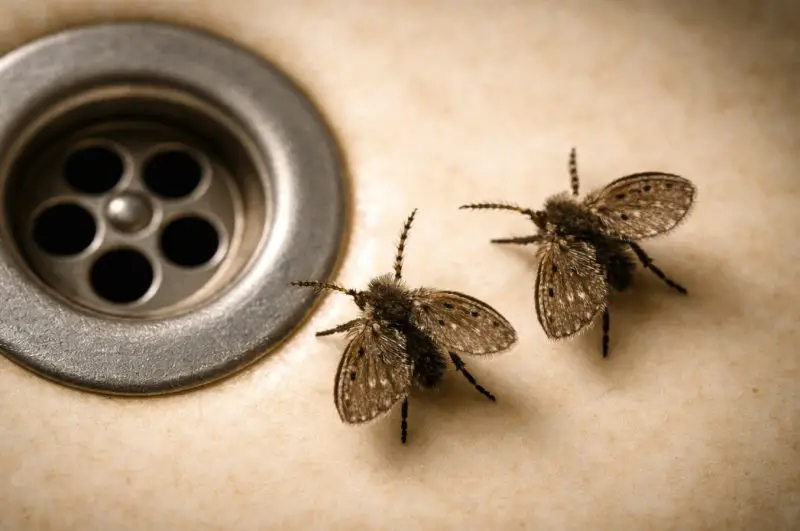
You walk into the bathroom and notice a few tiny flies hovering near the sink or shower drain. At first it seems minor. A quick swat, maybe a splash of cleaner, and they disappear. Then a few days later, they’re back. Sometimes even more than before. This is a common issue across Kansas homes, especially during humid seasons, but the reason isn’t always obvious.
These insects rarely appear by accident. Bathroom drains provide moisture, organic buildup, and shelter — ideal conditions for several species of small flies. Once established, they reproduce quickly, making the problem feel persistent.
Understanding why they appear, what species are involved, and how Kansas climate plays a role can help homeowners manage the situation effectively without panic or guesswork.
Table of Contents
- 1 The Most Common Drain Flies Found in Kansas Homes
- 2 Why Bathroom Drains Attract Tiny Flies
- 3 Seasonal Patterns in Kansas
- 4 Signs the Source Is the Drain
- 5 Health Risks and Concerns
- 6 Effective Cleaning Strategies
- 7 Prevention Tips for Kansas Homes
- 8 When Professional Help May Be Needed
- 9 Common Myths About Drain Flies
- 10 FAQs About Tiny Flies in Bathroom Drains
- 10.1 Are these flies dangerous?
- 10.2 Why do they keep coming back?
- 10.3 Can bleach eliminate them?
- 10.4 Do they live in the water?
- 10.5 How quickly do they reproduce?
- 10.6 Are Kansas summers making the problem worse?
- 10.7 Should I worry about plumbing damage?
- 10.8 Do they spread to other rooms?
- 10.9 Is professional pest control always necessary?
- 10.10 Can I prevent them permanently?
- 11 Final Thoughts
The Most Common Drain Flies Found in Kansas Homes

Drain Flies Also Called Moth Flies
The most frequent culprits behind tiny flies in Kansas bathroom drains are drain flies, often referred to as moth flies because of their fuzzy wings and slow, fluttering flight pattern. They tend to look slightly triangular when resting, with wings held roof-like over the body. Their hairy appearance makes them distinct from fruit flies or gnats, though many homeowners initially mistake them for those species.
These flies thrive in consistently damp environments where organic debris accumulates inside plumbing systems. Bathroom drains provide an ideal setting because soap residue, toothpaste, shed skin cells, hair, and other organic material form a thin biofilm along pipe walls. This film becomes the primary food source for larvae, allowing populations to establish quietly before adults become noticeable.
Kansas homes with older plumbing systems or slow-draining pipes often provide especially favorable conditions. Slight blockages, rough pipe interiors, or infrequent deep cleaning allow organic buildup to persist. While adult drain flies do not bite or transmit major diseases, their presence typically signals excess moisture or organic accumulation that deserves attention.
Fungus Gnats Near Bathroom Plants or Damp Areas
Fungus gnats represent another common source of tiny bathroom flies, particularly in homes where houseplants are kept near sinks, bathtubs, or windows. These small dark insects are strongly attracted to moist soil and decaying organic matter. Bathrooms in Kansas often create ideal microclimates for them due to humidity from showers combined with limited airflow.
Spring and summer humidity across Kansas increases indoor moisture levels, which can accelerate gnat breeding cycles. Even well-maintained plants can attract them if soil stays consistently damp. Overwatering is one of the most common triggers, allowing fungal growth that larvae feed on beneath the soil surface.
Adult fungus gnats are weak fliers compared with fruit flies. They often hover lazily near plant pots, sink edges, or damp windowsills rather than moving quickly through the room. They pose little direct risk to humans but can become frustrating when populations increase, especially in enclosed bathroom spaces.
Phorid Flies Associated With Hidden Moisture
Phorid flies are less commonly recognized but can become a persistent problem when hidden moisture exists within a home. These tiny humpbacked flies prefer decaying organic material and are often linked to plumbing leaks, sewer line cracks, or damp structural areas behind walls or beneath flooring.
Kansas homes with basement bathrooms, slab foundations, or older sewer connections occasionally experience phorid fly activity when unnoticed moisture accumulates. Unlike drain flies, which typically hover slowly, phorid flies frequently run across surfaces in quick bursts before taking short flights. This distinctive movement helps identify them.
Their presence sometimes indicates a more significant moisture issue than simple drain buildup. Investigating potential leaks, condensation problems, or structural dampness may be necessary if infestations persist despite routine cleaning.
Fruit Flies That Occasionally Use Drains
Fruit flies usually originate in kitchens where fermenting produce, spills, or trash provide food sources. However, they sometimes migrate to bathroom drains when organic residue is present. Sugary soaps, hair products, or organic buildup inside pipes can attract them.
Kansas summer heat accelerates fruit fly life cycles dramatically. Warm indoor temperatures allow eggs to hatch quickly, leading to sudden population increases. What begins as a few flies can escalate within days if breeding conditions remain favorable.
Fortunately, fruit fly drain infestations typically resolve quickly once thorough cleaning removes the organic residue. Identifying the original source, whether kitchen or bathroom, remains key to preventing recurrence.
Why Bathroom Drains Attract Tiny Flies
Moisture Is the Biggest Factor
Moisture is the single most important factor behind bathroom drain fly problems. Kansas experiences humid summers, periodic thunderstorms, and fluctuating seasonal temperatures that increase indoor moisture levels. Bathrooms naturally generate humidity through showers, sinks, baths, and limited ventilation.
Standing water, condensation inside pipes, or persistent dampness around drains creates ideal breeding environments. Tiny flies depend on moisture for egg laying, larval development, and survival. Even minor moisture levels invisible to homeowners can sustain populations.
Dry environments rarely support drain fly infestations. Improving ventilation, fixing leaks, and reducing condensation often lead to noticeable decreases in fly activity.
Organic Buildup Inside Pipes
Even well-maintained bathrooms accumulate microscopic organic debris over time. Soap scum, toothpaste residue, skin oils, hair fragments, and environmental particles combine to form a nutrient-rich slime along drain walls.
Larvae feed directly on this organic layer. Without deep cleaning, the food supply remains constant, allowing new generations to emerge continuously. Surface cleaning alone rarely addresses this hidden buildup.
This explains why chemical sprays often fail to eliminate infestations. They may kill adult flies but leave larvae undisturbed inside pipe biofilm, allowing rapid rebound.
Warm Indoor Temperatures
Kansas homes typically maintain comfortable indoor temperatures throughout the year. While pleasant for residents, warmth accelerates insect metabolism and reproduction. Many tiny fly species complete their entire life cycle in as little as one to three weeks under favorable conditions.
Consistent warmth means infestations can persist even during winter. Indoor plumbing stays warm enough to support breeding, especially in frequently used bathrooms.
Unless breeding sources are removed, populations often rebound quickly despite temporary control measures.
Reduced Airflow in Bathrooms
Bathrooms often have less airflow than other rooms. Limited ventilation traps humidity after showers and slows drying of surfaces and drains. Homes without effective exhaust fans or windows may develop persistent damp microclimates.
Moisture lingering in these conditions encourages microbial growth inside pipes and on surfaces. Microbial buildup becomes a food source for fly larvae.
Improving airflow alone sometimes significantly reduces infestations without chemical intervention.
Seasonal Patterns in Kansas
Spring Emergence
Spring rains raise humidity levels across Kansas and stimulate insect activity outdoors. As environmental conditions fluctuate, some flies migrate indoors seeking stable warmth and moisture.
Bathroom drains provide consistent conditions during this transitional season. Homeowners often first notice tiny flies during spring, especially after periods of heavy rain.
Increased vigilance during this season helps prevent population establishment.
Summer Peak Activity
Kansas summers bring sustained heat and humidity, creating peak breeding conditions for many small fly species. Frequent bathroom use adds additional moisture, further enhancing habitat suitability.
Populations can grow quickly if drains are not cleaned regularly. Summer infestations often appear sudden because life cycles accelerate dramatically in warm conditions.
Consistent cleaning and ventilation become particularly important during this period.
Fall Transition
As outdoor temperatures cool, some insects move indoors seeking warmth. Bathroom drains provide shelter and moisture, making them attractive late-season habitats.
Heating systems can also increase indoor humidity through condensation effects, contributing to favorable breeding conditions.
Fall infestations sometimes catch homeowners off guard after a relatively quiet summer.
Winter Persistence Indoors
Despite cold outdoor temperatures, indoor plumbing remains warm enough to support reproduction year-round. Heated homes create stable environments that allow flies to persist even during Kansas winters.
This explains why tiny flies occasionally appear regardless of season. Indoor climate control sustains their life cycle.
Addressing moisture and organic buildup remains essential year-round.
Signs the Source Is the Drain
Flies Appear Mostly Near Sinks or Showers
If flies consistently hover near sinks, showers, or bathtubs rather than windows or trash areas, drains are likely the source. Adults often remain close to breeding sites.
Nighttime observation can reveal emerging flies. Using a flashlight near drains sometimes shows adults resting on pipe edges or nearby surfaces.
Confirming the source helps guide effective cleaning.
Sticky Tape Test
Placing clear tape loosely over a suspected drain overnight can trap emerging flies. This simple test helps identify breeding locations without specialized equipment.
Pest professionals frequently recommend this diagnostic step. Positive results indicate the need for thorough drain cleaning rather than surface insect control.
Accurate identification prevents wasted effort.
Slow Drainage or Odors
Partially clogged drains often harbor organic buildup attractive to larvae. Musty or sewage-like odors may accompany infestations.
These signs suggest deeper cleaning or possible plumbing inspection. Ignoring them can allow problems to worsen over time.
Addressing buildup early prevents larger infestations.
Health Risks and Concerns
Generally Low Risk to Humans
Most bathroom drain flies do not bite or transmit serious disease. They are considered nuisance pests rather than health threats.
However, large infestations can indicate sanitation or moisture problems that merit attention. Addressing underlying issues improves overall indoor hygiene.
Prevention often resolves both insect and moisture concerns.
Possible Allergy Irritation
Some individuals may experience mild respiratory irritation linked to airborne insect fragments or mold associated with damp drains. This is uncommon but possible in sensitive individuals.
Maintaining clean, dry drains reduces potential exposure.
Improved ventilation also helps.
Structural Moisture Concerns
Persistent infestations sometimes reveal hidden plumbing leaks or moisture problems. Left unchecked, these conditions can lead to mold growth or structural damage.
Early investigation protects both health and property.
Moisture control remains essential.
Effective Cleaning Strategies
Mechanical Cleaning First
Physically scrubbing drain walls with a stiff brush removes biofilm where larvae feed. This approach often proves more effective than relying solely on chemicals.
Breaking the breeding cycle requires removing the food source.
Regular mechanical cleaning prevents reinfestation.
Boiling Water Flush
Carefully pouring boiling water down drains helps loosen organic buildup. Heat disrupts larval habitats and improves cleaning effectiveness.
Combining boiling water with brushing enhances results.
Repeat treatments may be necessary.
Baking Soda and Vinegar Approach
Baking soda followed by vinegar creates a foaming reaction that loosens organic material safely. This method works well for routine maintenance.
Following with hot water clears loosened debris.
Environmentally friendly options often suffice.
Enzymatic Drain Cleaners
Enzyme-based cleaners break down organic residue gradually without harsh chemicals. These products are particularly useful for long-term maintenance.
Regular use helps prevent future infestations.
They support plumbing health as well.
Prevention Tips for Kansas Homes
Improve Bathroom Ventilation
Exhaust fans remove humidity after showers. Opening windows when weather permits also helps reduce moisture levels.
Dry environments discourage fly breeding.
Ventilation remains a simple but powerful preventive measure.
Fix Leaks Promptly
Dripping pipes, loose fittings, or hidden leaks create constant moisture. Addressing leaks quickly eliminates potential breeding habitats.
Routine plumbing inspections are beneficial.
Small repairs prevent larger problems.
Regular Drain Maintenance
Weekly hot water flushing or enzyme cleaning reduces organic buildup. Preventive maintenance is easier than eliminating established infestations.
Consistency produces lasting results.
Small habits protect homes.
Limit Organic Residue
Drain strainers catch hair and debris before they enter pipes. Reducing organic input limits larval food sources.
Simple tools make maintenance easier.
Prevention always costs less effort than remediation.
When Professional Help May Be Needed
Persistent Infestations
If flies continue despite thorough cleaning, hidden plumbing issues may exist. Professionals can inspect sewer connections, pipe integrity, and concealed moisture sources.
Early intervention saves time and expense.
Accurate diagnosis improves outcomes.
Structural Moisture Problems
Water damage behind walls or under floors can attract flies. Professional moisture detection tools help locate these hidden issues.
Repairing the source typically resolves infestations.
Structural health improves simultaneously.
Large or Recurring Swarms
Heavy infestations sometimes require targeted pest control treatment. Experts can identify species accurately and recommend appropriate solutions.
Correct identification matters.
Professional help ensures comprehensive control.
Common Myths About Drain Flies
They Only Come From Dirty Homes
Even clean homes develop organic buildup inside pipes. Moisture and plumbing design matter more than visible cleanliness.
Anyone can experience drain fly issues.
Understanding this reduces unnecessary stigma.
Chemicals Alone Solve Everything
Sprays may kill adult flies but rarely eliminate larvae hidden in pipe biofilm. Integrated cleaning approaches work best.
Removing breeding material remains essential.
Prevention outperforms reaction.
They Always Indicate Sewer Failure
While severe plumbing problems can cause infestations, most cases stem from minor organic buildup. Proper inspection clarifies the cause.
Avoid jumping to worst-case assumptions.
Most solutions are straightforward.
FAQs About Tiny Flies in Bathroom Drains
Are these flies dangerous?
Most are harmless nuisance insects. They rarely bite or spread disease but indicate moisture or organic buildup.
Why do they keep coming back?
Larvae survive inside drains unless the organic breeding material is removed completely.
Can bleach eliminate them?
Bleach may kill some larvae but often fails to remove the biofilm they feed on.
Do they live in the water?
They live in the slimy layer inside pipes, not the flowing water itself.
How quickly do they reproduce?
Many species complete life cycles in one to three weeks under warm, humid conditions.
Are Kansas summers making the problem worse?
Yes. Heat and humidity accelerate breeding cycles significantly.
Should I worry about plumbing damage?
Sometimes infestations indicate leaks or buildup worth checking.
Do they spread to other rooms?
Yes, adults can move throughout a home once populations grow.
Is professional pest control always necessary?
Not usually. Cleaning drains thoroughly often resolves the issue.
Can I prevent them permanently?
Consistent drain maintenance, ventilation, and moisture control greatly reduce recurrence.
Final Thoughts
Tiny flies emerging from bathroom drains in Kansas are usually a symptom rather than the main problem. Moisture, organic buildup, and stable indoor temperatures create ideal breeding conditions for several small fly species. While they rarely pose serious health risks, their presence often signals maintenance issues worth addressing.
Consistent cleaning, improved ventilation, and prompt plumbing repairs typically solve the problem. Understanding their behavior removes unnecessary worry and allows homeowners to respond calmly and effectively. With regular preventive care, most households can keep bathroom drains fly-free and maintain a healthier indoor environment.