

Across rural communities, hunting circles, and wildlife discussions in Iowa, one question surfaces repeatedly: can wolves in Iowa breed with domestic dogs? The topic sparks curiosity, concern, and sometimes misinformation. Stories occasionally circulate about unusual animals spotted near farms or wooded areas, described as larger than coyotes but different from familiar dogs. These sightings fuel speculation about wolf–dog hybrids.
From a biological standpoint, wolves and domestic dogs can interbreed. They share the same species ancestry (Canis lupus) and remain genetically compatible. However, whether this occurs naturally in Iowa is far more complex. Population distribution, behavioral ecology, habitat conditions, and human activity all influence the likelihood of hybridization.
Understanding this issue requires separating biological possibility from ecological probability.
Table of Contents
- 1 Wolves Historically Lived in Iowa
- 2 Modern Wolf Presence in Iowa Is Extremely Limited
- 3 Biological Compatibility Between Wolves and Dogs
- 4 Behavioral Barriers Reduce Hybridization
- 5 Territorial Dynamics Play a Key Role
- 6 Habitat Differences Affect Encounter Rates
- 7 Prey Availability Supports Natural Behavior
- 8 Human Influence Complicates the Picture
- 9 Misidentification Often Fuels Hybrid Claims
- 10 Coyotes Add Another Layer of Confusion
- 11 Climate and Landscape Factors
- 12 Public Perception Versus Scientific Evidence
- 13 Conservation Implications
- 14 Research and Monitoring Efforts
- 15 Legal Status of Wolves in the Region
- 16 Human–Wildlife Coexistence Challenges
- 17 The Role of Education in Reducing Fear
- 18 Ecological Benefits of Wolves
- 19 Future Possibilities for Wolves in Iowa
- 20 Cultural Interest Remains Strong
- 21 FAQs About Wolves in Iowa and Dog Hybridization
- 21.1 Are there wild wolf populations living in Iowa today
- 21.2 Can wolves and domestic dogs breed naturally
- 21.3 Has wolf–dog hybridization been confirmed in Iowa
- 21.4 Why do people sometimes think they see wolf hybrids
- 21.5 Could wolves eventually return permanently to Iowa
- 21.6 Do wolves pose a threat to pets or livestock in Iowa
- 21.7 What animals in Iowa are most often mistaken for wolves
- 21.8 How do wildlife agencies confirm wolf sightings
- 21.9 Why is hybridization a conservation concern in some areas
- 21.10 What should someone do if they believe they spotted a wolf
- 22 Final Thoughts
Wolves Historically Lived in Iowa
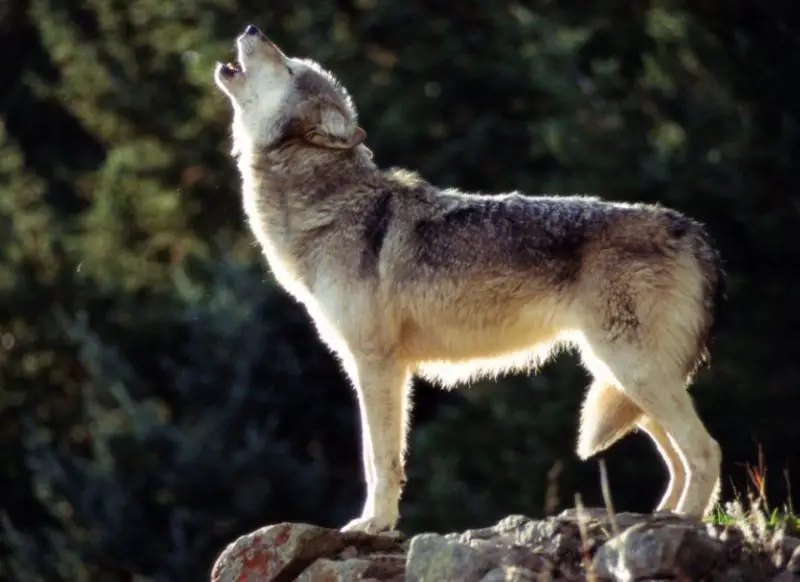
Before large-scale European settlement, wolves were an established part of Iowa’s natural landscape. The region once featured extensive prairie grasslands, mixed hardwood forests, wetlands, and river corridors that supported abundant prey such as deer, elk, and smaller mammals. These habitats provided ideal conditions for stable wolf populations. Early accounts from settlers, Indigenous oral histories, and ecological reconstructions all suggest wolves were widely distributed across the Midwest, including Iowa.
The shift began in the nineteenth century as agriculture expanded. Forest clearing, prairie conversion to farmland, and increasing human settlement fragmented habitat. Hunting pressure intensified as wolves were viewed as threats to livestock and safety. Bounties encouraged eradication, and by the early twentieth century wolves had largely disappeared from Iowa.
This historical presence explains why modern reports generate strong reactions. Many residents are aware wolves once lived in the region, so occasional sightings or rumors resonate culturally. History shapes perception, even when current ecological reality differs.
Modern Wolf Presence in Iowa Is Extremely Limited
Today, Iowa does not support a resident wolf population. Verified reports usually involve dispersing individuals traveling from northern states such as Minnesota or Wisconsin, where stable populations exist. These movements are natural. Young wolves often leave their birth packs to search for territory or mates, sometimes traveling hundreds of miles across unfamiliar landscapes.
These transient animals may briefly pass through Iowa’s rural areas, especially along river corridors or forest fragments. However, they rarely remain long enough to establish breeding territories. Lack of extensive connected habitat and limited prey concentrations compared with northern forests reduce settlement likelihood.
Because permanent populations are absent, opportunities for wolf–dog hybridization in Iowa remain extremely low. Population size strongly influences encounter probability. Opportunity shapes outcomes.
Biological Compatibility Between Wolves and Dogs
Domestic dogs descend from ancestral wolves, and both belong to the species complex Canis lupus. This shared ancestry allows interbreeding under certain conditions. Hybrid offspring, often referred to as wolfdogs, are biologically viable and have been documented in multiple regions worldwide.
Hybridization tends to occur where natural wolf populations are sparse, where free-ranging domestic dogs overlap with wolf territory, or where human activity disrupts natural pack structures. In such environments, reduced availability of wolf mates can increase the chance of crossbreeding.
However, biological compatibility alone does not determine frequency. Behavioral factors, territorial boundaries, and ecological context usually limit hybridization.
Behavioral Barriers Reduce Hybridization
Wolves maintain highly structured social systems centered on stable packs. Typically, only one breeding pair reproduces within a pack, reinforcing genetic cohesion and territorial stability. Courtship behaviors, vocalizations, scent marking, and social hierarchy cues all guide reproductive interactions.
Domestic dogs, particularly free-roaming or feral individuals, often lack these structured social systems. Their behavior can differ significantly from wolves in communication, territoriality, and mating patterns. These differences reduce compatibility during encounters.
Behavioral mismatch acts as a natural barrier. Evolution favors consistency within species groups, and social cues play a major role in reproductive selection.
Territorial Dynamics Play a Key Role
Territory is central to wolf ecology. Packs defend hunting grounds vigorously to protect food resources and maintain pack cohesion. Intruding animals, including unfamiliar dogs, are often treated as competitors rather than potential mates.
This territorial defense reduces the likelihood of hybridization even where wolves and dogs overlap geographically. Established packs prioritize internal breeding stability.
Space defines interaction. Territory influences reproduction.
Habitat Differences Affect Encounter Rates
Wolves typically prefer remote landscapes with abundant prey and minimal human disturbance. Domestic dogs, by contrast, are closely tied to human settlements, farms, and residential areas.
Even in rural Iowa, this spatial separation limits direct encounters. Wolves passing through tend to avoid populated areas, while dogs rarely venture far into wilderness corridors for extended periods.
Overlap happens occasionally but rarely persists long enough for breeding interactions. Habitat preference significantly reduces hybridization probability.
Ecology shapes encounters.
Prey Availability Supports Natural Behavior
Healthy prey populations support stable wolf pack dynamics. Deer, elk, and smaller mammals form primary food sources in regions with established wolf populations. When natural prey is abundant, wolves have little incentive to interact with domestic animals.
Scarcity, however, can alter behavior. In regions with reduced prey availability, wolves may expand hunting areas or investigate livestock and dogs more frequently. Iowa’s agricultural landscape provides prey but not always in concentrations sufficient to support permanent wolf packs.
Food availability influences behavior and movement patterns.
Human Influence Complicates the Picture
Human activity can increase hybridization risk under certain conditions. Abandoned or feral dogs, intentional crossbreeding, habitat fragmentation, and poor livestock management practices can all influence wildlife interactions.
While these factors exist globally, they are less prominent in Iowa due to the absence of stable wolf populations. Still, human actions shape wildlife dynamics more than many people realize.
Responsible management reduces potential conflict.
Misidentification Often Fuels Hybrid Claims
Large coyotes, wolf-like mixed-breed dogs, or unusually large domestic dogs are often mistaken for wolf hybrids. Visual identification alone can be unreliable, especially at distance or under low-light conditions.
Genetic testing remains the most accurate way to confirm hybrid status. Without such evidence, many reports remain speculative.
Misidentification contributes to persistent myths. Perception often differs from documented reality.
Coyotes Add Another Layer of Confusion
Coyotes are well established throughout Iowa and frequently adapt to agricultural and suburban landscapes. In some regions, coyotes interbreed with domestic dogs, producing hybrids that can resemble wolves superficially.
These animals may appear larger or exhibit unusual coat patterns, leading observers to assume wolf ancestry.
Understanding species differences helps clarify sightings. Wildlife ecology is often more complex than it appears.
Climate and Landscape Factors
Iowa’s predominantly agricultural landscape provides less continuous wilderness than northern states. Fragmented forests, farmland, roads, and human settlements interrupt potential wolf corridors.
While the climate itself remains suitable for wolves, habitat connectivity plays a more critical role. Large, uninterrupted territories are essential for pack establishment and long-term survival.
Landscape shapes distribution. Connectivity influences persistence.
Public Perception Versus Scientific Evidence
Wolves capture public imagination. Cultural symbolism, conservation debates, and media attention amplify interest. Occasional confirmed sightings generate excitement and speculation.
Scientific monitoring, however, indicates minimal risk of stable wolf populations or hybridization in Iowa at present.
Understanding evidence improves perspective. Science clarifies narrative while acknowledging public curiosity.
Conservation Implications
Hybridization concerns often arise in regions with established wolf populations. Maintaining genetic integrity helps preserve natural behaviors and ecological roles.
In Iowa, conservation focus centers more on habitat monitoring, wildlife corridors, and broader ecosystem health rather than hybridization prevention.
Regional context determines conservation priorities.
Research and Monitoring Efforts
Wildlife agencies track wolf dispersal through public reporting, genetic analysis, camera traps, and ecological surveys. These efforts help identify movement patterns and assess potential habitat suitability.
Research informs policy decisions and public education. Data collection improves understanding over time.
Knowledge evolves with observation.
Legal Status of Wolves in the Region
Legal protections for wolves vary depending on federal and state regulations. Protection status influences recovery potential, dispersal behavior, and conservation strategies.
Policy frameworks aim to balance ecological sustainability with agricultural and public concerns.
Management evolves as conditions change.
Human–Wildlife Coexistence Challenges
Even occasional wolf presence can raise concerns among farmers, pet owners, and rural communities. Preventive strategies help reduce conflict:
Secure livestock enclosures
Use guardian animals
Practice responsible pet management
Support wildlife education initiatives
Proactive management supports coexistence and reduces fear.
Awareness encourages balance.
The Role of Education in Reducing Fear
Accurate information about wolf behavior, hybridization likelihood, and ecological roles helps reduce anxiety. Education fosters coexistence and promotes tolerance.
Understanding wildlife ecology replaces speculation with informed perspective.
Knowledge reduces conflict.
Ecological Benefits of Wolves
Where wolves exist, they influence ecosystem balance by regulating prey populations, preventing overgrazing, supporting biodiversity, and maintaining trophic cascades.
Apex predators help stabilize ecosystems. Their presence often signals ecological health.
Balance benefits both wildlife and habitat resilience.
Future Possibilities for Wolves in Iowa
Future wolf presence depends largely on habitat connectivity, conservation policy, and ecological conditions in neighboring states. Occasional dispersal will likely continue, but permanent populations would require substantial habitat restoration.
Hybridization concerns would remain secondary to broader ecological considerations.
Monitoring continues as landscapes evolve.
Cultural Interest Remains Strong
Wolves occupy a powerful place in American cultural imagination. Folklore, conservation narratives, and media attention sustain public fascination.
Cultural narratives shape perception. Interest supports conservation awareness. Storytelling influences how wildlife is understood.
Understanding both ecological reality and cultural context helps communities engage thoughtfully with wildlife issues.
FAQs About Wolves in Iowa and Dog Hybridization
Are there wild wolf populations living in Iowa today
No stable wolf populations currently live in Iowa. Most confirmed sightings involve lone wolves dispersing from northern states.
Can wolves and domestic dogs breed naturally
Yes. Wolves and dogs are genetically compatible, but natural hybridization is uncommon without sustained habitat overlap.
Has wolf–dog hybridization been confirmed in Iowa
There are no widely documented cases in Iowa due to the absence of established wolf populations.
Why do people sometimes think they see wolf hybrids
Large coyotes, mixed-breed dogs, or unusual domestic animals are often mistaken for wolves or hybrids.
Could wolves eventually return permanently to Iowa
Possible but unlikely without larger connected habitat areas and stable prey populations.
Do wolves pose a threat to pets or livestock in Iowa
Since resident wolves are absent, risk is extremely low, though general wildlife precautions are always recommended.
What animals in Iowa are most often mistaken for wolves
Coyotes, large domestic dogs, and coyote–dog hybrids are the most common sources of confusion.
How do wildlife agencies confirm wolf sightings
They use genetic testing, camera traps, track analysis, and verified public reports.
Why is hybridization a conservation concern in some areas
Hybridization can affect genetic integrity of wild wolf populations where stable populations exist.
What should someone do if they believe they spotted a wolf
Document safely from a distance and report the sighting to local wildlife authorities for verification.
Final Thoughts
Wolves and domestic dogs can interbreed biologically, but in Iowa the likelihood of natural hybridization remains extremely low due to the absence of established wolf populations, habitat fragmentation, and behavioral differences. Occasional dispersing wolves may pass through the state, yet consistent interaction with domestic dogs remains rare.
Much of the discussion around wolf–dog hybrids stems from misidentification, cultural fascination, and understandable curiosity about wildlife returning to historical ranges. Scientific evidence suggests that, while hybridization is possible in theory, it is not currently a significant ecological issue in Iowa.
Understanding wildlife ecology helps separate myth from reality. With informed awareness, communities can appreciate both the history of wolves in the region and the ecological factors shaping their modern presence.