
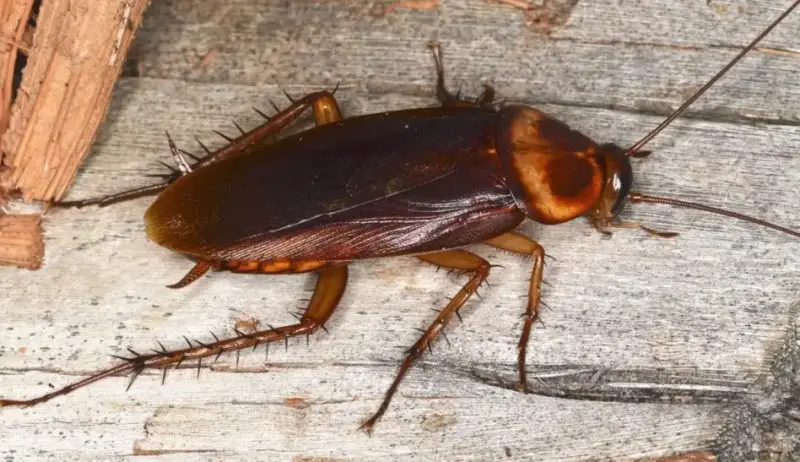
In California, insect problems are often framed around drought, wildfires, and coastal fog. But on warm evenings from Los Angeles to the Central Valley, a different surprise unsettles homeowners. A large brown cockroach suddenly lifts from a wall, glides across a patio, or darts toward a porch light. The reaction is immediate and visceral. It looks oversized. It moves unpredictably. And it flies.
What most California residents don’t realize about flying roaches is that the behavior is not a sign of sudden indoor infestation. It is a predictable response to heat, irrigation patterns, urban infrastructure, and seasonal pressure. These insects are often outdoor or sewer-associated species navigating thermal gradients and light cues, not multiplying in kitchen cabinets.
The fear is understandable.
The biology is structured.
And once you understand what drives flight behavior, the pattern becomes far less mysterious.
Table of Contents
- 1 The Species Behind California’s “Flying Roaches”
- 2 Why Warm Evenings Trigger Flight
- 3 The Sewer and Storm Drain Connection
- 4 Irrigation and Landscaping as Habitat
- 5 Why They Seem More Common in Southern California
- 6 Indoor vs. Outdoor Infestation
- 7 Why Flight Feels Aggressive
- 8 Seasonal Peaks in California
- 9 Why Spraying Alone Rarely Works
- 10 Health and Sanitation Considerations
- 11 Climate Change and Range Stability
- 12 Psychological Impact and Perception
- 13 Long-Term Outlook for California
- 14 FAQs About Flying Roaches in California
- 15 Final Thoughts
The Species Behind California’s “Flying Roaches”

When Californians refer to flying roaches, they are most often encountering either the American Cockroach or, in warmer southern counties, the Smokybrown Cockroach. Both are large-bodied species capable of flight, though what appears dramatic is frequently a controlled glide supported by warm evening air currents. Their size amplifies perception, but their biology remains consistent with outdoor-adapted cockroach behavior rather than strictly indoor infestation patterns.
These species thrive in humid microenvironments that exist within California’s built infrastructure. Sewer systems, storm drains, irrigation boxes, landscaped mulch beds, compost piles, and shaded foundation areas provide stable moisture and food sources. Unlike smaller indoor-dependent species such as German cockroaches, these larger flying cockroaches are primarily peridomestic. They live outdoors or within underground systems and enter homes incidentally rather than establishing centralized kitchen colonies.
California’s regional climate variation shapes distribution, but the mechanism remains the same across coastal, valley, and southern urban zones. Warm nights combined with irrigation and dense infrastructure create microhabitats where survival and reproduction remain stable. These insects are not recent invaders responding to sudden change. They are exploiting long-established environmental conditions that favor moisture retention and structural warmth. Flight is not a sign of escalation. It is a dispersal and relocation strategy embedded in their life cycle.
Why Warm Evenings Trigger Flight
Cockroaches are ectothermic, meaning their metabolic activity rises and falls with ambient temperature. When evening temperatures remain elevated, muscle efficiency improves, mobility increases, and dispersal behavior becomes more likely. In much of Southern California and the inland valleys, nighttime temperatures in summer remain well within the active range required for sustained surface movement.
Warm air currents also create subtle lift that supports gliding. A cockroach perched on a vertical surface may launch and ride moving air toward illuminated or thermally stable structures. The behavior is not aggressive and not directional toward humans. It is a short-distance relocation response driven by environmental cues.
Urban heat islands intensify this pattern. Concrete, asphalt, and stucco absorb solar radiation throughout the day and release stored heat slowly after sunset. Exterior walls often remain several degrees warmer than surrounding air for hours. To a cockroach seeking stable temperature gradients, these surfaces function as temporary thermal refuges.
The house is not being targeted. It is radiating warmth. That warmth becomes a cue.
The Sewer and Storm Drain Connection
The American Cockroach is strongly associated with sewer systems and storm drains across California’s cities. Underground networks provide consistent humidity, organic debris, and protection from predators. In dense metropolitan areas, these systems can sustain large populations year-round.
During extended dry periods, cockroaches may remain concentrated underground. However, irrigation cycles or intermittent summer storms can flood portions of drain systems, displacing individuals upward. When water levels rise or oxygen drops within confined spaces, cockroaches migrate vertically to escape.
Once on the surface, they orient toward vertical structures and light sources. Porch lights, garage fixtures, and illuminated windows create clear visual attractants. Many homeowners assume insects are emerging from inside the house when they see one flying near a doorway. In reality, the origin is often beneath sidewalks and streets.
Infrastructure determines baseline density. Weather triggers displacement. The surface encounter is the visible result of hidden environmental shifts.
Irrigation and Landscaping as Habitat
California’s extended dry seasons require artificial irrigation to sustain green landscapes. Drip lines, sprinkler systems, and mulch beds maintain damp soil even during drought conditions. These artificially humid pockets create stable microhabitats for moisture-dependent insects.
Mulch retains water and organic matter, offering shelter and food. Leaf litter accumulates beneath shrubs, especially in shaded areas near foundations. Decorative ground cover, if densely layered, insulates soil and reduces evaporation. These features combine to produce localized humidity zones where cockroaches can hide during daylight hours.
In coastal regions where ambient humidity is naturally higher, outdoor populations may remain active for longer seasonal windows. In inland regions where air is drier, irrigation compensates for environmental dryness and supports similar survival rates near homes.
The insect tracks moisture gradients. Landscaping supplies them. Outdoor density increases the likelihood of incidental indoor entry, particularly when structural gaps are present.
Why They Seem More Common in Southern California
Southern California’s long warm season creates extended windows of cockroach activity. Coastal humidity combined with dense urban infrastructure supports stable population cycles. Apartment complexes, restaurants, shared courtyards, sewer grids, and irrigated public landscaping create interconnected corridors for movement.
In Los Angeles and surrounding metropolitan counties, high population density increases visibility. More buildings mean more vertical heat-retaining surfaces. More lighting means stronger nighttime attraction cues. More drainage infrastructure means larger underground habitat networks.
Northern California cities experience similar patterns during peak summer months, though cooler winters may reduce surface activity more noticeably than in southern coastal areas. The difference lies in duration rather than mechanism.
Climate gradient influences intensity, but the behavioral triggers remain consistent statewide. Heat enables activity. Moisture sustains survival. Light concentrates movement.
Indoor vs. Outdoor Infestation
A crucial distinction many homeowners overlook is the difference between incidental entry and established indoor infestation. Large flying species such as the American Cockroach typically live outdoors or within sewer systems. Seeing one inside does not automatically indicate reproduction occurring in cabinets or behind appliances.
Indoor infestations are more commonly associated with smaller, non-flying species that rely entirely on interior food sources. Large peridomestic cockroaches often wander indoors through gaps under doors, torn window screens, or poorly sealed garage thresholds.
When outdoor populations increase due to favorable environmental conditions, the probability of indoor sightings rises proportionally. Identification is essential before assuming structural infestation.
Not all roaches represent the same ecological relationship to a home. Understanding species differences prevents unnecessary alarm and inappropriate treatment decisions.
Why Flight Feels Aggressive
Flying cockroaches provoke disproportionate fear because they combine size, speed, and unpredictability. A crawling insect can be tracked visually. A flying one appears less controllable. When a cockroach launches unexpectedly, it may seem to head directly toward a person.
In reality, cockroaches orient toward light gradients and vertical resting surfaces. When startled, they take the fastest available escape trajectory. If a human happens to stand between the insect and a wall or illuminated fixture, the path may appear targeted.
There is no behavioral drive to pursue humans. The movement is escape-driven or relocation-based. Perceived aggression is a byproduct of proximity and directionality.
Fear amplifies interpretation. The biological motive remains environmental navigation.
Seasonal Peaks in California
In much of California, peak flying cockroach activity occurs during late summer and early fall. By this stage, nymphs that developed earlier in the year have matured into adults capable of flight. Extended warm evenings maintain metabolic activity and encourage dispersal.
Urban irrigation maintains moisture stability even during drought conditions, preventing population collapse. By late summer, density reaches seasonal maximum. As autumn progresses and nighttime temperatures decline, surface activity decreases.
In southern coastal regions with mild winters, intermittent activity may persist throughout the year, though intensity fluctuates. The pattern remains cyclical. Summer builds numbers. Fall reveals them. Winter suppresses visible movement.
Understanding the cycle reframes the sudden appearance as predictable seasonal surfacing rather than random invasion.
Why Spraying Alone Rarely Works
Surface spraying may reduce visible individuals temporarily but does not address underlying outdoor or sewer populations. Without modifying habitat or sealing entry points, replacement individuals arrive from surrounding infrastructure.
Effective management emphasizes exclusion and moisture control. Sealing cracks around windows and doors, repairing damaged weather stripping, tightening garage seals, and ensuring proper plumbing traps reduce indoor access. Reducing excess mulch depth and managing irrigation near foundations limits harboring sites.
Lighting adjustments, including using yellow-spectrum bulbs less attractive to insects, may reduce nighttime concentration near entry points.
Control focuses on reducing opportunity rather than attempting complete environmental eradication. Outdoor population pressure persists beyond the scale of individual property treatment.
Health and Sanitation Considerations
Large flying cockroaches can carry bacteria from sewer environments on their bodies. If they contact food preparation surfaces, contamination risk exists. However, casual outdoor encounters pose minimal health threat.
The insects do not bite or sting. They are not venomous. The primary concern is indirect contamination, which is manageable through sanitation practices. Cleaning surfaces, storing food securely, and addressing plumbing leaks reduce risk significantly.
Perspective is important. The insect is unpleasant and startling. It is not inherently dangerous in the way venomous species are.
Balanced awareness prevents unnecessary panic while preserving hygienic caution.
Climate Change and Range Stability
Warming trends in California may extend activity seasons slightly in northern counties. Reduced frost frequency increases overwinter survival in certain regions. Urban heat islands amplify this effect, allowing microclimates where activity continues even during cooler months.
However, prolonged drought without irrigation may suppress outdoor habitat in less maintained areas. Population stability depends on moisture availability and structural warmth.
California’s infrastructure often compensates for natural dryness. Irrigation, sewer systems, and dense housing networks maintain consistent microhabitats that support survival independent of broader climatic fluctuations.
Future trends are likely to modify timing and duration rather than eliminate presence.
Psychological Impact and Perception
Flying roaches generate intense emotional reactions because they invade perceived safe space. The combination of sudden flight and indoor proximity triggers instinctive discomfort.
Yet most encounters involve individuals displaced from outdoor or sewer systems rather than established indoor colonies. The dramatic moment overshadows the environmental sequence that preceded it.
Understanding the pattern reduces anxiety. Rational prevention replaces reactionary overuse of pesticides. The sight remains unpleasant, but the context becomes clearer.
The appearance is startling. The explanation is systematic.
Long-Term Outlook for California
Large flying cockroaches are established across much of California’s urban and suburban environments. Complete statewide eradication is unrealistic. Population density will continue fluctuating with climate variability, irrigation patterns, and infrastructure maintenance.
Homeowners who prioritize sealing entry points, managing moisture, and adjusting lighting typically experience reduced indoor encounters. The insects are not new arrivals responding to sudden environmental change. They are long-adapted species thriving within human-modified landscapes.
California’s warmth sustains activity. Infrastructure supports survival. Human awareness limits impact.
Understanding that relationship transforms alarm into strategy.
FAQs About Flying Roaches in California
Do flying roaches mean my house is infested?
Not necessarily. Large species often originate outdoors or in sewer systems.
Why do they appear after irrigation or storms?
Water displacement forces them from underground habitats.
Are they dangerous?
They do not bite or sting but may carry bacteria from drains.
Why do they fly toward lights?
They orient toward illumination and warm surfaces.
Can they be eliminated completely?
Outdoor populations persist. Control focuses on exclusion and moisture management.
Final Thoughts
What most California residents don’t realize about flying roaches is that their appearance reflects environmental physics rather than household neglect.
Heat extends activity.
Irrigation sustains habitat.
Storm drains shelter populations.
Light concentrates movement.
The insect gliding across your patio is likely navigating warmth and humidity gradients, not establishing residence in your pantry. Understanding that pattern transforms alarm into strategy.
California’s climate ensures continued presence.
But informed prevention keeps encounters manageable.
The key is not panic.
It is pattern recognition.