
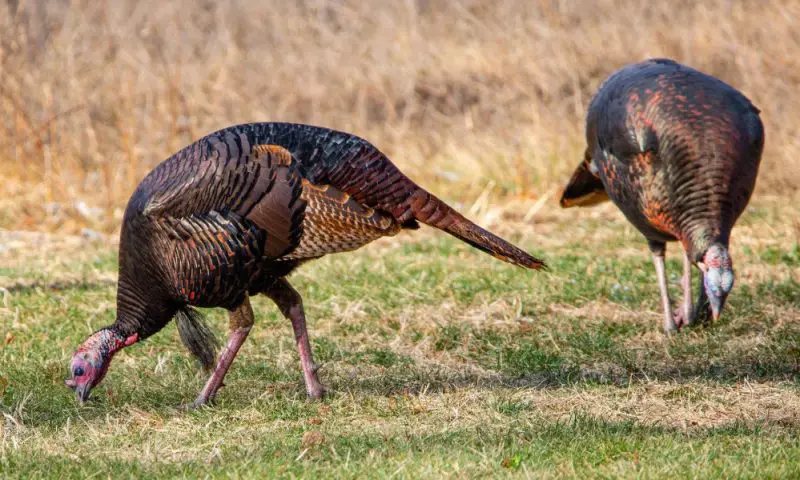
Wild turkeys are deeply connected to Pennsylvania’s forests. They move through hardwood woodlands, mixed forests, mountain ridges, river valleys, oak stands, and suburban wooded edges all year long. Their survival depends entirely on what they can find to eat through spring abundance, summer growth, autumn harvest, and the harsh challenges of winter. What they eat not only keeps them alive, but it helps shape populations, reproduction success, movement behavior, and seasonal distribution across the state.
Pennsylvania’s habitat diversity means turkeys do not eat the same foods every month. They adapt constantly. Their diet changes with seasons, available resources, and environmental pressures. To understand how turkeys thrive so successfully in Pennsylvania forests, you must understand what truly fuels them.
This comprehensive guide explores what wild turkeys eat in Pennsylvania forests year-round, how their diet shifts with seasons, how poults eat differently from adults, the role forests play in their feeding success, and why their feeding habits keep them so firmly rooted in Pennsylvania’s environment.
Turkeys Are Omnivores With a Flexible Diet

Wild turkeys are opportunistic omnivores. They do not rely on just one kind of food. Instead, they eat whatever is available, nutritious, and efficient to gather.
Their diet includes:
-
nuts and acorns
-
seeds and grains
-
berries and fruits
-
grasses and leaves
-
insects and invertebrates
-
amphibians, reptiles, and small animals on rare occasions
This flexibility is critical in Pennsylvania because weather, mast crop cycles, and forest conditions constantly change.
Forests Are the Foundation of Their Food Supply
Pennsylvania forests are rich ecosystems that provide food almost every season. Hardwood forests, especially oak-dominated habitats, are among the most important turkey feeding grounds in the state.
Forests supply:
-
acorns
-
beech nuts
-
hickory nuts
-
soft mast like berries
-
abundant insects
-
leafy vegetation
-
winter browse
Turkeys do not simply visit forests — they depend on them.
Acorns Are One of the Most Important Turkey Foods
If one food could be labeled Pennsylvania turkey survival fuel, it would be acorns.
Oak trees drop acorns heavily in fall, and turkeys rely on them through winter and early spring.
Why Acorns Matter So Much
Acorns provide:
-
high fat
-
rich carbohydrates
-
essential winter calories
These nutrients help:
-
produce body heat
-
maintain energy during snow cover
-
reduce starvation risk
In mast years (when acorns are abundant), turkey survival and reproduction improve. In poor mast years, survival stress increases and turkeys must search harder for food.
Types of Acorns Pennsylvania Turkeys Eat
They consume:
-
white oak acorns
-
red oak acorns
-
chestnut oak acorns
They find them by scratching through leaves, snow, and forest litter.
Acorns are one of the most influential foods in turkey population success.
Nuts and Hard Mast Beyond Acorns
Pennsylvania forests do not provide acorns alone. Other nuts play key roles.
Wild turkeys also eat:
-
beech nuts
-
hickory nuts
-
leftover chestnuts where available
These hard mast foods:
-
store well on forest floors
-
offer strong energy
-
remain accessible into winter
Turkeys scratch to uncover these hidden resources when other foods fade.
Seeds and Grasses Support Year-Round Nutrition
Seeds are another critical food source, especially in late winter and early spring.
Turkeys eat:
-
grass seeds
-
weed seeds
-
woodland seeds
-
field edge seeds
Seeds provide:
-
carbohydrates
-
energy stability
-
survival fuel when mast supplies thin
Pennsylvania forests and meadows blend together in many areas. That edge habitat gives turkeys access to even more seed resources.
Berries and Soft Mast Help Through Summer and Fall
Pennsylvania forests produce an incredible variety of soft mast fruits.
Wild turkeys consume:
-
wild grapes
-
blackberries
-
raspberries
-
serviceberries
-
dogwood berries
-
mulberries
-
elderberries
These foods are especially important during:
-
late summer
-
early fall
Soft mast provides:
-
vitamins
-
sugars for quick energy
-
moisture content
When forests bear fruit, turkeys thrive.
Leaves, Grass, and Green Vegetation
Turkeys also eat plant material throughout much of the year, especially when growth is fresh and nutrient-dense.
They feed on:
-
young leaves
-
clover
-
tender grasses
-
sprouts
-
woodland greenery
Plant material helps with:
-
digestion
-
hydration
-
balanced nutrition
Spring and summer forests provide endless fresh growth for turkeys to graze through.
Insects Play a Massive Role in Turkey Diets
Turkeys are not plant-only feeders. They actively seek insects.
Adult turkeys eat:
-
beetles
-
grasshoppers
-
caterpillars
-
spiders
-
worms
-
grubs
Insects provide:
-
high protein
-
essential nutrients
-
quick energy
Poults Depend on Insects to Survive
Young turkeys (poults) rely even more heavily on insects.
During the first several weeks of life, poults eat almost entirely:
-
insects
-
larvae
-
small invertebrates
Protein fuels:
-
growth
-
bone strength
-
feather development
Without insect availability, poult survival drops.
This is why healthy Pennsylvania insect populations are directly linked to turkey population strength.
Amphibians, Reptiles, and Small Prey (Rare but Possible)
Though not common, wild turkeys occasionally consume:
-
small frogs
-
salamanders
-
tiny snakes
-
lizards
These moments are opportunistic, not primary.
Still, they demonstrate how flexible turkey feeding instincts truly are.
Forest Floors Provide Constant Feeding Opportunity
Pennsylvania forest floors are more than scenery. They are feeding grounds.
Turkeys constantly scratch through:
-
leaves
-
moss
-
soil
-
fallen debris
Scratching helps them uncover:
-
insects
-
nuts
-
seeds
-
hidden mast
This is why forest litter is essential. Healthy forest floors = healthy turkey food supply.
Seasonal Feeding: What Turkeys Eat Throughout the Year
Turkey diet is never static. It follows seasonal shifts.
Spring: Fresh Growth and Protein Needs
Spring brings new plant growth and abundant insects.
Turkeys feed heavily on:
-
insects
-
young greens
-
buds
-
seeds
Spring is also breeding and nesting season. Hens need strong nutrition to support egg production and raising poults. Poult survival depends almost entirely on insect availability.
Spring diet = protein + tender greens.
Summer: Abundance and Growth
Summer offers rich food supply and diversity.
Turkeys consume:
-
insects
-
berries
-
greens
-
grass seeds
Summer diet supports:
-
energy
-
growth of poults
-
feather development
Abundance helps strengthen populations before harder seasons arrive.
Fall: Fat Storage and Hard Mast Reliance
Fall is one of the most important feeding seasons.
Turkeys turn heavily to:
-
acorns
-
nuts
-
seeds
-
soft mast fruits
Fall feeding prepares turkeys for:
-
winter cold
-
reduced food supply
Forests full of mast equal strong turkey populations.
Winter: Survival Feeding in Harsh Conditions
Winter is the hardest season.
Turkeys rely on:
-
acorns
-
beech nuts
-
hickory nuts
-
seeds
-
buds
-
leftover fruits
They scratch through snow to uncover mast. They conserve energy, move strategically, and feed efficiently.
Winter survival depends on fall preparation.
Habitat Matters: Where Turkeys Find Food
Not all Pennsylvania forests are equal. Different habitats provide different foods.
Oak Forests
Most critical winter feeding areas because of acorns.
Mixed Hardwood Forests
Offer year-round diversity of nuts, berries, and vegetation.
Pine and Evergreen Areas
Provide cover and some feeding opportunity, though not as rich in mast.
River Valleys and Wetlands
Offer insects, plant growth, and seasonal vegetation.
Field and Forest Edges
Provide seeds, grasses, insects, and transitional food.
Turkeys thrive where diverse habitat exists.
How Human Landscapes Influence Turkey Diets
Even though this article focuses on forests, human landscapes still influence turkey feeding.
Turkeys near:
-
farmland
-
suburban woodlots
-
parks
may eat:
-
waste grain
-
lawn insects
-
ornamental berries
However, Pennsylvania’s wild forests remain their strongest long-term food system.
Why Turkeys Are So Successful in Pennsylvania
Their diet explains their success.
They:
-
adapt
-
shift food choices
-
balance plant and protein
-
utilize every season
-
depend on forest health
When forests thrive, turkeys thrive.
Why Mast Cycles and Weather Matter
Some years provide heavy acorn crops. Others do not. Weather affects:
-
insect abundance
-
berry development
-
plant growth timing
Mast failure years equal survival challenges. Strong mast years equal growth.
This balance shapes turkey populations annually.
Feeding Behavior Explains Grouping Patterns
Turkeys often feed in flocks, especially fall and winter.
Grouping helps:
-
locate better feeding areas
-
provide safety
-
reduce individual energy cost
Food availability influences flock size and movement routes.
Young Turkeys vs Adult Turkeys: Different Nutritional Needs
Adults need:
-
energy
-
body maintenance
-
fat reserves
Young turkeys need:
-
protein
-
rapid nutrition
-
growth support
This difference shapes behavior and habitat use.
Forest Conservation Directly Supports Turkey Populations
Healthy forests = healthy turkeys.
Forest management practices that benefit turkeys include:
-
preserving hardwood stands
-
maintaining oak populations
-
protecting understory shrubs
-
encouraging forest diversity
-
minimizing habitat fragmentation
Turkeys are environmental indicators. Strong turkey populations signal healthy ecosystems.
FAQs About What Turkeys Eat in Pennsylvania Forests
What do turkeys eat most in Pennsylvania forests?
Mostly acorns, nuts, seeds, berries, insects, and green vegetation depending on season.
Do turkeys eat insects?
Yes. Insects are extremely important, especially for young turkeys.
What do turkeys eat in winter?
Primarily acorns, nuts, seeds, buds, and leftover berries.
Are acorns important for turkeys?
Absolutely. Acorns are one of the most critical winter foods.
Do turkeys eat meat?
Rarely, but they may opportunistically eat frogs, lizards, or small reptiles.
Do turkeys eat berries?
Yes, especially in summer and fall.
Do poults eat the same food as adults?
No. Poults rely heavily on insects.
Why are forests important to turkey diets?
Forests provide mast, insects, cover, and year-round food diversity.
Conclusion
Wild turkeys in Pennsylvania forests survive and thrive because their diet is incredibly adaptable, seasonal, and deeply tied to the natural rhythm of the woods. From acorns and nuts that sustain them through winter, to insects and fresh greens that support spring and summer growth, to berries and seeds that fuel autumn strength, every season delivers something new — and turkeys are experts at using it.
Their feeding behavior is a reflection of ecological intelligence, survival instinct, and the tremendous richness of Pennsylvania’s forests. When turkeys scratch through leaves, move through oak stands, feed on summer berries, or hunt insects in warm woodlands, they are not simply eating. They are continuing a natural relationship with the forests that has shaped both wildlife and landscape for generations.
Year-round, their diet tells the story of resilience, adaptability, and the powerful life systems hidden within Pennsylvania’s woods — even long after the sun sets and the forest grows quiet.