

Hawaii may look like paradise, but not everything here is harmless. Between the beaches, forests, reefs, and coastal waters, there are several dangerous animals that can seriously injure you if you get too close or underestimate them. Many of these creatures don’t attack unless provoked, but accidents usually happen when people ignore warnings or get careless.
Some of these animals are powerful predators, while others are small but extremely venomous. Whether you’re swimming, snorkeling, hiking, or simply relaxing near the shore, it’s important to know what to watch out for. Understanding the risks helps you enjoy Hawaii safely instead of turning a dream trip into a painful experience.
This guide covers seven of the most dangerous animals in Hawaii you should never ignore, including what makes them dangerous and why caution is necessary. With the right awareness and respect for wildlife, you can stay safe while still enjoying everything Hawaii has to offer.
Table of Contents
Most Dangerous Animals Found in Hawaii
Box Jellyfish

Identification Overview:
-
Color: Nearly transparent, pale blue
-
Size: Bell up to several inches with long tentacles
-
Habitat: Nearshore coastal waters, especially around Oahu
-
Status in Hawaii: Common during monthly influx periods
Box jellyfish are among the most dangerous marine creatures in Hawaii because their tentacles deliver strong venom. They often move close to shore around 8–12 days after the full moon, which is when most stings happen.
Because they are almost invisible in the water, swimmers may not notice them until it’s too late. Their stings can cause severe pain, welts, nausea, and in rare cases serious reactions.
Beaches in Hawaii usually post warnings when box jellyfish are expected, so checking local advisories before swimming is important. Many locals simply avoid the water on peak days.
If stung, it’s important to leave the water immediately, rinse with seawater (not freshwater), and seek medical help if symptoms are severe.
Portuguese Man-o-War

Identification Overview:
-
Color: Blue to purple floating body with long clear tentacles
-
Size: Float about a few inches; tentacles can reach several feet
-
Habitat: Ocean surface, often washed onto beaches
-
Status in Hawaii: Common during windy seasonal conditions
The Portuguese Man-o-War looks like a jellyfish, but it is actually a colony organism that floats on the ocean surface. In Hawaii, strong winds often push them toward shore, where they wash up on beaches.
Their sting is extremely painful and can still happen even if the creature is dead or stranded on the sand. Many people are stung simply because they touched one out of curiosity.
Lifeguards usually post warning signs when large numbers appear, and entire stretches of beaches may see multiple washups at the same time. Avoiding contact is the best protection.
If stung, do not rub the area. Rinse with seawater, remove tentacles carefully, and seek medical care if symptoms worsen or breathing becomes difficult.
Sharks

Identification Overview:
-
Color: Gray, brown, or patterned depending on species
-
Size: Ranges widely from medium reef sharks to very large tiger sharks
-
Habitat: Coastal waters, reefs, deeper offshore areas
-
Status in Hawaii: Present year-round
Sharks are a natural part of Hawaii’s marine ecosystem, and several species live around the islands. Most sharks avoid humans, but incidents do happen, especially in murky water or near river mouths.
Tiger Sharks are the species most often involved in serious encounters, while reef sharks are more commonly seen but less of a threat. Early morning and evening are higher-risk times because sharks are more active.
Most locals follow simple rules: avoid swimming alone, stay out of the water after heavy rain, and avoid areas where people are fishing or cleaning fish. Awareness greatly reduces risk.
Even though shark attacks are rare, they can be serious, so respecting warning signs, lifeguard advice, and ocean conditions is essential.
Centipedes

Identification Overview:
-
Color: Reddish, brown, or dark with yellow legs
-
Size: Can grow 6 inches or longer in Hawaii
-
Habitat: Gardens, homes, forests, rocky and damp areas
-
Status in Hawaii: Common on most islands
Centipedes are one of the most unpleasant land animals people encounter in Hawaii. The most infamous species is the Vietnamese Giant Centipede, which is aggressive and capable of painful bites.
They like dark, hidden places and can sometimes be found in shoes, bedding, bathrooms, or outdoor gear. Many bites happen indoors simply because people accidentally step on or press against them.
Their bite can cause intense burning pain, swelling, redness, and sometimes fever-like reactions. While rarely dangerous, the pain can be severe and last hours.
Keeping homes clean, shaking out shoes, and checking sleeping areas help reduce encounters, especially in more rural or tropical parts of the islands.
Wild Pigs

Identification Overview:
-
Color: Black, brown, or mixed; often coarse-haired
-
Size: Medium to large, muscular body with strong snout
-
Habitat: Forests, farmlands, valleys, and even suburban edges
-
Status in Hawaii: Common and widespread, invasive species
Wild pigs (often called feral pigs or wild boar) are one of the most dangerous land animals in Hawaii due to their strength, unpredictable behavior, and sharp tusks. They were introduced and have since spread widely across many islands.
They can be aggressive if cornered or protecting young, and collisions during hiking can be dangerous. Many encounters happen in forested or rural areas where people hike or farm.
Wild pigs also cause significant environmental damage, destroying native plants, tearing up soil, and contributing to erosion and water contamination. This makes them an ecological as well as physical threat.
If encountered, it’s important to stay calm, avoid approaching, and give the animal space. Never attempt to feed them or block their path.
Hawaiian Monk Seals

Identification Overview:
-
Color: Gray to brown body with lighter belly
-
Size: Large seal, usually 7–8 feet long or more
-
Habitat: Beaches, rocky shores, reefs, and nearshore waters
-
Status in Hawaii: Endangered and legally protected
Hawaiian monk seals may look calm and harmless resting on beaches, but they are powerful marine mammals capable of inflicting serious injury if disturbed. They are one of the rarest seal species in the world and are strictly protected by law.
Many injuries occur when people get too close for photos or try to interact with them. Monk seals can bite and react aggressively if they feel threatened. They also need rest, so harassment is dangerous for both seals and people.
Authorities often rope off areas around resting seals to keep both animals and visitors safe. Keeping a significant distance is not only recommended, it’s required.
Respecting monk seals helps protect this endangered species and ensures Hawaii’s wildlife remains safe and healthy.
Cone Snails
Identification Overview:
-
Color: Beautifully patterned shells, often brown, yellow, or white
-
Size: Varies from small to several inches long
-
Habitat: Shallow coral reefs, sandy bottoms, tide pools
-
Status in Hawaii: Present in various coastal areas
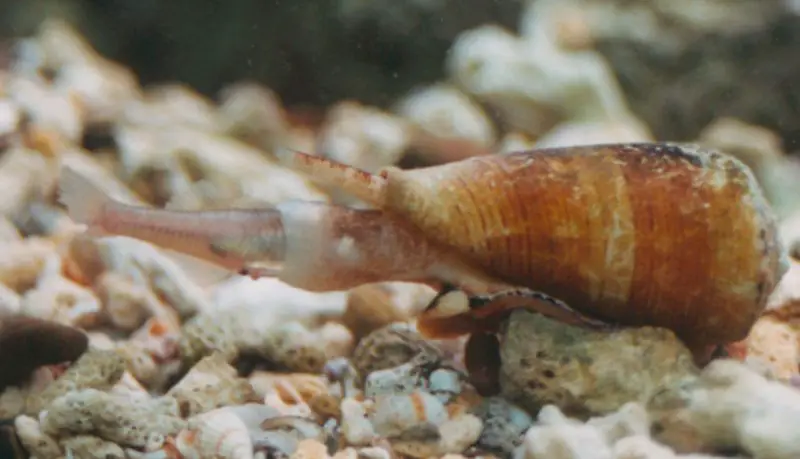
Cone snails are one of Hawaii’s most deceptively dangerous animals because they look beautiful and harmless. Many people pick them up out of curiosity, not realizing they can deliver a venomous sting.
These snails use a harpoon-like tooth to inject venom, which can cause severe pain, paralysis, breathing difficulty, and in rare cases can be life-threatening. Symptoms may not be immediate, which makes them especially risky.
They are usually found in shallow waters, tide pools, and under rocks in coastal areas. Even empty-looking shells can sometimes still be occupied.
The safest approach is simple: never pick up cone-shaped shells in Hawaii’s waters. Admire them visually and leave them where they are to avoid serious danger.
Safety Tips for Dangerous Animals in Hawaii
Stay alert and respect wildlife warnings, especially at beaches, hiking areas, and remote coastlines. Many dangerous animals are not aggressive unless provoked, but curiosity or getting too close is what leads to most incidents.
Avoid touching or picking up any marine animals, shells, or unfamiliar sea creatures. In the water, pay attention to posted signs about jellyfish, sharks, or hazardous conditions, and always follow lifeguard guidance.
Keep distance from monk seals, wild pigs, and other large animals, and never attempt to feed them. If something feels unsafe, back away slowly and give the animal space.
FAQs About Dangerous Animals in Hawaii
Are shark attacks common in Hawaii?
They are rare but possible. Most incidents occur in murky waters, near river mouths, or at dawn and dusk.
Can Box Jellyfish and Portuguese Man-o-War stings be serious?
Yes, they can cause severe pain, allergic reactions, and occasionally serious complications, so medical care may be needed.
Are Hawaiian monk seals dangerous?
They can be if disturbed. They are powerful animals and legally protected, so people must stay far away.
Are wild pigs aggressive?
They can be unpredictable and dangerous if threatened or cornered, especially females with young.
Is it safe to pick up shells at the beach?
Avoid picking up cone-shaped shells, as cone snails can deliver venomous stings even if they look harmless.
Conclusion
Hawaii is an incredible place for nature and wildlife, but awareness and respect are essential for staying safe. Understanding which animals can be dangerous, knowing when to keep your distance, and following posted warnings helps prevent accidents. With smart precautions, you can enjoy Hawaii’s beauty while staying safe and protecting its wildlife.