
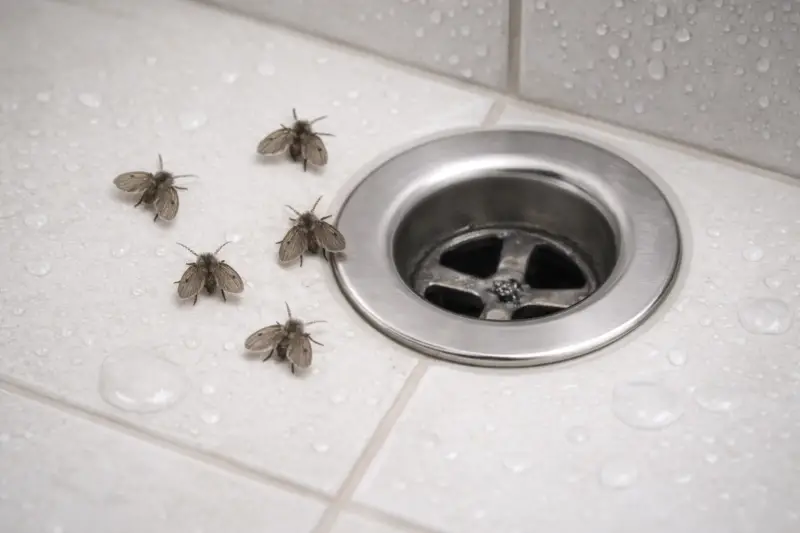
Tiny flies emerging from bathroom drains can be frustrating, especially when your home looks clean and well maintained. Many Nevada homeowners notice these insects suddenly appearing around sinks, tubs, or showers and assume they came from outside. In reality, most of these small flies originate inside plumbing systems where moisture, warmth, and organic residue create ideal breeding conditions.
Nevada’s climate adds an interesting twist. While the state is often associated with dry desert conditions, indoor humidity from daily bathroom use provides enough moisture for certain insects to thrive. Combined with modern plumbing design, stable indoor temperatures, and hidden organic buildup, drains can become surprisingly suitable habitats.
Understanding what these flies are, why they appear, and how to manage them effectively helps reduce stress and prevent recurring problems. With accurate information, most infestations can be resolved without drastic measures.
Table of Contents
- 1 What Those Tiny Bathroom Flies Usually Are
- 2 Why Nevada Homes Experience This Issue
- 3 Organic Buildup Inside Bathroom Drains
- 4 Life Cycle of Drain Breeding Flies
- 5 Signs Flies Are Coming From Drains
- 6 Plumbing Factors That Increase Risk
- 7 Are Drain Flies Dangerous
- 8 Effective Ways to Eliminate Drain Flies
- 9 Preventing Future Infestations
- 10 Natural Deterrent Methods
- 11 When Professional Help May Be Needed
- 12 Seasonal Patterns in Nevada
- 13 Common Misconceptions
- 14 Long Term Solutions for Nevada Homes
- 15 FAQs About Tiny Bathroom Drain Flies in Nevada
- 15.1 Why do tiny flies suddenly appear in bathroom drains?
- 15.2 Are drain flies harmful to health?
- 15.3 Can dry desert climates still have drain flies?
- 15.4 Do chemical sprays eliminate drain flies completely?
- 15.5 How often should bathroom drains be cleaned?
- 15.6 Can unused bathrooms attract these flies?
- 15.7 Should I call a plumber for persistent infestations?
- 15.8 Are these flies seasonal in Nevada?
- 16 Final Thoughts
What Those Tiny Bathroom Flies Usually Are
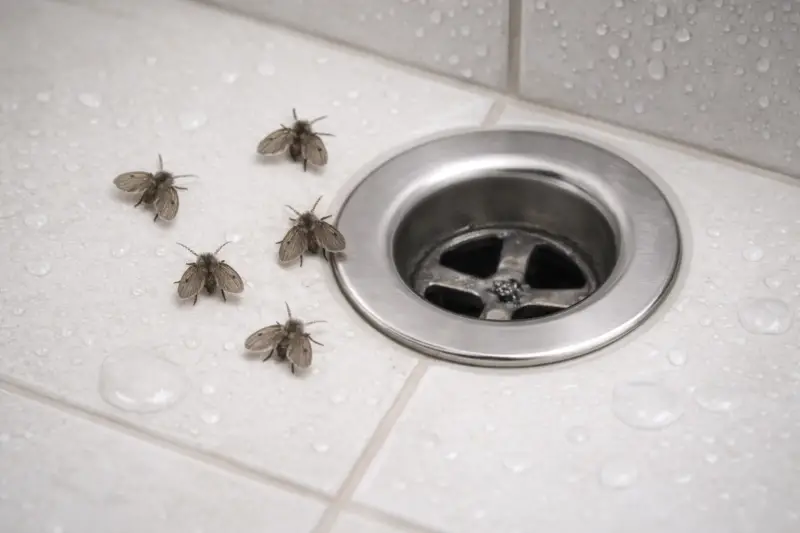
Drain Flies Are the Most Common Cause
In many Nevada homes, the tiny insects emerging from bathroom drains are usually drain flies, sometimes called moth flies or sewer flies. These insects are extremely small, typically gray, tan, or light brown, with fuzzy wings that give them a soft, mothlike appearance. They often rest quietly on bathroom walls, mirrors, tiles, or fixtures near sinks, tubs, and shower drains.
Drain flies breed inside the slimy organic layer that gradually forms along the interior surfaces of pipes. This biofilm develops from soap residue, toothpaste particles, hair, skin cells, bacteria, and other organic debris washed down daily. The larvae feed on this material while remaining protected inside the moist environment of the plumbing system.
Although they can be annoying, drain flies rarely pose serious health risks. Their presence usually signals organic buildup inside pipes rather than poor hygiene or unsanitary living conditions.
Other Possible Small Fly Species
While drain flies account for most bathroom infestations, other small insects sometimes appear in similar environments.
Fungus gnats occasionally breed in damp soil from houseplants kept near bathrooms.
Phorid flies may develop in drains where deeper organic buildup or hidden plumbing issues exist.
Fruit flies can appear if organic waste accumulates nearby, especially in trash bins or sinks.
Accurate identification helps determine the most effective treatment approach and prevents unnecessary pest control measures.
Why Nevada Homes Experience This Issue
Indoor Humidity Despite Desert Climate
Nevada’s desert climate might suggest insects would struggle to survive, yet indoor bathrooms create localized humidity. Showers, baths, and sinks release steam that can linger in enclosed spaces. Without proper ventilation, moisture accumulates in drains, pipes, and surrounding fixtures.
This persistent dampness slows evaporation and keeps organic residue moist enough for insect larvae to develop. Even in arid regions, indoor plumbing environments can support insect populations year round.
Homes with limited ventilation, smaller bathrooms, or frequent hot showers often experience this issue more noticeably.
Stable Indoor Temperatures
Modern heating and cooling systems maintain consistent indoor temperatures regardless of outdoor conditions. This stability removes seasonal barriers that might otherwise slow insect reproduction.
Even during cooler desert nights or winter months, bathroom drains remain warm enough to sustain breeding cycles. Moisture combined with stable temperatures creates an ideal environment for continuous insect development.
This explains why drain flies can appear at any time of year.
Organic Buildup Inside Bathroom Drains
How Biofilm Develops
Bathroom drains gradually accumulate organic materials through everyday use. Common contributors include soap and shampoo residue, toothpaste particles, hair, skin cells, cosmetics, lotions, and cleaning product remnants.
These substances combine with bacteria and moisture to form a gelatinous coating known as biofilm along pipe interiors. This film provides both nourishment and shelter for developing larvae.
Even well maintained homes can develop hidden pipe buildup over time, since most accumulation occurs beyond visible areas.
Plumbing Design Encourages Accumulation
Plumbing systems often include pipe bends, traps, and horizontal sections designed to prevent odors and maintain water flow. However, these areas naturally slow water movement slightly.
Organic material can settle in these slower flow zones and gradually thicken. While normal, excessive accumulation creates an ideal breeding habitat for moisture loving insects.
Regular maintenance helps prevent this buildup from reaching problematic levels.
Life Cycle of Drain Breeding Flies
Understanding the life cycle explains why infestations sometimes seem sudden.
Egg Stage
Adult flies lay microscopic eggs directly on organic biofilm inside drains. These eggs are extremely difficult to detect without magnification.
Warm, moist conditions allow eggs to hatch quickly, often within one to two days. Consistent moisture remains essential during this stage.
Larval Stage
Larvae appear as tiny wormlike organisms feeding on bacteria and organic debris. This stage typically lasts one to three weeks depending on temperature and humidity.
Because larvae remain hidden inside pipes, surface sprays rarely eliminate them. Cleaning the drain interior is necessary to break the cycle.
Pupal Stage
After feeding, larvae form pupae embedded within the drain slime. During this stage they transform into adult flies.
Pupal development generally lasts several days before emergence.
Adult Stage
Adult flies emerge from drains and move toward light sources. Bathrooms often serve as initial emergence sites due to lighting and humidity.
Adults live about two weeks, during which they reproduce rapidly and restart the cycle. Effective control focuses on removing larval habitat rather than only eliminating adult insects.
Signs Flies Are Coming From Drains
Clustering Near Fixtures
Flies resting near sinks, tubs, or shower areas usually indicate a drain origin. They often cluster where humidity is highest.
Observing resting locations can help pinpoint the primary breeding site.
Evening Activity Patterns
Drain flies frequently become more active in the evening when artificial lighting attracts newly emerged adults. This pattern helps distinguish them from other small insects.
Persistent Recurrence
If flies return repeatedly after surface cleaning, breeding likely continues inside plumbing. Recurring emergence strongly suggests an internal source rather than outdoor intrusion.
Plumbing Factors That Increase Risk
Rarely Used Fixtures
Guest bathrooms or seldom used sinks allow organic residue to accumulate without regular flushing. Standing moisture supports larval survival.
Periodic hot water flushing helps prevent buildup in these areas.
Aging Plumbing Systems
Older pipes may have rough interior surfaces where residue adheres more easily. Minor leaks can also create hidden moisture pockets.
Routine inspection and maintenance reduce long term risk.
Are Drain Flies Dangerous
Health Risk Assessment
Drain flies generally do not bite humans or pets. They rarely transmit disease in typical residential settings.
Their primary impact is nuisance rather than a medical hazard.
Maintaining clean drains helps minimize sanitation concerns.
Psychological Impact
Persistent insect presence can cause stress, frustration, or embarrassment for homeowners. Understanding the biological cause often reduces anxiety and supports effective management.
Education helps restore confidence in home cleanliness.
Effective Ways to Eliminate Drain Flies
Mechanical Cleaning First
Physical scrubbing remains the most reliable solution. Removing drain covers and cleaning pipe openings with a flexible brush disrupts the biofilm where larvae develop.
Heavier buildup may require repeated cleaning sessions.
Hot Water Flushing
Very hot water helps loosen grease and organic residue. This method works best alongside brushing rather than as a standalone solution.
Always consider pipe material before using boiling water.
Enzyme Based Cleaners
Enzyme cleaners break down organic matter naturally. They target the larval food source instead of the insects themselves.
Regular use helps prevent recurrence.
Baking Soda and Vinegar Method
This combination produces a foaming reaction that helps loosen debris. Following with hot water flushing improves effectiveness.
While helpful, it usually works best as a supplementary cleaning method.
Preventing Future Infestations
Routine Drain Maintenance
Monthly cleaning prevents significant biofilm buildup. Preventive maintenance is generally more effective than reactive treatment.
Consistency greatly reduces recurrence.
Improve Bathroom Ventilation
Using exhaust fans during and after showers lowers humidity and discourages insect breeding. Improved ventilation also protects walls, ceilings, and fixtures from moisture damage.
Avoid Dumping Organic Waste
Properly disposing of hair, grease based products, and thick cosmetic residues prevents buildup. Drain strainers help capture debris before it enters plumbing.
Small daily habits make a significant difference.
Natural Deterrent Methods
Essential Oil Repellents
Peppermint or eucalyptus oils may discourage adult flies near drains. These approaches supplement cleaning but do not eliminate larvae.
Consistency improves effectiveness.
Environmental Control
Reducing moisture and organic buildup remains the most reliable long term prevention strategy. Clean drains and good ventilation support lasting results.
When Professional Help May Be Needed
Persistent Infestations
If flies continue despite thorough cleaning, deeper plumbing issues may exist. Hidden leaks, cracked pipes, or sewer problems can create breeding pockets.
Professional inspection ensures accurate diagnosis.
Sewer Line Concerns
Phorid flies sometimes indicate sewer leaks. Early evaluation prevents costly repairs and sanitation issues.
Prompt attention protects both home structure and hygiene.
Seasonal Patterns in Nevada
Summer Activity Increase
Warmer temperatures accelerate insect reproduction. Increased indoor water use during hot weather may also raise humidity levels.
Population spikes often occur during summer months.
Winter Indoor Persistence
Indoor warmth allows year round breeding even when outdoor temperatures drop. Reduced ventilation during cooler months may increase humidity.
Seasonal awareness helps guide preventive maintenance.
Common Misconceptions
Clean Bathrooms Cannot Have Drain Flies
Surface cleanliness does not guarantee clean pipes. Hidden buildup develops gradually even in well maintained homes.
Routine maintenance remains essential.
Chemicals Alone Solve the Problem
Chemical sprays may kill adult flies but rarely reach larvae inside biofilm. Mechanical cleaning is usually necessary.
Flies Always Come From Outside
Most bathroom infestations originate inside plumbing. Outdoor insects rarely persist indoors without breeding sites.
Understanding the source improves treatment effectiveness.
Long Term Solutions for Nevada Homes
Integrated Drain Care
Combining regular cleaning, proper ventilation, and plumbing maintenance provides lasting prevention. Small consistent habits produce significant benefits over time.
Education and Awareness
Understanding insect life cycles improves response strategies and reduces frustration. Accurate knowledge prevents unnecessary chemical use and supports confident home care.
With awareness and consistent maintenance, most Nevada homeowners can manage bathroom drain flies effectively while maintaining comfortable living spaces.
FAQs About Tiny Bathroom Drain Flies in Nevada
Why do tiny flies suddenly appear in bathroom drains?
They usually emerge from organic buildup inside pipes where moisture and residue create breeding conditions.
Are drain flies harmful to health?
They rarely pose health risks. They do not bite and generally act as nuisance insects rather than disease carriers.
Can dry desert climates still have drain flies?
Yes. Indoor humidity from showers and sinks provides enough moisture for them to thrive.
Do chemical sprays eliminate drain flies completely?
Sprays kill adults but rarely affect larvae inside drains. Cleaning the breeding source is essential.
How often should bathroom drains be cleaned?
Monthly maintenance typically prevents significant buildup and recurring infestations.
Can unused bathrooms attract these flies?
Yes. Rarely used drains allow organic residue and moisture to accumulate, supporting breeding.
Should I call a plumber for persistent infestations?
If cleaning fails repeatedly, professional inspection may identify hidden leaks or sewer issues.
Are these flies seasonal in Nevada?
They can appear year round indoors, though warmer months may increase activity.
Final Thoughts
Tiny flies emerging from bathroom drains in Nevada usually reflect hidden organic buildup rather than serious sanitation problems. Despite the state’s dry climate, indoor humidity and stable temperatures create ideal breeding environments inside plumbing systems.
Understanding the biology of these insects helps replace frustration with practical solutions. Regular drain maintenance, improved ventilation, and awareness of moisture conditions prevent most infestations before they become noticeable.
With consistent care and accurate information, homeowners can manage drain fly issues effectively while maintaining comfortable, hygienic living spaces.