
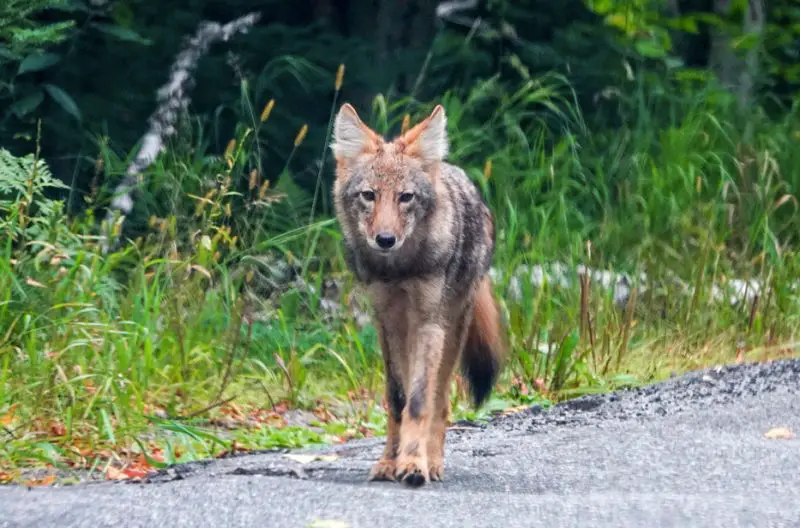
Michigan now sees coyotes as a familiar part of its wildlife landscape, appearing across forests, farmland, suburbs, and even urban edges. Their adaptability often brings them into closer proximity with domestic dogs, which naturally raises questions about whether these two canines ever interbreed. Stories of so-called “coydogs” circulate widely, fueled by unusual sightings, local folklore, and occasional confirmed hybrid cases elsewhere in North America.
Understanding whether coyotes in Michigan actually breed with domestic dogs requires looking at genetics, behavior, habitat overlap, and wildlife research. While biological compatibility exists, real-world hybridization remains far less common than many people assume.
This article explores the science behind coyote–dog hybridization, the ecological context in Michigan, and what residents should realistically expect when these animals share landscapes.
Table of Contents
- 1 Coyotes in Michigan: A Well-Established Predator
- 2 Biological Compatibility Between Coyotes and Dogs
- 3 Behavioral Factors That Limit Hybridization
- 4 Conditions That Can Increase Hybridization Risk
- 5 Are Coydogs Common in Michigan?
- 6 What Coydog Hybrids Might Look Like
- 7 Interactions Between Coyotes and Domestic Dogs
- 8 Ecological Role of Coyotes in Michigan
- 9 Human Expansion and Wildlife Overlap
- 10 Preventing Unwanted Hybridization
- 11 Myths About Coyotes and Dogs Breeding
- 12 How Wildlife Experts Study Hybridization
- 13 Coexisting With Coyotes in Michigan Communities
- 14 FAQs About Coyotes and Dogs in Michigan
- 15 Final Thoughts
Coyotes in Michigan: A Well-Established Predator
Statewide Distribution
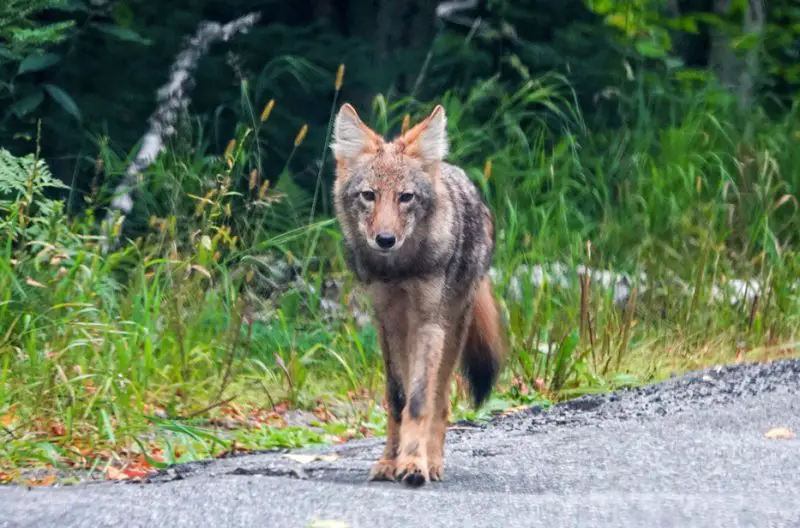
Coyotes are now firmly established across nearly every region of Michigan. From the dense northern forests and Upper Peninsula wilderness to agricultural farmland, wetlands, suburban greenbelts, and even the outskirts of major cities like Detroit and Grand Rapids, their presence has become a normal part of the state’s wildlife landscape. This expansion reflects exceptional ecological flexibility. Coyotes can adapt to a wide range of climates, vegetation types, and food sources, allowing them to succeed where many larger predators struggle.
Unlike wolves, which require extensive uninterrupted wilderness to maintain stable packs, coyotes can thrive in fragmented environments. Patchy woodlands, drainage corridors, farmland edges, and suburban parks provide sufficient cover and prey. These habitats allow them to remain largely hidden while still accessing food and water. Because of this adaptability, encounters between coyotes and domestic dogs can occur anywhere in Michigan, particularly where residential development borders natural or semi-natural landscapes.
Even though coyotes are widespread, direct sightings remain relatively uncommon. Their mostly nocturnal or crepuscular activity, combined with cautious behavior, helps them avoid detection. Increased reports often reflect expanding human development into existing wildlife habitat rather than sudden population growth.
Adaptability to Human Landscapes
Coyotes are opportunistic omnivores with highly flexible diets. In Michigan, they commonly feed on rodents, rabbits, birds, reptiles, insects, seasonal fruits, carrion, and occasionally anthropogenic food sources such as pet food or livestock feed. This dietary versatility allows them to persist even when natural prey fluctuates due to weather, habitat change, or seasonal cycles.
Suburban environments unintentionally provide attractive resources. Unsecured garbage, compost piles, outdoor pet feeding, and ornamental landscaping that supports rodent populations can all indirectly benefit coyotes. Irrigation systems, retention ponds, and green corridors also create suitable habitat within developed areas. Despite these opportunities, most coyotes remain wary of humans and prefer avoiding close interaction whenever possible. Their survival strategy emphasizes stealth, observation, and rapid retreat rather than confrontation.
This adaptability explains why coyotes continue to expand into mixed human-natural landscapes across Michigan. Their presence reflects ecological resilience more than aggressive encroachment.
Biological Compatibility Between Coyotes and Dogs
Coyotes (Canis latrans) and domestic dogs (Canis lupus familiaris) both belong to the genus Canis. This close genetic relationship means hybridization is biologically possible. Unlike foxes, which belong to different genera and are genetically more distant, coyotes and dogs share enough chromosomal compatibility to produce fertile offspring under certain conditions. These hybrids are commonly referred to as coydogs.
Documented coydog cases exist across North America, particularly in areas where free-roaming domestic dogs overlap with wild coyote populations. However, biological capability does not necessarily translate into frequent occurrence. Behavioral preferences, territorial structures, and reproductive timing often limit hybridization in natural settings.
In Michigan, wildlife research generally indicates that most coyotes maintain predominantly wild genetic ancestry. While hybridization can occur occasionally, it does not appear to dominate local coyote populations.
Fertility of Hybrid Offspring
Coydog offspring are typically fertile, meaning they can reproduce with coyotes, domestic dogs, or other hybrids. In theory, this could allow hybrid genetics to spread through populations. However, real-world ecological factors tend to limit that process.
Genetic surveys of wild coyotes in the Great Lakes region often show minimal domestic dog influence. Coyotes tend to select mates within their own species due to established social structures and territorial behaviors. These natural mating preferences help preserve species identity even where overlap occurs.
Consequently, while hybridization remains biologically possible, it appears to be relatively uncommon in Michigan’s wild coyote populations.
Behavioral Factors That Limit Hybridization
Strong Coyote Social Structure
Coyotes typically form family units centered on a breeding pair and their offspring. These groups maintain clearly defined territories using scent marking, vocal communication, and visual signals. Territorial defense discourages unfamiliar canines from entering breeding areas.
When domestic dogs wander into coyote territory, they are often perceived as competitors or potential threats rather than mates. Encounters more commonly involve avoidance, vocal displays, or territorial defense behaviors. This social structure strongly favors mating within the species and reduces hybridization likelihood.
Family cohesion also plays a role. Established pairs often remain together through multiple breeding seasons, further limiting opportunities for cross-species mating.
Seasonal Breeding Differences
Coyotes in Michigan generally breed once per year, typically between January and March. Domestic dogs, depending on breed and management, may breed multiple times annually. This mismatch in reproductive timing reduces opportunities for synchronized mating encounters.
Even where coyotes and dogs share habitat, their reproductive cycles may not align. Without simultaneous fertility, successful hybridization becomes unlikely. Seasonal timing alone therefore acts as a significant biological barrier.
Communication and Courtship Differences
Successful mating requires compatible communication signals. Coyotes rely heavily on scent marking, vocalizations, and subtle behavioral cues during courtship. Domestic dogs, influenced by human environments and selective breeding, often display different patterns of communication.
These differences can disrupt courtship recognition. Even when physical compatibility exists, mismatched behavioral signals may prevent successful mating interactions.
Conditions That Can Increase Hybridization Risk
Presence of Free-Roaming Dogs
Hybridization becomes more plausible in areas where unconfined domestic dogs roam freely. Rural farms, remote communities, and regions with feral dog populations present greater opportunities for interaction. Unneutered dogs wandering at night overlap most closely with peak coyote activity.
Responsible pet ownership significantly reduces this risk. Spaying, neutering, supervision, and secure fencing minimize potential contact between domestic dogs and wild coyotes.
Disrupted Coyote Territories
Habitat disturbance can occasionally disrupt established coyote social structures. Development, hunting pressure, environmental change, or sudden population shifts may leave individual coyotes isolated from potential mates.
A lone coyote lacking access to conspecific partners may exhibit less selective behavior, increasing the theoretical chance of hybridization with domestic dogs. Such situations appear uncommon but biologically possible.
Overlapping Food Sources
Shared feeding sites can bring coyotes and dogs into closer proximity. Livestock areas, garbage disposal zones, or locations with abundant rodents may attract both species. However, these interactions more often involve competition or avoidance rather than breeding behavior.
Food overlap explains encounters but does not necessarily lead to hybridization.
Are Coydogs Common in Michigan?
Current Scientific Understanding
Wildlife research suggests coydog occurrences exist but remain relatively rare in Michigan. Genetic surveys typically show limited domestic dog ancestry within wild coyote populations. Most animals suspected of being hybrids are ultimately identified as pure coyotes exhibiting natural variation.
DNA testing remains the only reliable method for confirming hybrid status. Without genetic analysis, visual identification alone is insufficient.
Frequent Misidentification
Coyotes naturally vary in size, coloration, and coat texture depending on age, diet, season, and regional genetics. Some individuals may appear unusually large or display uncommon color patterns, prompting hybrid speculation.
Similarly, feral domestic dogs living outdoors may develop leaner physiques and survival behaviors that resemble wild canines. These similarities frequently lead to mistaken assumptions about hybrid ancestry.
Misidentification plays a major role in sustaining hybrid myths.
What Coydog Hybrids Might Look Like
Physical Characteristics
Coydog appearance varies widely depending on genetic contribution. Some individuals closely resemble coyotes, while others display more doglike features. Potential traits include intermediate body size, unusual coat coloration, mixed ear shapes, altered tail carriage, or facial features blending both species.
Because variation is broad, appearance alone rarely provides conclusive identification.
Behavioral Characteristics
Behavioral tendencies may also differ. Some hybrids retain strong wariness typical of coyotes, while others show reduced fear of humans similar to domestic dogs. This variability makes behavioral observation unreliable for identification.
Wildlife professionals depend primarily on genetic testing rather than appearance or behavior to confirm hybrid ancestry.
Interactions Between Coyotes and Domestic Dogs
Territorial Conflicts More Common Than Breeding
Coyotes often perceive domestic dogs as territorial competitors rather than potential mates. Encounters may involve chasing, vocal displays, or avoidance behaviors. During pup season, coyotes can become more defensive if dogs approach den sites.
These defensive interactions are sometimes misinterpreted as aggressive attacks. In reality, they reflect protective instincts rather than predatory or reproductive intent.
Risks to Pets
Small dogs may occasionally be vulnerable to predation, especially if unsupervised at night. Larger dogs may encounter defensive coyotes protecting territory or offspring. Supervision, secure fencing, and limiting nighttime roaming significantly reduce risk.
Most encounters resolve without serious incidents when appropriate precautions are followed.
Ecological Role of Coyotes in Michigan
Predator Balance
Coyotes help regulate populations of rodents, rabbits, and other small mammals. This contributes to agricultural productivity, forest regeneration, and disease control among prey species. Balanced predator populations often indicate healthy ecosystems.
Their presence reflects ecological function rather than ecological threat.
Scavenging Contributions
Coyotes also consume carrion, assisting nutrient recycling and reducing disease risks associated with decomposing animal remains. This scavenging role, though less visible, supports ecosystem stability.
Healthy ecosystems depend on diverse predator and scavenger interactions.
Human Expansion and Wildlife Overlap
Development Near Natural Habitat
Michigan’s expanding suburbs increasingly border forests, wetlands, and farmland. This expansion naturally increases wildlife sightings. Often, coyotes are not moving closer to people. Instead, people are building closer to established wildlife habitat.
Understanding this perspective helps contextualize rising encounter reports.
Attractants Around Homes
Certain human behaviors inadvertently attract coyotes. Outdoor pet food, unsecured garbage, livestock feed, rodent infestations, and dense landscaping providing cover all increase the likelihood of encounters.
Managing attractants typically proves more effective than direct wildlife control. Environmental awareness plays a key role in coexistence.
Preventing Unwanted Hybridization
Responsible Pet Ownership
Spaying and neutering domestic dogs significantly reduce hybridization risk. Supervision, fencing, and avoiding free roaming further limit contact with wildlife. These practices protect pets while preserving natural ecosystem balance.
Community awareness strengthens effectiveness.
Habitat Awareness
Understanding local wildlife presence helps residents adopt appropriate habits. Avoid feeding wildlife intentionally or unintentionally, manage waste carefully, and reduce prey attractants around homes.
Education remains the most effective long-term strategy.
Myths About Coyotes and Dogs Breeding
Coydogs are sometimes believed to be common, but evidence suggests they are relatively rare. Most coyotes remain genetically wild. Aggression is often attributed to hybrids, yet behavior depends more on environment and individual experience than ancestry. Large coyotes are frequently assumed to be hybrids, but natural variation in size is common among wild populations.
Education helps separate scientific reality from persistent folklore.
How Wildlife Experts Study Hybridization
Genetic Testing
Researchers analyze DNA from hair, scat, or tissue samples to determine ancestry accurately. Genetic monitoring helps track population trends and identify occasional hybrid individuals.
Scientific testing provides clarity where observation alone cannot.
Field Observation
Wildlife biologists also study behavior, territory use, and breeding patterns through long-term observation. Combining genetic data with ecological research offers a comprehensive understanding of coyote populations.
This integrated approach informs wildlife management decisions.
Coexisting With Coyotes in Michigan Communities
Practical Safety Tips
Supervise pets, especially after dark. Secure trash containers, avoid leaving pet food outdoors, maintain clear yard visibility, and report unusual wildlife behavior when appropriate. These precautions significantly reduce conflict.
Awareness supports safe coexistence.
Appreciating Native Wildlife
Coyotes are now an established part of Michigan ecosystems. Observing them responsibly can deepen appreciation for regional biodiversity without increasing risk. Knowledge often replaces fear with understanding, allowing communities to coexist with wildlife more comfortably.
FAQs About Coyotes and Dogs in Michigan
Can coyotes and domestic dogs breed naturally?
Yes, biological compatibility exists, but natural hybridization appears relatively uncommon in Michigan due to behavioral and environmental barriers.
What is a coydog?
A coydog is a hybrid offspring produced when a coyote mates with a domestic dog. Verified cases exist but are rare.
Are coydogs more dangerous?
There is no consistent evidence they are more aggressive. Behavior varies individually and depends on environment and upbringing.
How can I protect my dog from coyotes?
Supervise pets outdoors, especially at night, secure fencing, remove food attractants, and avoid letting dogs roam freely.
Are coyotes increasing in Michigan?
Sightings have increased largely due to habitat overlap with expanding human development rather than sudden population growth.
Final Thoughts
Coyotes in Michigan are adaptable predators that coexist increasingly alongside human communities. While they are biologically capable of breeding with domestic dogs, real-world hybridization remains relatively rare due to behavioral, ecological, and reproductive barriers. Most animals suspected of being hybrids are simply coyotes displaying natural variation.
Understanding wildlife biology helps replace speculation with informed perspective. Responsible pet ownership, habitat awareness, and accurate information support peaceful coexistence. Rather than viewing coyotes solely as threats or curiosities, recognizing their ecological role fosters balanced appreciation of Michigan’s evolving natural landscape.