
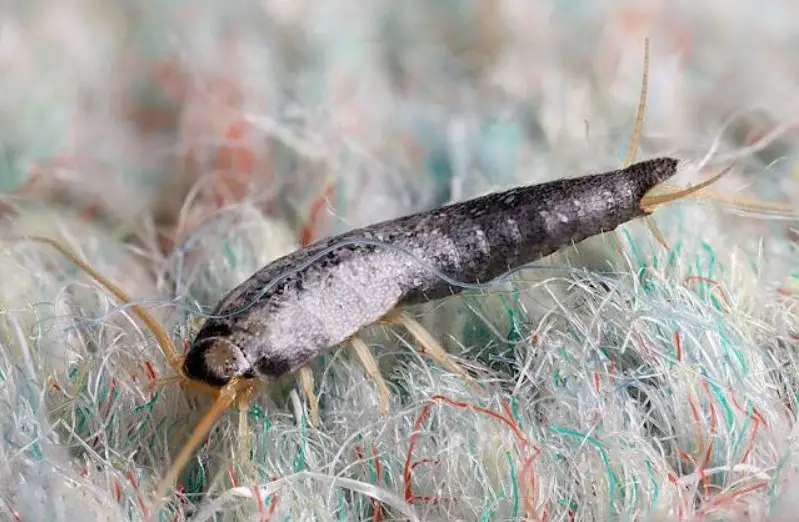
Closets in many Arizona homes stay closed most of the time. Lights rarely turn on. Clothes, shoes, storage boxes, and seasonal decorations often sit untouched for weeks or even months. That quiet, stable environment happens to be exactly what silverfish prefer.
Most homeowners first notice them by accident. A closet door opens. The light flips on. Something small, silvery, and fast darts across the baseboard or disappears behind stacked boxes. Surprise comes first. Then confusion. Why the closet? Why now? And how did it get there?
Arizona’s desert climate leads many people to assume insects that depend on moisture should not survive indoors. Yet closets create their own microclimates. Stored fabrics hold humidity. Walls adjacent to bathrooms or HVAC ducts trap condensation. Darkness remains constant. These subtle environmental conditions quietly support silverfish survival.
Once closets are viewed as environmental spaces rather than simple storage areas, the mystery fades. Silverfish are rarely random intruders. They respond to stable indoor conditions that often go unnoticed.
Table of Contents
- 1 Why Closets Become Ideal Silverfish Habitat
- 2 Arizona Climate Still Supports Indoor Silverfish
- 3 Why Silverfish Appear “Suddenly”
- 4 Storage Habits Make a Difference
- 5 Closets Near Bathrooms See More Activity
- 6 Exterior Walls Create Hidden Microclimates
- 7 New Arizona Homes Are Not Immune
- 8 Are Silverfish Dangerous?
- 9 Why Sprays Rarely Solve the Problem
- 10 Humidity Control Changes Everything
- 11 Cleaning Helps but Has Limits
- 12 Seasonal Patterns in Arizona Homes
- 13 Why Silverfish Prefer Darkness
- 14 Common Misconceptions About Silverfish
- 15 Preventive Storage Strategies
- 16 When Silverfish Suggest Bigger Issues
- 17 Psychological Impact of Closet Sightings
- 18 Long-Term Environmental Balance
- 19 FAQs About Closet Silverfish in Arizona
- 20 Conclusion
Why Closets Become Ideal Silverfish Habitat
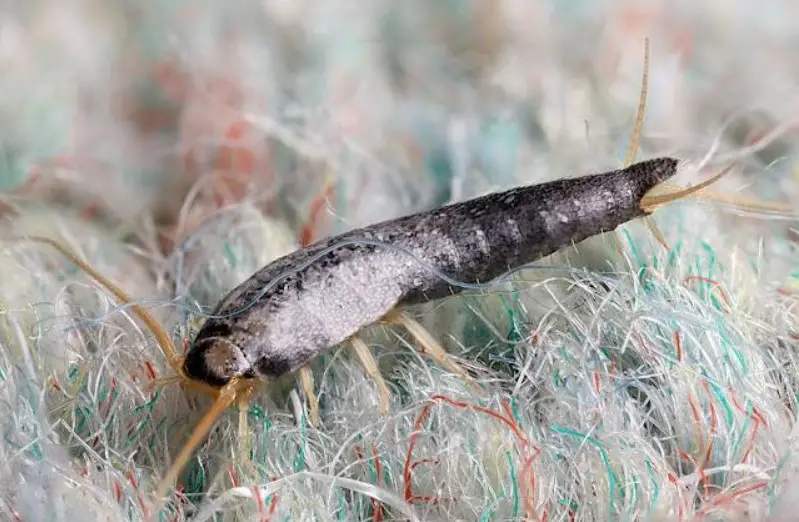
Closets naturally combine several conditions silverfish seek. Darkness dominates because closet lights remain off most of the day. Airflow stays limited compared with open rooms. Temperature fluctuations are smaller, producing a stable microenvironment.
Stored items further increase suitability. Clothing fibers, cardboard boxes, paper packaging, book bindings, wallpaper glue, lint, and dust all contain starches or cellulose. These materials form a continuous food supply. The closet does not need to appear dirty. Stability alone can make it attractive.
Humidity also plays a major role. Even in Arizona’s dry climate, closets frequently hold slightly higher moisture levels than surrounding spaces. Fabric absorbs humidity. Walls retain condensation. Small plumbing or HVAC influences can add additional moisture.
Humans rarely notice these slight differences. Silverfish are extremely sensitive to them. That subtle environmental gap often determines whether they remain hidden or move elsewhere.
Arizona Climate Still Supports Indoor Silverfish
Arizona is famous for low outdoor humidity, but indoor environments behave differently. Air conditioning cools interior air while outdoor heat drives moisture inward. That temperature contrast can produce condensation inside walls, ductwork, and enclosed spaces such as closets.
Bathrooms and laundry areas add additional moisture. Steam from showers, washing machines, and plumbing slowly migrates through shared walls. Closets located near these zones quietly accumulate humidity because airflow remains minimal.
From a silverfish perspective, those closets resemble sheltered natural habitats. Stable temperature, darkness, mild moisture, and consistent food sources replicate conditions they evolved to exploit. Desert dryness outside does not eliminate indoor microclimates.
This indoor–outdoor contrast explains why silverfish remain common even in arid regions.
Why Silverfish Appear “Suddenly”
Silverfish rarely arrive overnight. More often, they become visible overnight.
They are nocturnal insects that avoid light. Most movement occurs late at night when homes are quiet. They travel along baseboards, behind shelving, inside wall voids, or beneath stored items.
When a closet light switches on unexpectedly, they scatter quickly toward cover. That sudden motion creates the illusion they just arrived. In reality, they may have lived undetected for months.
Sometimes longer.
Their secretive behavior explains why infestations often seem sudden even when populations developed gradually.
Storage Habits Make a Difference
Closets used frequently tend to host fewer silverfish. Regular door opening increases airflow. Light exposure disrupts their activity. Routine cleaning removes dust and food sources.
Storage closets tell a different story. Seasonal clothing, old books, decorative items, linens, rarely worn shoes, and stacked boxes create stable environments with minimal disturbance. Dust accumulates naturally over time.
Cardboard is especially attractive. It absorbs humidity, contains edible adhesives, and provides layered hiding spaces. Replacing cardboard with sealed plastic containers often reduces activity noticeably.
Not instantly.
But steadily.
Consistent storage practices can significantly influence silverfish presence.
Closets Near Bathrooms See More Activity
Closets sharing walls with bathrooms, kitchens, or laundry rooms commonly experience higher silverfish activity. Moisture transfer through walls happens more easily than most homeowners realize.
Steam, plumbing condensation, and occasional small leaks create subtle humidity gradients. Even when closet surfaces feel dry, interior wall cavities may remain slightly damp for long periods.
Silverfish naturally follow those gradients. They seek stable humidity pockets even when differences appear minimal to humans.
This explains why bathroom-adjacent closets often experience repeated sightings.
Exterior Walls Create Hidden Microclimates
Closets built along exterior walls often experience temperature fluctuations. Hot outdoor air meeting cool indoor air can create condensation inside insulation layers or wall cavities.
These hidden moisture pockets rarely appear visibly. However, they produce stable environments ideal for silverfish. Insulation gaps, vapor barrier issues, or small structural openings can amplify the effect.
Closets positioned in these locations may show recurring activity even when indoor humidity seems well controlled.
Understanding building design helps explain persistent sightings.
New Arizona Homes Are Not Immune
Many homeowners assume new construction prevents pest issues. Ironically, modern homes sometimes trap humidity more effectively than older designs.
New building materials often contain starch-based adhesives, wood products, and finishes attractive to silverfish. Insulation systems can create localized condensation zones. Closets without ventilation may hold moisture longer.
Indoor environmental balance also takes time to stabilize. Newly constructed homes sometimes experience silverfish within the first few years simply because moisture patterns are still settling.
This situation is common and often temporary once ventilation improves.
Are Silverfish Dangerous?
Silverfish do not bite, sting, or transmit disease. Their impact is largely indirect. They may damage paper goods, wallpaper backing, stored fabrics, or cardboard items over time.
Damage usually develops gradually. It often goes unnoticed until materials show visible wear. The bigger concern is environmental. Their presence often signals elevated humidity or hidden moisture pockets.
In that sense, silverfish act more like environmental indicators than harmful pests.
Understanding this reduces unnecessary alarm while encouraging appropriate preventive measures.
Why Sprays Rarely Solve the Problem
Surface insecticides typically address visible insects rather than underlying causes. Most silverfish spend little time in open areas. They hide inside wall voids, under shelving, behind baseboards, or within stored materials.
Chemical sprays may temporarily reduce sightings but rarely eliminate breeding conditions. If humidity and food sources remain, populations often rebound.
Quietly.
And sometimes unpredictably.
Long-term solutions focus more on environmental management than chemical treatment.
Humidity Control Changes Everything
Moisture levels strongly influence silverfish survival. Reducing indoor humidity can dramatically reduce activity.
Improved ventilation, periodic closet airing, leak repairs, and careful storage habits all contribute. Dehumidifiers in problem areas often help. Avoiding storage of damp clothing or linens also matters.
Closets often respond quickly once environmental conditions shift. Slight airflow improvements sometimes produce noticeable changes within weeks.
Consistency is key.
Cleaning Helps but Has Limits
Cleaning removes visible dust, lint, and food sources. Vacuuming closet corners, shelves, and baseboards can reduce activity. However, cleaning alone rarely eliminates underlying environmental conditions.
Without humidity control, new silverfish often replace those removed. Cleaning works best as part of a broader moisture-management strategy.
Simple maintenance routines usually outperform occasional deep treatments.
Seasonal Patterns in Arizona Homes
Silverfish activity may fluctuate seasonally. Summer air conditioning increases condensation potential. Monsoon season raises humidity. Winter heating can trap moisture in enclosed spaces.
These seasonal changes sometimes trigger increased sightings. Homeowners often notice activity spikes following weather shifts rather than during stable periods.
Understanding seasonal influences helps reduce surprise.
Why Silverfish Prefer Darkness
Silverfish evolved to avoid predators by staying hidden. Darkness provides safety. Light exposure signals potential danger.
Closets offer continuous darkness. Even brief light exposure may cause silverfish to retreat quickly. This behavior contributes to their reputation for sudden appearance.
It also explains why daytime sightings remain rare.
Common Misconceptions About Silverfish
Many myths surround silverfish. They do not indicate poor housekeeping. They rarely originate from drains. They do not suddenly invade clean homes.
Most infestations develop gradually due to environmental conditions rather than sanitation issues.
Correct understanding supports effective prevention.
Preventive Storage Strategies
Storage choices strongly influence silverfish activity. Plastic containers reduce humidity absorption. Airtight garment bags protect fabrics. Cedar or silica-based moisture absorbers may help stabilize conditions.
Reducing clutter improves airflow. Avoiding long-term storage of paper or cardboard in closets also helps.
Preventive habits often provide the most reliable long-term results.
When Silverfish Suggest Bigger Issues
Occasional sightings are normal in Arizona homes. However, frequent sightings across multiple closets may indicate hidden moisture problems.
Possible causes include plumbing leaks, HVAC condensation, insulation gaps, or structural airflow limitations. Silverfish rarely cause these issues.
More often, they reveal them.
Addressing environmental causes usually resolves the insect problem.
Psychological Impact of Closet Sightings
Unexpected insect encounters often trigger strong reactions. Closets feel private and controlled. Seeing movement there can create discomfort.
Understanding environmental causes reduces anxiety. Knowledge transforms mystery into manageable maintenance.
Confidence grows with accurate information.
Long-Term Environmental Balance
Silverfish thrive where conditions remain stable. Small adjustments gradually shift that balance. Better airflow, moisture control, and thoughtful storage often reduce populations naturally.
Consistency matters more than intensity.
Over time, closets become less inviting environments.
FAQs About Closet Silverfish in Arizona
Why do silverfish choose closets?
Closets provide darkness, stable temperature, limited airflow, and stored food sources such as paper fibers, dust, and fabrics.
Do silverfish damage clothing?
They can slowly damage natural fibers, especially items stored long-term without disturbance.
Are silverfish dangerous to people?
No. They do not bite, sting, or transmit disease. Their impact is mostly cosmetic.
Why do I mainly see them at night?
Silverfish are nocturnal and avoid light. Most activity occurs when homes are quiet and dark.
Will cleaning eliminate them completely?
Cleaning helps reduce food sources, but humidity control and storage adjustments provide more lasting results.
Do natural repellents work?
Some scents may deter silverfish temporarily, but environmental changes remain more effective long term.
Are they common in Arizona homes?
Yes. Indoor microclimates allow them to survive even in desert regions.
When should I worry?
Frequent sightings across multiple areas may suggest hidden moisture issues worth investigating.
Conclusion
Silverfish in Arizona closets rarely appear randomly. Closets quietly provide darkness, stable temperature, slight humidity, and organic materials that align perfectly with silverfish survival needs.
Solutions usually involve environmental adjustments rather than aggressive chemicals. Improved airflow, reduced humidity, sealed storage, and routine maintenance often shift conditions enough that silverfish gradually disappear.
Understanding how indoor environments function removes much of the mystery. And once the mystery fades, managing silverfish becomes far simpler than most homeowners expect.