
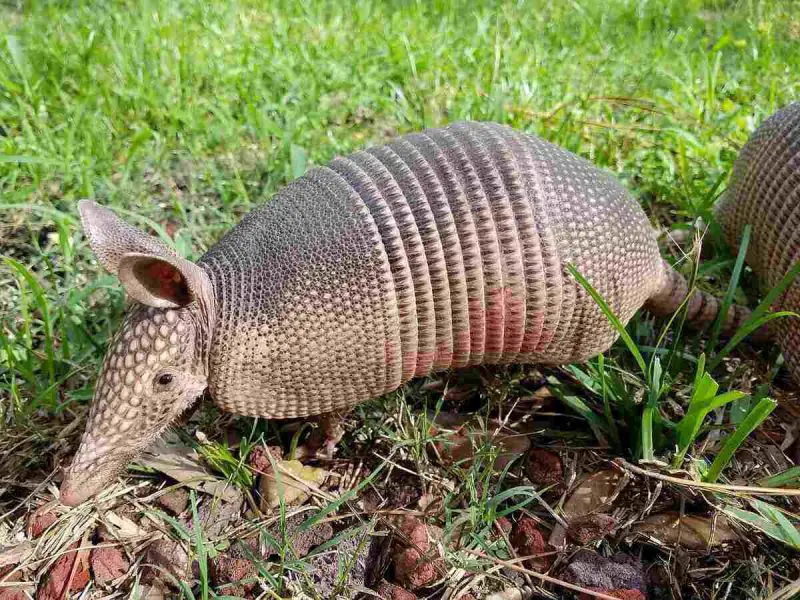
In many parts of Texas, homeowners occasionally wake up to find small holes scattered across lawns, flowerbeds, or garden edges. The soil looks freshly disturbed, turf may be lifted, and the pattern often seems random. For residents unfamiliar with local wildlife behavior, these signs can be puzzling or concerning. One of the most common culprits is the nine-banded armadillo, an adaptable mammal that thrives across much of Texas.
While the appearance of armadillo holes may seem sudden, the behavior behind them is typically predictable and rooted in natural feeding habits. Understanding why armadillos dig, what their holes indicate, and how their presence fits into Texas ecosystems helps homeowners interpret these signs more accurately and respond appropriately.
Armadillos are neither aggressive intruders nor destructive pests in the traditional sense. They are native wildlife responding to environmental cues, food availability, and habitat opportunities.
Table of Contents
- 1 Armadillos Are Well Established Throughout Texas
- 2 Why Armadillos Dig Holes
- 3 Lawn Damage Often Signals Healthy Soil Life
- 4 Feeding Patterns Influence Hole Distribution
- 5 Temporary Versus Permanent Burrows
- 6 Suburban Expansion Encourages Encounters
- 7 Seasonal Activity Patterns
- 8 Climate Conditions Affect Digging Behavior
- 9 Predation Pressure and Shelter Needs
- 10 Human Perception of Damage
- 11 Health and Safety Considerations
- 12 Coexistence Strategies for Homeowners
- 13 Wildlife Law and Ethical Considerations
- 14 Ecological Benefits of Armadillos
- 15 Misconceptions About Aggression
- 16 Research and Monitoring Continue
- 17 Cultural Perception in Texas
- 18 Long-Term Outlook for Armadillos in Texas
- 19 Why Armadillo Holes Matter
- 20 FAQs About Armadillo Holes Near Homes in Texas
- 20.1 Why do armadillos dig holes in Texas yards
- 20.2 Are armadillo holes dangerous for lawns or homes
- 20.3 Do armadillo holes mean a large infestation of insects
- 20.4 When are armadillos most active in Texas
- 20.5 Are armadillos aggressive toward people or pets
- 20.6 Can armadillos carry diseases
- 20.7 How can homeowners reduce armadillo digging
- 20.8 Do armadillos return to the same yard repeatedly
- 20.9 Are armadillos protected wildlife in Texas
- 20.10 Should you remove an armadillo yourself
- 21 Final Thoughts
Armadillos Are Well Established Throughout Texas
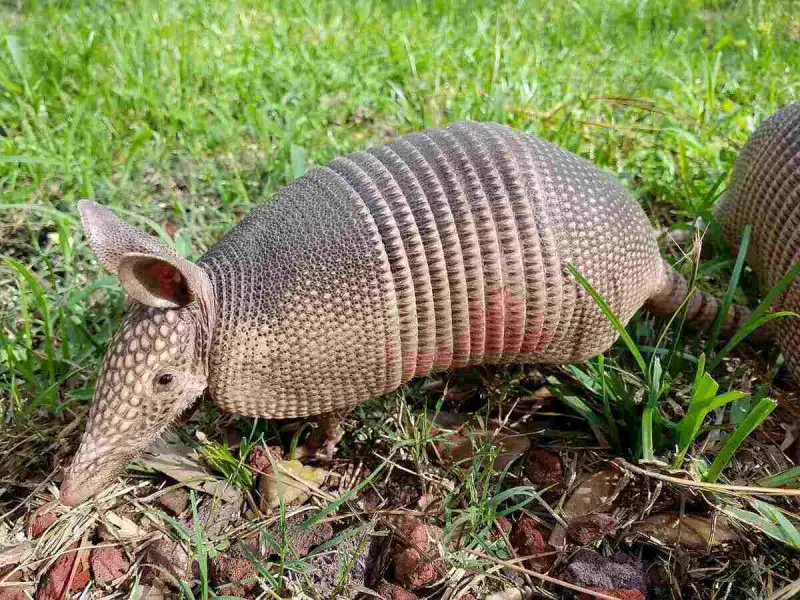
Texas supports one of the largest populations of nine-banded armadillos in North America, largely because the state offers ideal environmental conditions. Warm temperatures, diverse landscapes, and abundant insect prey allow these mammals to thrive in a wide range of habitats.
Armadillos can be found in grasslands, brush country, forests, wetlands, and increasingly in suburban greenbelts or urban edges where soil conditions support their food sources. Their adaptability makes them one of the most recognizable small wild mammals across much of Texas.
Over the past century, armadillos have steadily expanded their range northward. Climate flexibility, habitat tolerance, and the ability to live near human development have all contributed to their success. Today, sightings across Texas are common, especially where residential landscaping overlaps with natural habitat.
Because armadillos are primarily nocturnal, homeowners often notice only the signs they leave behind — disturbed soil, small holes, or tracks — rather than the animals themselves.
Why Armadillos Dig Holes
Armadillos dig mainly to find food. Their diet consists largely of insects and soil invertebrates such as beetle larvae, ants, termites, worms, and grubs. They use highly sensitive noses to detect prey underground, then rely on strong front claws to dig quickly through soil. Feeding holes are usually shallow, only a few inches deep, with loose soil pushed outward as the animal searches for insects.
Digging also serves several additional purposes beyond feeding. Armadillos sometimes create temporary burrows for shelter, look for moist soil where insects are more active, investigate scent trails, or search for fallen fruit or carrion. Each digging event reflects practical survival behavior rather than random destruction. What appears messy in a yard often represents natural foraging activity.
Lawn Damage Often Signals Healthy Soil Life
Interestingly, armadillo digging often indicates biologically active soil. Lawns rich in organic material, moisture, and insect life attract both beneficial soil organisms and armadillos seeking food. Well-irrigated landscapes, mulched garden beds, and shaded lawns tend to support higher insect populations, making them appealing feeding areas.
Rather than signaling environmental problems, small holes can suggest a healthy underground ecosystem. Understanding this connection can reduce alarm for homeowners who might otherwise interpret digging as purely destructive. Sometimes wildlife activity simply reflects ecological vitality.
Feeding Patterns Influence Hole Distribution
Armadillos rarely dig randomly. Their feeding behavior follows environmental cues such as soil moisture, insect concentration, and vegetation cover. After rainfall, insect activity near the soil surface increases, which often leads to more visible digging. Similarly, shaded or irrigated areas tend to attract armadillos because the soil remains soft and prey-rich.
Garden beds with mulch or compost are especially attractive because they retain moisture and support insect populations. Recognizing these patterns helps explain why certain areas of a yard show repeated digging while others remain undisturbed. Environmental conditions guide wildlife behavior more than chance.
Temporary Versus Permanent Burrows
Not every hole signals feeding activity. Some openings lead to burrows used for resting, temperature regulation, or raising young. These entrances are typically larger than feeding holes and may extend several feet underground. Burrows provide protection from predators, heat, cold, and flooding, making them essential survival structures.
Armadillos often maintain multiple burrows rather than relying on a single permanent den. This mobility helps them adapt quickly to changing environmental conditions. Their flexible lifestyle supports resilience in both natural habitats and human-modified landscapes.
Suburban Expansion Encourages Encounters
As Texas continues to grow, suburban expansion increasingly overlaps with wildlife habitat. Retention ponds, landscaped yards, irrigation systems, and greenbelts create environments attractive to insects and, in turn, armadillos. These human-made features often resemble natural habitat closely enough to support wildlife.
As overlap increases, encounters naturally become more common. Homeowners may notice digging more frequently even if overall armadillo populations remain stable. Increased visibility often reflects changing land use rather than sudden population growth. Human expansion shapes perception as much as ecology.
Seasonal Activity Patterns
Armadillo activity varies throughout the year. Warmer months generally bring increased movement because insect populations rise with temperature. Although Texas winters rarely halt activity entirely, cooler weather can slow feeding patterns. Spring and summer often produce the most noticeable digging.
Breeding season may also influence behavior. Females preparing burrows for offspring sometimes dig more extensively, especially in sheltered areas. Seasonal cycles create predictable fluctuations in sightings and yard disturbance.
Climate Conditions Affect Digging Behavior
Rainfall, soil temperature, and moisture levels directly influence armadillo behavior. Moist soil is easier to dig and tends to support higher insect concentrations. After periods of rain, homeowners often notice increased activity as armadillos take advantage of improved foraging conditions.
Extended drought can temporarily reduce digging because insects retreat deeper underground and soil hardens. Weather patterns therefore shape wildlife activity continuously, reminding us that ecological behavior often follows climate cues.
Predation Pressure and Shelter Needs
Natural predators such as coyotes, bobcats, and large birds of prey influence armadillo behavior. Access to burrows improves survival by providing refuge from predators and extreme weather. Sometimes armadillos select locations near human structures because they offer cover, warmth, or reduced predator presence.
These choices are practical survival strategies rather than deliberate intrusion. Protection drives habitat selection, and survival needs shape movement patterns.
Human Perception of Damage
Many homeowners view armadillo holes as damage, yet the ecological impact varies widely. Most feeding holes are shallow and cosmetic, affecting lawn appearance more than structural integrity. In rare cases where burrows form near foundations or infrastructure, professional evaluation may be warranted.
Perspective plays an important role. Understanding why digging occurs can reduce frustration and encourage balanced responses. Not all wildlife activity constitutes a serious problem.
Health and Safety Considerations
Armadillos occasionally carry bacteria associated with leprosy, though transmission to humans is extremely rare. Avoiding direct handling eliminates most risk. Basic precautions such as wearing gloves while gardening and washing hands after soil contact are sufficient in most situations.
Following general wildlife safety practices helps ensure both human and animal well-being. Awareness promotes confidence rather than fear.
Coexistence Strategies for Homeowners
Managing environmental attractants can reduce armadillo activity. Responsible insect control, moderated irrigation, secured compost, and limiting outdoor lighting that attracts insects may discourage repeated digging. These adjustments address root causes rather than symptoms.
Coexistence often requires small practical changes. Habitat management influences wildlife presence, and simple adjustments can make a meaningful difference.
Wildlife Law and Ethical Considerations
Texas wildlife regulations emphasize humane treatment of native species. Non-lethal deterrence methods are often recommended before removal or relocation. Ethical coexistence supports ecological balance and long-term sustainability.
Respect for wildlife benefits ecosystems while maintaining public safety.
Ecological Benefits of Armadillos
Despite occasional yard disturbance, armadillos contribute positively to ecosystems. Their digging aerates soil, promotes nutrient cycling, and helps control insect populations. These activities mirror those of other soil-disturbing mammals worldwide.
Many ecological benefits remain unnoticed because they occur below the surface. Biodiversity thrives when natural processes remain intact.
Misconceptions About Aggression
Armadillos are generally non-aggressive animals. Their primary defense mechanisms involve fleeing, freezing, or burrowing rather than confrontation. Encounters with humans rarely escalate beyond brief observation.
Understanding their behavior reduces unnecessary fear. Respectful distance supports safe coexistence.
Research and Monitoring Continue
Wildlife researchers continue studying armadillo distribution, disease ecology, climate adaptation, and habitat use. These studies inform public education, conservation strategies, and wildlife management policies.
Scientific observation improves understanding over time. Data helps shape informed decisions.
Cultural Perception in Texas
Armadillos occupy a unique place in Texas culture. Folklore, roadside symbolism, tourism references, and local humor often feature them. Their distinctive appearance and behavior make them memorable wildlife icons.
Cultural familiarity influences perception and can foster appreciation for native species.
Long-Term Outlook for Armadillos in Texas
Current trends suggest stable armadillo populations with continued adaptation to human-altered landscapes. Favorable climate conditions and habitat flexibility support long-term persistence. Future patterns will depend on land use, climate variability, and ecological balance.
Ongoing monitoring remains essential for understanding population dynamics.
Why Armadillo Holes Matter
Armadillo holes often reflect active ecosystems rather than simple nuisance activity. They indicate insect presence, soil health, and habitat connectivity. Recognizing these signs encourages informed coexistence and reduces unnecessary alarm.
Nature communicates subtly. Interpreting those signals helps people live more comfortably alongside wildlife.
FAQs About Armadillo Holes Near Homes in Texas
Why do armadillos dig holes in Texas yards
They usually dig to find insects such as grubs, ants, termites, and worms hiding beneath the soil.
Are armadillo holes dangerous for lawns or homes
Most feeding holes are shallow and cosmetic, but burrows near foundations may occasionally require attention.
Do armadillo holes mean a large infestation of insects
Not necessarily, but they often indicate healthy soil with natural insect activity.
When are armadillos most active in Texas
They are mainly nocturnal and tend to dig more during warm months or after rainfall.
Are armadillos aggressive toward people or pets
No. They generally avoid humans and prefer to flee rather than confront.
Can armadillos carry diseases
They can carry certain bacteria, but transmission risk to humans is extremely low with basic precautions.
How can homeowners reduce armadillo digging
Limiting insect attractants, reducing excess watering, and securing food sources can help discourage visits.
Do armadillos return to the same yard repeatedly
Yes, if food sources remain available and habitat conditions stay favorable.
Are armadillos protected wildlife in Texas
Yes. Regulations encourage humane treatment and responsible wildlife management.
Should you remove an armadillo yourself
Direct handling is not recommended. Wildlife professionals should handle removal if necessary.
Final Thoughts
Armadillo holes near Texas homes usually indicate routine nighttime foraging rather than aggressive intrusion or ecological imbalance. These animals dig primarily for insects, responding to environmental cues such as soil moisture, prey availability, and habitat overlap with expanding residential areas. While the holes may appear disruptive, they often reflect healthy soil ecosystems and normal wildlife behavior.
With basic awareness, homeowners can coexist effectively with armadillos through habitat management, education, and practical precautions. Recognizing their ecological role helps shift perspective from nuisance to natural neighbor — an outlook that supports both wildlife conservation and community understanding across Texas landscapes.