
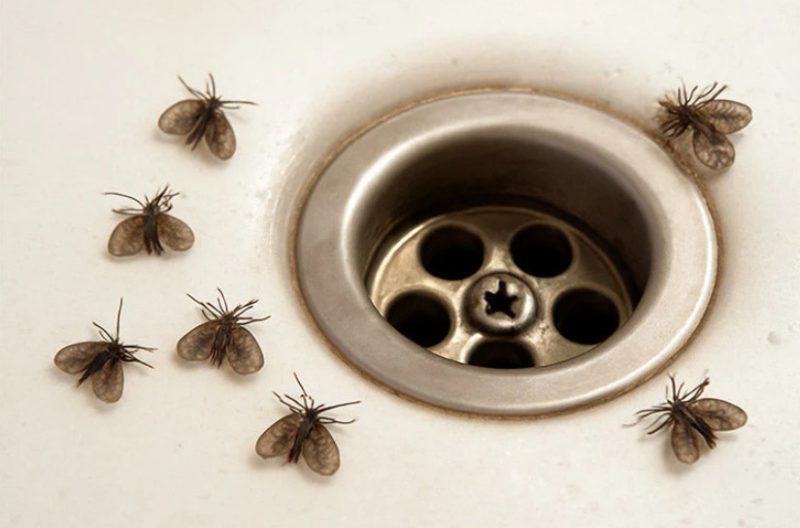
Tiny flies emerging from bathroom drains are a surprisingly common issue in California homes. Many residents notice them hovering near sinks, showers, bathtubs, or toilet areas, often appearing suddenly and in increasing numbers. These insects are typically called drain flies, moth flies, or sewer gnats. While they are usually harmless, their persistent presence can signal hidden moisture, organic buildup, or plumbing conditions that allow them to breed.
California’s climate, water usage patterns, and home construction styles can create ideal environments for these insects. Understanding why they appear, how they survive in plumbing systems, and what their presence means helps homeowners address the issue effectively without unnecessary worry.
These flies are rarely random invaders. They usually indicate specific environmental conditions.
Table of Contents
- 1 What Those Tiny Bathroom Flies Usually Are
- 2 California Climate Encourages Drain Fly Activity
- 3 Why Bathroom Drains Become Ideal Breeding Sites
- 4 The Drain Fly Life Cycle
- 5 Plumbing Design Can Contribute
- 6 Seasonal Patterns in California Homes
- 7 Standing Water Outside the Drain Matters Too
- 8 Biofilm Buildup Is Often Invisible
- 9 California Water Conservation Practices Can Play a Role
- 10 Why the Flies Often Appear Suddenly
- 11 They Are Usually Harmless but Still Annoying
- 12 Distinguishing Drain Flies From Other Small Flies
- 13 How They Enter Homes Initially
- 14 Prevention Through Regular Maintenance
- 15 Plumbing Inspections Can Be Helpful
- 16 Ventilation Plays an Overlooked Role
- 17 Natural Predators Rarely Help Indoors
- 18 Psychological Impact of Persistent Flies
- 19 California Housing Trends and Plumbing Complexity
- 20 Long-Term Outlook for Drain Fly Issues
- 21 When Professional Help Is Needed
- 22 FAQs About Tiny Flies Coming From Bathroom Drains in California
- 22.1 What are the tiny flies coming out of bathroom drains
- 22.2 Are drain flies harmful to people
- 22.3 Why do drain flies keep coming back
- 22.4 Can a clean bathroom still have drain flies
- 22.5 How long do drain flies live
- 22.6 Do drain flies mean there is a plumbing problem
- 22.7 Are drain flies common in California homes
- 22.8 How can homeowners prevent them naturally
- 22.9 Should professional help be considered
- 22.10 Do drain flies spread from neighboring apartments
- 23 Final Thoughts
What Those Tiny Bathroom Flies Usually Are
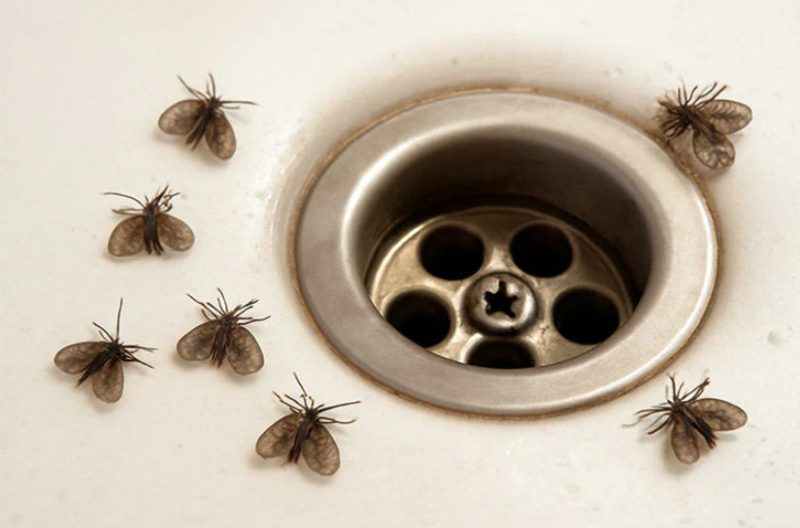
Most tiny flies emerging from bathroom drains are commonly known as drain flies, sometimes called moth flies or sewer gnats. Scientifically, they belong to the family Psychodidae. These insects are small, fuzzy, and often appear moth-like because their wings are covered with fine hairs. They typically move slowly, resting on bathroom walls, tiles, or near sinks and showers, which makes them easier to notice than some other small flying insects.
Unlike fruit flies or fungus gnats, drain flies specifically prefer environments where stagnant water and organic residue accumulate. Inside pipes, a slimy layer known as biofilm develops from soap residue, skin cells, hair particles, toothpaste, and other organic debris.
This biofilm becomes both a food source and a protective breeding ground for larvae. Bathrooms naturally generate moisture, so when organic buildup is present, they easily become prime breeding sites. Correct identification is important because each small fly species requires different treatment strategies.
California Climate Encourages Drain Fly Activity
California’s climate varies widely, but many regions still provide favorable conditions for drain fly survival. Coastal areas often experience higher humidity, while inland locations combine warm temperatures with intermittent moisture from irrigation, showers, and everyday indoor plumbing use. Even drought-prone regions can generate enough indoor humidity to support drain fly breeding, especially in bathrooms where moisture is produced regularly.
Warm indoor plumbing systems also create stable microclimates that remain consistent throughout the year. Regular water use keeps pipes damp, and steady temperatures help accelerate insect life cycles. Climate alone does not cause infestations, but it creates conditions that allow them to develop more easily.
Moisture remains the primary driver, and indoor humidity often plays a greater role than outdoor weather patterns when it comes to drain fly activity.
Why Bathroom Drains Become Ideal Breeding Sites
Bathroom drains naturally collect organic debris over time. Soap scum, toothpaste residue, shed skin cells, hair, cosmetic products, and mineral deposits combine to form a sticky layer inside pipes. This material retains moisture and supports microbial growth, creating an ideal habitat for drain fly larvae.
Even drains that appear clean externally may contain significant buildup deeper within the plumbing. The interior pipe walls, especially in curved trap areas, allow biofilm to accumulate where routine cleaning rarely reaches. Because larvae feed on this organic layer, removing surface dirt alone often fails to eliminate the underlying problem. Effective solutions usually target deeper pipe cleaning and moisture control.
The Drain Fly Life Cycle
Drain flies reproduce quickly under favorable conditions. Adult flies lay eggs directly in moist organic buildup inside drains. These eggs typically hatch within 24 to 48 hours, producing larvae that feed on biofilm and microorganisms. After feeding, larvae enter a pupal stage before emerging as adult flies, usually within one to three weeks depending on temperature and moisture.
Multiple generations often overlap, which explains why infestations seem persistent. Killing adult flies may provide temporary relief, but larvae remain protected inside pipe surfaces. Breaking the breeding cycle requires eliminating both larvae and the organic habitat supporting them.
Plumbing Design Can Contribute
Modern plumbing systems include features designed for sanitation and safety, such as curved traps, vent pipes, and water seals that prevent sewer gases from entering homes. While essential, these structures can unintentionally trap organic material and moisture. Slow-draining sinks, unused fixtures, or inadequate ventilation can allow stagnant conditions to develop.
Older California homes may have plumbing layouts more prone to buildup due to aging pipes, reduced slope, or limited venting efficiency. Infrastructure condition strongly influences indoor insect presence. Regular maintenance helps prevent long-term buildup that supports drain fly populations.
Seasonal Patterns in California Homes
Although California’s winters are generally mild, seasonal changes still influence indoor insect behavior. Warmer spring and summer temperatures accelerate drain fly breeding cycles. Increased water use during warmer months also adds moisture to plumbing systems, supporting larval development.
Travel patterns can contribute as well. When homes sit vacant, drains may partially dry out. Upon return, renewed water flow can trigger adult fly emergence from previously unnoticed larvae. Seasonal patterns often explain sudden infestations that seem unexpected.
Standing Water Outside the Drain Matters Too
Drain flies do not always originate solely from inside pipes. Nearby moisture sources can also support breeding. Leaky pipes under sinks, wet bath mats, hidden condensation behind walls, toilet base leaks, and HVAC drainage systems can all provide suitable habitats.
Bathrooms frequently contain multiple moisture pathways, and even small amounts of standing water can sustain insects. Careful inspection often reveals secondary breeding sources that might otherwise go unnoticed.
Biofilm Buildup Is Often Invisible
Many homeowners assume a clean sink or shower drain means no buildup exists. In reality, biofilm often forms deeper inside pipes where water flow slows and cleaning tools cannot reach easily. This slimy coating protects larvae from flushing water and mild cleaning products.
Mechanical cleaning, enzymatic treatments, or professional plumbing maintenance may be necessary to remove persistent buildup. Hidden biofilm remains one of the primary drivers of recurring infestations.
California Water Conservation Practices Can Play a Role
Water conservation is essential in California, but reduced water flow can sometimes contribute to pipe stagnation. Low-flow fixtures, intermittent water use, and drought-conscious habits may allow organic residue to accumulate more easily inside plumbing systems.
Conservation itself does not cause infestations, yet it may influence conditions that support them. Maintaining occasional thorough flushing of drains can help balance conservation goals with plumbing hygiene.
Why the Flies Often Appear Suddenly
Drain fly infestations usually develop gradually. Early generations may go unnoticed until adult numbers increase enough to become visible. Homeowners often perceive a sudden outbreak when, in reality, breeding has been occurring quietly for weeks.
Timing of observation strongly influences perception. The appearance of multiple adults typically reflects an established breeding cycle rather than a recent intrusion.
They Are Usually Harmless but Still Annoying
Drain flies rarely bite or transmit disease. They are considered nuisance pests rather than significant health threats. However, their presence can signal moisture problems that might eventually contribute to mold growth, plumbing deterioration, or indoor air quality concerns.
Addressing infestations promptly improves comfort and prevents potential secondary issues. Even harmless pests can affect household well-being when persistent.
Distinguishing Drain Flies From Other Small Flies
California homes may host several small fly species, each with different causes. Fruit flies typically originate from kitchens or decaying produce. Fungus gnats are usually linked to houseplants. Phorid flies often breed in decaying organic matter.
Correct identification ensures effective treatment. Misidentification leads to ineffective solutions and prolonged infestations.
How They Enter Homes Initially
Drain flies may enter homes through plumbing vents, open windows, or existing drains connected to sewer systems. Once inside, they seek moisture-rich environments suitable for reproduction.
Bathrooms offer consistent warmth, humidity, and organic residue, making them attractive breeding locations. Entry often goes unnoticed, but breeding site availability determines whether populations persist.
Prevention Through Regular Maintenance
Routine maintenance helps prevent infestations. Periodic flushing with hot water, safe enzymatic cleaners, or mechanical brushing removes organic buildup. Repairing leaks, improving ventilation, and maintaining dry surfaces also reduce habitat suitability.
Consistency matters more than aggressive one-time cleaning. Preventive habits significantly reduce recurrence risk.
Plumbing Inspections Can Be Helpful
Persistent infestations sometimes indicate deeper plumbing issues such as hidden leaks, pipe cracks, improper drainage slopes, or ventilation problems. Professional inspections can identify structural factors contributing to ongoing moisture accumulation.
Healthy plumbing infrastructure supports indoor environmental balance.
Ventilation Plays an Overlooked Role
Bathrooms with poor airflow retain humidity longer after showers or sink use. Exhaust fans, open windows, and dehumidifiers help reduce moisture levels. Lower humidity discourages breeding and supports overall indoor air quality.
Air circulation remains a simple but effective preventive measure.
Natural Predators Rarely Help Indoors
Outdoor insect populations are controlled by natural predators such as spiders, beetles, and birds. Indoor environments lack these ecological checks, especially in bathrooms. Without predators, drain fly populations can expand unchecked.
Indoor pest control relies primarily on habitat management rather than biological predation.
Psychological Impact of Persistent Flies
Even harmless insects can cause stress. Repeated sightings may create concerns about hygiene, structural problems, or unseen contamination. Understanding the biological cause often reduces anxiety and helps homeowners respond rationally.
Knowledge replaces uncertainty and improves comfort.
California Housing Trends and Plumbing Complexity
High-density housing, apartment complexes, and shared plumbing systems are common in many California cities. Shared infrastructure sometimes allows insect movement between units. Modern water-saving designs can also influence moisture dynamics.
Building design plays a role in pest patterns. Community awareness supports prevention in shared living environments.
Long-Term Outlook for Drain Fly Issues
Most infestations resolve once breeding sites are eliminated. Persistent cases usually involve hidden moisture sources, overlooked biofilm, or plumbing design issues. Long-term prevention focuses on moisture control, regular cleaning, ventilation improvement, and infrastructure maintenance.
Addressing root causes ensures sustainable solutions.
When Professional Help Is Needed
If drain flies continue appearing despite regular cleaning and moisture control, professional plumbers or pest management specialists may be necessary. Complex plumbing problems, structural leaks, or shared system issues often require expert evaluation.
Early intervention prevents prolonged inconvenience and potential property damage. Professional expertise can quickly identify causes that remain hidden to homeowners.
FAQs About Tiny Flies Coming From Bathroom Drains in California
What are the tiny flies coming out of bathroom drains
They are usually drain flies, also called moth flies or sewer gnats, which breed in moist organic buildup inside pipes.
Are drain flies harmful to people
They rarely pose health risks. They do not bite, but they can indicate excess moisture or plumbing buildup.
Why do drain flies keep coming back
If organic residue or moisture remains inside the drain, new generations can continue emerging.
Can a clean bathroom still have drain flies
Yes. Biofilm often forms deep inside pipes where normal surface cleaning cannot reach.
How long do drain flies live
Their life cycle typically lasts one to three weeks, allowing quick population growth if conditions persist.
Do drain flies mean there is a plumbing problem
Sometimes. Persistent infestations may signal leaks, slow drains, or hidden moisture issues.
Are drain flies common in California homes
Yes. Mild climate, indoor humidity, and water conservation habits can create favorable conditions.
How can homeowners prevent them naturally
Regular drain maintenance, reducing moisture, improving ventilation, and addressing leaks help prevent infestations.
Should professional help be considered
If flies persist despite cleaning, a plumber or pest professional can identify hidden issues.
Do drain flies spread from neighboring apartments
In multi-unit buildings, shared plumbing systems can occasionally allow movement between units.
Final Thoughts
Tiny flies emerging from bathroom drains in California usually point to moisture combined with organic buildup inside plumbing systems rather than poor hygiene or a dangerous infestation.
Warm climate conditions, water conservation habits, plumbing design, and natural indoor humidity can all contribute to environments where drain flies thrive. Understanding their biology, breeding cycle, and environmental triggers helps homeowners respond calmly and effectively instead of assuming a serious problem.
Most cases improve with consistent drain maintenance, better moisture control, and occasional plumbing inspection when needed. These flies are rarely mysterious invaders.
They are often indicators of environmental conditions that can be adjusted. With awareness, preventive care, and simple routine maintenance, California homeowners can keep bathrooms comfortable, clean, and largely free from persistent drain fly issues.