
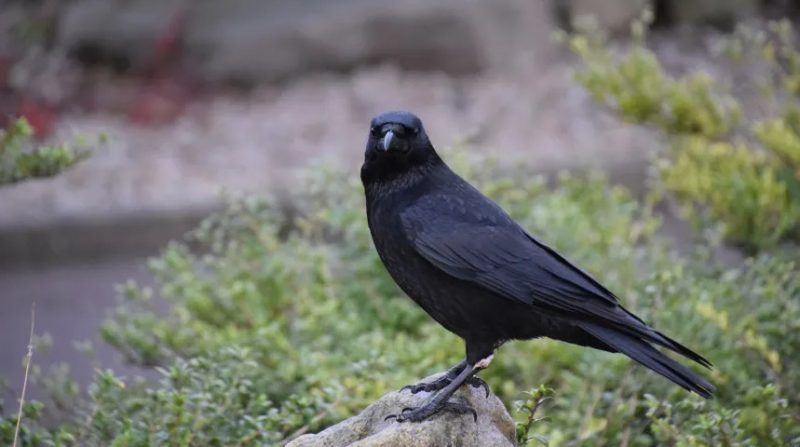
In Washington yards, crows rarely feel like random visitors. They appear with timing, gather in numbers, and behave in ways that seem coordinated and deliberate. One day you notice a single bird calling from a tree. Soon after, there are several. They move together, respond to each other, and return to the same places as if following a plan.
That impression is not far from the truth. Crows are among the most intelligent and socially complex birds in North America. What most Washington residents don’t realize about crows in their yards is that these birds are not simply passing through. They are observing, remembering, communicating, and adapting to the patterns of human life around them.
Their presence is shaped by a combination of environmental opportunity and learned behavior. Once a yard becomes useful to them, it often becomes part of a larger network they rely on.
Table of Contents
- 1 Crows Are Constantly Observing Their Surroundings
- 2 They Learn Human Behavior Faster Than You Expect
- 3 Food Is the Main Reason They Keep Coming Back
- 4 Crows Share Information With Each Other
- 5 Their Calls Are Meaningful, Not Random Noise
- 6 They Remember Faces and Experiences
- 7 Crows Use Yards as Observation Points
- 8 They Can Seem Aggressive During Certain Times of Year
- 9 They Influence Other Wildlife in Your Yard
- 10 Their Behavior Changes With the Seasons
- 11 Removing Attractants Is More Effective Than Scaring Them Away
- 12 Crows Are Not as Harmful as They Seem
- 13 FAQs About Crows in Washington Yards
- 14 Final Thoughts
Crows Are Constantly Observing Their Surroundings

Crows operate with a level of awareness that most people underestimate. They are rarely idle, even when they appear still. From elevated positions such as tall trees, rooftops, or utility lines, they scan their environment continuously, processing movement, sound, and change in real time.
In Washington yards, this often includes watching human activity with surprising precision. They notice when someone steps outside, when a yard becomes quiet, and when something new appears. This is not casual attention. It is active observation driven by survival.
What makes this behavior feel unusual is how focused it appears. A crow may remain motionless for long periods, facing a specific direction, as if concentrating. In reality, it is building a mental map of the environment, identifying patterns, safe zones, and opportunities.
This constant awareness is what allows crows to thrive in human-dominated spaces. They are not reacting randomly. They are making decisions based on what they observe.
They Learn Human Behavior Faster Than You Expect
Crows are exceptionally skilled at recognizing patterns, especially when those patterns repeat daily. In residential areas, human routines create predictable signals that crows quickly learn to interpret.
If trash is placed outside at a consistent time, crows begin to anticipate it. If bird feeders are filled regularly, they remember. Even subtle habits like watering plants or letting pets outside become part of their mental timeline.
Over time, crows shift from reacting to predicting. They may arrive before events happen, positioning themselves in advance. This creates the impression that they are intentionally showing up at the right moment.
What is really happening is learned behavior. The yard becomes part of a system they understand, and they use that knowledge to their advantage.
Food Is the Main Reason They Keep Coming Back
At the center of crow behavior is a simple motivation: food. These birds are highly adaptable and will eat almost anything available, from insects and seeds to scraps and small animals.
Once a crow identifies a reliable food source, it builds that location into its routine. This is why crows return to the same yards again and again. The location has proven valuable.
Even small food sources can create a lasting pattern. A few crumbs, an open trash bag, or spilled pet food is enough to establish a habit. Over time, that habit becomes consistent.
As long as the resource remains, so does the reason for the crow to return.
Crows do not operate alone. They are part of a highly social network where information is shared and reinforced.
When one crow discovers a food source or a safe location, it communicates that information to others. This may happen through calls, movement, or simply leading others to the spot.
This is why crow activity can increase suddenly. A single bird may appear first, followed by several more. What looks random is actually the result of communication spreading through the group.
Their behavior often feels coordinated because it is. They are responding collectively to shared knowledge.
Their Calls Are Meaningful, Not Random Noise
Crow vocalizations are often loud and frequent, but they are far from meaningless. Each call carries information, shaped by tone, rhythm, and context.
Some calls warn of danger. Others maintain contact within a group. Some even signal the presence of food. The same sound can mean different things depending on how and when it is used.
In a yard, a sudden burst of crow calls usually means something has changed. It could be a predator, a new object, or unfamiliar movement. The calls act as a broadcast, alerting others instantly.
Once you understand this, the noise becomes easier to interpret. It is not random disturbance. It is communication in real time.
They Remember Faces and Experiences
Crows have an extraordinary ability to remember individual human faces and connect them with past experiences. This memory influences how they behave in the future.
If a crow associates a person with danger, it may respond with caution or vocal alerts. If the experience was neutral, it may remain calm or indifferent.
This memory is not short-term. It can last for long periods, shaping how crows interact with specific locations and individuals.
A yard becomes more than just a space. It becomes part of a history that influences future behavior.
Crows Use Yards as Observation Points
A yard is not just a feeding area for crows. It is also a strategic observation point. Elevated features such as trees, fences, and rooftops provide ideal vantage positions.
From these locations, crows can monitor large areas without exposing themselves to danger. They track movement, locate food, and identify threats while remaining relatively safe.
This is why they often appear to sit still for long periods. They are not resting. They are watching, analyzing, and waiting.
Even when no food is visible, the position itself has value. It gives them control over what they see.
They Can Seem Aggressive During Certain Times of Year
Crow behavior can change noticeably during breeding season. In spring and early summer, they become more protective of their nests and young.
During this period, they may call loudly, follow movement, or swoop closer than usual. This can feel aggressive, especially when it happens repeatedly.
However, this behavior is defensive, not hostile. The crow is trying to create distance between a perceived threat and its nest. Direct contact is rare.
Once the nesting period ends, this behavior typically fades. The intensity is temporary and tied to reproduction.
They Influence Other Wildlife in Your Yard
Crows have a strong impact on the behavior of other animals. Their presence can shift how birds, insects, and even small mammals use a space.
Smaller birds may avoid areas where crows are active, especially during nesting season. At the same time, crows help control insect populations and may deter certain predators.
This creates a constantly changing balance. The presence of crows can reshape the activity of an entire yard.
For homeowners, this means that changes in wildlife patterns are often connected to crow activity, even if it is not immediately obvious.
Their Behavior Changes With the Seasons
Crow behavior follows seasonal patterns that influence how often they are seen and how they act.
In winter, they gather in larger groups for safety and warmth. In spring, nesting increases territorial behavior. Summer brings active feeding, while fall focuses on preparation for colder months.
These shifts can make their presence feel unpredictable. In reality, it follows a consistent cycle shaped by environmental conditions.
Understanding this pattern helps explain why their behavior changes throughout the year.
Removing Attractants Is More Effective Than Scaring Them Away
Many attempts to deter crows rely on noise, movement, or visual tricks. While these may work briefly, they rarely last.
Crows quickly learn when a threat is not real. If food and resources remain available, they will return regardless of deterrents.
The most effective solution is to remove what attracts them. Securing trash, eliminating food sources, and reducing access to water can significantly reduce their presence.
This approach targets the cause rather than the symptom, leading to more lasting results.
Crows Are Not as Harmful as They Seem
Despite their reputation, crows provide important benefits. They help clean up waste, control insects, and contribute to the natural balance of the environment.
Most problems associated with crows come from misunderstanding rather than actual harm. Their intelligence and visibility make them noticeable, but not dangerous.
When viewed in context, they are not just intruders. They are part of a larger ecosystem that continues to adapt alongside human activity.
FAQs About Crows in Washington Yards
Why do crows keep coming back to my yard?
They have identified food or a safe environment and incorporated it into their routine.
Do crows recognize people?
Yes, they can remember faces and associate them with past experiences.
Are crows dangerous?
They are generally not dangerous but may act defensively during nesting season.
Why are crows so loud?
Their calls are a form of communication related to their environment.
What attracts crows?
Food sources, shelter, and safe observation points.
Can I stop crows from coming?
Removing attractants is the most effective method.
Do crows harm other birds?
They can influence other birds but also provide warning signals.
Are crows beneficial?
Yes, they help control insects and maintain ecological balance.
Final Thoughts
What most Washington residents don’t realize about crows in their yards is that these birds are not random visitors. They are intelligent, observant, and highly adaptable animals that respond to the patterns and opportunities around them.
Their behavior reflects a complex interaction between environment, memory, and social communication. What may seem unusual or even unsettling is actually a sign of advanced intelligence at work.
Understanding this transforms how their presence is perceived. Instead of seeing them as unpredictable or intrusive, they become part of a larger system that connects human spaces with the natural world.
Crows are not just in your yard. They are learning from it, adapting to it, and becoming part of it.