
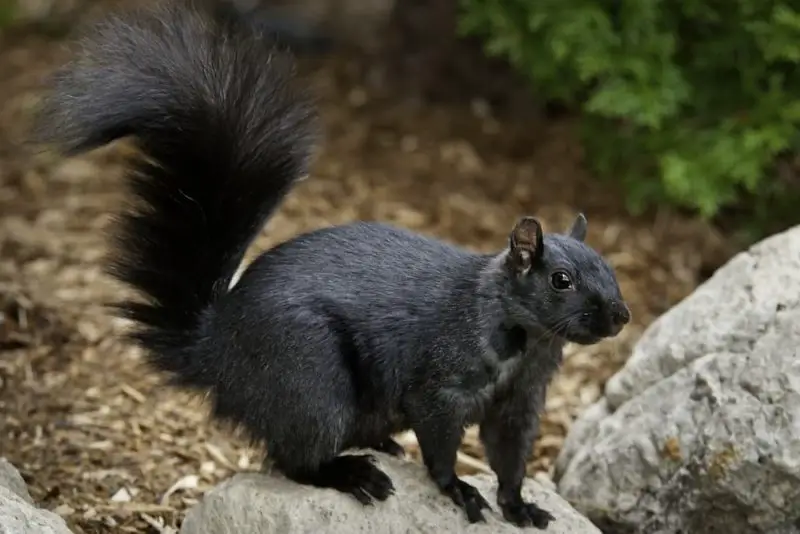
Black squirrels often stand out immediately in Massachusetts neighborhoods. Their dark, almost glossy fur contrasts sharply with the more common gray squirrel, creating the impression that they are a different species altogether. In reality, most black squirrels in the region are a color variation of the eastern gray squirrel, shaped by genetic differences rather than a separate evolutionary path. That distinction matters, because their behavior, habits, and ecological role remain closely tied to the species homeowners already see every day.
What makes black squirrels particularly interesting is not just their appearance, but how that appearance influences their interaction with the environment. Their darker coloration affects heat absorption, visibility, and even how they are perceived by predators and humans. Over time, these subtle differences can influence survival patterns in specific regions, including colder climates like Massachusetts.
For homeowners, black squirrels are more than a visual curiosity. They are active participants in the backyard ecosystem, constantly foraging, caching food, and interacting with trees, soil, and structures. Their presence reflects a combination of adaptability and environmental opportunity, revealing patterns that often go unnoticed in daily life.
Table of Contents
- 1 Black Squirrels Are a Color Variant, Not a Separate Species
- 2 Dark Fur Provides Advantages in Colder Climates
- 3 They Are Highly Adaptable to Urban and Suburban Environments
- 4 Food Caching Shapes Their Daily Activity
- 5 Black Squirrels Influence Tree Growth and Plant Distribution
- 6 Their Activity Changes With the Seasons
- 7 They Use a Variety of Nesting Sites
- 8 Predator Awareness Shapes Their Behavior
- 9 Human Interaction Can Alter Their Habits
- 10 Population Patterns Reflect Environmental Conditions
- 11 FAQs About Black Squirrels
- 11.1 Are black squirrels a different species?
- 11.2 Why are black squirrels more common in some areas?
- 11.3 Do black squirrels behave differently from gray squirrels?
- 11.4 Can black squirrels damage property?
- 11.5 What do black squirrels eat?
- 11.6 Do black squirrels hibernate?
- 11.7 How can I discourage squirrels from entering my home?
- 11.8 Are black squirrels beneficial to the environment?
- 12 Final Thoughts
Black Squirrels Are a Color Variant, Not a Separate Species

Black squirrels in Massachusetts are not a separate species, but a melanistic form of the eastern gray squirrel, meaning their darker coloration comes from a genetic mutation that increases pigment production. This distinction is important because it explains why their behavior feels identical to the gray squirrels homeowners already recognize. They occupy the same ecological niche, rely on the same food sources, and follow nearly identical survival strategies despite their strikingly different appearance.
Within the same neighborhood, it is common to find both black and gray squirrels interacting, competing, and even interbreeding. Offspring from the same litter may display different coat colors depending on genetic inheritance. This creates a visually diverse population that can give the impression of multiple species coexisting, when in reality it is a single adaptable species expressing variation.
What makes this variation significant is how it subtly influences interaction with the environment. Color affects heat absorption, visibility, and even predator detection. While behavior remains largely consistent, these small physiological differences can shape long-term survival trends, particularly in regions like Massachusetts where seasonal extremes create shifting pressures.
Dark Fur Provides Advantages in Colder Climates
Massachusetts winters create conditions where energy conservation becomes critical for survival. Black squirrels benefit from their darker fur, which absorbs more solar radiation compared to lighter coats. This allows them to warm more efficiently during cold, sunny periods, reducing the energy required to maintain body temperature.
This thermal advantage becomes especially important during late fall and winter, when food is less accessible and metabolic demands are higher. By retaining heat more effectively, black squirrels may spend less time foraging under harsh conditions, lowering exposure to predators and environmental stress. Over time, this can translate into higher survival rates in colder microclimates.
However, this advantage is not universal. During warmer months, increased heat absorption can become a liability, forcing squirrels to seek shade more frequently and adjust activity patterns. This trade-off helps explain why black squirrels are more common in northern regions while remaining less dominant in warmer areas. Their distribution reflects a balance between thermal efficiency and environmental stress.
They Are Highly Adaptable to Urban and Suburban Environments
Black squirrels thrive in Massachusetts neighborhoods because these environments provide a unique combination of resources. Trees offer natural shelter and nesting opportunities, while human activity introduces consistent food sources such as bird feeders, gardens, and discarded organic material. This blend of natural and artificial resources creates a stable habitat that supports year-round occupancy.
Their adaptability is not limited to resource use. Black squirrels actively modify their behavior based on human presence. They learn to navigate busy areas, adjust feeding times to avoid peak disturbance, and exploit predictable routines such as feeder refills or yard maintenance schedules. This behavioral flexibility allows them to coexist with people without direct dependence.
Over time, this adaptability leads to increased confidence in residential settings. Squirrels may approach closer distances, use structures for shelter, and expand their activity range within developed areas. Rather than being displaced by urbanization, they integrate into it, turning neighborhoods into functional ecosystems that support their survival.
Food Caching Shapes Their Daily Activity
Food caching is one of the most defining behaviors of black squirrels, shaping nearly every aspect of their daily routine. Instead of consuming food immediately, they store it in multiple hidden locations, creating a distributed network of reserves that can be accessed over time. This strategy reduces the risk of losing all resources at once and ensures a steady food supply during winter.
The process is highly deliberate. Squirrels select caching sites based on soil conditions, cover, and proximity to their core territory. They rely on spatial memory to locate these caches later, often remembering dozens or even hundreds of individual storage points. This memory-based system allows them to retrieve food even after significant environmental changes.
Deceptive caching adds another layer of complexity. When other animals are nearby, squirrels may pretend to bury food in one location while secretly storing it elsewhere. This behavior reduces theft and demonstrates a level of strategic thinking that goes beyond simple instinct. For homeowners, the visible signs of this activity—small holes and disturbed soil—are evidence of a much larger, unseen system of resource management.
Black Squirrels Influence Tree Growth and Plant Distribution
The impact of black squirrels extends beyond their immediate survival. Through their caching behavior, they play a direct role in shaping vegetation patterns. Not all buried seeds are recovered, allowing some to germinate and develop into new plants. This process contributes to natural reforestation and plant distribution across both wild and residential landscapes.
In Massachusetts, where wooded areas often intersect with suburban neighborhoods, this influence becomes particularly noticeable. Squirrels move seeds from one location to another, introducing plant species into new areas and increasing ecological diversity. Over time, this can alter the composition of local vegetation, favoring species that produce seeds suitable for caching.
This role positions squirrels as unintentional gardeners within the ecosystem. Their daily activity supports long-term environmental change, linking animal behavior with plant growth in a continuous cycle. What appears to be simple foraging is actually part of a broader ecological process that shapes the landscape over years and decades.
Their Activity Changes With the Seasons
Black squirrels adjust their behavior continuously in response to seasonal shifts. During spring and summer, their activity focuses on feeding, territory exploration, and reproduction. Food is abundant, and energy is directed toward growth and raising young.
As fall approaches, behavior becomes more intense and focused. This is the peak period for food caching, with squirrels actively collecting and storing nuts and seeds. Movement increases, and their presence becomes more noticeable as they prepare for winter conditions.
Winter brings a shift toward conservation. While they do not hibernate, black squirrels reduce activity levels and rely heavily on stored food. They spend more time in sheltered locations, emerging during milder conditions to forage or retrieve caches. This year-round adaptability allows them to maintain a continuous presence despite changing environmental pressures.
They Use a Variety of Nesting Sites
Black squirrels use both natural and artificial structures for nesting, demonstrating a high level of flexibility. Tree nests, or dreys, are constructed from leaves, twigs, and other materials, providing insulation and protection from weather.
In residential areas, they often expand their options by using attics, chimneys, and wall cavities. These locations offer additional warmth and security, particularly during colder months. The choice of nesting site depends on availability, safety, and proximity to food.
Squirrels evaluate potential sites carefully, considering factors such as height, concealment, and access routes. This decision-making process allows them to adapt quickly to changes in the environment, ensuring that suitable shelter is always available.
Predator Awareness Shapes Their Behavior
Survival for black squirrels depends on constant awareness of potential threats. In Massachusetts, predators include birds of prey such as hawks and owls, as well as ground-based animals. This pressure shapes their movement patterns, feeding behavior, and use of space.
They rely on elevated positions to scan for danger and use rapid, unpredictable movement to escape when threatened. Their dark coloration may offer advantages in shaded or wooded environments, helping them blend into certain backgrounds while remaining more visible in others.
This awareness extends to human activity. Squirrels learn to distinguish between routine and unusual behavior, adjusting their distance and response accordingly. This ability to interpret complex environments contributes to their long-term success in areas with high human presence.
Human Interaction Can Alter Their Habits
Human-provided food sources can significantly influence squirrel behavior. Regular feeding reduces the need for natural foraging, leading to changes in movement patterns and territory use. Squirrels may become more concentrated in specific areas, increasing competition and interaction.
While this can make them more visible and approachable, it may also disrupt natural behaviors such as caching and resource exploration. Over time, reliance on human food can reduce their ability to respond to environmental changes.
Maintaining a balance is important. Allowing squirrels to rely primarily on natural food sources supports healthier populations and preserves their ecological role. Observation without interference helps maintain the natural dynamics of the ecosystem.
Population Patterns Reflect Environmental Conditions
The presence and density of black squirrels in Massachusetts neighborhoods are shaped by a combination of factors, including food availability, habitat structure, and climate. Areas with abundant resources and suitable shelter tend to support higher populations.
Localized conditions can create noticeable differences between neighborhoods. One area may have a strong presence of black squirrels, while another nearby may have few or none. These patterns reflect subtle variations in environment rather than broad regional trends.
Over time, changes in landscaping, development, and climate can alter these distributions. Squirrels respond quickly to shifts in resource availability, adjusting their range and behavior accordingly. Their presence serves as an indicator of ecological conditions, revealing how environments evolve in response to both natural and human influences.
FAQs About Black Squirrels
Are black squirrels a different species?
No, black squirrels are typically a color variation of the eastern gray squirrel. They share the same behaviors and ecological role despite their different appearance.
Why are black squirrels more common in some areas?
Their distribution is influenced by environmental conditions, including climate and habitat. In colder regions, their dark fur may provide a slight advantage.
Do black squirrels behave differently from gray squirrels?
Their behavior is generally the same. Differences are primarily visual, though environmental factors may influence how they interact with their surroundings.
Can black squirrels damage property?
Like other squirrels, they may chew on materials or enter structures. Proper maintenance and prevention measures can reduce the risk of damage.
What do black squirrels eat?
They consume a variety of foods, including nuts, seeds, fruits, and occasionally insects. Their diet changes with seasonal availability.
Do black squirrels hibernate?
No, they remain active throughout the year, relying on stored food and sheltered nests during colder months.
How can I discourage squirrels from entering my home?
Sealing entry points and removing attractants can help prevent access. Maintaining trees and structures also reduces opportunities for nesting.
Are black squirrels beneficial to the environment?
Yes, they contribute to seed dispersal and plant growth, playing an important role in local ecosystems.
Final Thoughts
Black squirrels in Massachusetts represent more than a simple variation in color. They are part of a dynamic system that connects wildlife, vegetation, and human environments. Their behavior reflects constant adaptation, shaped by both natural conditions and the presence of people.
For homeowners, understanding these patterns provides insight into how everyday spaces function as shared habitats. Lawns, trees, and structures are not isolated elements. They are components of a broader ecological network in which squirrels play an active role.
Recognizing this connection changes the way these animals are perceived. Black squirrels are not just occasional visitors or visual curiosities. They are integrated participants in the environment, influencing and responding to the same spaces that define daily life.