
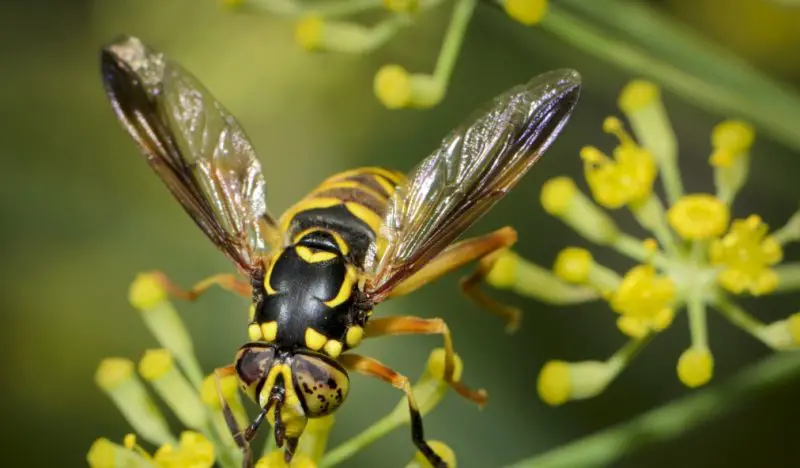
Yellowjacket stings are often treated as simple, short-lived annoyances. A sharp pain, some swelling, and then it fades. But across California, that assumption misses a much more complex reality. Yellowjackets are not just occasional stingers. They are highly organized social insects whose behavior, aggression levels, and interaction with people are shaped by environmental conditions, colony dynamics, and seasonal changes.
Most encounters do not happen by accident. They are the result of overlapping spaces where human activity intersects with active foraging or defensive zones. Lawns, outdoor dining areas, trash bins, and even quiet garden corners can all become points of contact. When a sting occurs, it is often the visible outcome of a much larger system operating just out of sight.
Understanding yellowjacket stings requires looking beyond the moment of contact. It involves examining how these insects move, how they respond to perceived threats, and how California’s climate allows their colonies to grow larger and persist longer than in many other regions. Once that broader context is understood, their behavior becomes more predictable and, in many cases, avoidable.
Table of Contents
- 1 Yellowjackets Do Not Sting Randomly
- 2 California’s Climate Extends Yellowjacket Activity
- 3 Late Summer Aggression Is Linked to Colony Changes
- 4 Yellowjackets Can Sting Multiple Times
- 5 Ground Nests Are Often the Source of Surprise Attacks
- 6 Pain and Reaction Vary Based on Multiple Factors
- 7 Yellowjackets Are Important Predators Despite the Risk
- 8 Human Behavior Often Triggers Stings
- 9 Urban and Suburban Areas Provide Ideal Conditions
- 10 Prevention Relies on Awareness and Consistency
- 11 FAQs About Yellowjacket Stings
- 11.1 Why do yellowjackets sting more in late summer?
- 11.2 Can yellowjackets sting more than once?
- 11.3 Where are yellowjacket nests usually located?
- 11.4 Are yellowjacket stings dangerous?
- 11.5 What attracts yellowjackets to people?
- 11.6 How can I avoid being stung?
- 11.7 Do yellowjackets serve any ecological purpose?
- 11.8 What should I do if I disturb a nest?
- 12 Final Thoughts
Yellowjackets Do Not Sting Randomly

Yellowjackets are frequently described as aggressive, but their stinging behavior is not random. It is closely tied to specific triggers, most of which involve either food competition or nest defense. When a yellowjacket approaches a person, it is often investigating a potential food source rather than preparing to sting.
In outdoor settings, especially during late summer, yellowjackets are drawn to sugars and proteins. Open drinks, fruit, and food scraps attract them quickly. Their persistent hovering can be mistaken for aggression, but in many cases, it is exploratory behavior. A sting becomes more likely when the insect feels trapped, swatted at, or suddenly threatened.
Nest defense is a different scenario. When a colony perceives a threat near its nest, the response can escalate rapidly. Vibrations, movement, or accidental disturbance can trigger multiple workers to attack at once. In these cases, stinging is coordinated and purposeful, aimed at neutralizing what the colony identifies as a danger.
California’s Climate Extends Yellowjacket Activity
In many parts of the country, cold winters limit yellowjacket activity and reduce colony size. California’s milder climate changes that pattern significantly. Longer warm seasons allow colonies to grow larger and remain active for extended periods.
This extended activity increases the likelihood of human encounters. Yellowjackets are present earlier in the year and remain active later into the fall. In some regions, activity may continue nearly year-round, especially in urban and coastal areas where temperatures remain moderate.
Larger colonies also mean more workers. As the number of individuals increases, so does the probability of interaction with people. A single nest can support thousands of yellowjackets, each foraging independently. This creates a constant presence across a wide area, even if the nest itself remains hidden.
Late Summer Aggression Is Linked to Colony Changes
One of the most noticeable shifts in yellowjacket behavior occurs in late summer. During this period, colonies reach their peak size, and the internal structure begins to change. The queen reduces egg-laying, and the colony transitions toward producing new reproductive individuals.
As this shift occurs, worker yellowjackets lose some of their structured roles. Their focus on feeding larvae decreases, and they begin seeking out alternative food sources. This often brings them into closer contact with human environments, where sugary foods are abundant.
At the same time, their tolerance for disturbance may decrease. Combined with increased numbers, this creates the perception of heightened aggression. In reality, it is a combination of resource searching and colony dynamics that leads to more frequent stinging incidents.
Yellowjackets Can Sting Multiple Times
Unlike honeybees, yellowjackets do not lose their stinger after use. Their stinger is smooth, allowing them to sting multiple times in rapid succession. This capability significantly increases the impact of an encounter.
When a yellowjacket stings, it also releases a chemical signal that can attract other workers. This pheromone acts as an alarm, indicating that a threat is present. As a result, a single sting can quickly escalate into multiple stings if other yellowjackets are nearby.
This mechanism is particularly relevant near nests. Once the alarm signal is released, additional workers may join the response, increasing both the intensity and duration of the encounter. Understanding this behavior highlights the importance of avoiding sudden movements or attempts to swat at the insect.
Ground Nests Are Often the Source of Surprise Attacks
Many yellowjacket species in California build nests underground. These nests may be located in lawns, garden beds, or along walking paths. Because they are often hidden, people may unknowingly step near or directly on them.
When a ground nest is disturbed, the colony responds quickly. Workers emerge in large numbers, targeting the source of the disturbance. This can result in multiple stings within seconds, often catching people off guard.
The lack of visible warning makes these encounters particularly dangerous. Unlike aerial nests, which can sometimes be seen and avoided, ground nests remain concealed until disturbed. Awareness of this nesting behavior is critical for reducing risk in outdoor spaces.
Pain and Reaction Vary Based on Multiple Factors
The experience of a yellowjacket sting can vary widely. Pain intensity, swelling, and duration depend on factors such as sting location, number of stings, and individual sensitivity.
For most people, a sting results in immediate sharp pain followed by localized swelling and redness. This reaction typically subsides within a few hours to a couple of days. However, repeated stings or stings in sensitive areas can increase discomfort.
In some cases, individuals may experience allergic reactions. These reactions can range from mild to severe and may require medical attention. Understanding personal sensitivity is important, especially in areas where yellowjackets are common.
Yellowjackets Are Important Predators Despite the Risk
While often viewed negatively due to their stings, yellowjackets play a role in controlling other insect populations. They prey on flies, caterpillars, and other small insects, contributing to ecological balance.
Their foraging behavior helps regulate populations of species that might otherwise become pests. In this sense, they are both a nuisance and a functional part of the ecosystem. Their presence reflects a complex interaction between predator and prey within shared environments.
Recognizing this role does not eliminate the risks associated with stings, but it provides context for their behavior. Yellowjackets are not simply aggressive insects. They are active participants in the ecosystems they inhabit.
Human Behavior Often Triggers Stings
Many stinging incidents can be traced back to human actions. Sudden movements, attempts to swat insects, or accidental disturbances of nests increase the likelihood of being stung.
Yellowjackets respond to perceived threats quickly. A hand waving near them or a foot stepping too close to a nest can trigger a defensive reaction. Remaining calm and moving slowly can reduce the chance of escalation.
Food handling also plays a role. Leaving food exposed or failing to secure trash attracts yellowjackets, increasing the chance of interaction. Simple adjustments in behavior can significantly reduce the risk of stings.
Urban and Suburban Areas Provide Ideal Conditions
California’s urban and suburban environments offer abundant resources for yellowjackets. Food waste, irrigation, and landscaping create conditions that support large populations.
Trash bins, compost areas, and outdoor eating spaces provide consistent food sources. At the same time, gardens and lawns offer nesting opportunities. This combination allows yellowjackets to thrive in close proximity to human activity.
As a result, encounters are not limited to rural or wild areas. They occur regularly in residential neighborhoods, making awareness and prevention strategies essential for everyday safety.
Prevention Relies on Awareness and Consistency
Reducing the risk of yellowjacket stings involves understanding their behavior and adjusting human activity accordingly. Avoiding known nesting areas, securing food sources, and minimizing sudden movements can all decrease the likelihood of encounters.
Regular inspection of outdoor spaces can help identify potential nesting sites. Early detection allows for safer management before colonies reach peak size. Maintaining clean and organized environments also reduces attraction.
Consistency is key. Small, repeated actions such as covering food, managing waste, and observing surroundings create a cumulative effect that lowers overall risk. Prevention is not a single step but an ongoing process.
FAQs About Yellowjacket Stings
Why do yellowjackets sting more in late summer?
Late summer marks the peak of colony size and a shift in behavior. Workers search more actively for food and may respond more aggressively to disturbances, increasing the likelihood of stings.
Can yellowjackets sting more than once?
Yes, yellowjackets can sting multiple times because their stinger does not detach. This allows them to deliver repeated stings in a short period.
Where are yellowjacket nests usually located?
Many species build nests underground, often in lawns or garden areas. Others may nest in wall voids or sheltered spaces around structures.
Are yellowjacket stings dangerous?
For most people, stings cause temporary pain and swelling. However, allergic reactions can occur and may require medical attention.
What attracts yellowjackets to people?
Food, especially sugary drinks and protein sources, attracts yellowjackets. Open trash and outdoor eating areas increase the chance of encounters.
How can I avoid being stung?
Remain calm around yellowjackets, avoid sudden movements, and keep food covered. Be cautious in areas where nests may be present.
Do yellowjackets serve any ecological purpose?
Yes, they help control populations of other insects by acting as predators. This contributes to ecological balance.
What should I do if I disturb a nest?
Leave the area immediately and move away quickly but without panic. Avoid swatting, as this can escalate the situation.
Final Thoughts
Yellowjacket stings in California are not isolated events. They are part of a broader interaction between human activity and highly adaptive insect colonies. What appears to be sudden aggression is often the result of specific triggers tied to food, territory, and environmental conditions.
By understanding these patterns, the behavior of yellowjackets becomes more predictable. Their movements, their responses, and even their seasonal changes follow identifiable trends. This knowledge allows for better prevention and safer coexistence.
Recognizing the complexity behind a simple sting changes the way these encounters are viewed. It shifts the focus from reaction to awareness, revealing a system that operates continuously just beneath the surface of everyday life.